
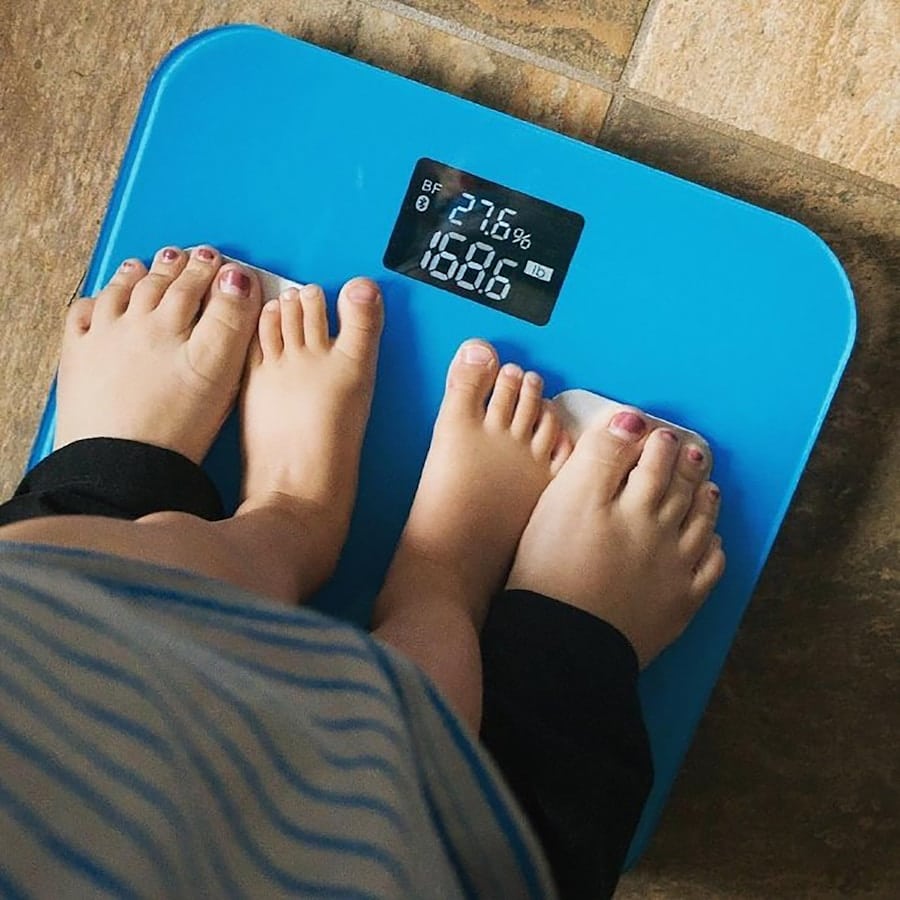
Wegovy, a brand name for semaglutide, is a medication that has garnered significant attention for its role in weight management. Originally developed to treat type 2 diabetes, it has been found to have profound effects on weight loss, leading to its approval by the FDA for chronic weight management in adults with obesity or overweight conditions. The mechanism of action involves mimicking the hormone GLP-1 (glucagon-like peptide-1), which plays a crucial role in regulating appetite and food intake.
By activating GLP-1 receptors in the brain, Wegovy helps to reduce hunger and increase feelings of fullness, making it easier for individuals to adhere to a calorie-restricted diet. Clinical trials have demonstrated that individuals using Wegovy can achieve significant weight loss compared to those on a placebo. In one pivotal study, participants lost an average of 15% of their body weight over 68 weeks, showcasing the potential of this medication as a powerful tool in the fight against obesity.
However, it is essential to understand that Wegovy is not a standalone solution; it is most effective when combined with lifestyle changes such as diet and exercise. The medication can help jumpstart weight loss, but sustainable results require a comprehensive approach that includes behavioral modifications and ongoing support.
Key Takeaways
- Wegovy is a new medication that can aid in weight loss by regulating appetite and food intake.
- Regular exercise is essential for weight loss and overall health, aiming for at least 150 minutes of moderate-intensity exercise per week.
- Making healthy food choices and practicing portion control are crucial for successful weight loss.
- Managing stress and getting adequate sleep are important factors in weight management and overall well-being.
- Staying consistent with medication and following doctor’s recommendations is key for successful weight loss with Wegovy.
Incorporating Regular Exercise into Your Routine
Integrating regular exercise into your daily routine is a fundamental component of any successful weight loss strategy. Physical activity not only aids in burning calories but also enhances overall health by improving cardiovascular fitness, building muscle strength, and boosting mental well-being. The Centers for Disease Control and Prevention (CDC) recommends at least 150 minutes of moderate-intensity aerobic activity each week, along with muscle-strengthening activities on two or more days.
Finding an enjoyable form of exercise is crucial for long-term adherence. For instance, if you dislike running, consider alternatives like dancing or hiking that can provide similar cardiovascular benefits without the monotony.
Additionally, incorporating strength training exercises can be particularly beneficial for weight loss, as building muscle increases resting metabolic rate, allowing the body to burn more calories even at rest. Setting specific, achievable fitness goals can also enhance motivation; for example, aiming to complete a 5K run or mastering a new yoga pose can provide a sense of accomplishment and encourage consistency.
Making Healthy Food Choices and Portion Control

The foundation of effective weight management lies in making informed food choices and practicing portion control. A balanced diet rich in whole foods—such as fruits, vegetables, whole grains, lean proteins, and healthy fats—can significantly impact weight loss efforts. These foods are typically lower in calories and higher in nutrients compared to processed options, making them ideal for those looking to shed pounds.
For example, swapping out refined carbohydrates like white bread for whole grain alternatives can help stabilize blood sugar levels and reduce cravings. Portion control is equally important in managing caloric intake. Many individuals underestimate the amount they eat, leading to unintentional overconsumption.
Utilizing smaller plates and bowls can create the illusion of larger portions while helping to regulate serving sizes. Additionally, being mindful during meals—such as eating slowly and savoring each bite—can enhance satiety signals and prevent overeating. Keeping a food diary or using mobile apps to track daily intake can also provide valuable insights into eating patterns and help identify areas for improvement.
Managing Stress and Getting Adequate Sleep
Stress management and adequate sleep are often overlooked yet critical components of successful weight loss. Chronic stress can lead to emotional eating and cravings for high-calorie comfort foods, which can derail even the most disciplined diet plans. Techniques such as mindfulness meditation, yoga, or deep-breathing exercises can help mitigate stress levels and promote a healthier relationship with food.
Engaging in regular physical activity also serves as an effective stress reliever by releasing endorphins that enhance mood. Sleep plays a vital role in weight management as well. Research indicates that insufficient sleep can disrupt hormones related to hunger regulation, such as ghrelin and leptin, leading to increased appetite and cravings for unhealthy foods.
Aim for 7-9 hours of quality sleep each night to support metabolic health and improve overall well-being. Establishing a consistent sleep schedule, creating a relaxing bedtime routine, and minimizing screen time before bed can contribute to better sleep quality.
Staying Consistent with Medication and Doctor’s Recommendations
For individuals prescribed Wegovy or similar medications, consistency is key to achieving desired weight loss outcomes. Adhering to the prescribed dosage and schedule is essential for maximizing the medication’s effectiveness. Regular follow-ups with healthcare providers allow for monitoring progress and making necessary adjustments to the treatment plan.
It is crucial to communicate openly with your doctor about any side effects or concerns that may arise during the course of treatment. In addition to medication adherence, following your doctor’s recommendations regarding lifestyle changes is vital. Healthcare professionals often provide personalized advice based on individual health profiles, which can significantly enhance the effectiveness of weight loss efforts.
This may include tailored dietary guidelines or specific exercise regimens designed to complement the medication’s effects. Engaging in open dialogue with your healthcare team fosters accountability and ensures that you remain on track toward your weight loss goals.
Seeking Support from a Weight Loss Community or Group

The journey toward weight loss can be challenging, but seeking support from a community or group can provide motivation and encouragement. Many individuals find that sharing their experiences with others facing similar challenges fosters a sense of belonging and accountability. Support groups can be found through local community centers, online forums, or social media platforms dedicated to health and wellness.
These groups often share tips, recipes, and success stories that can inspire members to stay committed to their goals. In addition to peer support, professional guidance from registered dietitians or certified personal trainers can further enhance your weight loss journey. These experts can offer personalized advice tailored to your unique needs and preferences while providing evidence-based strategies for overcoming obstacles.
Participating in group fitness classes or workshops can also create a sense of camaraderie while promoting healthy habits in a fun and engaging environment.
Tracking Progress and Setting Realistic Goals
Tracking progress is an essential aspect of any weight loss journey as it provides tangible evidence of achievements and areas needing improvement. Keeping a journal or using mobile applications to log food intake, exercise routines, and weight changes can help maintain focus on goals.
Setting realistic goals is equally important in maintaining motivation throughout the process. Instead of aiming for drastic weight loss within a short timeframe, consider breaking down larger goals into smaller, manageable milestones. For instance, aiming to lose 1-2 pounds per week is a more sustainable approach than striving for rapid results.
Celebrating these small victories—whether it’s fitting into a favorite pair of jeans or completing a challenging workout—can boost morale and reinforce commitment to long-term lifestyle changes.
Celebrating Non-Scale Victories and Maintaining a Positive Mindset
While the scale often serves as a primary measure of success in weight loss journeys, it is essential to recognize non-scale victories that reflect progress beyond mere numbers. These victories may include improved energy levels, enhanced mood, better sleep quality, or increased physical endurance. Acknowledging these achievements fosters a positive mindset and reinforces the idea that weight loss is not solely about numbers but also about overall well-being.
Maintaining a positive mindset throughout the journey is crucial for long-term success. Practicing self-compassion and reframing negative thoughts can help individuals navigate setbacks without losing motivation. Instead of viewing challenges as failures, consider them opportunities for growth and learning.
Surrounding yourself with supportive individuals who uplift your spirits can further enhance resilience during difficult times. By focusing on holistic health rather than just weight loss, individuals are more likely to cultivate sustainable habits that lead to lasting change.
If you’re looking to enhance your weight loss journey with healthy meal ideas, check out this article on long green peppers HelloFresh recipes and meal ideas. Incorporating nutritious and delicious meals into your diet can help support your weight loss goals while keeping you satisfied.
FAQs
What is Wegovy and how does it work for weight loss?
Wegovy is a prescription medication that contains the active ingredient semaglutide. It works by mimicking the effects of a hormone called glucagon-like peptide-1 (GLP-1) that regulates appetite and food intake. This can lead to reduced calorie intake and increased weight loss.
How can I increase weight loss while taking Wegovy?
1. Follow a healthy, balanced diet: Focus on consuming plenty of fruits, vegetables, lean proteins, and whole grains while limiting processed foods and added sugars.
2. Stay active: Incorporate regular physical activity into your routine, such as walking, jogging, or strength training, to support weight loss efforts.
3. Stay hydrated: Drink plenty of water throughout the day to help with appetite control and overall health.
4. Get enough sleep: Aim for 7-9 hours of quality sleep each night to support weight loss and overall well-being.
5. Manage stress: Practice stress-reducing techniques such as meditation, yoga, or deep breathing to help prevent emotional eating and support weight loss.
Are there any potential side effects of taking Wegovy?
Common side effects of Wegovy may include nausea, diarrhea, vomiting, constipation, abdominal pain, and decreased appetite. It’s important to discuss any potential side effects with your healthcare provider.
Who is a good candidate for taking Wegovy for weight loss?
Wegovy is typically prescribed for adults with a body mass index (BMI) of 27 kg/m2 or greater who have at least one weight-related condition (such as high blood pressure, type 2 diabetes, or high cholesterol) and are looking to lose weight.
How long does it take to see results with Wegovy?
Individual results may vary, but many people may start to see weight loss results within the first few months of starting Wegovy. It’s important to follow your healthcare provider’s guidance and stay consistent with healthy lifestyle habits to support weight loss while taking Wegovy.