
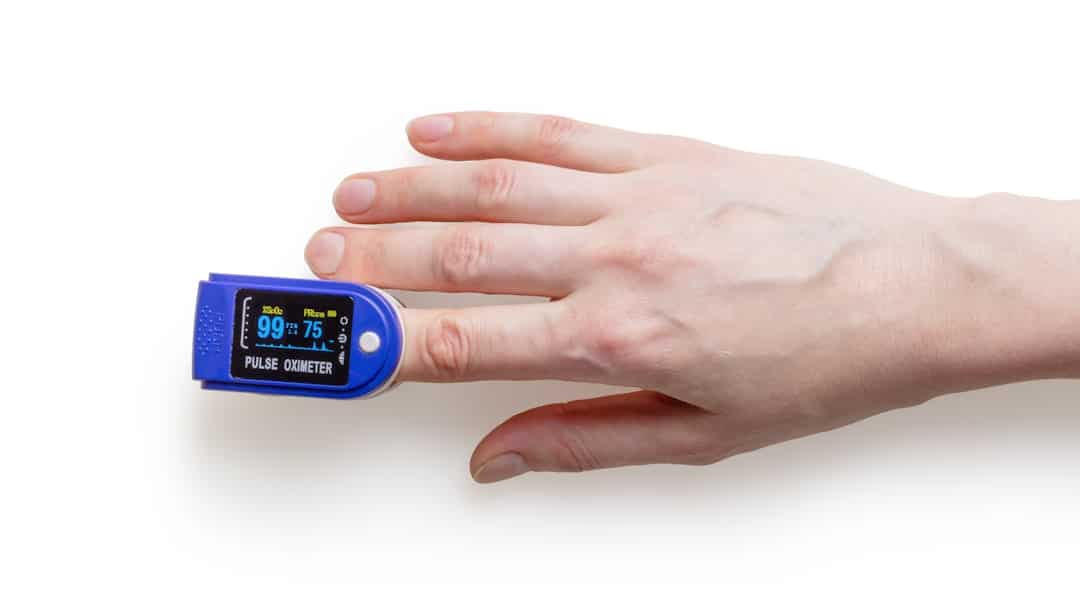
Blood pressure is a critical indicator of cardiovascular health, reflecting the force exerted by circulating blood against the walls of blood vessels. It is typically expressed in millimeters of mercury (mmHg) and is represented by two numbers: systolic and diastolic pressure. The systolic pressure, the first number, measures the pressure in the arteries when the heart beats, while the diastolic pressure, the second number, gauges the pressure in the arteries when the heart rests between beats.
A normal blood pressure reading is generally considered to be around 120/80 mmHg. However, variations can occur based on factors such as age, activity level, and overall health. Understanding blood pressure is essential because it serves as a vital sign of health.
Hypertension, or high blood pressure, is often referred to as a “silent killer” because it typically presents no symptoms until significant damage has occurred. Chronic hypertension can lead to severe health complications, including heart disease, stroke, kidney failure, and vision loss. Conversely, low blood pressure, or hypotension, can also pose risks, leading to dizziness, fainting, and shock in extreme cases.
Therefore, maintaining a healthy blood pressure range is crucial for overall well-being.
Key Takeaways
- Understanding Blood Pressure: Blood pressure is the force of blood against the walls of the arteries. It is measured in millimeters of mercury (mmHg) and consists of two numbers: systolic pressure (when the heart beats) and diastolic pressure (when the heart is at rest).
- Importance of Lowering Blood Pressure: High blood pressure can lead to serious health issues such as heart disease, stroke, and kidney disease. Lowering blood pressure can reduce the risk of these conditions and improve overall health.
- Quick Lifestyle Changes for Lowering Blood Pressure: Simple lifestyle changes such as reducing salt intake, quitting smoking, and limiting alcohol consumption can help lower blood pressure.
- Dietary Changes for Lowering Blood Pressure: Eating a diet rich in fruits, vegetables, whole grains, and lean proteins, and low in saturated fats and cholesterol can help lower blood pressure.
- Breathing Exercises for Lowering Blood Pressure: Deep breathing and relaxation techniques can help reduce stress and lower blood pressure. Practicing deep breathing for a few minutes each day can have a positive impact on blood pressure levels.
Importance of Lowering Blood Pressure
Lowering blood pressure is paramount for reducing the risk of cardiovascular diseases and enhancing overall health. High blood pressure can lead to a myriad of complications that affect various organs and systems in the body. For instance, it can cause damage to the arteries, making them less elastic and more prone to blockages.
This can result in coronary artery disease, where the heart’s blood supply is compromised, potentially leading to heart attacks. Furthermore, hypertension can strain the heart muscle itself, leading to conditions such as left ventricular hypertrophy and heart failure. In addition to cardiovascular risks, elevated blood pressure can adversely affect other vital organs.
The kidneys are particularly vulnerable; prolonged hypertension can lead to chronic kidney disease or even kidney failure. The eyes are not spared either; hypertensive retinopathy can result in vision impairment or blindness due to damage to the blood vessels in the retina. By lowering blood pressure through lifestyle changes and medical interventions, individuals can significantly reduce their risk of these serious health issues and improve their quality of life.
Quick Lifestyle Changes for Lowering Blood Pressure
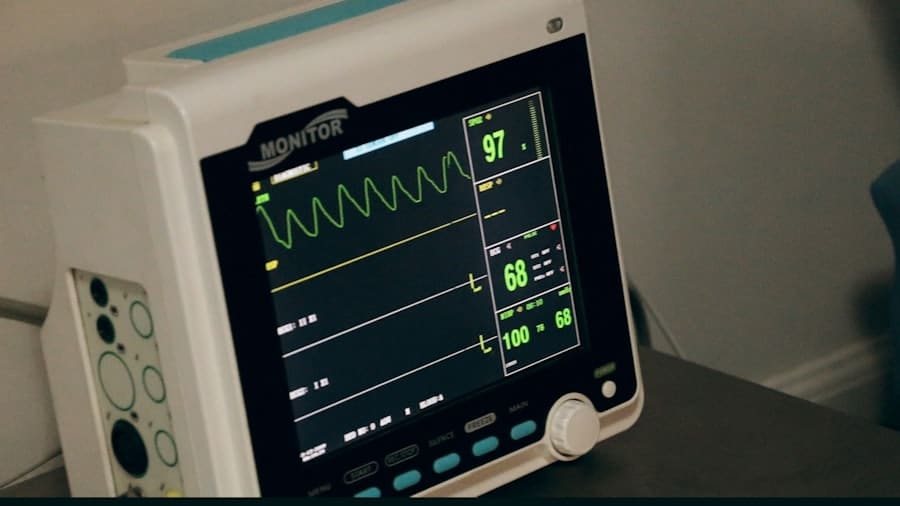
Making quick lifestyle changes can have an immediate impact on lowering blood pressure. One of the most effective strategies is to reduce sodium intake. The American Heart Association recommends limiting sodium consumption to no more than 2,300 mg per day, with an ideal limit of 1,500 mg for most adults.
This can be achieved by avoiding processed foods, which often contain high levels of salt, and opting for fresh ingredients instead. Reading food labels carefully can also help individuals make informed choices about their sodium intake. Another quick change involves increasing physical activity levels.
Engaging in regular exercise can help lower blood pressure by strengthening the heart and improving circulation. Even simple activities like walking briskly for 30 minutes a day can yield significant benefits. Incorporating more movement into daily routines—such as taking the stairs instead of the elevator or parking further away from store entrances—can also contribute to increased physical activity without requiring a complete overhaul of one’s schedule.
Dietary Changes for Lowering Blood Pressure
| Food | Effect on Blood Pressure |
|---|---|
| Fruits and Vegetables | Lower blood pressure due to high potassium and fiber content |
| Whole Grains | Help lower blood pressure and reduce risk of heart disease |
| Low-Fat Dairy Products | May help lower blood pressure |
| Lean Proteins | Can help lower blood pressure |
| Limiting Sodium | Reducing sodium intake can help lower blood pressure |
Diet plays a pivotal role in managing blood pressure levels. The DASH (Dietary Approaches to Stop Hypertension) diet is specifically designed to combat high blood pressure through nutritional choices. This diet emphasizes fruits, vegetables, whole grains, lean proteins, and low-fat dairy products while minimizing saturated fats and cholesterol.
For example, incorporating potassium-rich foods like bananas, sweet potatoes, and spinach can help counteract the effects of sodium and lower blood pressure. Moreover, adopting a Mediterranean-style diet has been shown to be beneficial for cardiovascular health. This diet includes healthy fats from sources like olive oil and nuts, along with plenty of fish and legumes.
Research indicates that individuals who follow this dietary pattern tend to have lower blood pressure levels compared to those who consume a typical Western diet high in processed foods and sugars. By making conscious dietary choices that prioritize whole foods over processed options, individuals can effectively manage their blood pressure.
Breathing Exercises for Lowering Blood Pressure
Breathing exercises are a powerful yet often overlooked tool for lowering blood pressure.
Techniques such as deep breathing or diaphragmatic breathing can activate the body’s relaxation response, reducing stress hormones that contribute to elevated blood pressure levels.
For instance, practicing deep breathing involves inhaling slowly through the nose for a count of four, holding the breath for a count of four, and then exhaling through the mouth for a count of six or eight.
This method not only calms the mind but also promotes better oxygenation throughout the body. Mindfulness meditation is another effective approach that incorporates controlled breathing techniques. Research has shown that regular mindfulness practice can lead to significant reductions in both systolic and diastolic blood pressure.
By focusing on the present moment and cultivating awareness of one’s breath and body sensations, individuals can create a sense of calm that counteracts stress-induced spikes in blood pressure. Integrating these breathing exercises into daily routines can provide a simple yet effective means of managing hypertension.
Stress Management Techniques for Lowering Blood Pressure
Chronic stress is a significant contributor to high blood pressure; therefore, implementing effective stress management techniques is crucial for maintaining healthy levels. One popular method is progressive muscle relaxation (PMR), which involves systematically tensing and then relaxing different muscle groups throughout the body. This technique not only helps alleviate physical tension but also promotes mental relaxation by encouraging individuals to focus on their bodies rather than their stressors.
Another effective strategy is engaging in hobbies or activities that bring joy and fulfillment. Whether it’s painting, gardening, or playing a musical instrument, immersing oneself in enjoyable activities can serve as a natural antidote to stress. Additionally, social support plays a vital role in stress management; spending time with friends and family or participating in community activities can foster connections that provide emotional support during challenging times.
By prioritizing stress reduction techniques, individuals can create a healthier environment for their cardiovascular system.
Physical Activity for Lowering Blood Pressure
Regular physical activity is one of the most effective ways to lower blood pressure and improve overall cardiovascular health. Engaging in aerobic exercises such as walking, jogging, cycling, or swimming can lead to significant reductions in both systolic and diastolic blood pressure readings. The American Heart Association recommends at least 150 minutes of moderate-intensity aerobic exercise per week for adults.
This could be broken down into manageable sessions—such as 30 minutes five times a week—making it easier for individuals to incorporate exercise into their daily lives. Strength training also plays an important role in managing blood pressure. Incorporating resistance exercises at least two days a week can enhance muscle strength and improve metabolic health.
Activities such as weight lifting or bodyweight exercises not only build muscle but also promote better insulin sensitivity and weight management—both of which are beneficial for maintaining healthy blood pressure levels. By combining aerobic exercise with strength training, individuals can create a comprehensive fitness routine that supports cardiovascular health.
Importance of Hydration for Lowering Blood Pressure
Hydration is often overlooked when discussing strategies for lowering blood pressure; however, it plays a crucial role in maintaining optimal cardiovascular function. Proper hydration helps ensure that blood volume remains stable and that the heart does not have to work harder than necessary to pump blood throughout the body. Dehydration can lead to thicker blood consistency, which may increase resistance in blood vessels and subsequently raise blood pressure levels.
Drinking adequate amounts of water throughout the day is essential for overall health; recommendations typically suggest around eight 8-ounce glasses (about 2 liters) daily for most adults. However, individual needs may vary based on factors such as activity level and climate conditions. Incorporating hydrating foods like fruits and vegetables into one’s diet can also contribute to overall fluid intake while providing essential nutrients that support cardiovascular health.
Natural Supplements for Lowering Blood Pressure
Natural supplements have gained popularity as adjuncts to lifestyle changes for managing high blood pressure. One well-researched supplement is omega-3 fatty acids found in fish oil; studies have shown that these fatty acids can help lower blood pressure by reducing inflammation and improving endothelial function—the ability of blood vessels to dilate properly. Consuming fatty fish like salmon or taking fish oil capsules may provide beneficial effects on cardiovascular health.
Another supplement worth considering is magnesium, which plays a vital role in regulating blood pressure by promoting relaxation of blood vessels. Foods rich in magnesium include leafy greens, nuts, seeds, and whole grains; however, magnesium supplements are also available for those who may not get enough through diet alone. Coenzyme Q10 (CoQ10) has also been studied for its potential benefits in lowering blood pressure; this antioxidant helps improve energy production within cells and may enhance heart function.
Before starting any supplement regimen, it’s essential to consult with a healthcare professional to ensure safety and efficacy.
Monitoring and Managing Medication for Lowering Blood Pressure
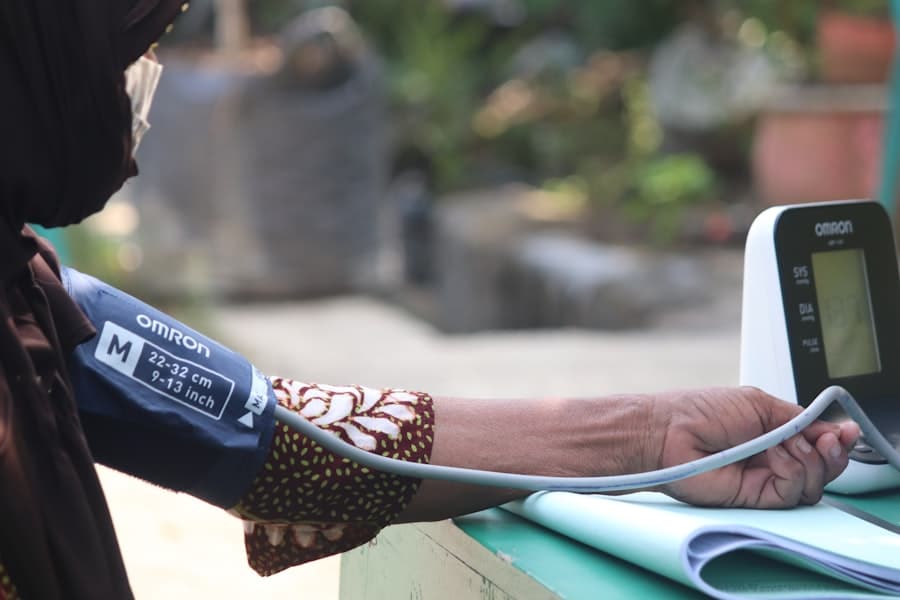
For many individuals with hypertension, lifestyle changes alone may not be sufficient to achieve target blood pressure levels; therefore, medication may be necessary as part of a comprehensive management plan. Various classes of antihypertensive medications exist—such as diuretics, ACE inhibitors, beta-blockers, calcium channel blockers, and angiotensin II receptor blockers—each working through different mechanisms to lower blood pressure effectively. Regular monitoring of blood pressure is crucial for those on medication; this allows individuals and healthcare providers to assess treatment effectiveness and make necessary adjustments over time.
Home monitoring devices are widely available and provide an easy way for patients to track their readings between doctor visits. It’s important for patients to communicate openly with their healthcare providers about any side effects experienced from medications or concerns regarding their treatment plan so that appropriate modifications can be made.
Seeking Professional Help for Lowering Blood Pressure
When lifestyle changes and self-management strategies do not yield desired results in lowering blood pressure, seeking professional help becomes imperative. Healthcare providers can offer personalized guidance based on individual health profiles and may recommend additional diagnostic tests to assess underlying causes of hypertension or related conditions such as sleep apnea or hormonal imbalances. In some cases, referral to specialists such as cardiologists or endocrinologists may be warranted for more complex cases of hypertension management.
These professionals can provide advanced treatment options or interventions tailored specifically to an individual’s needs. Additionally, participating in educational programs or support groups focused on hypertension management can empower individuals with knowledge and resources necessary for achieving better health outcomes.
By collaborating with healthcare professionals, individuals can take proactive steps toward effectively managing their blood pressure and enhancing their overall quality of life.
If you are looking for ways to improve your overall health, consider focusing on your gut health. A healthy gut can have a significant impact on your immune system and overall well-being. Check out this article on how to support a healthy gut to learn more about the immune biome and its importance. Taking care of your gut can also help with conditions like post-inflammatory hyperpigmentation (PIH). Understanding the causes and treatment options for PIH is crucial for maintaining healthy skin. For more information, read this article on PIH causes and treatment options. Additionally, if you are interested in enhancing your natural beauty, consider reading reviews on Nulastin for eyebrow and eyelash growth. Find out more about Nulastin and its benefits by checking out this article on Nulastin reviews.
FAQs
What is blood pressure?
Blood pressure is the force of blood against the walls of the arteries as the heart pumps it around the body. It is measured in millimeters of mercury (mmHg) and is recorded as two numbers – systolic pressure (when the heart beats) over diastolic pressure (when the heart is at rest).
What is considered high blood pressure?
High blood pressure, also known as hypertension, is when the force of blood against the artery walls is consistently too high. A normal blood pressure reading is typically around 120/80 mmHg. High blood pressure is usually defined as 140/90 mmHg or higher.
How can I lower my blood pressure quickly?
To lower blood pressure quickly, you can try techniques such as deep breathing, relaxation exercises, reducing sodium intake, increasing potassium intake, exercising regularly, and managing stress. It’s important to consult with a healthcare professional before making any significant changes to your lifestyle or starting a new exercise regimen.
Can I lower my blood pressure without medication?
Yes, lifestyle changes such as maintaining a healthy diet, exercising regularly, managing stress, and reducing sodium intake can help lower blood pressure without the need for medication. However, it’s important to work with a healthcare professional to develop a personalized plan for managing blood pressure.
How quickly can I expect to see results from lifestyle changes to lower blood pressure?
The time it takes to see results from lifestyle changes to lower blood pressure can vary from person to person. Some individuals may see a decrease in blood pressure within a few weeks of making changes, while others may take longer. It’s important to be patient and consistent with lifestyle modifications and to monitor blood pressure regularly.