
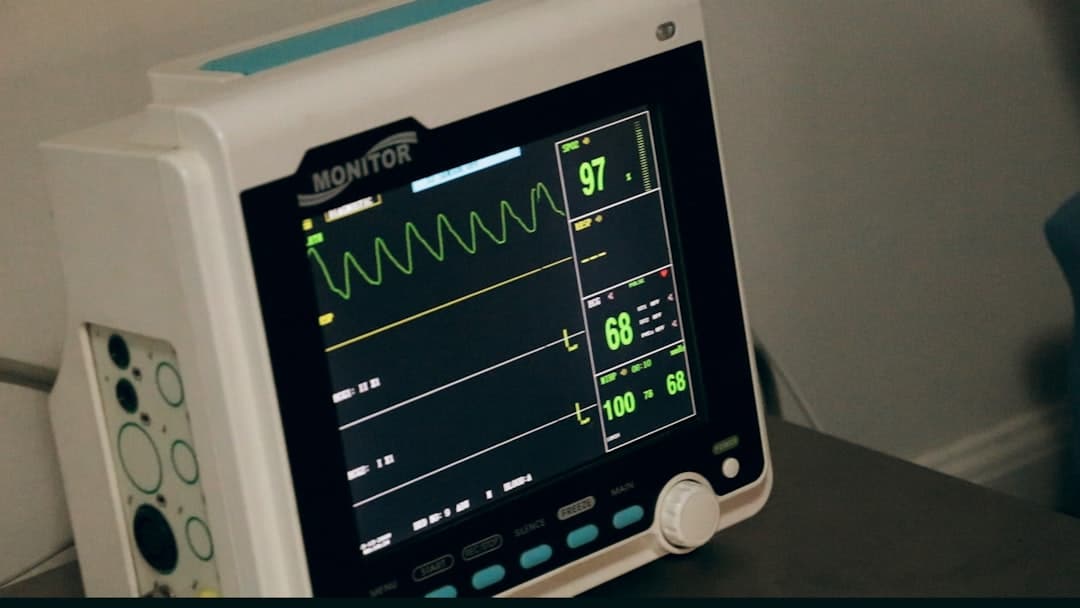
Hypertension, commonly referred to as high blood pressure, is a chronic medical condition characterized by elevated pressure in the arteries. Blood pressure is measured in millimeters of mercury (mmHg) and is expressed with two numbers: systolic pressure (the pressure in the arteries when the heart beats) over diastolic pressure (the pressure in the arteries when the heart rests between beats). A normal blood pressure reading is typically around 120/80 mmHg.
When blood pressure consistently exceeds 130/80 mmHg, it is classified as hypertension. This condition can be primary (essential), where no specific cause can be identified, or secondary, resulting from underlying health issues such as kidney disease or hormonal disorders. The significance of hypertension cannot be overstated, as it is often dubbed the “silent killer.” Many individuals with high blood pressure experience no symptoms, which can lead to a lack of awareness and untreated conditions.
Over time, uncontrolled hypertension can lead to severe health complications, including heart disease, stroke, kidney failure, and vision loss. The World Health Organization estimates that hypertension affects approximately 1.13 billion people worldwide, making it a major public health concern. Understanding the mechanisms behind hypertension, its risk factors, and its potential consequences is crucial for effective management and prevention.
Key Takeaways
- Hypertension is a condition characterized by high blood pressure, which can lead to serious health complications if left untreated.
- Lifestyle changes such as maintaining a healthy weight, reducing sodium intake, and quitting smoking can help manage hypertension.
- Dietary recommendations for hypertension control include consuming a diet rich in fruits, vegetables, whole grains, and lean proteins, while limiting processed and high-sodium foods.
- Regular exercise, including aerobic and strength training, is important for managing hypertension and improving overall cardiovascular health.
- Stress management techniques such as meditation, deep breathing, and yoga can help reduce blood pressure and improve overall well-being.
Lifestyle Changes for Managing Hypertension
Managing hypertension often begins with lifestyle modifications that can significantly impact blood pressure levels. One of the most effective changes is adopting a healthier diet. This includes reducing sodium intake, as excessive salt consumption can lead to fluid retention and increased blood pressure.
The American Heart Association recommends limiting sodium to less than 2,300 mg per day, with an ideal limit of 1,500 mg for most adults.
Additionally, incorporating more fruits, vegetables, whole grains, and lean proteins into one’s diet can provide essential nutrients that support cardiovascular health. Another critical lifestyle change involves maintaining a healthy weight.
Obesity is a significant risk factor for hypertension, as excess body fat can contribute to increased blood volume and arterial stiffness. Engaging in regular physical activity not only aids in weight management but also helps lower blood pressure directly. Activities such as walking, cycling, swimming, or even gardening can be beneficial.
The Centers for Disease Control and Prevention (CDC) recommends at least 150 minutes of moderate-intensity aerobic exercise each week for adults. By making these lifestyle adjustments, individuals can take proactive steps toward controlling their blood pressure and improving their overall health.
Dietary Recommendations for Hypertension Control

Diet plays a pivotal role in managing hypertension, and specific dietary patterns have been shown to be particularly effective. The Dietary Approaches to Stop Hypertension (DASH) diet is one such plan that emphasizes the consumption of nutrient-rich foods while minimizing sodium intake. The DASH diet encourages the intake of fruits, vegetables, whole grains, low-fat dairy products, lean meats, fish, nuts, and legumes.
This diet is rich in potassium, magnesium, and calcium—minerals that are known to help regulate blood pressure. In addition to following the DASH diet, individuals should be mindful of their alcohol consumption. Excessive alcohol intake can raise blood pressure levels and contribute to weight gain.
The American Heart Association advises limiting alcohol to no more than one drink per day for women and two drinks per day for men. Furthermore, it is essential to stay hydrated with water rather than sugary beverages or excessive caffeine, which can also impact blood pressure levels negatively. By adhering to these dietary recommendations, individuals can create a balanced eating plan that supports their efforts in managing hypertension effectively.
Importance of Regular Exercise
| Metrics | Importance |
|---|---|
| Physical Health | Improves cardiovascular health, reduces risk of chronic diseases |
| Mental Health | Reduces stress, anxiety, and depression, improves mood and cognitive function |
| Weight Management | Helps maintain a healthy weight and reduce body fat |
| Energy Levels | Increases energy and stamina |
| Quality of Sleep | Improves sleep quality and duration |
Regular physical activity is a cornerstone of hypertension management and overall cardiovascular health. Exercise helps lower blood pressure by improving heart efficiency and promoting better blood flow throughout the body. Aerobic exercises such as brisk walking, jogging, swimming, or cycling are particularly effective in reducing systolic and diastolic blood pressure readings.
Engaging in these activities for at least 30 minutes most days of the week can lead to significant improvements in blood pressure control. Moreover, exercise has additional benefits beyond lowering blood pressure. It aids in weight management, reduces stress levels, and improves overall mood through the release of endorphins.
Resistance training is also beneficial; incorporating strength training exercises at least twice a week can enhance muscle mass and metabolic rate. This combination of aerobic and strength training not only helps manage hypertension but also contributes to long-term health benefits such as reduced risk of heart disease and improved quality of life.
Stress Management Techniques
Chronic stress is a well-documented contributor to elevated blood pressure levels. When individuals experience stress, the body releases hormones such as adrenaline and cortisol that temporarily increase heart rate and constrict blood vessels—both of which can lead to higher blood pressure. Therefore, implementing effective stress management techniques is crucial for those looking to control their hypertension.
Mindfulness practices such as meditation and deep-breathing exercises have been shown to reduce stress and promote relaxation. These techniques encourage individuals to focus on the present moment and cultivate a sense of calmness. Additionally, engaging in hobbies or activities that bring joy—such as painting, gardening, or playing music—can serve as effective outlets for stress relief.
Regular social interactions with friends and family also play a vital role in emotional well-being; fostering strong relationships can provide support during challenging times and help mitigate stress levels.
Medication Management for Hypertension
For many individuals with hypertension, lifestyle changes alone may not be sufficient to achieve optimal blood pressure control. In such cases, healthcare providers may prescribe antihypertensive medications to help manage the condition effectively. There are several classes of medications available, including diuretics (which help eliminate excess fluid), ACE inhibitors (which relax blood vessels), calcium channel blockers (which reduce heart workload), and beta-blockers (which lower heart rate).
The choice of medication often depends on individual health profiles and any coexisting medical conditions. It is essential for patients to adhere to their prescribed medication regimens consistently. Missing doses or discontinuing medication without consulting a healthcare provider can lead to uncontrolled hypertension and increase the risk of serious complications.
Regular follow-up appointments are necessary to monitor blood pressure levels and assess the effectiveness of the treatment plan. Adjustments may be needed based on individual responses to medication or any side effects experienced.
Monitoring and Tracking Blood Pressure
Regular monitoring of blood pressure is a critical component of managing hypertension effectively. Individuals are encouraged to check their blood pressure at home using an automated sphygmomanometer or visit their healthcare provider for routine assessments. Keeping a log of blood pressure readings can help identify patterns or triggers that may affect blood pressure levels over time.
Home monitoring allows individuals to take an active role in their health management by providing immediate feedback on how lifestyle changes or medications are impacting their blood pressure. It also empowers patients to communicate more effectively with their healthcare providers during appointments by presenting accurate data regarding their condition. Consistent tracking can lead to timely interventions if blood pressure readings become concerning.
Importance of Regular Doctor Visits
Regular visits to healthcare providers are essential for anyone managing hypertension. These appointments provide opportunities for comprehensive evaluations of an individual’s overall health status and allow for adjustments in treatment plans as needed. During these visits, healthcare providers can assess not only blood pressure levels but also other risk factors such as cholesterol levels, kidney function, and overall cardiovascular health.
Additionally, healthcare providers can offer valuable education on managing hypertension effectively through lifestyle changes and medication adherence. They can address any concerns or questions patients may have regarding their condition or treatment options. Establishing a strong partnership with healthcare professionals fosters an environment where patients feel supported in their journey toward better health.
Managing hypertension requires special considerations for certain populations due to unique physiological changes or health risks associated with these groups. For instance, pregnant women may experience gestational hypertension or preeclampsia—a condition characterized by high blood pressure that can pose risks to both mother and baby. In such cases, close monitoring by healthcare providers is crucial to ensure both maternal and fetal well-being.
Elderly individuals also face distinct challenges when managing hypertension due to age-related changes in vascular health and potential comorbidities such as diabetes or kidney disease. Medications may need to be adjusted based on kidney function or other age-related factors.
Additionally, older adults may benefit from tailored exercise programs that consider mobility limitations while still promoting cardiovascular health.
Potential Complications of Untreated Hypertension
The consequences of untreated hypertension can be dire and far-reaching. Chronic high blood pressure places excessive strain on the heart and arteries over time, leading to serious complications such as heart disease—one of the leading causes of death globally. Hypertension can cause the heart muscle to thicken (left ventricular hypertrophy), increasing the risk of heart failure.
Moreover, untreated hypertension significantly raises the likelihood of stroke due to damage to blood vessels in the brain. It can also lead to kidney damage by impairing renal function over time, resulting in chronic kidney disease or even kidney failure requiring dialysis or transplantation. Vision loss due to hypertensive retinopathy is another potential complication that underscores the importance of early detection and management of high blood pressure.
Building a Support System for Hypertension Control
Establishing a robust support system is vital for individuals managing hypertension effectively. Support from family members and friends can provide encouragement during lifestyle changes and help individuals stay accountable for their health goals. Engaging in group activities such as exercise classes or support groups focused on hypertension management fosters a sense of community among those facing similar challenges.
Additionally, healthcare providers play a crucial role in this support system by offering guidance and resources tailored to individual needs. Educational materials about hypertension management can empower patients with knowledge about their condition while reinforcing the importance of adherence to treatment plans. By building a comprehensive support network that includes loved ones and healthcare professionals, individuals can enhance their ability to manage hypertension successfully while improving their overall quality of life.
If you are looking for natural ways to control hypertension, you may want to consider incorporating Manna Shilajit into your wellness routine. This ancient Ayurvedic herb has been used for centuries to promote overall health and energy levels. To learn more about the benefits of Manna Shilajit, check out this informative article here.
FAQs
What is hypertension?
Hypertension, also known as high blood pressure, is a condition in which the force of the blood against the artery walls is consistently too high.
What are the risk factors for hypertension?
Risk factors for hypertension include age, family history, being overweight or obese, lack of physical activity, high salt intake, excessive alcohol consumption, and chronic stress.
How can hypertension be controlled?
Hypertension can be controlled through lifestyle changes such as maintaining a healthy diet, engaging in regular physical activity, managing stress, limiting alcohol consumption, and avoiding tobacco use. In some cases, medication may also be necessary.
What are the complications of uncontrolled hypertension?
Uncontrolled hypertension can lead to serious health complications such as heart disease, stroke, kidney damage, vision loss, and cognitive decline.
How often should blood pressure be monitored?
It is recommended to have blood pressure checked at least once every two years for adults with normal blood pressure. For those with high blood pressure or other risk factors, more frequent monitoring may be necessary.
Can hypertension be cured?
Hypertension is a chronic condition that cannot be cured, but it can be effectively managed through lifestyle changes and, if necessary, medication.