
In recent years, the desire for a bigger, firmer butt has become a prominent fitness goal for many of us. This trend is not merely about aesthetics; it also reflects a growing awareness of the importance of strong glute muscles for overall health and functionality. As we embark on this journey, we recognize that building a well-rounded posterior requires dedication, knowledge, and a strategic approach.
We are not just looking to enhance our appearance; we are also aiming to improve our strength, stability, and athletic performance. The quest for a firmer butt is multifaceted. It involves understanding the anatomy of the glutes, the types of exercises that effectively target these muscles, and the nutritional strategies that support muscle growth.
By committing to this goal, we can transform not only our bodies but also our confidence and self-image. As we delve deeper into the various aspects of butt-building, we will uncover the essential components that contribute to achieving our desired results.
Key Takeaways
- Building a bigger, firmer butt requires targeted exercises and proper nutrition.
- Targeted butt exercises are important for maximizing results and achieving a firmer butt.
- Incorporating resistance training is crucial for building a bigger and firmer butt.
- Cardio plays a role in achieving a bigger butt by burning fat and toning muscles.
- Proper nutrition is essential to support butt growth and maximize results.
The Importance of Targeted Butt Exercises
Targeted Exercises for Muscle Growth and Performance
Targeted exercises not only help in muscle growth but also improve our overall athletic performance and reduce the risk of injury. Incorporating a variety of targeted butt exercises into our routine is crucial for balanced development. We should aim to include movements that emphasize both hip extension and abduction, as these actions are fundamental to glute activation.
Importance of Glute Activation
By understanding the importance of these exercises, we can create a well-rounded workout plan that promotes muscle hypertrophy and enhances our physical capabilities.
Creating a Well-Rounded Workout Plan
Best Butt-Building Exercises for Maximum Results
When it comes to building a bigger butt, certain exercises stand out as particularly effective. Squats are often hailed as one of the best movements for glute development. Whether we opt for bodyweight squats or add resistance with dumbbells or barbells, this compound exercise engages multiple muscle groups while placing significant emphasis on the glutes.
Variations such as sumo squats or Bulgarian split squats can further target different areas of the glutes, allowing us to sculpt our desired shape. Deadlifts are another powerhouse exercise for butt building. This movement not only strengthens the glutes but also engages the hamstrings and lower back.
By incorporating different deadlift variations—such as conventional, sumo, or Romanian—we can challenge our muscles in new ways and promote growth. Additionally, hip thrusts have gained popularity for their ability to isolate the glutes effectively. By performing hip thrusts with proper form and adequate resistance, we can achieve impressive results in our quest for a firmer backside.
Incorporating Resistance Training for a Firmer Butt
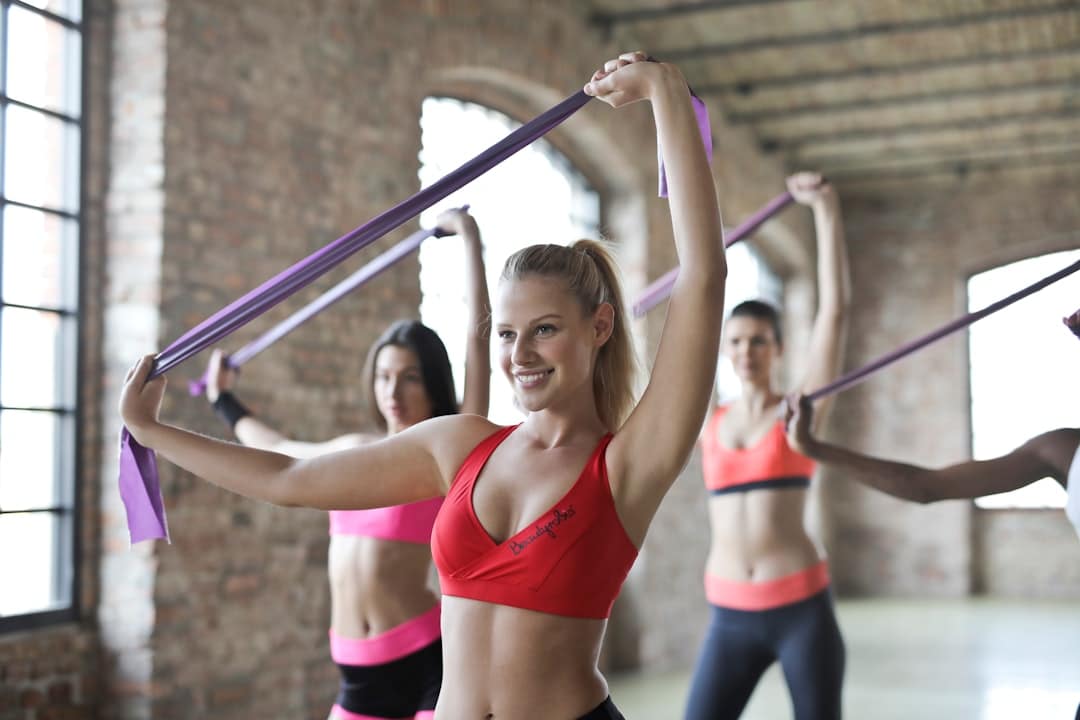
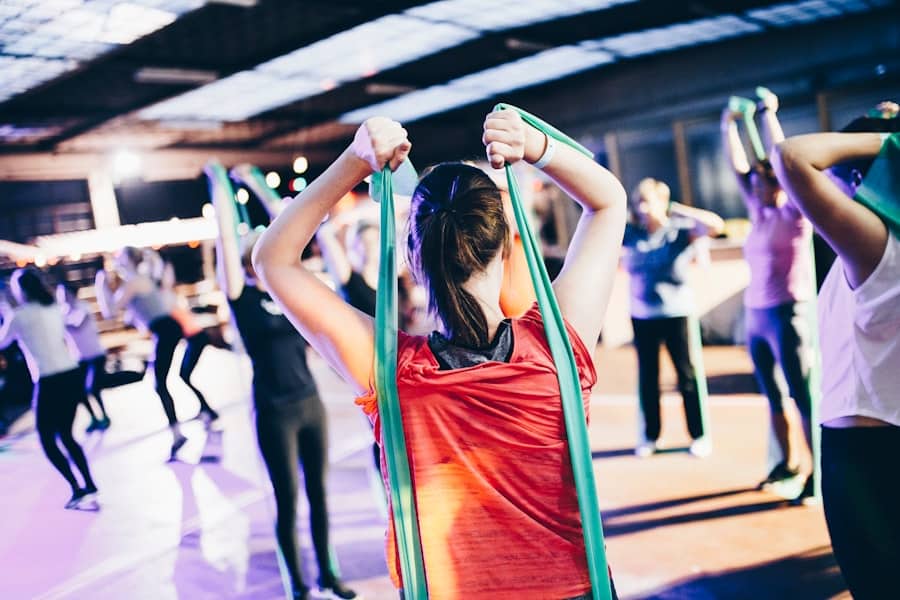
Resistance training is a cornerstone of any effective butt-building program. By utilizing weights or resistance bands, we can create the necessary stimulus for muscle growth. As we progressively increase the load over time, our glute muscles will adapt and grow stronger.
This principle of progressive overload is essential for achieving our desired results. Incorporating resistance training into our routine also allows us to target different aspects of glute development. For instance, we can focus on strength-building exercises like squats and deadlifts while also including accessory movements such as glute bridges and lateral band walks.
This combination ensures that we are not only building size but also enhancing muscle endurance and stability. As we commit to regular resistance training, we will notice significant improvements in both our physique and functional strength.
The Role of Cardio in Achieving a Bigger Butt
While resistance training is vital for building muscle, we should not overlook the role of cardiovascular exercise in our overall fitness journey. Cardio can help us maintain a healthy body composition, which is essential for showcasing our hard-earned gains. However, it’s important to strike a balance between cardio and strength training to ensure that we are not sacrificing muscle mass in pursuit of fat loss.
Incorporating low-impact cardio options such as cycling or swimming can be beneficial for those of us looking to preserve muscle while still reaping the cardiovascular benefits. High-intensity interval training (HIIT) can also be an effective way to burn calories while maintaining muscle mass. By strategically integrating cardio into our routine, we can support our goals of achieving a bigger butt without compromising our strength training efforts.
Strategies for Proper Nutrition to Support Butt Growth
Nutrition plays a pivotal role in supporting our butt-building endeavors. To promote muscle growth, we must ensure that we are consuming enough protein to facilitate recovery and repair. Incorporating lean protein sources such as chicken, fish, legumes, and dairy into our meals will provide the necessary building blocks for muscle development.
In addition to protein, we should focus on consuming a balanced diet rich in healthy fats and complex carbohydrates. Healthy fats from sources like avocados, nuts, and olive oil can support hormone production and overall health, while complex carbohydrates provide the energy needed for intense workouts. By fueling our bodies with nutrient-dense foods, we can optimize our performance in the gym and support our goals of achieving a firmer backside.
The Benefits of Incorporating Plyometric Exercises
Plyometric exercises offer an exciting way to enhance our butt-building routine by adding explosive movements that engage the glutes in unique ways. These high-intensity exercises not only improve power and speed but also promote muscle growth through dynamic contractions. Movements such as jump squats, box jumps, and burpees can elevate our heart rate while simultaneously targeting the glutes.
Incorporating plyometrics into our workouts can also improve our overall athletic performance. The explosive nature of these exercises enhances coordination and agility, making us more efficient in various physical activities. As we challenge ourselves with plyometric movements, we will not only see improvements in our glute strength but also experience increased overall fitness levels.
How to Incorporate Isolation Exercises for Butt Growth
While compound movements are essential for building overall strength, isolation exercises play a crucial role in targeting specific areas of the glutes. Exercises such as cable kickbacks, clamshells, and single-leg glute bridges allow us to focus on activating the glute muscles without engaging other muscle groups excessively. By incorporating these isolation exercises into our routine, we can ensure that every part of our glutes is being worked effectively.
To maximize the benefits of isolation exercises, we should pay close attention to form and technique. Slow and controlled movements will help us establish a strong mind-muscle connection, allowing us to feel the targeted muscles working throughout each repetition. By dedicating time to isolation exercises alongside compound movements, we can achieve balanced growth and sculpt the perfect backside.
The Importance of Rest and Recovery for Butt Growth
As we push ourselves in the gym to build a bigger butt, it’s essential to remember that rest and recovery are just as important as the workouts themselves. Our muscles need time to repair and grow after intense training sessions; without adequate rest, we risk overtraining and injury. Scheduling rest days into our routine allows our bodies to recover fully and come back stronger.
In addition to taking rest days, incorporating active recovery techniques such as stretching or yoga can enhance flexibility and promote blood flow to the muscles. This approach not only aids in recovery but also helps prevent stiffness and soreness after workouts. By prioritizing rest and recovery, we set ourselves up for long-term success in achieving our butt-building goals.
Tips for Maintaining Consistency in Butt-Building Workouts
Consistency is key when it comes to achieving any fitness goal, including building a bigger butt.
To maintain motivation and adherence to our workout routine, we should set realistic goals and track our progress over time.
Keeping a workout journal or using fitness apps can help us stay accountable and celebrate small victories along the way.
Additionally, finding a workout buddy or joining group classes can provide social support and encouragement as we work towards our goals together. By creating a positive environment around our fitness journey, we can foster consistency and make butt-building workouts an enjoyable part of our lives.
The Role of Mind-Muscle Connection in Maximizing Butt Growth
Finally, one of the most critical aspects of effective butt-building workouts is establishing a strong mind-muscle connection. This concept refers to our ability to consciously engage and focus on the targeted muscles during each exercise. By concentrating on feeling the glutes work throughout each movement, we can enhance activation and promote greater muscle growth.
To develop this connection, we should take time during workouts to visualize the muscles being engaged and practice proper form with each repetition. Slowing down movements can also help us focus on quality over quantity, ensuring that we are maximizing every rep for optimal results. By cultivating this mind-muscle connection, we will unlock new levels of growth and strength in our quest for a firmer backside.
In conclusion, building a bigger, firmer butt requires a comprehensive approach that encompasses targeted exercises, resistance training, proper nutrition, rest, and mental focus. By committing ourselves to this journey with dedication and consistency, we can achieve remarkable results that enhance both our physical appearance and overall well-being.
If you’re looking to improve your overall health and wellness, it’s important to address any skin concerns you may have. One common issue that many people face is folliculitis, which can be uncomfortable and unsightly. To learn more about the types, treatment options, and prevention of folliculitis, check out this informative article on Folliculitis: Types, Treatment Options, and Prevention. Taking care of your skin is an essential part of self-care, so be sure to explore unbiased reviews on skincare products like Revive to find the best options for your skin type. And if you’re dealing with a more serious skin condition like eczema, psoriasis, or atopic dermatitis, consider exploring treatment options like Olumiant. Learn more about patient enrollment and how Olumiant can help by checking out the Olumiant Together Enrollment Form and Patient Enrollment Guide. Prioritizing your skin health is just as important as working on your fitness goals, so be sure to take care of your body inside and out.
FAQs
What are some effective exercises for a bigger, firmer butt?
Some effective exercises for a bigger, firmer butt include squats, lunges, hip thrusts, deadlifts, and glute bridges. These exercises target the glute muscles and can help increase their size and firmness.
How often should I do butt exercises to see results?
To see results in your butt size and firmness, it is recommended to do butt exercises at least 2-3 times per week. Consistency and progressive overload are key factors in seeing results.
Are there any specific strategies to maximize butt growth?
To maximize butt growth, it is important to focus on progressive overload by gradually increasing the weight, reps, or sets of your butt exercises. Additionally, ensuring proper nutrition and adequate rest are also important for muscle growth.
Can I target just my butt for growth and firmness?
While it is not possible to spot reduce or spot increase fat in specific areas of the body, it is possible to target the glute muscles for growth and firmness through specific exercises and training strategies.
Are there any other factors that can contribute to butt growth and firmness?
In addition to exercise, factors such as adequate protein intake, sufficient calorie intake, and overall body fat percentage can also contribute to butt growth and firmness. Genetics can also play a role in the shape and size of the butt.