

When we think about our daily caloric expenditure, we are essentially considering the total number of calories our bodies burn in a day. This figure is crucial for anyone looking to manage their weight, whether that means losing, gaining, or maintaining it. Daily caloric expenditure encompasses all the energy we use throughout the day, including everything from basic bodily functions to physical activities.
By understanding this concept, we can make more informed decisions about our diets and exercise routines. Our daily caloric expenditure can be broken down into several components: basal metabolic rate (BMR), physical activity, and the thermic effect of food. Each of these elements plays a significant role in determining how many calories we burn daily.
By grasping the intricacies of these components, we can better tailor our lifestyle choices to meet our health and fitness goals. It’s not just about counting calories; it’s about understanding how our bodies utilize energy and how we can optimize that process.
Key Takeaways
- Daily caloric expenditure is the amount of energy a person uses in a day, including activities and bodily functions.
- Factors such as age, gender, body composition, and genetics can affect daily caloric expenditure.
- Basal Metabolic Rate (BMR) accounts for the largest portion of daily caloric expenditure and is the energy the body needs at rest.
- Physical activity significantly impacts daily caloric expenditure, with more intense activities burning more calories.
- The thermic effect of food refers to the energy used to digest, absorb, and process nutrients, contributing to daily caloric expenditure.
Factors that Affect Daily Caloric Expenditure
Several factors influence our daily caloric expenditure, and recognizing these can help us understand why our individual needs may differ. One of the most significant factors is our age. As we grow older, our metabolism tends to slow down, leading to a decrease in BMR.
This means that even if we maintain the same level of physical activity, we may burn fewer calories simply due to the natural aging process. Additionally, gender plays a role; typically, men have a higher BMR than women due to greater muscle mass. Another critical factor is body composition.
Muscle tissue burns more calories at rest compared to fat tissue, so individuals with a higher percentage of muscle will generally have a higher daily caloric expenditure. Genetics also come into play, as some people are naturally predisposed to have faster metabolisms than others. Lastly, environmental factors such as climate can affect caloric expenditure; for instance, our bodies may burn more calories in colder temperatures as they work to maintain a stable internal temperature.
The Role of Basal Metabolic Rate (BMR) in Daily Caloric Expenditure
Basal metabolic rate (BMR) is often considered the cornerstone of daily caloric expenditure. It represents the number of calories our bodies require to maintain basic physiological functions while at rest, such as breathing, circulation, and cell production. Understanding BMR is essential because it accounts for a significant portion of our total daily energy expenditure—often around 60-75%.
By knowing our BMR, we can better estimate how many calories we need to consume to maintain or alter our weight. Calculating BMR involves several factors, including age, gender, weight, and height. Various equations exist to estimate BMR, such as the Harris-Benedict equation or the Mifflin-St Jeor equation. Once we have an accurate BMR figure, we can use it as a foundation for determining our total daily caloric needs by adding in calories burned through physical activity and the thermic effect of food. This understanding allows us to create a more tailored approach to our nutrition and exercise plans.
Physical Activity and its Impact on Daily Caloric Expenditure
| Physical Activity Level | Daily Caloric Expenditure (kcal) |
|---|---|
| Sedentary (little to no exercise) | 1.2 x BMR |
| Lightly active (light exercise/sports 1-3 days/week) | 1.375 x BMR |
| Moderately active (moderate exercise/sports 3-5 days/week) | 1.55 x BMR |
| Very active (hard exercise/sports 6-7 days a week) | 1.725 x BMR |
| Extra active (very hard exercise/sports & physical job or training twice a day) | 1.9 x BMR |
Physical activity is another vital component of daily caloric expenditure that we cannot overlook. The energy we expend during exercise varies significantly based on the type, intensity, and duration of the activity. For instance, high-intensity workouts like sprinting or weightlifting typically burn more calories in a shorter amount of time compared to low-intensity activities like walking or yoga.
By incorporating a variety of physical activities into our routines, we can maximize our caloric burn and improve overall fitness. Moreover, the frequency and consistency of our physical activity play crucial roles in determining how many calories we burn daily. Engaging in regular exercise not only increases immediate caloric expenditure but can also elevate our BMR over time by promoting muscle growth.
This means that as we build muscle through consistent training, we may find ourselves burning more calories even when at rest. Therefore, making physical activity a regular part of our lives is essential for optimizing daily caloric expenditure.
The Thermic Effect of Food and Daily Caloric Expenditure
The thermic effect of food (TEF) is another important aspect of daily caloric expenditure that often goes unnoticed. TEF refers to the energy required for digestion, absorption, and metabolism of the nutrients in the food we consume. On average, TEF accounts for about 10% of our total daily energy expenditure.
However, this percentage can vary depending on the macronutrient composition of our meals; for example, protein has a higher thermic effect compared to carbohydrates and fats. Understanding TEF can help us make more strategic dietary choices that align with our caloric goals. By incorporating more protein-rich foods into our diets, we can potentially increase our overall caloric expenditure through digestion alone.
Additionally, being mindful of meal timing and portion sizes can further optimize TEF and contribute to effective weight management strategies.
How to Calculate Daily Caloric Expenditure

Calculating daily caloric expenditure involves several steps that take into account BMR, physical activity levels, and TEF. First, we need to determine our BMR using one of the established equations mentioned earlier. Once we have that figure, we can assess our activity level—ranging from sedentary to very active—and apply an appropriate multiplier to estimate total daily energy expenditure (TDEE).
This multiplier varies based on how much physical activity we engage in on a regular basis. After calculating TDEE, we can factor in TEF by estimating the percentage based on our macronutrient intake. For instance, if we consume a diet high in protein, we might expect a slightly higher TEF than if we were consuming primarily carbohydrates or fats.
By combining these calculations, we arrive at a comprehensive understanding of our daily caloric expenditure, which serves as a valuable tool for managing our dietary habits and fitness goals.
Using Technology to Track Daily Caloric Expenditure
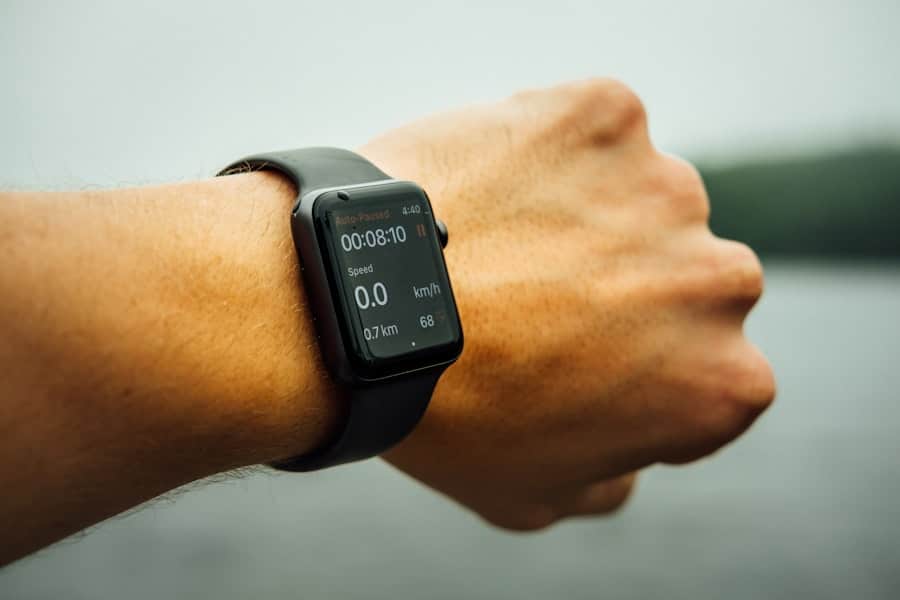
In today’s digital age, technology has made tracking daily caloric expenditure more accessible than ever before. Numerous apps and devices are available that allow us to monitor our calorie intake and expenditure with ease. Fitness trackers can provide real-time data on physical activity levels and even estimate calories burned throughout the day based on heart rate and movement patterns.
These tools empower us to take control of our health by providing insights into our habits. Moreover, many nutrition apps enable us to log our meals and track macronutrient intake effortlessly. By inputting what we eat throughout the day, we can gain a clearer picture of how our dietary choices impact our overall caloric balance.
This combination of tracking physical activity and food intake allows us to make informed adjustments to achieve our health goals more effectively.
Strategies for Increasing Daily Caloric Expenditure
If we aim to increase our daily caloric expenditure, there are several strategies we can implement into our routines. One effective approach is to incorporate more movement into our daily lives—this could mean taking the stairs instead of the elevator or going for short walks during breaks at work. Small changes like these can add up over time and significantly boost overall calorie burn.
Additionally, engaging in strength training exercises can be particularly beneficial for increasing BMR over time. By building muscle mass through resistance training, we enhance our resting metabolic rate, which means we’ll burn more calories even when not exercising. Combining strength training with cardiovascular workouts creates a well-rounded fitness regimen that maximizes caloric expenditure while promoting overall health.
The Importance of Daily Caloric Expenditure in Weight Management
Understanding daily caloric expenditure is paramount for effective weight management. To lose weight, we must create a calorie deficit—burning more calories than we consume—while gaining weight requires a surplus. By accurately assessing our daily caloric needs through BMR and TDEE calculations, we can develop realistic goals that align with our desired outcomes.
Moreover, maintaining awareness of daily caloric expenditure helps us avoid common pitfalls associated with weight management. For instance, many people underestimate their calorie intake or overestimate their physical activity levels, leading to frustration when results don’t align with expectations. By having a clear understanding of how many calories we burn each day, we can make more informed choices that support sustainable weight management.
Common Misconceptions about Daily Caloric Expenditure
Despite its importance in health and fitness discussions, several misconceptions about daily caloric expenditure persist. One common myth is that all calories are created equal; however, the source of those calories matters significantly when it comes to metabolism and overall health. For example, 100 calories from a sugary snack will affect our bodies differently than 100 calories from whole foods rich in nutrients.
Another misconception is that simply increasing physical activity will lead to significant weight loss without considering dietary habits. While exercise is undoubtedly beneficial for overall health and can aid in weight management, it must be paired with mindful eating practices for optimal results. Understanding these nuances helps us navigate the complexities of caloric expenditure more effectively.
Seeking Professional Guidance for Determining Daily Caloric Expenditure
For those who find themselves overwhelmed by the intricacies of calculating daily caloric expenditure or who have specific health goals in mind, seeking professional guidance can be invaluable.
Registered dietitians or certified nutritionists can provide personalized assessments based on individual needs and lifestyles.
They can help us navigate dietary choices while considering factors like medical history and personal preferences.
Additionally, fitness professionals can offer tailored exercise programs designed to maximize caloric expenditure while aligning with personal fitness levels and goals. By collaborating with experts in nutrition and fitness, we can create comprehensive plans that support sustainable health outcomes while demystifying the complexities surrounding daily caloric expenditure. In conclusion, understanding daily caloric expenditure is essential for anyone looking to manage their weight effectively or improve their overall health.
By considering factors such as BMR, physical activity levels, and dietary choices—along with utilizing technology for tracking—we can make informed decisions that align with our goals. With the right knowledge and strategies in place, we empower ourselves to take control of our health journey.
If you are looking to improve your overall health and wellness, it’s important to not only consider how many calories you burn in a day but also to focus on other aspects of self-care. One way to enhance your self-care routine is by exploring effective laser hair removal services in Bloomington, IL. This article on laser hair removal services can provide valuable information on how to achieve smooth and hair-free skin. Taking care of your physical appearance can boost your confidence and contribute to a healthier lifestyle.
FAQs
What factors determine the number of calories burned in a day?
The number of calories burned in a day is determined by factors such as age, gender, weight, muscle mass, physical activity level, and metabolism.
How can I calculate the number of calories I burn in a day?
You can calculate the number of calories you burn in a day by using a formula that takes into account your basal metabolic rate (BMR) and your level of physical activity.
What is basal metabolic rate (BMR) and how does it affect the number of calories burned in a day?
Basal metabolic rate (BMR) is the number of calories your body needs to maintain basic physiological functions at rest. It is influenced by factors such as age, gender, weight, and muscle mass, and it accounts for the majority of the calories you burn in a day.
How does physical activity level affect the number of calories burned in a day?
Physical activity level plays a significant role in the number of calories burned in a day. The more active you are, the more calories you will burn. This includes both structured exercise and non-exercise physical activity.
What are some ways to increase the number of calories burned in a day?
To increase the number of calories burned in a day, you can engage in regular physical activity, increase your muscle mass through strength training, and make small lifestyle changes to incorporate more movement throughout the day.