
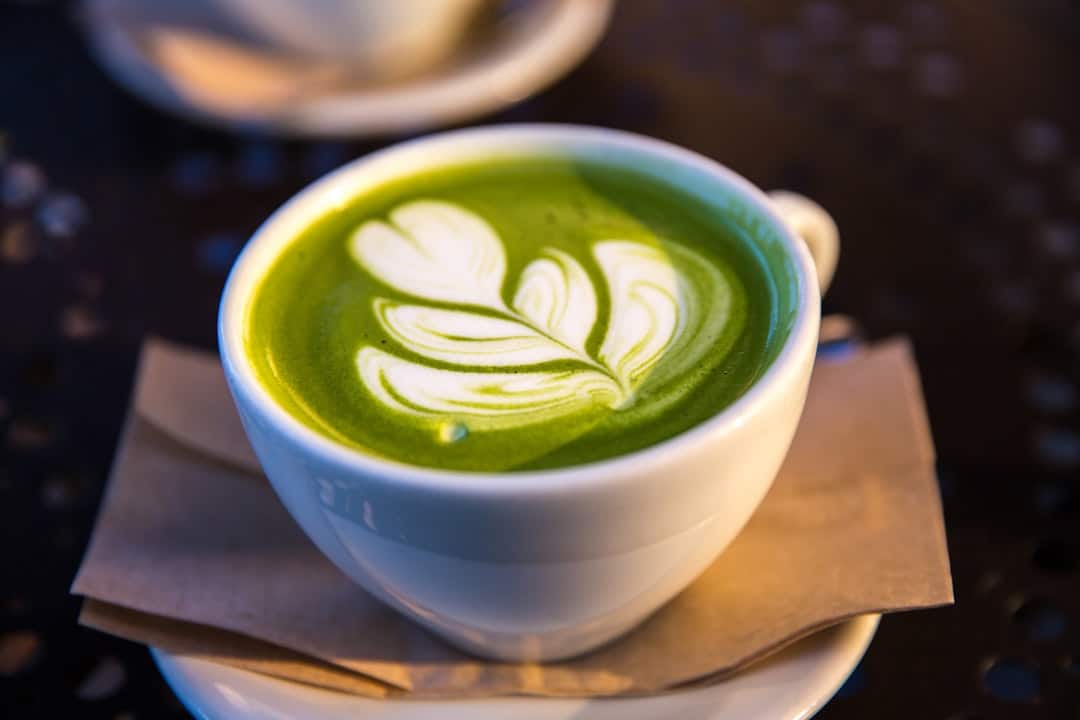
When we delve into the world of matcha tea, we uncover a treasure trove of nutritional benefits that make it a standout choice among beverages. Matcha, a finely ground powder made from specially grown green tea leaves, is rich in essential nutrients. It contains a unique combination of vitamins, minerals, and antioxidants that contribute to our overall health.
For instance, matcha is an excellent source of vitamin C, which plays a crucial role in boosting our immune system and promoting healthy skin. Additionally, it provides a good amount of fiber, which aids in digestion and helps maintain a healthy gut. Moreover, matcha is packed with catechins, a type of antioxidant that has been linked to various health benefits.
These compounds not only help combat oxidative stress but also support our metabolic processes. By incorporating matcha into our daily routine, we can enjoy a natural energy boost without the jitters often associated with coffee. This makes matcha an ideal choice for those of us looking to enhance our productivity while maintaining a balanced diet.
Key Takeaways
- Matcha tea is rich in antioxidants, vitamins, and minerals, making it a nutritious addition to a balanced diet.
- The high levels of antioxidants in matcha tea can help protect the body from oxidative stress and reduce the risk of chronic diseases.
- Matcha tea contains L-theanine, which may help improve cognitive function, focus, and concentration.
- Consuming matcha tea may support heart health by lowering cholesterol levels and reducing the risk of heart disease.
- Matcha tea can aid in weight management by boosting metabolism and promoting fat oxidation.
Matcha Tea and its Antioxidant Properties
One of the most remarkable aspects of matcha tea is its high concentration of antioxidants. Antioxidants are vital for our health as they help neutralize free radicals in the body, which can lead to cellular damage and contribute to chronic diseases. Matcha contains a specific type of antioxidant known as EGCG (epigallocatechin gallate), which has been extensively studied for its health-promoting properties.
Research suggests that EGCG may help reduce inflammation, lower cholesterol levels, and even support weight loss efforts. As we sip on our matcha lattes or enjoy a warm cup of matcha tea, we are not just indulging in a delicious beverage; we are also providing our bodies with a powerful defense against oxidative stress. The unique preparation process of matcha, where the whole leaf is consumed rather than steeped and discarded, allows us to reap the full benefits of these antioxidants.
This means that every cup of matcha we enjoy is a step towards better health and well-being.
Matcha Tea and its Potential to Boost Brain Function

The cognitive benefits of matcha tea are another compelling reason for us to incorporate it into our daily routine. Studies have shown that the combination of caffeine and L-theanine found in matcha can enhance brain function and improve focus. While caffeine provides a quick energy boost, L-theanine promotes relaxation without drowsiness, creating a balanced state of alertness.
This unique synergy allows us to experience heightened concentration and mental clarity, making matcha an excellent choice for those long workdays or study sessions. Furthermore, research indicates that regular consumption of matcha may support long-term brain health. The antioxidants present in matcha, particularly EGCG, have been linked to neuroprotective effects that may help reduce the risk of neurodegenerative diseases such as Alzheimer’s and Parkinson’s.
By choosing matcha as our go-to beverage, we are not only enhancing our immediate cognitive function but also investing in our brain health for the future.
The Role of Matcha Tea in Supporting Heart Health
Heart health is a crucial aspect of our overall well-being, and matcha tea can play a significant role in supporting it. The antioxidants found in matcha have been shown to help lower LDL cholesterol levels and improve overall cardiovascular health. By reducing oxidative stress and inflammation in the body, matcha may contribute to healthier blood vessels and improved circulation.
In addition to its antioxidant properties, matcha also contains compounds that can help regulate blood pressure. Regular consumption of matcha tea has been associated with a reduced risk of heart disease, making it a heart-friendly beverage choice for all of us. By incorporating matcha into our diets, we can take proactive steps toward maintaining a healthy heart and reducing the risk of cardiovascular issues.
Matcha Tea and its Impact on Weight Management
For those of us looking to manage our weight effectively, matcha tea can be a valuable ally. The catechins in matcha have been shown to boost metabolism and promote fat oxidation, making it easier for us to shed those extra pounds. Studies suggest that consuming matcha can increase calorie burning during exercise and at rest, which can be particularly beneficial for weight management.
Moreover, matcha can help curb cravings and reduce appetite, making it easier for us to stick to our dietary goals.
By incorporating matcha into our daily routine—whether as a refreshing iced drink or blended into smoothies—we can harness its weight management benefits while enjoying its unique flavor profile.
This makes matcha not just a delicious beverage but also a strategic tool in our weight loss journey.
The Effects of Matcha Tea on Detoxification and Immune System
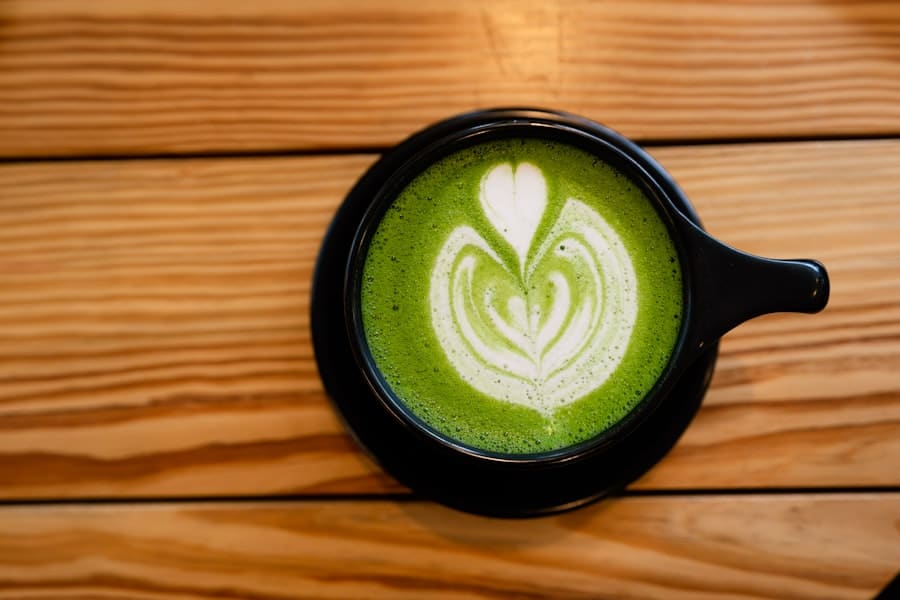
Detoxification is an essential process for maintaining our health, and matcha tea can support this natural function in several ways. The chlorophyll content in matcha helps detoxify the body by aiding in the elimination of toxins and heavy metals. As we consume matcha regularly, we are not only enjoying its rich flavor but also promoting our body’s ability to cleanse itself.
In addition to its detoxifying properties, matcha is known for its immune-boosting benefits. The high levels of antioxidants present in matcha can enhance our immune response, helping us fend off illnesses more effectively. By incorporating this vibrant green tea into our diets, we can strengthen our immune system and support our body’s natural defenses against infections and diseases.
Matcha Tea and its Potential to Enhance Skin Health
Our skin is often a reflection of our overall health, and matcha tea can contribute positively to its appearance and vitality. The antioxidants found in matcha help combat free radicals that can lead to premature aging and skin damage. By drinking matcha regularly or using it in skincare products, we can harness its anti-inflammatory properties to promote healthier skin.
Moreover, the anti-inflammatory effects of matcha may help reduce redness and irritation associated with various skin conditions such as acne or eczema. The presence of catechins in matcha has also been linked to improved skin elasticity and hydration. As we incorporate matcha into our beauty routines—whether through topical applications or as part of our diet—we can enjoy the dual benefits of nourishing our bodies while enhancing our skin’s health.
Matcha Tea and its Role in Supporting Exercise and Fitness
For fitness enthusiasts among us, matcha tea can serve as an excellent pre-workout beverage. The combination of caffeine and L-theanine provides an energy boost while promoting focus and endurance during workouts. Many athletes have turned to matcha as a natural alternative to traditional energy drinks, appreciating its ability to enhance performance without the crash that often follows caffeine consumption.
Additionally, the metabolism-boosting properties of matcha can aid in post-exercise recovery by promoting fat oxidation and reducing muscle fatigue. By incorporating matcha into our fitness routines—whether as a refreshing drink before hitting the gym or as part of a recovery smoothie—we can optimize our performance while enjoying the myriad health benefits this superfood offers.
The Impact of Matcha Tea on Stress Reduction and Mental Well-being
In today’s fast-paced world, stress management is more important than ever, and matcha tea can play a significant role in promoting mental well-being. The L-theanine found in matcha has been shown to induce relaxation without causing drowsiness, making it an ideal choice for those seeking calm amidst chaos. As we sip on our warm cup of matcha, we may find ourselves feeling more centered and focused.
Moreover, regular consumption of matcha has been linked to improved mood and reduced anxiety levels. The antioxidants present in matcha may help regulate stress hormones in the body, contributing to an overall sense of well-being. By incorporating this soothing beverage into our daily routines, we can cultivate a greater sense of peace and resilience against life’s challenges.
Matcha Tea and its Potential to Lower the Risk of Chronic Diseases
The potential health benefits of matcha tea extend beyond immediate effects; it may also play a role in reducing the risk of chronic diseases over time. Research suggests that regular consumption of green tea—particularly matcha—can lower the risk of conditions such as type 2 diabetes, certain cancers, and cardiovascular diseases.
The powerful antioxidants found in matcha work synergistically to protect our cells from damage and promote overall health.
By making matcha a staple in our diets, we are not only enjoying its rich flavor but also taking proactive steps toward long-term health. As we embrace this ancient beverage known for its healing properties, we can feel empowered knowing that we are investing in our future well-being.
The Importance of Choosing High-Quality Matcha Tea for Maximum Health Benefits
To fully experience the myriad health benefits that matcha tea has to offer, it is essential for us to choose high-quality products. Not all matcha is created equal; factors such as growing conditions, processing methods, and storage can significantly impact its nutritional value. When selecting matcha, we should look for vibrant green powder with a fine texture—indicating freshness and quality.
Opting for ceremonial-grade matcha ensures that we are getting the best flavor and health benefits possible. This premium grade is typically made from younger leaves harvested at the peak of their nutritional value. By investing in high-quality matcha tea, we can maximize its potential health benefits while enjoying an exceptional taste experience that elevates our daily rituals.
In conclusion, as we explore the numerous benefits of matcha tea—from its rich nutritional profile to its potential impact on heart health, brain function, weight management, and beyond—we find ourselves inspired to incorporate this remarkable beverage into our lives. By choosing high-quality matcha and embracing its many uses, we can enhance our well-being while savoring each sip of this vibrant green elixir.
If you’re interested in improving your health, you may also want to check out this article on Exposed Skin Care Reviews: Honest Feedback. This article provides valuable insights into skincare products that can help improve your skin health and overall well-being. Combining the benefits of matcha tea with a good skincare routine can lead to a healthier and more radiant you.
FAQs
What is matcha tea?
Matcha tea is a type of green tea that is made from finely ground green tea leaves. It is known for its vibrant green color and is often used in traditional Japanese tea ceremonies.
How does matcha tea improve health?
Matcha tea is rich in antioxidants, specifically catechins, which have been shown to have various health benefits. It also contains L-theanine, an amino acid that can promote relaxation and reduce stress.
What are the proven ways matcha tea improves health?
Some proven ways that matcha tea improves health include boosting metabolism, enhancing brain function, lowering the risk of heart disease, and promoting overall well-being.
Is matcha tea a good source of nutrients?
Yes, matcha tea is a good source of nutrients, including vitamins A, C, and E, as well as minerals such as potassium, calcium, and magnesium.
Can matcha tea help with weight loss?
Some studies have suggested that the catechins in matcha tea may help increase metabolism and promote fat loss. However, more research is needed to fully understand the effects of matcha tea on weight loss.
How much matcha tea should be consumed for health benefits?
It is recommended to consume 1-2 servings of matcha tea per day to experience its health benefits. However, it is important to be mindful of caffeine intake, as matcha tea contains higher levels of caffeine compared to regular green tea.
Are there any potential side effects of consuming matcha tea?
While matcha tea is generally safe for most people, it does contain caffeine, which can cause side effects such as insomnia, anxiety, and digestive issues in some individuals. It is important to consume matcha tea in moderation and be mindful of caffeine sensitivity.