

When we delve into the world of hematology, one of the key parameters we often encounter is Mean Corpuscular Hemoglobin Concentration (MCHC). This measurement provides us with valuable insights into the hemoglobin concentration within red blood cells, allowing us to assess the oxygen-carrying capacity of our blood. MCHC is calculated by dividing the total hemoglobin by the hematocrit, which is the volume percentage of red blood cells in our blood.
Understanding MCHC levels is crucial, as they can indicate various health conditions and nutritional statuses. As we explore MCHC levels, we must recognize that they are not merely numbers on a lab report; they reflect our overall health and well-being. Normal MCHC values typically range from 32 to 36 grams per deciliter, but deviations from this range can signal underlying issues.
Low MCHC levels may suggest conditions such as iron deficiency anemia or thalassemia, while elevated levels could indicate spherocytosis or other hemolytic anemias. By understanding MCHC levels, we can better navigate our health journeys and make informed decisions regarding our well-being.
Key Takeaways
- MCHC levels refer to the mean corpuscular hemoglobin concentration in red blood cells, indicating the amount of hemoglobin in a given volume of packed red blood cells.
- Nutritional deficiencies such as iron, vitamin B6, vitamin B12, and folate can lead to low MCHC levels, affecting the oxygen-carrying capacity of red blood cells.
- Hemoglobinopathies, such as sickle cell anemia and thalassemia, can cause abnormal MCHC levels, leading to anemia and other complications.
- Chronic diseases like diabetes, kidney disease, and liver disease can impact MCHC levels, affecting red blood cell function and overall health.
- Certain medications, such as chemotherapy drugs and antiretroviral therapy, can affect MCHC levels, leading to anemia and other blood disorders.
Nutritional deficiencies and MCHC levels
The Impact of Iron Deficiency
Iron deficiency is one of the most common causes of low MCHC levels. Without adequate iron, our body cannot synthesize hemoglobin effectively, leading to a decrease in the concentration of hemoglobin within red blood cells. This deficiency can result in symptoms such as fatigue, weakness, and pale skin, which are often indicative of anemia.
The Importance of Vitamin B12 and Folate
Vitamin B12 and folate are crucial for proper red blood cell formation. A deficiency in either of these vitamins can lead to megaloblastic anemia, characterized by larger-than-normal red blood cells with low hemoglobin content. In this case, we may observe a decrease in MCHC levels as well.
Maintaining Optimal MCHC Levels
By ensuring that we maintain a balanced diet rich in these essential nutrients, we can support our body’s ability to produce healthy red blood cells and maintain optimal MCHC levels.
Hemoglobinopathies and MCHC levels

Hemoglobinopathies are genetic disorders that affect the structure or production of hemoglobin, leading to alterations in MCHC levels. Conditions such as sickle cell disease and thalassemia are prime examples of how these disorders can impact our health. In sickle cell disease, the abnormal hemoglobin causes red blood cells to take on a crescent shape, which can lead to blockages in blood vessels and reduced oxygen delivery to tissues.
This condition often results in low MCHC levels due to the compromised hemoglobin content within the altered red blood cells. Thalassemia, on the other hand, involves a reduction in the production of one or more globin chains that make up hemoglobin. This imbalance can lead to microcytic anemia, where red blood cells are smaller than normal and have lower hemoglobin concentrations.
As a result, individuals with thalassemia may present with low MCHC levels as well. Understanding these hemoglobinopathies is essential for us to recognize their impact on our health and the importance of early diagnosis and management.
Chronic diseases and MCHC levels
Chronic diseases can significantly influence our MCHC levels, often reflecting the body’s ongoing struggle to maintain homeostasis. Conditions such as chronic kidney disease (CKD), diabetes, and inflammatory disorders can lead to alterations in red blood cell production and lifespan. In CKD, for instance, the kidneys’ ability to produce erythropoietin—a hormone that stimulates red blood cell production—is compromised.
This deficiency can result in anemia characterized by low MCHC levels due to insufficient hemoglobin synthesis. Similarly, chronic inflammation associated with diseases like rheumatoid arthritis or lupus can lead to anemia of chronic disease (ACD). In ACD, the body sequesters iron and alters red blood cell production in response to inflammation, resulting in lower MCHC levels.
By recognizing the interplay between chronic diseases and MCHC levels, we can better understand how our overall health is interconnected and take proactive steps toward managing these conditions.
Medications and MCHC levels
The medications we take can also have a profound impact on our MCHC levels. Certain drugs may interfere with red blood cell production or alter hemoglobin synthesis, leading to changes in MCHC values.
For example, some chemotherapy agents used in cancer treatment can suppress bone marrow function, resulting in decreased red blood cell production and subsequently lower MCHC levels.
Additionally, medications that affect iron absorption or utilization—such as proton pump inhibitors—can contribute to iron deficiency anemia and low MCHC levels. Moreover, long-term use of nonsteroidal anti-inflammatory drugs (NSAIDs) can lead to gastrointestinal bleeding, which may result in iron loss and subsequent anemia. As we navigate our health journeys, it is essential for us to be aware of how our medications may influence our blood parameters, including MCHC levels.
Open communication with healthcare providers about any concerns regarding medications can help us manage potential side effects effectively.
Liver disease and MCHC levels
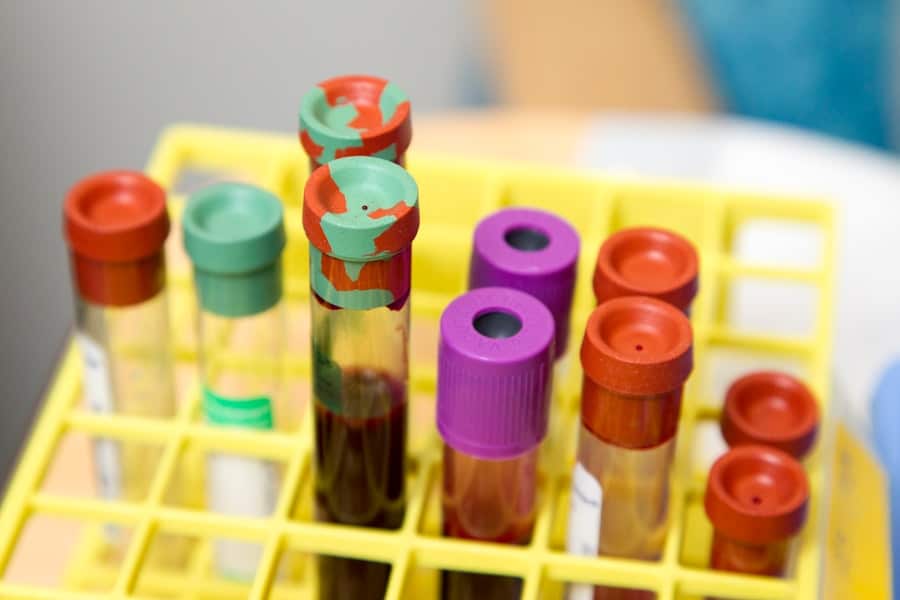
Liver disease is another critical factor that can affect our MCHC levels.
The liver plays a vital role in various metabolic processes, including the synthesis of proteins necessary for red blood cell production.
Conditions such as cirrhosis or hepatitis can impair liver function and disrupt the production of these proteins, leading to anemia characterized by low MCHC levels.
Additionally, liver disease can affect iron metabolism and storage, further complicating the picture. In cases of liver dysfunction, we may also observe changes in the production of clotting factors and other proteins that influence overall blood health. This interplay between liver function and hematological parameters underscores the importance of monitoring MCHC levels in individuals with liver disease.
By addressing liver health through lifestyle modifications and medical interventions, we can support optimal red blood cell production and maintain healthy MCHC levels.
Kidney disease and MCHC levels
Kidney disease has a profound impact on our overall health and can significantly influence MCHC levels. The kidneys are responsible for producing erythropoietin, a hormone that stimulates red blood cell production in the bone marrow. In chronic kidney disease (CKD), the kidneys’ ability to produce erythropoietin diminishes, leading to decreased red blood cell production and often resulting in anemia characterized by low MCHC levels.
Furthermore, kidney disease can also affect iron metabolism and utilization within the body. Patients with CKD may experience iron deficiency due to reduced absorption or increased losses through dialysis treatments. This deficiency can further exacerbate low MCHC levels and contribute to symptoms such as fatigue and weakness.
By recognizing the relationship between kidney health and MCHC levels, we can take proactive steps toward managing kidney disease and its associated complications.
Bone marrow disorders and MCHC levels
Bone marrow disorders represent another critical area where we must consider the impact on MCHC levels. The bone marrow is responsible for producing red blood cells, white blood cells, and platelets; any disruption in this process can lead to significant hematological abnormalities. Conditions such as aplastic anemia or myelodysplastic syndromes can impair red blood cell production, resulting in low MCHC levels due to insufficient hemoglobin synthesis.
In aplastic anemia, for instance, the bone marrow fails to produce adequate amounts of blood cells due to damage from various factors such as toxins or autoimmune processes. This condition often leads to pancytopenia—an overall decrease in red blood cells, white blood cells, and platelets—resulting in low MCHC values as well. By understanding how bone marrow disorders affect our hematological health, we can advocate for appropriate diagnostic evaluations and treatment options.
Genetic factors and MCHC levels
Genetic factors play a significant role in determining our MCHC levels and overall hematological health. Inherited conditions such as hereditary spherocytosis or thalassemia can lead to alterations in red blood cell structure or function that directly impact hemoglobin concentration within those cells. For instance, hereditary spherocytosis results in abnormally shaped red blood cells that are more prone to destruction; this condition often presents with elevated reticulocyte counts but low MCHC due to compromised hemoglobin content.
Thalassemia is another genetic disorder that affects hemoglobin production; individuals with this condition may have low MCHC levels due to an imbalance in globin chain synthesis. By recognizing these genetic influences on our health, we can better understand our risk factors for developing certain hematological conditions and seek appropriate genetic counseling or testing when necessary.
Environmental factors and MCHC levels
Environmental factors also play a crucial role in influencing our MCHC levels. Exposure to toxins or pollutants can adversely affect our hematological health by disrupting normal red blood cell production or function. For example, lead exposure has been linked to anemia due to its interference with heme synthesis—a critical component of hemoglobin—resulting in low MCHC values.
Additionally, lifestyle factors such as diet and physical activity can significantly impact our nutritional status and overall health. A diet lacking essential nutrients may lead to deficiencies that compromise red blood cell production and result in low MCHC levels over time. By being mindful of our environment and lifestyle choices, we can take proactive steps toward maintaining healthy MCHC levels and overall well-being.
Conclusion and management of low MCHC levels
In conclusion, understanding MCHC levels is essential for us as we navigate our health journeys. Low MCHC values can arise from various factors including nutritional deficiencies, chronic diseases, medications, liver and kidney diseases, bone marrow disorders, genetic influences, and environmental exposures. Recognizing these interconnected elements allows us to take a holistic approach toward managing our health.
To effectively manage low MCHC levels, it is crucial for us to work closely with healthcare providers who can guide us through appropriate diagnostic evaluations and treatment options tailored to our individual needs. This may involve dietary modifications to address nutritional deficiencies or medical interventions aimed at treating underlying conditions contributing to low MCHC values. By prioritizing our health through informed choices and proactive management strategies, we can support optimal hematological health and enhance our overall quality of life.
Low levels of MCHC (Mean Corpuscular Hemoglobin Concentration) can be caused by various factors, including nutritional deficiencies, chronic diseases, and genetic disorders. For more information on the impact of genetic disorders on health, you can read the article on schizoid personality disorder. This article delves into the symptoms, causes, and treatment options for individuals with this specific disorder. Understanding the role of genetics in health can provide valuable insights into the underlying causes of low MCHC levels.
FAQs
What is MCHC (Mean Corpuscular Hemoglobin Concentration)?
MCHC is a measure of the average concentration of hemoglobin in a given volume of packed red blood cells.
What are the normal levels of MCHC?
The normal range for MCHC is typically between 32% to 36%.
What might cause low levels of MCHC?
Low levels of MCHC can be caused by conditions such as iron deficiency anemia, thalassemia, lead poisoning, or chronic diseases such as chronic kidney disease.
How is low MCHC diagnosed?
Low MCHC levels are typically diagnosed through a complete blood count (CBC) test, which measures various components of the blood, including MCHC.
What are the symptoms of low MCHC?
Symptoms of low MCHC may include fatigue, weakness, pale skin, shortness of breath, and dizziness.
How is low MCHC treated?
Treatment for low MCHC depends on the underlying cause. It may involve iron supplementation, blood transfusions, or addressing any underlying chronic conditions.