
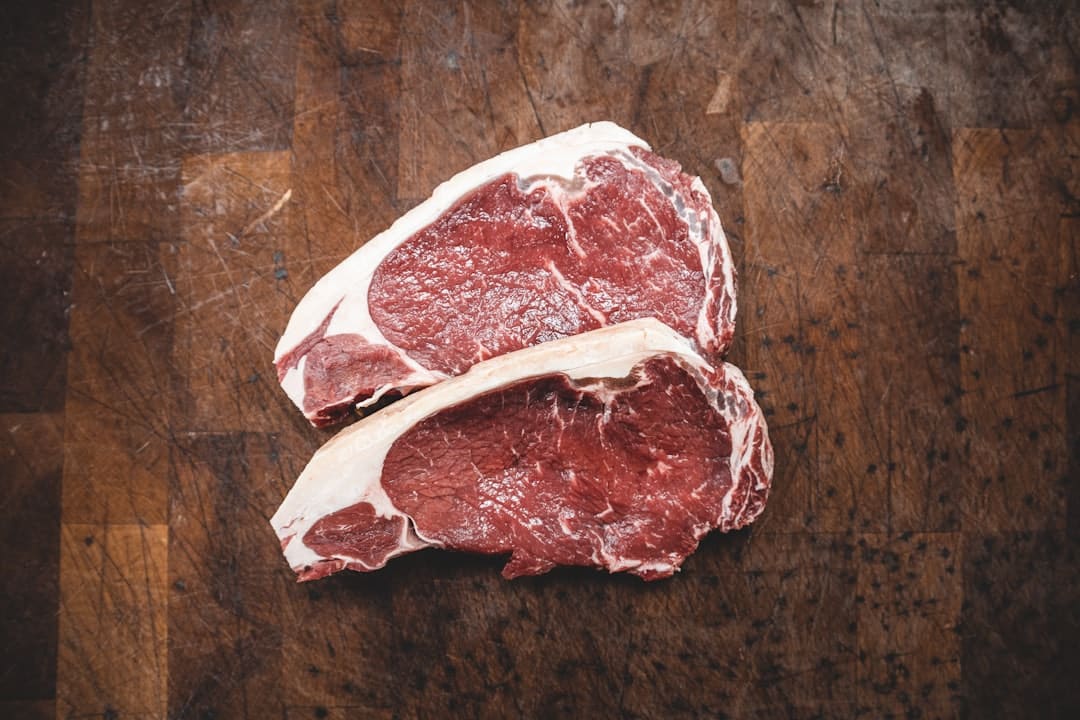
The Carnivore Diet is a dietary regimen that emphasizes the exclusive consumption of animal products, primarily meat, fish, and animal-derived foods.
This approach is often characterized by its simplicity, as it eliminates all plant-based foods, including fruits, vegetables, grains, and legumes.
By focusing solely on animal products, proponents of the diet argue that individuals can achieve various health benefits, including weight loss, improved mental clarity, and enhanced energy levels.
The diet is sometimes referred to as a “zero-carb” diet due to its exclusion of carbohydrates found in plant foods. As we delve deeper into the Carnivore Diet, we find that it is not merely a trend but a lifestyle choice for many. Adherents often report a sense of satisfaction and fullness that comes from consuming high-protein and high-fat foods.
This diet can be appealing for those who prefer straightforward meal planning without the complexities of counting calories or macronutrients. By eliminating food groups, we can simplify our eating habits and focus on what we enjoy most—meat.
Key Takeaways
- The Carnivore Diet is a diet that consists of eating only animal products and excludes all plant-based foods.
- The Carnivore Diet has a history dating back to the early 1900s and has gained popularity in recent years.
- Benefits of the Carnivore Diet may include weight loss, improved mental clarity, and reduced inflammation.
- Potential risks and drawbacks of the Carnivore Diet include nutrient deficiencies and lack of fiber.
- On the Carnivore Diet, you can eat meat, fish, eggs, and some dairy products, while avoiding all fruits, vegetables, grains, and legumes.
The History of the Carnivore Diet
The roots of the Carnivore Diet can be traced back to ancient human history when our ancestors primarily relied on hunting and gathering for sustenance. Early humans consumed a diet rich in animal products, which provided essential nutrients necessary for survival. As we evolved, our dietary patterns shifted with the advent of agriculture, leading to the inclusion of various plant-based foods.
However, the idea of returning to a meat-centric diet has gained traction in recent years, particularly among those seeking alternative approaches to health and wellness. In modern times, the Carnivore Diet has been popularized by various health advocates and influencers who share their personal experiences and successes. Notably, figures like Dr.
Shawn Baker and Mikhaila Peterson have played significant roles in bringing this diet into the mainstream conversation. Their testimonials and research have sparked interest in the potential benefits of an all-meat diet, prompting many to explore this unconventional approach to nutrition.
The Benefits of the Carnivore Diet

One of the most frequently cited benefits of the Carnivore Diet is its potential for weight loss. By eliminating carbohydrates and focusing on protein and fat, many individuals experience a reduction in appetite and cravings, leading to a natural decrease in caloric intake. This can result in significant weight loss over time, making it an attractive option for those looking to shed excess pounds.
Additionally, the high protein content of the diet can promote muscle retention during weight loss, which is crucial for maintaining overall health. Beyond weight loss, we often hear about improvements in mental clarity and cognitive function among those who adopt the Carnivore Diet. Many dieters report enhanced focus and reduced brain fog, attributing these changes to the absence of sugar and processed foods that can lead to energy crashes.
Furthermore, some individuals claim that their mood stabilizes and anxiety decreases when they eliminate carbohydrates from their diets. These anecdotal experiences have led us to consider the potential psychological benefits of a meat-based diet.
Potential Risks and Drawbacks of the Carnivore Diet
While there are numerous benefits associated with the Carnivore Diet, it is essential to acknowledge potential risks and drawbacks as well. One significant concern is the lack of dietary diversity, which can lead to nutrient deficiencies over time. By excluding fruits, vegetables, and whole grains, we may miss out on essential vitamins, minerals, and fiber that are crucial for overall health.
This raises questions about long-term sustainability and whether such a restrictive diet can provide all necessary nutrients. Another potential drawback is the impact on gut health. A diet devoid of fiber may lead to digestive issues for some individuals.
Fiber plays a vital role in maintaining a healthy gut microbiome, and its absence could result in constipation or other gastrointestinal discomforts. As we consider embarking on this dietary journey, it is crucial to weigh these risks against the potential benefits and consult with healthcare professionals if necessary.
What Can You Eat on the Carnivore Diet?
When it comes to food choices on the Carnivore Diet, our options are primarily limited to animal products. This includes various types of meat such as beef, pork, chicken, lamb, and fish. We can also enjoy organ meats like liver and kidney, which are nutrient-dense and provide essential vitamins and minerals.
Eggs are another staple in this diet, offering a versatile source of protein and healthy fats. Dairy products are often included in some variations of the Carnivore Diet; however, opinions vary among dieters regarding their consumption. Some choose to incorporate full-fat dairy like cheese and butter, while others prefer to avoid dairy altogether due to lactose intolerance or personal preference.
Ultimately, our food choices should align with our individual health goals and preferences while adhering to the core principles of the Carnivore Diet.
How to Start the Carnivore Diet

Embarking on the Carnivore Diet requires careful planning and preparation to ensure a smooth transition. To begin, we should gradually eliminate plant-based foods from our diets while increasing our intake of animal products. This approach can help minimize potential withdrawal symptoms associated with cutting out carbohydrates and sugars.
We might start by dedicating a few days to eating primarily meat before fully committing to an all-meat regimen. Meal planning is crucial for success on the Carnivore Diet. We can create a weekly menu that includes various cuts of meat, fish, eggs, and any permitted dairy products.
Preparing meals in advance can help us stay on track and avoid temptation when hunger strikes. Additionally, staying hydrated is essential; we should drink plenty of water throughout the day to support our overall well-being.
The Science Behind the Carnivore Diet
The scientific community has begun to explore the implications of an all-meat diet more thoroughly in recent years. While research specifically focused on the Carnivore Diet is still limited, studies examining low-carbohydrate diets provide valuable insights into its potential effects on health. For instance, research has shown that reducing carbohydrate intake can lead to improved insulin sensitivity and blood sugar control—factors that are particularly beneficial for individuals with type 2 diabetes or metabolic syndrome.
Moreover, some studies suggest that high-protein diets may promote satiety and aid in weight management by reducing hunger hormones like ghrelin. As we consider these findings, it becomes evident that there may be a scientific basis for some of the claims made by proponents of the Carnivore Diet. However, further research is needed to fully understand its long-term effects on health.
Success Stories and Testimonials from Carnivore Dieters
The rise of social media has allowed many individuals to share their personal journeys with the Carnivore Diet, leading to an abundance of success stories and testimonials. We often come across accounts of people who have experienced remarkable transformations—whether through significant weight loss or improvements in chronic health conditions such as autoimmune diseases or digestive disorders. These stories serve as powerful motivators for those considering this dietary approach.
Many dieters report feeling more energetic and mentally sharp after adopting the Carnivore Diet. They describe a newfound sense of vitality that comes from eliminating processed foods and focusing solely on nutrient-dense animal products. As we read these testimonials, it becomes clear that personal experiences play a significant role in shaping our perceptions of dietary choices.
Common Myths and Misconceptions About the Carnivore Diet
As with any dietary trend, several myths and misconceptions surround the Carnivore Diet that can lead to confusion or skepticism. One common myth is that an all-meat diet is inherently unhealthy due to concerns about cholesterol levels and heart disease risk. However, many proponents argue that dietary cholesterol does not significantly impact blood cholesterol levels for most individuals.
Instead, they emphasize the importance of overall dietary patterns rather than focusing solely on individual nutrients. Another misconception is that following a restrictive diet like this one is unsustainable in the long term. While it may seem daunting at first glance, many individuals find that they thrive on a meat-based diet once they adapt to it.
As we explore these myths further, it becomes evident that understanding the nuances of nutrition is essential for making informed dietary choices.
How the Carnivore Diet Compares to Other Diets
When comparing the Carnivore Diet to other popular dietary approaches—such as ketogenic or paleo diets—we notice some key differences in philosophy and food choices. The ketogenic diet emphasizes high fat intake while allowing for moderate protein consumption and limited carbohydrates; in contrast, the Carnivore Diet focuses exclusively on animal products without any carbohydrates at all. This distinction can lead to varying effects on weight loss and metabolic health.
The paleo diet encourages whole foods while allowing for fruits, vegetables, nuts, and seeds alongside animal products; however, it does not eliminate plant-based foods entirely like the Carnivore Diet does. As we evaluate these different approaches, we must consider our individual health goals and preferences when determining which dietary path aligns best with our needs.
Tips and Tricks for Succeeding on the Carnivore Diet
To succeed on the Carnivore Diet, we can implement several practical tips and tricks that enhance our experience while minimizing challenges along the way. First and foremost, we should prioritize high-quality sources of meat whenever possible—opting for grass-fed beef or pasture-raised poultry can provide additional nutrients compared to conventionally raised options. Additionally, experimenting with different cooking methods can keep meals exciting; grilling, roasting, or slow-cooking meats can yield diverse flavors and textures that prevent monotony in our diets.
Staying connected with online communities or support groups can also provide encouragement as we navigate this unique dietary journey together. In conclusion, as we explore the multifaceted aspects of the Carnivore Diet—from its historical roots to its potential benefits and challenges—we gain valuable insights into this unconventional approach to nutrition. Whether we are drawn by personal health goals or curiosity about dietary experimentation, understanding both sides of this debate allows us to make informed decisions about our eating habits moving forward.
If you are interested in learning more about mental health disorders, you may want to check out this article on antisocial personality disorder. Understanding different mental health conditions can help us better support and empathize with those who may be struggling.
FAQs
What is the Carnivore (All-Meat) Diet?
The carnivore diet, also known as the all-meat diet, is a dietary approach that involves consuming only animal products such as meat, fish, eggs, and certain dairy products while excluding all plant-based foods.
What are the potential benefits of the Carnivore Diet?
Supporters of the carnivore diet claim that it can lead to weight loss, improved mental clarity, reduced inflammation, and relief from certain health conditions such as autoimmune diseases and digestive issues.
What are the potential risks of the Carnivore Diet?
Critics of the carnivore diet argue that it may lead to nutrient deficiencies, particularly in fiber, vitamins, and minerals that are commonly found in plant-based foods. Additionally, the long-term effects of following a carnivore diet are not well-researched.
Is the Carnivore Diet suitable for everyone?
The carnivore diet is not recommended for everyone, especially those with certain medical conditions, such as kidney disease or a history of disordered eating. It is important to consult with a healthcare professional before making significant changes to your diet.
Are there any scientific studies supporting the Carnivore Diet?
There is limited scientific research on the carnivore diet, and the existing studies are often small-scale or based on anecdotal evidence. More research is needed to fully understand the potential benefits and risks of this dietary approach.
Can the Carnivore Diet be sustainable for the environment?
The production of animal products for the carnivore diet can have a significant environmental impact, including greenhouse gas emissions and land use. As a result, the sustainability of the carnivore diet is a topic of debate among experts.