
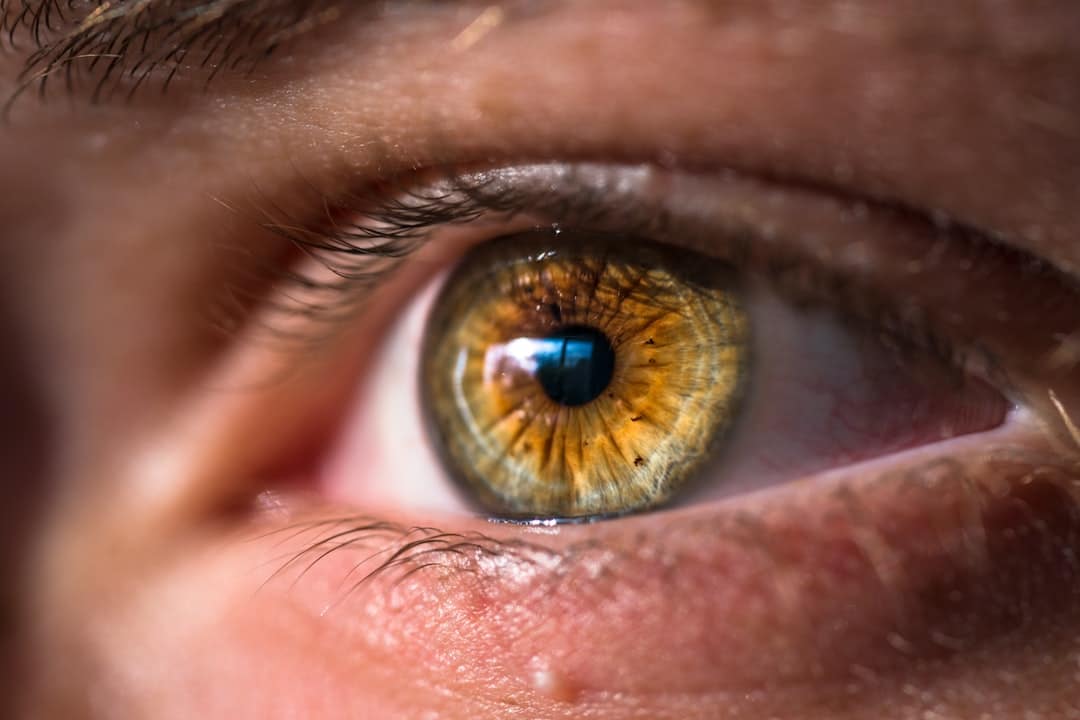
Eye redness is a common condition that many of us have experienced at some point in our lives. It can manifest as a mild irritation or a more pronounced issue, often leading to discomfort and concern. When we notice our eyes turning red, it can be alarming, prompting us to seek answers about the underlying causes and potential remedies.
Understanding eye redness is essential, as it can be a symptom of various conditions, ranging from benign to more serious health issues. By familiarizing ourselves with the causes, symptoms, and treatments available, we can take proactive steps to maintain our eye health. As we delve into the topic of eye redness, we must recognize that it is not merely an aesthetic concern.
The eyes are delicate organs that require proper care and attention. When they become red, it often indicates that something is amiss, whether due to environmental factors, allergies, or underlying medical conditions. By exploring the various aspects of eye redness, we can better equip ourselves to address this common issue and ensure our eyes remain healthy and vibrant.
Key Takeaways
- Eye redness can be caused by various factors such as allergies, infections, and irritants.
- Symptoms of eye redness include itching, burning, and a gritty sensation in the eyes.
- Seek medical attention for eye redness if it is accompanied by severe pain, vision changes, or discharge from the eye.
- Home remedies for eye redness include using cold compresses, avoiding irritants, and practicing good eye hygiene.
- Chronic eye redness may require prescription treatments and can lead to complications if left untreated.
Causes of Eye Redness
There are numerous factors that can lead to eye redness, and understanding these causes is crucial for effective management. One of the most prevalent reasons for red eyes is irritation from environmental elements such as dust, smoke, or pollen. These irritants can cause inflammation in the blood vessels of the eyes, resulting in a red appearance.
Additionally, prolonged exposure to screens can lead to digital eye strain, which often manifests as redness along with dryness and discomfort. Allergies also play a significant role in causing eye redness. Many of us are susceptible to allergens like pet dander, mold, or certain foods, which can trigger an inflammatory response in the eyes.
This reaction often comes with other symptoms such as itching and tearing. Furthermore, infections such as conjunctivitis—commonly known as pink eye—can lead to pronounced redness due to inflammation and increased blood flow to the affected area. Understanding these causes allows us to identify potential triggers in our environment and take steps to mitigate their effects.
Symptoms and Signs of Eye Redness
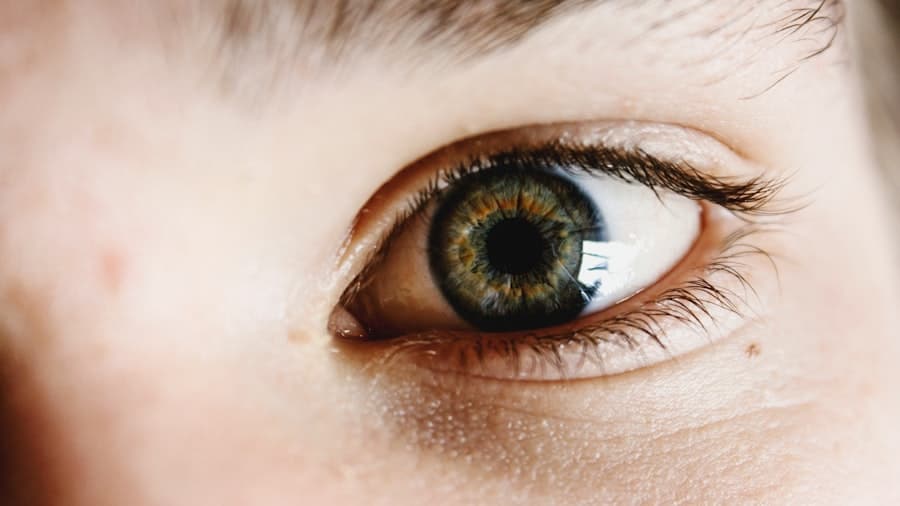
When we experience eye redness, it often accompanies a range of other symptoms that can help us determine the underlying cause. Common signs include itching, burning sensations, and excessive tearing. In some cases, we may also notice a discharge from the eyes, which can vary in color and consistency depending on the cause of the redness.
For instance, bacterial infections may produce a yellow or green discharge, while allergies might lead to clear, watery tears. In addition to these symptoms, we may also experience visual disturbances such as blurred vision or sensitivity to light. These accompanying signs can provide valuable clues about the severity of the condition and whether it requires medical attention.
By paying close attention to our symptoms and their progression, we can better communicate with healthcare professionals if necessary and ensure that we receive appropriate care.
When to Seek Medical Attention for Eye Redness
| Symptoms | When to Seek Medical Attention |
|---|---|
| Mild redness | If it persists for more than a week |
| Severe redness | Immediately, especially if accompanied by pain or vision changes |
| Redness with discharge | As soon as possible, as it may indicate an infection |
| Redness after an injury | Immediately, to rule out any serious damage |
While many cases of eye redness are benign and can be managed at home, there are certain situations where seeking medical attention is imperative. If we notice that our eye redness persists for more than a few days or is accompanied by severe pain, it is crucial to consult a healthcare professional. Additionally, if we experience sudden changes in vision or if the redness is accompanied by significant swelling or discharge, these could be signs of a more serious condition that requires immediate evaluation.
Another important factor to consider is our medical history. If we have pre-existing conditions such as glaucoma or autoimmune disorders, any new onset of eye redness should be taken seriously. In these cases, timely intervention can prevent complications and ensure that our eye health is not compromised.
By being vigilant about our symptoms and knowing when to seek help, we can safeguard our vision and overall well-being.
Home Remedies for Eye Redness
For those instances when eye redness is mild and not accompanied by severe symptoms, there are several home remedies we can try to alleviate discomfort. One effective method is using cold compresses on the eyes. By applying a clean cloth soaked in cold water for several minutes, we can reduce inflammation and soothe irritation.
This simple remedy can provide immediate relief and help restore our eyes’ natural appearance. Another popular home remedy involves using artificial tears or lubricating eye drops. These products can help alleviate dryness and flush out irritants from our eyes.
It’s essential to choose preservative-free options if we plan to use them frequently. Additionally, ensuring that we take regular breaks from screens and practice the 20-20-20 rule—looking at something 20 feet away for 20 seconds every 20 minutes—can help reduce strain and prevent further irritation.
Over-the-Counter Treatments for Eye Redness
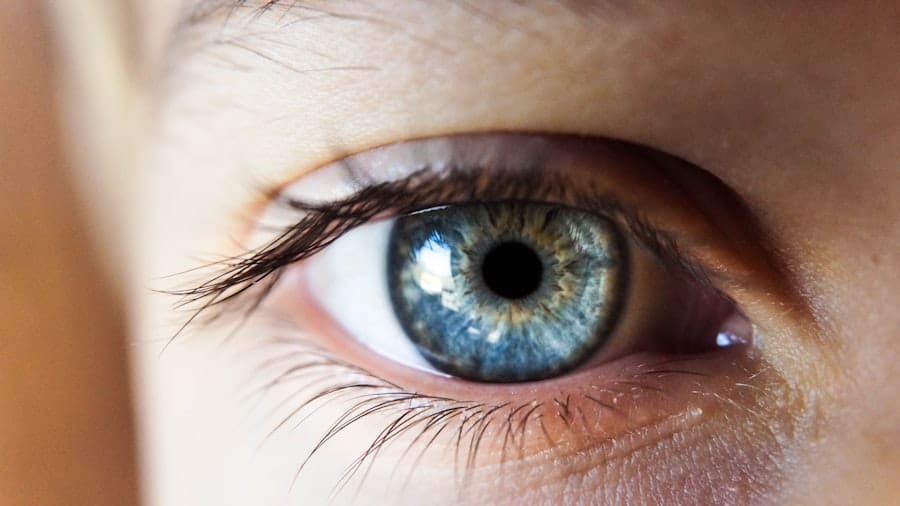
When home remedies do not provide sufficient relief from eye redness, over-the-counter treatments may be an effective next step. Many of us have found success with antihistamine eye drops designed specifically for allergy-related redness. These drops work by blocking histamine receptors in the eyes, reducing inflammation and alleviating symptoms associated with allergic reactions.
Additionally, decongestant eye drops are available that can temporarily constrict blood vessels in the eyes, leading to a reduction in redness. However, it’s important for us to use these products sparingly; overuse can lead to rebound redness, where the condition worsens after discontinuation of the drops. By carefully selecting appropriate over-the-counter treatments and following usage guidelines, we can effectively manage mild cases of eye redness.
Prescription Treatments for Eye Redness
In cases where over-the-counter options are insufficient or when underlying conditions are diagnosed, prescription treatments may be necessary. For instance, if we are dealing with an infection such as bacterial conjunctivitis, our healthcare provider may prescribe antibiotic eye drops or ointments to eliminate the infection and reduce redness effectively. It’s crucial for us to complete the full course of prescribed medication even if symptoms improve before finishing the treatment.
For individuals suffering from chronic allergies or inflammatory conditions like blepharitis or uveitis, corticosteroid eye drops may be prescribed to reduce inflammation and alleviate symptoms. While these medications can be highly effective, they should be used under strict medical supervision due to potential side effects associated with long-term use. By working closely with our healthcare provider, we can find the most suitable prescription treatment tailored to our specific needs.
Prevention of Eye Redness
Preventing eye redness often involves making simple lifestyle adjustments that promote overall eye health. One effective strategy is maintaining proper hygiene by washing our hands frequently and avoiding touching our eyes unnecessarily. This practice helps minimize the risk of infections that could lead to redness.
Additionally, we should consider our environment and make changes where possible. Using air purifiers can help reduce allergens in our homes, while wearing sunglasses outdoors protects our eyes from harmful UV rays and environmental irritants. Staying hydrated is also essential; drinking plenty of water helps maintain moisture levels in our eyes and reduces dryness that could contribute to redness.
Complications of Untreated Eye Redness
Ignoring persistent eye redness can lead to complications that may affect our vision and overall eye health. For instance, untreated infections like conjunctivitis can spread or worsen over time, potentially leading to more severe conditions such as keratitis or even vision loss in extreme cases. Additionally, chronic inflammation caused by untreated allergies or autoimmune disorders may result in long-term damage to the ocular surface.
Moreover, if we develop habits such as excessive rubbing of our eyes due to irritation or discomfort from redness, this can exacerbate existing issues and lead to further complications like corneal abrasions or scarring.
By recognizing the importance of addressing eye redness promptly and effectively, we can prevent these potential complications and protect our vision for years to come.
Understanding Chronic Eye Redness
Chronic eye redness is a condition that affects many individuals over an extended period. It may stem from various underlying issues such as dry eye syndrome, allergies, or even systemic conditions like rosacea that affect the skin around the eyes. For those of us experiencing chronic redness, it’s essential to identify potential triggers and work with healthcare professionals to develop a comprehensive management plan.
Living with chronic eye redness can be frustrating; however, understanding its root causes allows us to take proactive steps toward relief. Regular check-ups with an eye care specialist can help monitor our condition and adjust treatment plans as needed. By staying informed about our eye health and advocating for ourselves within the healthcare system, we can effectively manage chronic eye redness and maintain optimal vision.
Taking Care of Your Eye Health
In conclusion, taking care of our eye health is paramount in preventing and managing conditions like eye redness. By understanding its causes, recognizing symptoms early on, and knowing when to seek medical attention, we empower ourselves to make informed decisions about our well-being. Whether through home remedies or professional treatments, there are numerous options available for addressing eye redness effectively.
As we navigate daily life filled with potential irritants and stressors on our eyes, let us prioritize practices that promote overall ocular health—such as maintaining proper hygiene, staying hydrated, and protecting our eyes from environmental factors. By doing so, we not only enhance our comfort but also safeguard our vision for the future. Ultimately, being proactive about our eye health ensures that we continue to see the world clearly and vibrantly for years to come.
If you’re interested in learning more about skincare products, you may want to check out this article on unbiased reviews on Revive skin care products. It provides valuable insights into what users have to say about these products, helping you make informed decisions about your skincare routine. Just like understanding eye redness, knowing the effectiveness of skincare products is essential for maintaining healthy and radiant skin.
FAQs
What causes eye redness?
Eye redness can be caused by a variety of factors, including allergies, dryness, irritation, infection, or underlying health conditions such as conjunctivitis or glaucoma.
What are the symptoms of eye redness?
Symptoms of eye redness may include red or bloodshot eyes, itching, burning, watering, discharge, and blurred vision. It is important to seek medical attention if you experience severe pain, sensitivity to light, or changes in vision.
How is eye redness treated?
Treatment for eye redness depends on the underlying cause. It may include over-the-counter or prescription eye drops, warm compresses, avoiding allergens or irritants, or addressing any underlying health conditions.
When should I see a doctor for eye redness?
You should see a doctor for eye redness if it is accompanied by severe pain, sensitivity to light, changes in vision, or if it does not improve with home remedies or over-the-counter treatments. It is especially important to seek medical attention if you have a history of eye problems or if you wear contact lenses.
How can I prevent eye redness?
To prevent eye redness, it is important to practice good eye hygiene, avoid rubbing your eyes, protect your eyes from irritants and allergens, take regular breaks from screen time, and follow your doctor’s recommendations for managing any underlying health conditions.