

The ketogenic diet, commonly referred to as the keto diet, is a high-fat, low-carbohydrate eating plan that has gained immense popularity in recent years. The primary goal of this diet is to shift the body’s metabolism from relying on carbohydrates for energy to utilizing fats instead. By drastically reducing carbohydrate intake and replacing it with fat, our bodies enter a metabolic state known as ketosis.
In this state, the liver converts fats into ketones, which serve as an alternative energy source for our cells. This shift not only helps in weight loss but also offers various health benefits, including improved mental clarity and increased energy levels. As we embark on this dietary journey, it’s essential to understand the macronutrient breakdown that characterizes the keto diet.
Typically, the diet consists of approximately 70-75% fats, 20-25% protein, and only about 5-10% carbohydrates. This unique composition encourages our bodies to burn fat more efficiently while minimizing insulin spikes that can lead to fat storage. While the keto diet may seem restrictive at first glance, it opens up a world of delicious and satisfying food options that can make the journey enjoyable and sustainable.
Key Takeaways
- The Keto Diet is a low-carb, high-fat diet that has been shown to help with weight loss and improve overall health.
- Avocados are a great source of healthy fats and fiber, making them a perfect addition to a keto diet.
- Eggs are a staple of the keto diet, as they are high in protein and low in carbs.
- Salmon is an excellent source of omega-3 fatty acids and protein, making it a great choice for a keto-friendly meal.
- Olive oil is a healthy fat that can be used for cooking and dressing on a keto diet.
Avocados
Avocados are often hailed as a superfood, and for good reason. These creamy, nutrient-dense fruits are a staple in the keto diet due to their high healthy fat content and low carbohydrate levels. A single avocado contains around 15 grams of fat and only 2 grams of net carbs, making it an ideal choice for those of us looking to maintain ketosis.
Beyond their macronutrient profile, avocados are rich in vitamins and minerals, including potassium, vitamin E, and folate, which contribute to overall health and well-being. Incorporating avocados into our meals can be both simple and delicious. We can enjoy them sliced on top of salads, blended into smoothies for a creamy texture, or even mashed into guacamole for a flavorful dip.
Their versatility allows us to experiment with various recipes while reaping the benefits of their healthy fats. Additionally, avocados are known for their satiating properties, helping us feel full and satisfied, which can be particularly beneficial when we are trying to manage our appetite on a low-carb diet.
Eggs
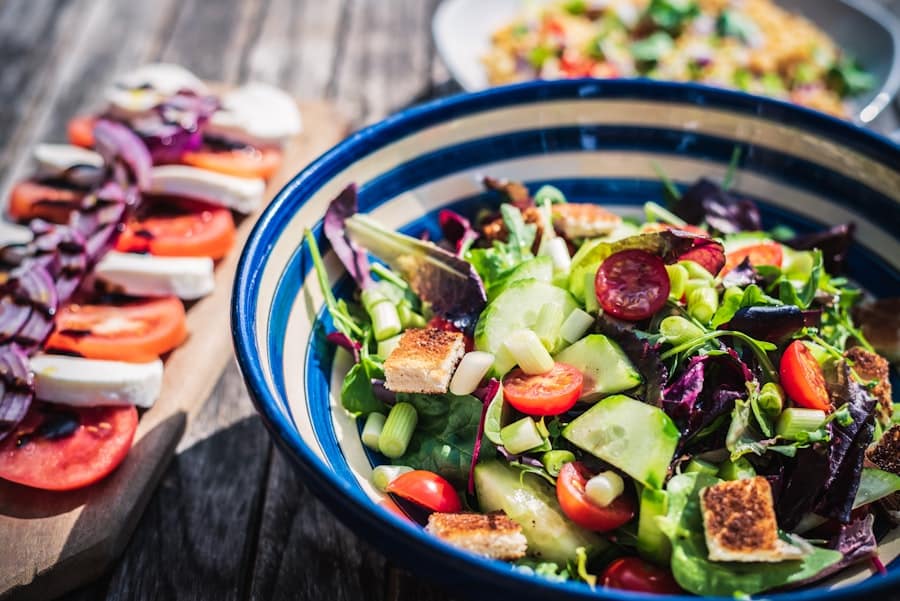
Eggs are often considered one of the most nutritious foods available, making them a cornerstone of the keto diet. Packed with high-quality protein and healthy fats, eggs provide essential nutrients while keeping our carbohydrate intake low. A large egg contains about 6 grams of protein and less than 1 gram of carbohydrates, making it an excellent choice for breakfast or any meal throughout the day.
Moreover, eggs are rich in vitamins such as B12 and D, as well as minerals like selenium and choline, which support various bodily functions. The culinary possibilities with eggs are virtually endless. We can scramble them, fry them, poach them, or bake them into dishes like frittatas or quiches.
Their versatility allows us to create satisfying meals that align with our dietary goals. Additionally, eggs are known for their ability to promote satiety, helping us feel full longer and reducing the likelihood of snacking on high-carb foods. As we embrace the keto lifestyle, incorporating eggs into our daily routine can be both enjoyable and beneficial for our health.
Salmon
Salmon is another powerhouse food that fits perfectly within the framework of the keto diet. This fatty fish is not only delicious but also packed with omega-3 fatty acids, which are essential for heart health and brain function. A typical serving of salmon contains around 22 grams of protein and 13 grams of fat while being low in carbohydrates.
The healthy fats found in salmon can help reduce inflammation and support overall wellness, making it an ideal choice for those of us following a ketogenic lifestyle. When it comes to preparing salmon, we have a multitude of options at our disposal. We can grill it, bake it, or pan-sear it to create a flavorful dish that pairs well with various low-carb vegetables.
Additionally, salmon can be enjoyed in salads or as part of a hearty breakfast alongside eggs and avocado. The rich flavor and satisfying texture of salmon make it a favorite among keto enthusiasts, allowing us to indulge in a meal that is both nutritious and fulfilling.
Olive Oil
Olive oil is often regarded as one of the healthiest fats available, making it a staple in the keto diet. Rich in monounsaturated fats and antioxidants, olive oil has been linked to numerous health benefits, including improved heart health and reduced inflammation. With virtually no carbohydrates, it serves as an excellent source of healthy fat that can enhance our meals without compromising our dietary goals.
Incorporating olive oil into our cooking not only elevates the flavor of our dishes but also provides essential nutrients that support overall health. We can use olive oil in various ways within our keto meal plans. It can be drizzled over salads as a dressing or used as a base for sautéing vegetables.
Additionally, we can incorporate it into marinades for meats or use it to enhance the flavor of roasted vegetables. The versatility of olive oil allows us to experiment with different cuisines while adhering to our low-carb lifestyle. As we embrace this healthy fat, we can enjoy the myriad flavors it brings to our meals while reaping its numerous health benefits.
Cauliflower
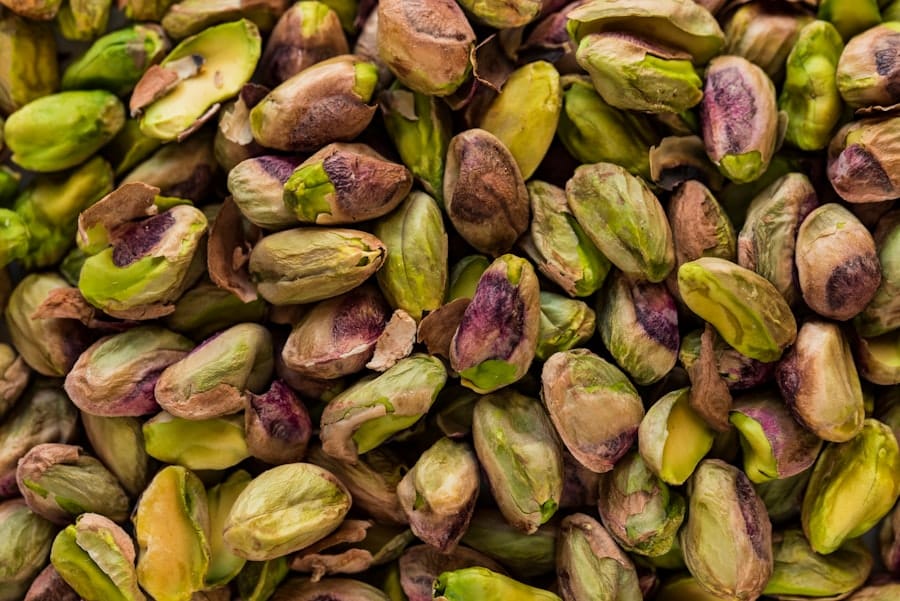
Cauliflower has emerged as a popular substitute for high-carb ingredients in many recipes, making it a beloved vegetable among those following the keto diet. This cruciferous vegetable is incredibly versatile and can be transformed into various dishes that mimic traditional high-carb favorites. With only about 5 grams of carbohydrates per cup, cauliflower allows us to enjoy comfort foods without derailing our dietary goals.
One of the most popular ways to incorporate cauliflower into our meals is by using it as a base for cauliflower rice or mashed cauliflower. These alternatives provide a satisfying texture while significantly reducing carbohydrate intake compared to their grain-based counterparts. We can also roast cauliflower florets with olive oil and spices for a delicious side dish or blend it into soups for added creaminess without the carbs.
The adaptability of cauliflower makes it an essential ingredient in our keto kitchen.
Spinach
Spinach is another leafy green that deserves a prominent place in our keto diet repertoire. Low in carbohydrates yet high in essential vitamins and minerals, spinach is an excellent choice for those looking to maintain ketosis while ensuring they receive adequate nutrition. A cup of raw spinach contains only about 1 gram of carbohydrates while providing significant amounts of vitamin K, vitamin A, and folate.
Incorporating spinach into our meals is both easy and delicious. We can toss fresh spinach into salads for added crunch or sauté it with garlic and olive oil for a quick side dish. Spinach can also be blended into smoothies or added to omelets for an extra nutrient boost.
Its mild flavor allows it to complement various dishes seamlessly while contributing to our overall health goals. As we explore the benefits of spinach on our keto journey, we can enjoy its versatility in countless recipes.
Almonds
Almonds are not only a tasty snack but also an excellent source of healthy fats and protein that aligns perfectly with the keto diet. With approximately 6 grams of carbohydrates per ounce and a wealth of nutrients such as vitamin E and magnesium, almonds provide a satisfying crunch while supporting our nutritional needs. Their high-fat content helps keep us feeling full between meals, making them an ideal choice for those looking to manage their appetite on a low-carb diet.
We can enjoy almonds in various forms—raw, roasted, or even as almond butter spread on celery sticks or low-carb crackers. They also make a great addition to salads or can be blended into smoothies for added texture and flavor. As we navigate our keto lifestyle, incorporating almonds into our daily routine not only satisfies our cravings but also provides essential nutrients that support overall health.
Coconut Oil
Coconut oil has gained popularity in recent years as a versatile cooking oil that fits seamlessly into the keto diet. Rich in medium-chain triglycerides (MCTs), coconut oil is quickly metabolized by the body and converted into ketones for energy. This unique property makes it an excellent choice for those looking to enhance their fat intake while maintaining ketosis.
With virtually no carbohydrates, coconut oil serves as a valuable addition to our cooking repertoire.
We can use coconut oil in various ways—whether it’s sautéing vegetables, baking low-carb treats, or adding it to smoothies for a creamy texture.
Its subtle coconut flavor can enhance both sweet and savory dishes alike.
Additionally, coconut oil has been linked to numerous health benefits, including improved brain function and increased energy levels. As we embrace this healthy fat in our cooking, we can enjoy its versatility while reaping its many advantages.
Berries
While many fruits are off-limits on the keto diet due to their high sugar content, berries stand out as an exception worth celebrating. Low in carbohydrates yet rich in antioxidants and vitamins, berries such as strawberries, raspberries, and blackberries provide a sweet treat without derailing our dietary goals. For instance, a half-cup of raspberries contains only about 3 grams of net carbs while offering significant amounts of fiber and vitamin C.
Incorporating berries into our meals can be both enjoyable and refreshing. We can add them to smoothies for natural sweetness or toss them into yogurt for a satisfying breakfast or snack option. Berries also make a delightful addition to salads or can be enjoyed on their own as a guilt-free dessert.
As we explore the world of berries on our keto journey, we can indulge in their vibrant flavors while benefiting from their nutritional properties.
Cheese
Cheese is often considered one of the ultimate comfort foods on the keto diet due to its rich flavor and high-fat content. With minimal carbohydrates in most varieties—such as cheddar, mozzarella, or cream cheese—cheese provides an excellent source of protein and calcium while keeping us within our carb limits. Its versatility allows us to incorporate cheese into various dishes without sacrificing taste or satisfaction.
We can enjoy cheese in countless ways—whether it’s melted over vegetables, sprinkled on salads, or used as a base for creamy sauces. Cheese also makes for an easy snack when paired with nuts or olives for added flavor and texture. As we navigate our keto lifestyle, indulging in cheese not only satisfies our cravings but also provides essential nutrients that support overall health and well-being.
In conclusion, embracing the keto diet opens up a world of delicious food options that nourish our bodies while helping us achieve our health goals. From avocados to cheese, each ingredient plays a vital role in creating satisfying meals that keep us energized and fulfilled on this journey toward better health.
If you’re looking to improve your health and follow a keto diet, you may also be interested in learning about the importance of maintaining a healthy environment in your home. Check out this article on genuine replacement parts for Carel humidifiers to ensure you’re breathing clean air while sticking to your dietary goals. It’s essential to take care of your overall well-being, including your hair health. For postpartum women experiencing hair loss, Nutrafol Postpartum offers an effective solution for promoting hair growth. And remember, maintaining a balanced diet is crucial for both physical and mental health, especially for those struggling with eating disorders.
FAQs
What is the keto diet?
The keto diet is a high-fat, low-carbohydrate diet that has been shown to help with weight loss and improve certain health conditions. It involves drastically reducing carbohydrate intake and replacing it with fat, forcing the body into a state of ketosis.
What are the benefits of the keto diet?
Some potential benefits of the keto diet include weight loss, improved blood sugar control, and increased mental clarity. It may also have benefits for certain medical conditions such as epilepsy and diabetes.
What foods are allowed on the keto diet?
Foods that are typically allowed on the keto diet include meats, fish, eggs, high-fat dairy products, nuts and seeds, low-carb vegetables, and healthy fats such as avocado and olive oil.
What foods should be avoided on the keto diet?
Foods that are high in carbohydrates should be avoided on the keto diet, including grains, sugars, fruits, starchy vegetables, and most processed foods.
What are some examples of foods to eat on the keto diet?
Some examples of foods to eat on the keto diet include avocados, eggs, salmon, spinach, cauliflower, olive oil, and coconut oil. These foods are low in carbohydrates and high in healthy fats.
How can I ensure I am getting enough nutrients on the keto diet?
It’s important to focus on nutrient-dense foods such as leafy greens, nuts, and seeds, and to consider taking a multivitamin or other supplements to ensure you are getting all the necessary nutrients while on the keto diet.
Is the keto diet safe for everyone?
The keto diet may not be suitable for everyone, especially those with certain medical conditions such as pancreatitis, liver disease, or disorders of fat metabolism. It’s important to consult with a healthcare professional before starting the keto diet.