
Diarrhea is a common gastrointestinal issue that many of us experience at some point in our lives. It is characterized by frequent, loose, or watery stools and can be caused by various factors, including infections, food intolerances, and stress. While it may seem like a minor inconvenience, diarrhea can lead to dehydration and other complications if not managed properly.
Understanding the relationship between diet and diarrhea is crucial for recovery and overall well-being. By making informed dietary choices, we can help alleviate symptoms and promote healing. When we find ourselves dealing with diarrhea, our first instinct might be to reach for whatever food is available.
However, this approach can often exacerbate the problem. Instead, we should focus on what we consume during this time.
Certain foods can irritate our digestive system further, while others can provide relief.
By being mindful of our dietary choices, we can support our bodies in recovering from this uncomfortable condition more effectively.
Key Takeaways
- Diarrhea can be managed through diet by avoiding certain foods and consuming recommended fluids and bland foods.
- Foods to avoid when you have diarrhea include spicy foods, high-fat foods, and dairy products.
- Recommended fluids for diarrhea include water, clear broths, and electrolyte-rich drinks like sports drinks.
- Bland foods to eat when you have diarrhea include bananas, rice, and toast.
- The BRAT diet, consisting of bananas, rice, applesauce, and toast, can help alleviate diarrhea symptoms.
Foods to Avoid When You Have Diarrhea
Fatty and Greasy Foods
Fatty and greasy foods are often at the top of the list. These types of foods can be difficult for our bodies to digest and may lead to increased cramping and discomfort. Fried foods, creamy sauces, and high-fat snacks should be set aside until we feel better.
Dairy Products
In addition to fatty foods, we should also steer clear of dairy products during a bout of diarrhea. Lactose intolerance can be exacerbated when our digestive system is already compromised, leading to further discomfort. Milk, cheese, and ice cream may not sit well with us during this time.
Spicy Foods
Additionally, spicy foods can irritate the gastrointestinal tract and should be avoided as well. By eliminating these problematic foods from our diet, we can create a more favorable environment for recovery.
Recommended Fluids for Diarrhea
Staying hydrated is one of the most critical aspects of managing diarrhea. When we experience frequent bowel movements, our bodies lose essential fluids and electrolytes that need to be replenished. Water is the best choice for hydration; however, plain water may not always be sufficient.
We should consider incorporating oral rehydration solutions or electrolyte drinks that contain sodium and potassium to help restore balance in our bodies. Herbal teas can also be beneficial when dealing with diarrhea. Chamomile or ginger tea can soothe the stomach and provide a calming effect on our digestive system.
Additionally, clear broths can offer hydration while providing some nutrients without overwhelming our stomachs. By focusing on these recommended fluids, we can help our bodies recover more efficiently while minimizing the risk of dehydration.
Bland Foods to Eat When You Have Diarrhea
When it comes to choosing foods during a bout of diarrhea, bland options are often the safest bet. Foods that are easy to digest can help settle our stomachs and reduce irritation. Plain rice is a classic choice; it is gentle on the digestive system and provides a source of carbohydrates without adding unnecessary fat or fiber.
Similarly, boiled potatoes without skin can offer comfort and nourishment without causing further distress. Another excellent option is plain toast or crackers. These foods are low in fiber and easy to digest, making them ideal for those of us experiencing gastrointestinal upset.
We should also consider incorporating applesauce into our diet; it is not only bland but also provides some natural sugars for energy. By focusing on these bland foods, we can help ease our symptoms while ensuring that we are still getting some nutrition during this challenging time.
The BRAT Diet: Bananas, Rice, Applesauce, and Toast
The BRAT diet is a well-known approach for managing diarrhea that consists of four key components: bananas, rice, applesauce, and toast. Each of these foods plays a specific role in helping us recover from gastrointestinal distress. Bananas are particularly beneficial due to their high potassium content, which helps replenish lost electrolytes.
They are also easy to digest and can help firm up loose stools. Rice serves as a great source of carbohydrates that provides energy without irritating the stomach further. Applesauce offers a gentle sweetness while being easy on the digestive system; it contains pectin, which can help bulk up stools.
Finally, toast provides a bland source of carbohydrates that is unlikely to cause any additional discomfort. By following the BRAT diet temporarily, we can create a simple yet effective meal plan that supports our recovery from diarrhea.
Probiotic-Rich Foods for Diarrhea
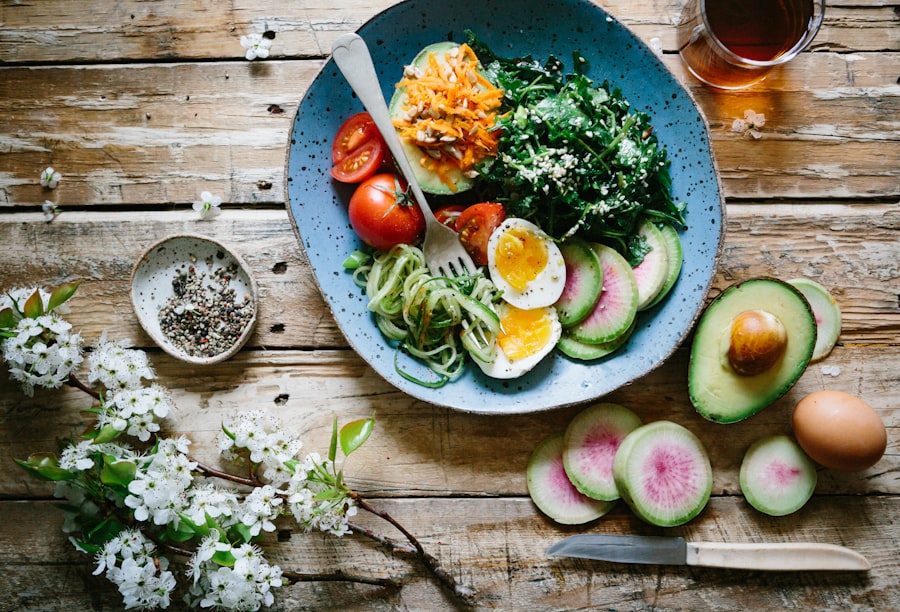
Incorporating probiotic-rich foods into our diet can be an effective way to support gut health during episodes of diarrhea. Probiotics are beneficial bacteria that help restore balance in our digestive system and can aid in recovery from gastrointestinal disturbances. Yogurt with live cultures is one of the most popular sources of probiotics; however, we should ensure that it is low in sugar and free from artificial additives.
Fermented foods such as kefir, sauerkraut, and kimchi are also excellent sources of probiotics that can help promote gut health. These foods contain live bacteria that can assist in restoring the natural flora in our intestines after an episode of diarrhea. By including these probiotic-rich options in our diet when we feel ready, we can enhance our recovery process and support long-term digestive health.
High-Fiber Foods to Help with Diarrhea
While high-fiber foods are generally beneficial for digestive health, they may not always be suitable during an active episode of diarrhea. However, once we start feeling better and our symptoms begin to subside, incorporating soluble fiber into our diet can help firm up stools and regulate bowel movements. Foods such as oats, chia seeds, and psyllium husk are excellent sources of soluble fiber that can aid in recovery.
We should also consider adding cooked vegetables like carrots or squash into our meals as they provide fiber without being overly harsh on the digestive system. These options allow us to gradually reintroduce fiber into our diet while still being mindful of our recovery process. By carefully selecting high-fiber foods as we heal, we can support our digestive health in the long run.
Electrolyte-Rich Foods and Drinks for Diarrhea
Electrolyte balance is crucial when dealing with diarrhea since we lose essential minerals through frequent bowel movements. Foods rich in electrolytes such as potassium, sodium, and magnesium should be prioritized during recovery. Bananas are an excellent source of potassium; however, we should also consider other options like avocados or spinach to diversify our intake.
Coconut water is another fantastic option for replenishing electrolytes naturally; it contains potassium and sodium while being hydrating at the same time. Sports drinks designed for rehydration can also be beneficial but should be consumed in moderation due to their sugar content. By focusing on electrolyte-rich foods and drinks during recovery, we can help restore balance in our bodies more effectively.
Foods to Soothe an Upset Stomach
When dealing with an upset stomach alongside diarrhea, certain foods can provide comfort and relief from discomfort. Ginger is well-known for its soothing properties; incorporating ginger tea or ginger ale (preferably flat) into our diet can help ease nausea and promote digestion. Additionally, peppermint tea may also provide relief by relaxing the muscles of the gastrointestinal tract.
Bone broth is another excellent option for soothing an upset stomach; it is gentle on the digestive system while providing essential nutrients that support healing. We should also consider consuming small amounts of honey; its natural sweetness can provide comfort while offering potential antibacterial properties that may aid in recovery. By focusing on these soothing foods and beverages, we can create a more comfortable experience during this challenging time.
Tips for Managing Diarrhea Through Diet
Managing diarrhea through diet requires a thoughtful approach that prioritizes hydration and gentle nourishment. One key tip is to eat small meals throughout the day rather than large portions; this allows our digestive system to process food more easily without becoming overwhelmed. We should also listen to our bodies; if certain foods trigger discomfort or worsen symptoms, it’s best to avoid them until we feel better.
Keeping a food diary may also be helpful in identifying any specific triggers related to our diet that could contribute to diarrhea episodes in the future. This practice allows us to become more aware of how different foods affect our bodies over time. Additionally, maintaining good hygiene practices such as washing hands before meals can help prevent infections that lead to diarrhea in the first place.
When to Seek Medical Attention for Diarrhea
While most cases of diarrhea resolve on their own with proper dietary management, there are instances when seeking medical attention becomes necessary. If diarrhea persists for more than two days without improvement or if we experience severe abdominal pain or fever, it’s essential to consult a healthcare professional promptly. Additionally, signs of dehydration such as excessive thirst, dry mouth, or decreased urination warrant immediate attention.
We should also be cautious if there is blood in our stools or if diarrhea occurs after recent travel or antibiotic use; these situations may indicate underlying issues that require further evaluation by a medical professional. By being vigilant about our symptoms and knowing when to seek help, we can ensure that we receive appropriate care while navigating through episodes of diarrhea effectively. In conclusion, understanding how diet impacts diarrhea allows us to make informed choices that promote healing and comfort during this challenging time.
By avoiding certain irritants while focusing on hydration and gentle nourishment through bland foods like those found in the BRAT diet or probiotic-rich options, we can support our recovery process effectively. With careful attention to what we eat and drink—and when to seek medical assistance—we empower ourselves to manage diarrhea more successfully while prioritizing our overall health.
If you are dealing with diarrhea, it is important to know what foods to eat to help alleviate symptoms. One related article that may be helpful is How Long Does Zepbound Fatigue Last: Duration Explained. This article discusses the duration of fatigue associated with a specific medical condition, providing insight into managing symptoms and understanding the recovery process. By learning more about different health conditions and their effects on the body, individuals can make informed decisions about their diet and overall well-being.
FAQs
What is diarrhea?
Diarrhea is a common condition characterized by loose, watery stools that occur more frequently than usual. It can be caused by a variety of factors, including infections, food intolerances, and certain medical conditions.
What should I eat when I have diarrhea?
When experiencing diarrhea, it is important to focus on staying hydrated and consuming easily digestible foods. This may include clear broths, bananas, rice, applesauce, toast (BRAT diet), boiled potatoes, and plain crackers.
What foods should I avoid when I have diarrhea?
It is best to avoid foods that can worsen diarrhea, such as greasy or fried foods, spicy foods, dairy products, caffeine, and alcohol. These can irritate the digestive system and exacerbate symptoms.
Is it important to stay hydrated when I have diarrhea?
Yes, staying hydrated is crucial when experiencing diarrhea. Diarrhea can lead to dehydration, so it is important to drink plenty of fluids such as water, clear broths, and electrolyte-replenishing drinks.
When should I seek medical attention for diarrhea?
If diarrhea is accompanied by severe abdominal pain, fever, blood in the stool, or lasts for more than a few days, it is important to seek medical attention. These symptoms may indicate a more serious underlying condition that requires treatment.