

To grasp the significance of glucose levels in our bodies, we must first understand what constitutes normal glucose levels. Typically, normal fasting blood glucose levels range from 70 to 99 mg/dL. This range is crucial for our overall health, as it indicates that our bodies are effectively managing glucose, which is a primary source of energy.
When we measure glucose levels after eating, known as post-meal or postprandial glucose levels, we expect them to rise but remain within a certain threshold. Generally, a post-meal glucose level of less than 140 mg/dL is considered normal for most individuals. Understanding these levels is not merely an academic exercise; it has real implications for our health.
Abnormal glucose levels can signal underlying issues such as insulin resistance or diabetes. By familiarizing ourselves with what constitutes normal and abnormal levels, we empower ourselves to take proactive steps in managing our health. This knowledge can lead to better lifestyle choices and ultimately contribute to our well-being.
Key Takeaways
- Normal glucose levels range from 70-99 mg/dL when fasting and up to 140 mg/dL after meals.
- Glucose plays a crucial role in providing energy to the body’s cells and is regulated by insulin and glucagon.
- Factors affecting post-meal glucose levels include the type and amount of food consumed, physical activity, and insulin sensitivity.
- Normal post-meal glucose levels should not exceed 180 mg/dL two hours after eating.
- Monitoring post-meal glucose levels is essential for individuals with diabetes to prevent complications and maintain overall health.
The Role of Glucose in the Body
Glucose plays a pivotal role in our bodies, serving as the primary fuel for our cells. When we consume carbohydrates, our bodies break them down into glucose, which is then transported through the bloodstream to various tissues and organs. This process is essential for maintaining energy levels throughout the day.
Our brains, in particular, rely heavily on glucose for optimal functioning, making it vital for cognitive processes such as memory and concentration. Moreover, glucose is not just an energy source; it also plays a role in various metabolic processes. It helps regulate our blood sugar levels and influences the release of insulin, a hormone that facilitates the uptake of glucose by cells.
This intricate balance is crucial for maintaining homeostasis within our bodies. When we understand the multifaceted role of glucose, we can appreciate why monitoring our levels is so important for our overall health.
Factors Affecting Post-Meal Glucose Levels
Several factors can influence our post-meal glucose levels, and understanding these can help us manage our health more effectively. One significant factor is the type of food we consume. Foods high in simple carbohydrates, such as sugary snacks and beverages, can cause a rapid spike in glucose levels.
In contrast, complex carbohydrates, such as whole grains and legumes, tend to result in a more gradual increase in glucose. This distinction highlights the importance of making informed dietary choices. Another critical factor is the timing and size of our meals.
Eating large portions or consuming meals too close together can lead to elevated post-meal glucose levels. Additionally, individual factors such as age, weight, and metabolic health can also play a role. For instance, as we age, our bodies may become less efficient at processing glucose, leading to higher post-meal levels.
By recognizing these factors, we can take steps to mitigate their impact on our glucose levels.
Normal Post-Meal Glucose Levels
Normal post-meal glucose levels are essential for maintaining overall health and preventing complications associated with abnormal levels. As mentioned earlier, a post-meal glucose level of less than 140 mg/dL is generally considered normal for most individuals. However, this threshold may vary based on individual circumstances, including age and existing health conditions.
For instance, older adults or those with diabetes may have different target ranges that their healthcare providers recommend. Understanding what constitutes normal post-meal glucose levels allows us to set realistic goals for ourselves. It also provides a benchmark against which we can measure our progress in managing our health.
By striving to maintain these levels within the recommended range, we can reduce the risk of developing chronic conditions such as type 2 diabetes or cardiovascular disease.
Monitoring Post-Meal Glucose Levels
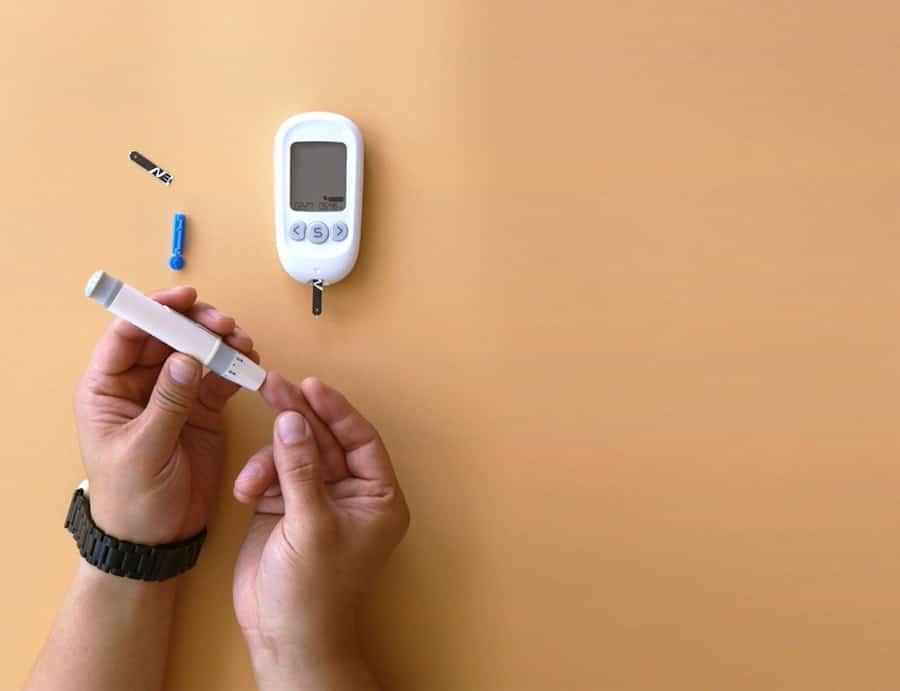
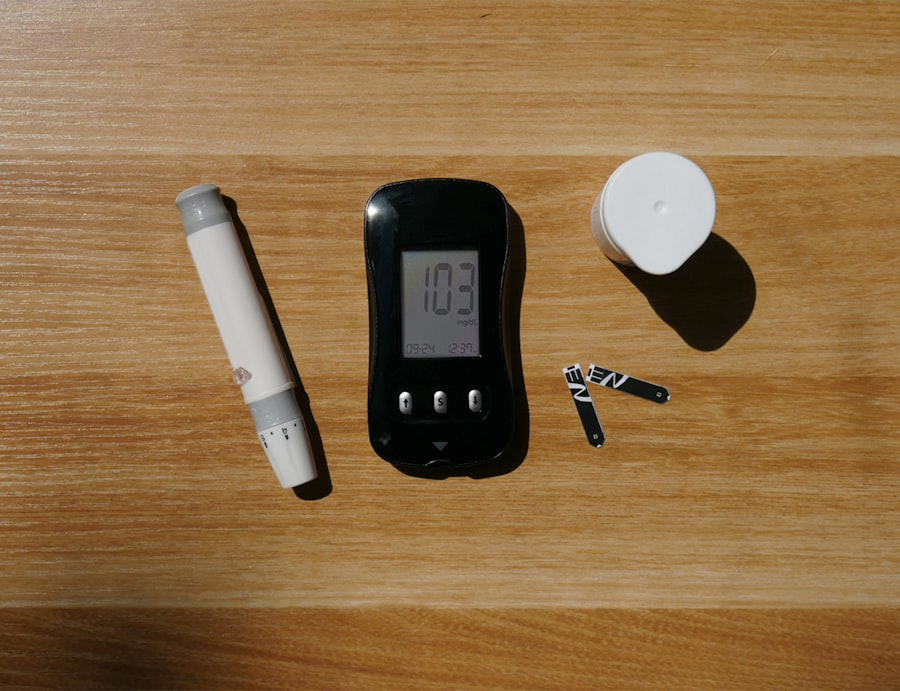
Monitoring our post-meal glucose levels is a crucial aspect of managing our health, especially for those at risk of diabetes or other metabolic disorders. Regular monitoring allows us to gain insights into how our bodies respond to different foods and meal patterns. We can use various methods to track our glucose levels, including continuous glucose monitors (CGMs) or traditional fingerstick blood tests.
By keeping a close eye on our post-meal glucose levels, we can identify patterns and make informed decisions about our diet and lifestyle. For example, if we notice that certain foods consistently lead to elevated glucose levels, we can adjust our eating habits accordingly. This proactive approach empowers us to take control of our health and make choices that support stable glucose levels.
Impact of Exercise on Post-Meal Glucose Levels
Exercise plays a significant role in regulating post-meal glucose levels. Engaging in physical activity after eating can enhance insulin sensitivity and promote the uptake of glucose by muscle cells. This means that when we exercise after a meal, our bodies are better equipped to manage the influx of glucose into the bloodstream.
As a result, we may experience lower post-meal glucose levels. Moreover, regular exercise contributes to long-term improvements in metabolic health. It helps maintain a healthy weight and reduces the risk of developing insulin resistance over time.
By incorporating physical activity into our daily routines, we not only improve our immediate post-meal responses but also set ourselves up for better overall health in the long run.
Diet and Post-Meal Glucose Levels
Our dietary choices have a profound impact on our post-meal glucose levels. Foods rich in fiber, healthy fats, and protein can help stabilize blood sugar levels by slowing down the absorption of glucose into the bloodstream. For instance, pairing carbohydrates with protein or healthy fats can mitigate spikes in post-meal glucose levels.
This is why balanced meals that include a variety of nutrients are essential for maintaining stable energy levels. Conversely, diets high in refined sugars and processed foods can lead to rapid increases in post-meal glucose levels. These foods often lack essential nutrients and fiber, making them less beneficial for overall health.
By being mindful of what we eat and opting for whole foods whenever possible, we can significantly influence our post-meal glucose responses and promote better health outcomes.
Managing Post-Meal Glucose Levels
Managing post-meal glucose levels involves a combination of dietary choices, physical activity, and regular monitoring. We can start by focusing on balanced meals that include complex carbohydrates, lean proteins, and healthy fats. Additionally, incorporating regular exercise into our routines can enhance our bodies’ ability to process glucose effectively.
It’s also essential to stay hydrated and manage stress levels, as both dehydration and stress can negatively impact blood sugar regulation. By adopting a holistic approach that encompasses various aspects of our lifestyle, we can take meaningful steps toward managing our post-meal glucose levels effectively.
Risks of Abnormal Post-Meal Glucose Levels
Abnormal post-meal glucose levels can pose significant risks to our health. Consistently elevated levels may indicate insulin resistance or prediabetes, conditions that increase the likelihood of developing type 2 diabetes over time.
Furthermore, prolonged periods of high blood sugar can lead to complications such as cardiovascular disease, nerve damage, and kidney problems.
On the other hand, low post-meal glucose levels—known as hypoglycemia—can also be dangerous. Symptoms may include dizziness, confusion, and even loss of consciousness in severe cases. Understanding these risks underscores the importance of monitoring and managing our post-meal glucose levels to prevent potential health complications.
When to Seek Medical Attention
While it’s essential for us to monitor our own health, there are times when seeking medical attention becomes necessary. If we consistently experience elevated post-meal glucose levels or symptoms associated with high or low blood sugar—such as extreme fatigue, excessive thirst, or frequent urination—it’s crucial to consult with a healthcare professional. They can provide guidance on appropriate testing and potential interventions.
Additionally, if we have a family history of diabetes or other metabolic disorders, regular check-ups become even more critical.
Early detection and intervention can make a significant difference in managing our health effectively and preventing long-term complications.
Maintaining Healthy Post-Meal Glucose Levels
In conclusion, maintaining healthy post-meal glucose levels is vital for our overall well-being. By understanding what constitutes normal levels and recognizing the factors that influence them—such as diet and exercise—we empower ourselves to make informed choices about our health. Regular monitoring allows us to track our progress and make necessary adjustments to our lifestyle.
Ultimately, by adopting a holistic approach that includes balanced nutrition, physical activity, stress management, and regular medical check-ups, we can take proactive steps toward maintaining healthy post-meal glucose levels. This commitment not only enhances our quality of life but also reduces the risk of developing chronic conditions associated with abnormal blood sugar regulation. Together, let’s prioritize our health and work towards achieving optimal well-being through mindful management of our glucose levels.
If you are interested in learning more about skin conditions, you may want to check out this article on Understanding and Treating Melasma Effectively. Melasma is a common skin condition that causes dark patches to appear on the face. Understanding the causes and treatment options for melasma can help you manage this condition effectively.
FAQs
What are normal glucose levels after eating?
Normal glucose levels after eating, also known as postprandial glucose levels, typically range from 90 to 140 mg/dL (5.0 to 7.8 mmol/L) for most people.
Why is it important to monitor glucose levels after eating?
Monitoring glucose levels after eating is important because it helps to assess how the body is processing and utilizing the carbohydrates from the meal. It also provides valuable information about insulin sensitivity and overall metabolic health.
What factors can affect glucose levels after eating?
Several factors can affect glucose levels after eating, including the type and amount of carbohydrates consumed, physical activity, insulin sensitivity, and individual metabolic differences.
What are the potential health implications of abnormal glucose levels after eating?
Abnormal glucose levels after eating, such as consistently high levels (hyperglycemia) or low levels (hypoglycemia), can indicate underlying health issues such as diabetes, insulin resistance, or impaired glucose tolerance. These conditions can increase the risk of long-term complications such as heart disease, kidney disease, and nerve damage.
How can one maintain normal glucose levels after eating?
Maintaining normal glucose levels after eating can be achieved through a balanced diet that includes a variety of nutrient-dense foods, regular physical activity, and monitoring carbohydrate intake. For individuals with diabetes or other metabolic conditions, medication and insulin therapy may also be necessary to help manage glucose levels after eating.