
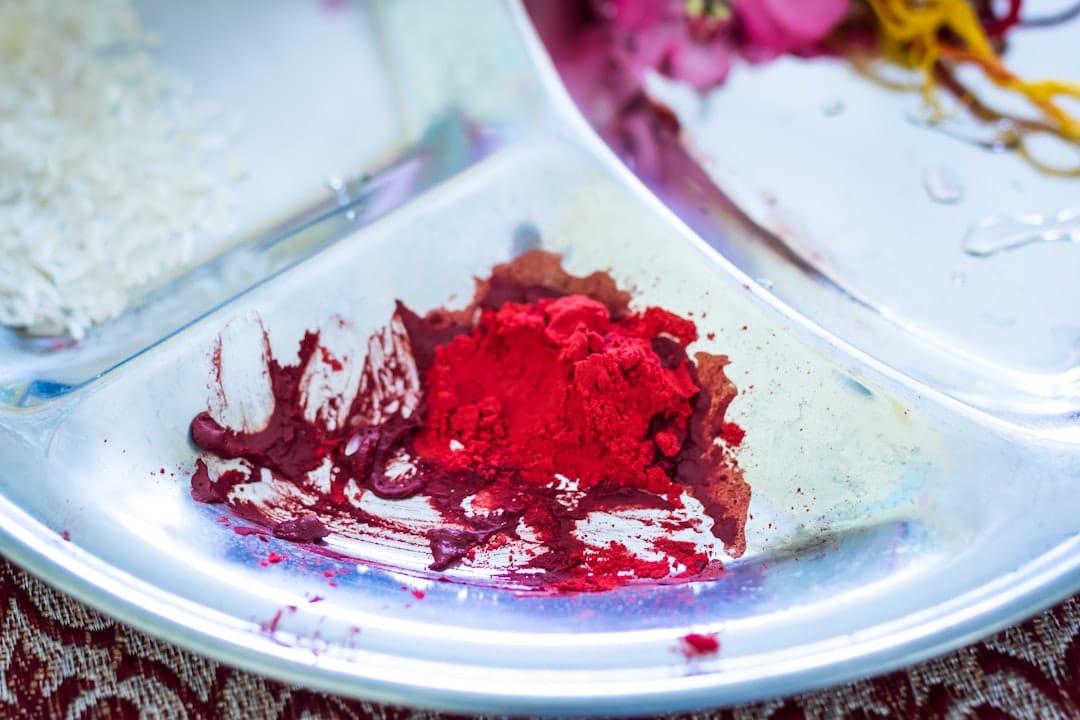
As we delve into the world of food additives, one particular ingredient often captures our attention: Red Dye 40. This synthetic dye, also known as Allura Red AC, is widely used in various products, from candies to beverages. Its vibrant hue not only enhances the visual appeal of food but also plays a significant role in consumer preferences.
As we explore the multifaceted nature of Red Dye 40, we will uncover its history, chemical composition, uses, and the controversies that surround it. In our modern society, where aesthetics often dictate choices, the presence of Red Dye 40 has become almost ubiquitous. It is not just a colorant; it is a symbol of the intersection between food science and consumer culture.
Understanding this dye’s journey from its inception to its current status in our food supply is essential for grasping its impact on our lives and health.
Key Takeaways
- Red Dye 40 is a synthetic food coloring used in a variety of food and beverage products.
- It was first developed in the early 20th century and has since become one of the most widely used food dyes.
- The chemical composition of Red Dye 40 includes aromatic hydrocarbons and azo compounds.
- Red Dye 40 is used to enhance the color of many processed foods and beverages, including candies, cereals, and soft drinks.
- Health concerns and controversies surrounding Red Dye 40 include potential links to hyperactivity in children and allergic reactions in some individuals.
History and development of Red Dye 40
The origins of Red Dye 40 can be traced back to the early 20th century when synthetic dyes began to emerge as alternatives to natural colorants derived from plants and insects. Initially, the food industry relied heavily on natural sources like cochineal, a dye obtained from crushed insects. However, as we moved into an era of mass production and globalization, the demand for consistent and vibrant colors led to the development of synthetic dyes, including Red Dye 40.
In 1971, the U.S.
Food and Drug Administration (FDA) approved Red Dye 40 for use in food products.
This marked a significant milestone in the dye’s history, as it became one of the most widely used artificial colorants in the United States.
Over the years, its popularity surged due to its stability and ability to produce bright red shades that appealed to consumers. As we reflect on this timeline, it becomes clear that Red Dye 40 has evolved alongside changing consumer preferences and advancements in food technology.
Chemical composition of Red Dye 40
Red Dye 40 is classified as a synthetic azo dye, which means it contains nitrogen atoms bonded to carbon atoms in a specific arrangement. Its chemical formula is C18H14N2Na2O8S2, indicating that it consists of various elements, including carbon, hydrogen, nitrogen, sodium, oxygen, and sulfur. This complex structure contributes to its vibrant red color and stability in various food products.
The dye’s solubility in water makes it particularly useful for a wide range of applications. When dissolved, Red Dye 40 exhibits a bright red hue that can enhance the visual appeal of foods and beverages. As we examine its chemical properties, we can appreciate how this synthetic dye has been engineered to meet the demands of modern food production while maintaining safety standards.
Uses of Red Dye 40 in food and beverages
Red Dye 40 finds its way into an impressive array of food and beverage products. From soft drinks and fruit juices to candies and baked goods, this dye is often employed to create eye-catching colors that entice consumers. For instance, we might find it in popular snacks like gummy bears or brightly colored cereals that appeal to children and adults alike.
Beyond its aesthetic appeal, Red Dye 40 also serves practical purposes in food production. It can help standardize color across batches, ensuring that consumers receive a consistent product every time they make a purchase. This consistency is crucial for brand loyalty and consumer satisfaction.
As we explore the various uses of Red Dye 40, we recognize its role not only as a colorant but also as a tool for manufacturers striving to meet consumer expectations.
Health concerns and controversies surrounding Red Dye 40
Despite its widespread use, Red Dye 40 has not been without controversy. Over the years, numerous studies have raised concerns about potential health risks associated with artificial colorants. Some research has suggested a link between Red Dye 40 and hyperactivity in children, leading to debates about its safety in food products aimed at younger audiences.
Moreover, there have been discussions about allergic reactions and sensitivities related to Red Dye 40. While most individuals can consume it without issue, some may experience adverse effects such as hives or gastrointestinal discomfort. As we navigate these health concerns, it becomes evident that public perception plays a significant role in shaping attitudes toward artificial additives like Red Dye 40.
Regulations and safety standards for Red Dye 40

In response to health concerns and public scrutiny, regulatory agencies have established guidelines for the use of Red Dye 40 in food products. The FDA continues to monitor its safety and has set acceptable daily intake levels to ensure consumer protection. These regulations are designed to balance the benefits of using synthetic dyes with potential health risks.
In addition to FDA regulations, other countries have implemented their own standards regarding artificial colorants. For instance, the European Union has stricter labeling requirements for food products containing certain dyes, including Red Dye 40. As we consider these regulations, it becomes clear that safety standards are essential for maintaining consumer trust and ensuring that food products are safe for consumption.
Alternatives to Red Dye 40 in food and beverages
As awareness of health concerns surrounding artificial colorants grows, many manufacturers are exploring alternatives to Red Dye 40. Natural colorants derived from fruits, vegetables, and spices are gaining popularity as consumers seek cleaner labels and more wholesome ingredients. For example, beet juice extract and paprika can provide vibrant red hues without the potential risks associated with synthetic dyes.
The shift toward natural alternatives reflects a broader trend in the food industry toward transparency and sustainability. As we embrace these changes, we may find ourselves drawn to products that prioritize natural ingredients over artificial additives. This evolution not only caters to consumer preferences but also encourages innovation within the food industry as manufacturers seek new ways to achieve appealing colors without compromising safety.
Potential side effects and allergic reactions to Red Dye 40
While many people consume products containing Red Dye 40 without any noticeable side effects, some individuals may experience adverse reactions. Allergic responses can manifest in various ways, including skin rashes, hives, or gastrointestinal issues. These reactions are relatively rare but highlight the importance of awareness regarding food additives.
Additionally, some studies have suggested a potential link between Red Dye 40 and behavioral issues in children. Although research findings are mixed and further investigation is needed, parents may choose to limit their children’s exposure to artificial colorants as a precautionary measure. As we consider these potential side effects, it becomes crucial for consumers to stay informed about what they are putting into their bodies.
Red Dye 40 in cosmetics and personal care products
Beyond its presence in food and beverages, Red Dye 40 also finds applications in cosmetics and personal care products. From lipsticks to shampoos, this dye is often used to achieve vibrant colors that enhance product appeal. The cosmetic industry relies on colorants like Red Dye 40 to create visually striking products that attract consumers.
However, just as with food products, there are ongoing discussions about the safety of using synthetic dyes in cosmetics. Regulatory agencies have established guidelines for their use in personal care items, but some consumers remain cautious about potential skin sensitivities or allergic reactions. As we navigate this landscape, it is essential for us to consider both the aesthetic benefits and potential risks associated with using products containing Red Dye 40.
Environmental impact of Red Dye 40
The production and disposal of synthetic dyes like Red Dye 40 raise important environmental considerations. The manufacturing process often involves chemical reactions that can generate waste products harmful to ecosystems if not managed properly. Additionally, as consumers become more environmentally conscious, there is growing pressure on manufacturers to adopt sustainable practices.
Efforts are being made within the industry to reduce the environmental footprint associated with synthetic dyes by exploring greener alternatives and improving waste management practices. As we reflect on these developments, it becomes clear that addressing environmental concerns is an integral part of the conversation surrounding Red Dye 40 and other artificial additives.
Conclusion and future outlook for Red Dye 40
As we conclude our exploration of Red Dye 40, it is evident that this synthetic dye occupies a complex space within our food system and beyond. While it offers vibrant colors that enhance consumer appeal, it also raises important questions about health risks, regulatory standards, and environmental impact. The ongoing dialogue surrounding artificial colorants reflects broader societal trends toward transparency and sustainability.
Looking ahead, we may witness a continued shift toward natural alternatives as consumers demand cleaner labels and safer ingredients. The future of Red Dye 40 will likely depend on how manufacturers respond to these changing preferences while balancing safety and innovation. As we navigate this evolving landscape together, it is essential for us to remain informed about the ingredients in our food and personal care products while advocating for practices that prioritize both health and environmental sustainability.
If you are interested in learning more about the potential health risks associated with consuming artificial food dyes like Red Dye 40, you may also want to read this article on compulsive hoarding disorder. This article discusses the psychological factors that contribute to hoarding behavior and offers insights into how individuals can seek help for this challenging condition. Understanding the impact of mental health on our overall well-being is crucial for making informed decisions about our diet and lifestyle choices.
FAQs
What is Red Dye 40?
Red Dye 40 is a synthetic food coloring that is commonly used in a variety of food and beverage products.
What is the purpose of Red Dye 40?
Red Dye 40 is used to add a red color to food and beverages, as well as to enhance their visual appeal.
Is Red Dye 40 safe to consume?
The safety of Red Dye 40 has been a topic of debate. While the FDA has approved its use in food and beverages, some studies have suggested potential links to hyperactivity and other adverse effects in children.
What products commonly contain Red Dye 40?
Red Dye 40 can be found in a wide range of products, including candy, soft drinks, baked goods, gelatin desserts, and more.
Are there any alternatives to Red Dye 40?
There are natural alternatives to Red Dye 40, such as beet juice, paprika, and other plant-based colorings that can be used to achieve a red hue in food and beverages.