
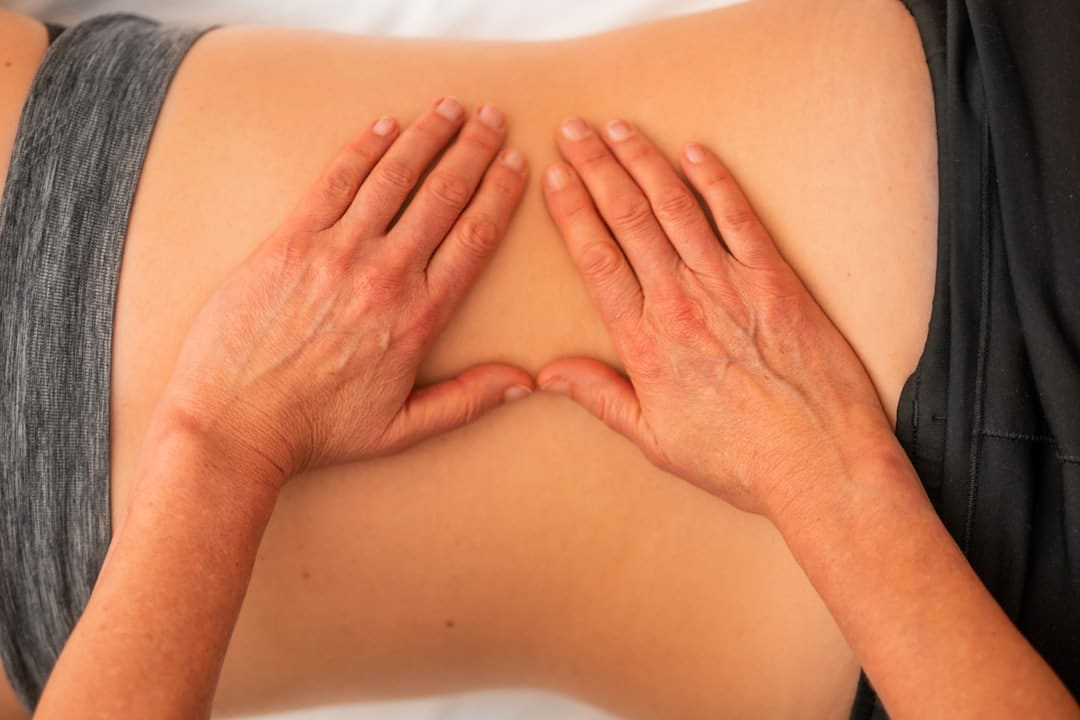
Osteopathic medicine is a distinctive branch of healthcare that emphasizes a holistic approach to patient care.
This philosophy was established in the late 19th century by Dr.
Andrew Taylor Still, who sought to create a medical practice that considered the whole person rather than merely treating isolated symptoms. Today, osteopathic physicians, or DOs, are fully licensed medical professionals who practice in all areas of medicine, providing comprehensive care that integrates the mind, body, and spirit. In recent years, the popularity of osteopathic medicine has surged, with an increasing number of medical students choosing to pursue this path.
This growth reflects a broader societal shift towards more holistic and patient-centered approaches in healthcare. As we explore the various facets of osteopathic medicine, we will uncover how its unique principles and practices contribute to the overall well-being of patients and the healthcare system as a whole.
Key Takeaways
- Osteopathic medicine emphasizes the interrelationship of the body’s nerves, muscles, bones, and organs for overall health and well-being.
- Osteopathic physicians receive the same medical education and training as allopathic physicians, with additional training in osteopathic manipulative treatment (OMT).
- Osteopathic philosophy focuses on treating the whole patient, not just the symptoms, and emphasizes preventive care and the body’s natural ability to heal itself.
- OMT is a hands-on treatment used by osteopathic physicians to diagnose, treat, and prevent illness or injury, and is often used in conjunction with other medical treatments.
- Osteopathic physicians have a full scope of practice, including prescribing medication, performing surgery, and practicing in all medical specialties and subspecialties.
Education and Training of Osteopathic Physicians
Foundational Education
After completing a bachelor’s degree, aspiring DOs must attend an accredited osteopathic medical school, where they undergo four years of intensive study. The curriculum is similar to that of allopathic medical schools, covering essential subjects such as anatomy, pharmacology, and pathology.
Osteopathic Distinctions
However, osteopathic schools also place a significant emphasis on the principles of osteopathy and the practice of Osteopathic Manipulative Treatment (OMT). During their education, students engage in hands-on training that allows them to develop their skills in diagnosing and treating patients.
Real-World Preparation
This practical experience is complemented by clinical rotations in various medical specialties, where they learn to apply their knowledge in real-world settings. By the time they graduate, osteopathic physicians are well-prepared to enter residency programs and begin their careers in medicine, equipped with a unique perspective that sets them apart from their allopathic counterparts.
Osteopathic Philosophy and Approach to Patient Care
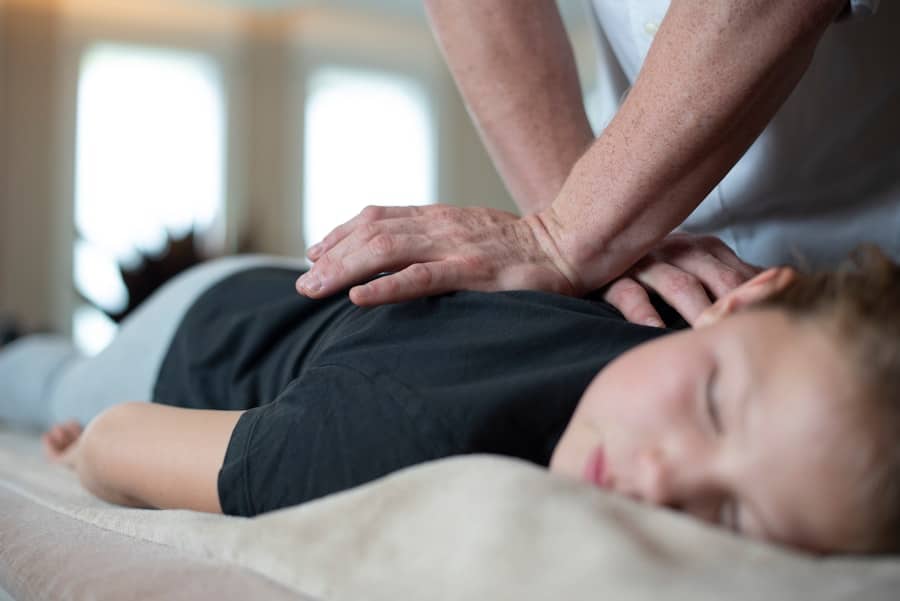
At the heart of osteopathic medicine lies a philosophy that prioritizes the interconnectedness of the body’s systems. We believe that health is not merely the absence of disease but a state of complete physical, mental, and social well-being. This holistic perspective encourages us to consider not only the physical symptoms presented by patients but also their emotional and social contexts.
By understanding the whole person, we can provide more effective and personalized care. This approach fosters strong doctor-patient relationships built on trust and communication. We take the time to listen to our patients’ concerns and understand their lifestyles, which allows us to tailor treatment plans that address their unique needs.
This collaborative approach not only enhances patient satisfaction but also leads to better health outcomes.
Osteopathic Manipulative Treatment (OMT)
Osteopathic Manipulative Treatment (OMT) is one of the defining features of osteopathic medicine. It involves a range of hands-on techniques used to diagnose and treat various conditions by manipulating the musculoskeletal system. Through OMT, we can alleviate pain, improve mobility, and enhance overall function.
This treatment modality is based on the understanding that the body’s structure and function are closely related; thus, addressing structural issues can lead to improvements in health. OMT techniques can vary widely, from gentle stretching and pressure to more forceful manipulations. We utilize these techniques not only for musculoskeletal issues but also for a variety of conditions such as headaches, respiratory problems, and digestive disorders.
The versatility of OMT allows us to provide comprehensive care that complements traditional medical treatments. As we continue to refine our skills in OMT, we remain committed to advancing our understanding of its efficacy through research and clinical practice.
Scope of Practice for Osteopathic Physicians
Osteopathic physicians are fully licensed to practice medicine in all 50 states and can prescribe medications, perform surgeries, and provide comprehensive care across various medical specialties. Our training equips us with a broad skill set that allows us to address a wide range of health issues. Whether we choose to work in primary care or specialize in fields such as pediatrics, surgery, or psychiatry, we are prepared to deliver high-quality care.
The scope of practice for DOs is continually evolving as we adapt to the changing landscape of healthcare. We often find ourselves at the forefront of addressing public health challenges and advocating for preventive care measures. By embracing our role as primary care providers, we can help bridge gaps in access to healthcare services and ensure that patients receive the comprehensive care they need.
Specialties and Subspecialties in Osteopathic Medicine

Primary Care and Long-Term Relationships
Some osteopathic physicians choose to focus on disciplines such as family medicine or internal medicine, where they can build long-term relationships with patients and address their health needs over time.
Surgical Specialties and High-Pressure Environments
Others may opt for surgical specialties or fields like emergency medicine, where they can apply their skills in high-pressure environments.
Subspecialties and Specialized Care
In addition to traditional specialties, there are numerous subspecialties within osteopathic medicine that cater to specific patient populations or conditions. For instance, some osteopathic physicians may specialize in sports medicine, geriatrics, or pain management. This diversity not only enriches our profession but also enhances the quality of care available to patients across various demographics.
Collaborative Care and Interprofessional Approach
In today’s complex healthcare environment, collaboration among healthcare professionals is essential for delivering optimal patient care. As osteopathic physicians, we recognize the importance of working alongside other healthcare providers—such as nurses, physical therapists, pharmacists, and social workers—to create comprehensive treatment plans that address all aspects of a patient’s health. Our interprofessional approach fosters open communication and shared decision-making among team members.
By leveraging each other’s expertise, we can provide more coordinated care that ultimately leads to better health outcomes for patients. This collaborative model not only enhances patient satisfaction but also promotes a culture of teamwork within healthcare settings.
Osteopathic Research and Contributions to Medicine
Research plays a vital role in advancing the field of osteopathic medicine and validating its practices. As we engage in research initiatives, we contribute to a growing body of evidence that supports the efficacy of osteopathic principles and treatments. Our commitment to research allows us to stay at the forefront of medical advancements while ensuring that our practices are grounded in scientific evidence.
Osteopathic physicians have made significant contributions across various areas of medicine, from public health initiatives to innovative treatment modalities. By participating in clinical trials and studies, we help shape the future of healthcare by exploring new therapies and improving existing practices. Our dedication to research not only enhances our understanding of patient care but also reinforces our role as leaders in the medical community.
Osteopathic Advocacy and Public Health Initiatives
Advocacy is an integral part of our mission as osteopathic physicians. We are committed to promoting health equity and addressing social determinants of health that impact our patients’ well-being. Through various public health initiatives, we strive to raise awareness about critical health issues such as obesity, mental health, and access to care.
By engaging with policymakers and community organizations, we work towards creating healthier environments for our patients and communities. Our advocacy efforts extend beyond individual patient care; they encompass broader systemic changes aimed at improving public health outcomes for all populations. As we continue to champion these causes, we remain dedicated to making a positive impact on society.
Osteopathic Physicians in the Healthcare System
Osteopathic physicians play a crucial role within the broader healthcare system. As primary care providers, we often serve as the first point of contact for patients seeking medical attention. Our holistic approach allows us to identify underlying issues that may not be immediately apparent, ensuring that patients receive comprehensive evaluations and appropriate referrals when necessary.
In addition to our clinical roles, many DOs are involved in leadership positions within healthcare organizations or serve as educators in academic settings. By sharing our knowledge and expertise with future generations of healthcare professionals, we contribute to shaping the future of medicine. Our presence within the healthcare system underscores our commitment to providing high-quality care while advocating for policies that promote health equity and access.
The Future of Osteopathic Medicine
As we look ahead to the future of osteopathic medicine, we are filled with optimism about its continued growth and evolution. The increasing recognition of holistic approaches in healthcare aligns with our core principles, positioning us well within an ever-changing landscape. As more individuals seek comprehensive care that addresses both physical and emotional well-being, osteopathic physicians will play an increasingly vital role.
We are committed to advancing our practice through ongoing education, research, and advocacy efforts. By embracing innovation while remaining true to our foundational philosophy, we can continue to provide exceptional care that meets the needs of our patients and communities. The future of osteopathic medicine is bright as we strive towards excellence in patient care while fostering a healthier society for all.
If you’re interested in learning more about the medical field, you may also want to check out this article on the significance of the medical abbreviation QD. Understanding medical terminology can be crucial for patients and healthcare professionals alike.
FAQs
What is a Doctor of Osteopathic Medicine (DO)?
A Doctor of Osteopathic Medicine (DO) is a fully licensed physician who has attended medical school and completed a residency program, but also has additional training in osteopathic manipulative treatment (OMT) and a holistic approach to patient care.
What does a Doctor of Osteopathic Medicine do?
A Doctor of Osteopathic Medicine (DO) provides medical care to patients, including diagnosing and treating illnesses, prescribing medications, performing surgeries, and providing preventive care. They may also use osteopathic manipulative treatment (OMT) to diagnose and treat patients.
How is a Doctor of Osteopathic Medicine different from a Doctor of Medicine (MD)?
Both DOs and MDs are fully licensed physicians, but DOs receive additional training in osteopathic manipulative treatment (OMT) and a holistic approach to patient care. MDs typically focus on the diagnosis and treatment of medical conditions using medications and surgeries.
What is osteopathic manipulative treatment (OMT)?
Osteopathic manipulative treatment (OMT) is a hands-on technique used by Doctors of Osteopathic Medicine (DOs) to diagnose, treat, and prevent musculoskeletal problems and other medical conditions. OMT involves using the hands to apply gentle pressure, resistance, and stretching to improve the body’s structure and function.
Where do Doctors of Osteopathic Medicine work?
Doctors of Osteopathic Medicine (DOs) work in various healthcare settings, including hospitals, clinics, private practices, and academic institutions. They may also specialize in areas such as family medicine, internal medicine, pediatrics, obstetrics and gynecology, and surgery.