

Peroneal tendonitis is a condition that affects the tendons of the peroneal muscles, which are located on the outer side of the lower leg. These tendons play a crucial role in stabilizing the ankle and foot, allowing us to perform various activities such as walking, running, and jumping. When we engage in repetitive activities or experience sudden increases in physical demands, the peroneal tendons can become inflamed, leading to pain and discomfort.
This condition is particularly common among athletes and individuals who participate in sports that involve lateral movements, such as soccer, basketball, and tennis. As we delve deeper into the mechanics of peroneal tendonitis, it becomes evident that understanding its implications is essential for effective management. The peroneal tendons consist of two main components: the peroneus longus and the peroneus brevis.
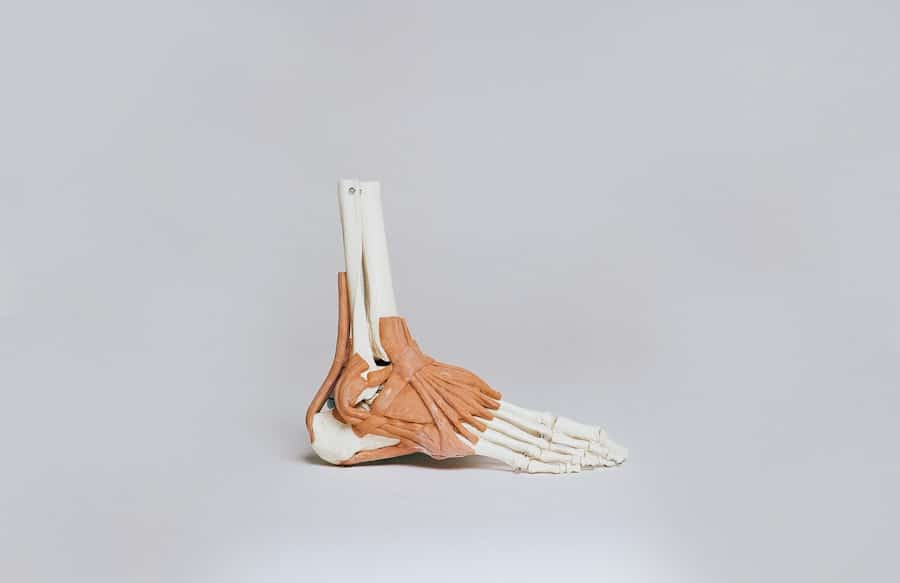
These tendons run along the outside of the ankle and attach to various bones in the foot. When we experience tendonitis, it can result in a range of symptoms that may hinder our ability to engage in physical activities. Recognizing the signs and understanding the underlying causes can help us take proactive steps toward recovery.
Key Takeaways
- Peroneal tendonitis is an inflammation of the peroneal tendons, which run behind the outer ankle bone.
- Common causes of peroneal tendonitis include overuse, improper footwear, and ankle instability.
- Symptoms of peroneal tendonitis may include pain, swelling, and a feeling of instability in the ankle.
- Diagnosing peroneal tendonitis may involve a physical examination, imaging tests, and possibly an MRI.
- Treatment options for peroneal tendonitis include rest, ice, compression, elevation, and in some cases, surgery.
Causes of Peroneal Tendonitis
Overuse and Athletic Activities
One primary contributor to peroneal tendonitis is overuse, which occurs when we push our bodies beyond their limits without allowing adequate time for recovery. This is particularly common among athletes who may increase their training intensity or duration too quickly.
Improper Footwear and Biomechanical Issues
Additionally, improper footwear can exacerbate the condition; shoes that lack proper support or cushioning can place undue stress on the peroneal tendons, leading to inflammation. Another significant factor in the development of peroneal tendonitis is biomechanical issues. Our individual gait patterns and foot structure can influence how forces are distributed during movement.
Foot Structure and Environmental Factors
For instance, individuals with flat feet or high arches may experience altered mechanics that place additional strain on the peroneal tendons. Furthermore, engaging in activities on uneven surfaces or participating in sports that require sudden changes in direction can also contribute to the onset of this condition. By understanding these causes, we can better tailor our approach to prevention and treatment.
Symptoms of Peroneal Tendonitis
When we experience peroneal tendonitis, the symptoms can manifest in various ways, often making it challenging to engage in daily activities. One of the most common signs is pain along the outer side of the ankle, which may worsen with movement or weight-bearing activities. This discomfort can range from a dull ache to sharp pain, depending on the severity of the inflammation.
As we continue our activities, we may also notice swelling or tenderness around the affected area, which can further limit our mobility. In addition to pain and swelling, we might experience stiffness in the ankle joint, particularly after periods of rest. This stiffness can make it difficult to perform simple tasks such as walking or climbing stairs.
In some cases, we may also notice a popping or clicking sensation when moving our foot, which can be alarming and indicative of underlying issues with the tendons. Recognizing these symptoms early on is crucial for seeking appropriate treatment and preventing further complications.
Diagnosing Peroneal Tendonitis
Diagnosing peroneal tendonitis typically involves a comprehensive evaluation by a healthcare professional. When we visit a doctor or physical therapist, they will begin by taking a detailed medical history and asking about our symptoms. This initial assessment helps them understand our activity levels, any previous injuries, and how long we have been experiencing discomfort.
Following this discussion, they will likely perform a physical examination to assess our range of motion, strength, and any areas of tenderness around the ankle. In some cases, imaging tests such as X-rays or MRI scans may be necessary to rule out other conditions or injuries. These tests can provide valuable insights into the state of our tendons and surrounding structures.
By combining our reported symptoms with clinical findings and imaging results, healthcare professionals can arrive at an accurate diagnosis of peroneal tendonitis. This thorough approach ensures that we receive appropriate treatment tailored to our specific needs.
Treatment Options for Peroneal Tendonitis
Once diagnosed with peroneal tendonitis, we have several treatment options available to help alleviate pain and promote healing. Initially, conservative measures are often recommended. Resting the affected area is crucial; this allows inflammation to subside and prevents further irritation of the tendons.
We may also benefit from applying ice to reduce swelling and taking over-the-counter anti-inflammatory medications to manage pain. As we progress in our recovery, physical therapy may be introduced as a key component of our treatment plan. A physical therapist can guide us through exercises designed to strengthen the muscles surrounding the ankle and improve flexibility.
These exercises not only aid in recovery but also help prevent future occurrences of tendonitis by addressing any underlying biomechanical issues. In more severe cases where conservative treatments fail to provide relief, corticosteroid injections or even surgical intervention may be considered.
Rest and Recovery for Peroneal Tendonitis

Rest is an essential aspect of our recovery journey from peroneal tendonitis. When we allow our bodies time to heal, we significantly reduce the risk of exacerbating our condition. During this period, it’s important for us to listen to our bodies and avoid activities that provoke pain or discomfort.
While complete immobilization may not be necessary, modifying our activity levels can facilitate healing while still allowing us to maintain some level of fitness. In addition to rest, incorporating gentle stretching and mobility exercises can aid in recovery without placing undue stress on the tendons. We should focus on maintaining flexibility in our calf muscles and Achilles tendon, as tightness in these areas can contribute to increased strain on the peroneal tendons.
By balancing rest with appropriate movement, we create an environment conducive to healing while preparing ourselves for a gradual return to our regular activities.
Physical Therapy for Peroneal Tendonitis
Physical therapy plays a pivotal role in our rehabilitation from peroneal tendonitis. Once we have allowed sufficient time for initial healing, a physical therapist can design a personalized program tailored to our specific needs and goals. This program typically includes a combination of strengthening exercises aimed at building resilience in the muscles surrounding the ankle joint.
Strengthening these muscles not only alleviates pressure on the peroneal tendons but also enhances overall stability. In addition to strengthening exercises, physical therapy often incorporates techniques such as manual therapy and modalities like ultrasound or electrical stimulation. These approaches can help reduce pain and inflammation while promoting blood flow to the affected area.
As we progress through therapy, our therapist will gradually introduce more dynamic movements that mimic our sport-specific activities, ensuring that we regain confidence in our ankle’s function before returning to full participation.
Preventing Peroneal Tendonitis
Prevention is key when it comes to avoiding peroneal tendonitis in the future. One of the most effective strategies is ensuring that we wear appropriate footwear that provides adequate support and cushioning for our feet during physical activities. Investing in shoes designed for our specific sport or activity can significantly reduce stress on the peroneal tendons.
Additionally, incorporating a well-rounded conditioning program into our routine can help us build strength and flexibility throughout our lower extremities. This includes not only targeted exercises for the peroneal muscles but also strengthening exercises for the calves, hamstrings, and quadriceps. By maintaining balanced muscle strength and flexibility, we can improve our overall biomechanics and reduce the risk of developing tendonitis again.
When to Seek Medical Attention for Peroneal Tendonitis
While many cases of peroneal tendonitis can be managed with conservative measures at home, there are instances when seeking medical attention becomes necessary. If we experience persistent pain that does not improve with rest or over-the-counter treatments, it’s essential to consult a healthcare professional for further evaluation.
Furthermore, if we experience any unusual symptoms such as numbness or tingling in the foot or toes, it’s crucial to seek immediate medical attention. These sensations could indicate nerve involvement or other complications that need prompt assessment and treatment.
Potential Complications of Peroneal Tendonitis
If left untreated or improperly managed, peroneal tendonitis can lead to several complications that may hinder our recovery process. One potential complication is chronic pain or persistent inflammation that could result in long-term disability if not addressed appropriately. Additionally, ongoing strain on the peroneal tendons may lead to tears or ruptures, which would require more invasive treatment options such as surgery.
Another concern is compensatory injuries that may arise due to altered movement patterns while trying to avoid pain from tendonitis. For instance, if we unconsciously change how we walk or run due to discomfort in one ankle, it could lead to strain on other joints or muscles throughout our body. This highlights the importance of addressing peroneal tendonitis promptly and effectively to prevent a cascade of related issues.
Long-Term Outlook for Peroneal Tendonitis
The long-term outlook for individuals with peroneal tendonitis is generally positive when appropriate treatment measures are taken early on. With proper rest, rehabilitation through physical therapy, and adherence to preventive strategies, most individuals can expect a full recovery within weeks to months depending on the severity of their condition.
However, it’s essential for us to remain vigilant about maintaining good practices even after recovery. Continuing with strength training and flexibility exercises will help us sustain optimal function in our ankles while reducing the risk of recurrence. By taking proactive steps toward prevention and being mindful of any early signs of discomfort in the future, we can enjoy an active lifestyle free from the limitations imposed by peroneal tendonitis.
If you are dealing with Peroneal Tendonitis, it is important to take care of your body and avoid activities that may exacerbate the condition. In addition to proper treatment and rest, it is also crucial to consider how certain medications may interact with alcohol. A recent article on Life Medical Lab discusses whether it is safe to drink alcohol while taking Paxlovid for COVID-19. It is always important to be informed about potential interactions between medications and alcohol to ensure your health and safety. Read more here.
FAQs
What is Peroneal Tendonitis?
Peroneal tendonitis is a condition characterized by inflammation of the peroneal tendons, which run along the outer side of the lower leg and ankle.
What are the Symptoms of Peroneal Tendonitis?
Symptoms of peroneal tendonitis may include pain, swelling, and tenderness along the outer side of the lower leg and ankle, as well as difficulty with certain movements such as walking or running.
What Causes Peroneal Tendonitis?
Peroneal tendonitis can be caused by overuse, repetitive stress, improper footwear, ankle instability, or a sudden increase in physical activity.
How is Peroneal Tendonitis Diagnosed?
A healthcare professional can diagnose peroneal tendonitis through a physical examination, imaging tests such as X-rays or MRI, and by assessing the patient’s medical history and symptoms.
What are the Treatment Options for Peroneal Tendonitis?
Treatment for peroneal tendonitis may include rest, ice, compression, elevation (RICE), physical therapy, orthotic devices, nonsteroidal anti-inflammatory drugs (NSAIDs), and in severe cases, surgery.
Can Peroneal Tendonitis be Prevented?
Preventative measures for peroneal tendonitis include wearing proper footwear, gradually increasing physical activity, strengthening the muscles around the ankle, and using orthotic devices if necessary.