

Can a gentle, non-invasive technique really make a difference in overall health? Osteopathic cranial therapy, also known as cranial osteopathy, is a form of manual therapy that focuses on the subtle movements of the cranial bones and their impact on the body.
This approach is based on the principle that the body has inherent self-healing mechanisms that can be supported through gentle manipulation techniques. By applying gentle pressure along the head and spine, practitioners aim to release pressure in the tissue and promote overall wellbeing.
Key Takeaways
- Gentle, non-invasive approach to healthcare
- Focuses on subtle movements of cranial bones
- Supports body’s self-healing mechanisms
- May alleviate various health conditions
- Promotes overall wellbeing
What Is Osteopathic Cranial Therapy?
Understanding Osteopathic Cranial Therapy requires a look into its foundational principles and history. This form of therapy is a distinctive approach within the broader field of osteopathic medicine, focusing on the manipulation of the skull and its contents to promote overall health.
Definition and Basic Principles
Osteopathic Cranial Therapy, also known as cranial osteopathy, is based on the idea that the bones of the skull are not fused but rather have the ability to move. This concept is central to its practice, which involves gentle manipulations to restore balance to the craniosacral system. Practitioners believe that by improving the mobility of the cranial bones, they can enhance the functioning of the central nervous system.
Origins and Development
Osteopathic Cranial Therapy was developed in the 1930s by William Garner Sutherland, a student of Andrew Taylor Still, the founder of osteopathic medicine. Sutherland’s work challenged the prevailing medical belief that adult cranial bones were fused and immobile. Research in the late 1970s at Michigan State University’s College of Osteopathic Medicine provided evidence supporting Sutherland’s theory by demonstrating cranial bone motion in X-ray films, as discussed in a study available on PMC.
| Key Figures | Contribution |
|---|---|
| William Garner Sutherland | Developed Osteopathic Cranial Therapy in the 1930s |
| Andrew Taylor Still | Founder of osteopathic medicine |
| Michigan State University’s College of Osteopathic Medicine | Provided research evidence supporting Sutherland’s theory |
The Science Behind Osteopathic Cranial Therapy
Osteopathic Cranial Therapy is rooted in a deep understanding of the intricate relationships between the body’s structures and functions. Practitioners use their hands to gently free up restrictions in the movement of cranial bones and associated soft tissues, stimulating the flow of cerebrospinal fluid that bathes the brain and spinal cord.
Theoretical Framework
The theoretical framework of Osteopathic Cranial Therapy is based on the concept that the body has an inherent capacity for self-healing. Practitioners believe that distortions in the natural rhythms of the central nervous system, resulting from various traumas, can be corrected through gentle manipulation. This approach aims to restore balance and promote overall well-being.
The Craniosacral System
The craniosacral system, comprising membranes and cerebrospinal fluid surrounding the brain and spinal cord, plays a crucial role in this therapy. Key aspects of this system include:
- The craniosacral system extends from the cranium to the sacrum, protecting the central nervous system.
- Cerebrospinal fluid provides nutrition, removes waste, and cushions the brain and spinal cord.
- The dural membrane connects cranial bones to the sacrum, forming a continuous system.
- Restrictions in this system can impact cerebrospinal fluid circulation and overall health.
How Osteopathic Cranial Therapy Works
Through gentle manipulations, osteopathic cranial therapy aims to normalize the flow of cerebrospinal fluid, which is believed to be crucial for maintaining optimal health. Practitioners use their hands to gently free up restrictions in the movement of cranial bones and associated soft tissues.
Techniques and Manipulations
Osteopathic cranial therapy involves a series of subtle manipulations that aim to release tensions in the craniosacral system. By doing so, practitioners believe that they can improve the functioning of the central nervous system and overall well-being. The treatment is typically gentle and non-invasive.
The Role of Cerebrospinal Fluid
Cerebrospinal fluid (CSF) plays a central role in osteopathic cranial therapy. It circulates throughout the ventricles of the brain and around the spinal cord, providing essential nutrients and removing waste products. Practitioners believe that optimizing its flow is key to improving overall health and neurological function. The therapy may help enhance the natural flow of CSF, potentially supporting the body’s natural healing mechanisms.
Potential Benefits of Osteopathic Cranial Therapy
As a gentle approach to healthcare, Osteopathic Cranial Therapy is being considered for its therapeutic benefits. This form of therapy may help alleviate various health conditions, offering a non-invasive treatment option.
The effects of Osteopathic Cranial Therapy on the body are multifaceted, potentially improving overall well-being by enhancing the body’s natural healing processes.
Common Conditions Treated
Osteopathic Cranial Therapy may help in managing certain types of pain and other conditions. Research suggests that this therapy can be beneficial for patients experiencing concussion symptoms, among other health issues.
What Current Research Says
Current studies on Osteopathic Cranial Therapy present a mixed picture, with some indicating positive outcomes while others highlight the need for more rigorous evidence. A 2020 study found that patients with concussions who received osteopathic manipulative medicine experienced significantly decreased symptom severity.
Despite the variability in research findings, many patients report subjective improvements in symptoms and quality of life following cranial osteopathy treatment, suggesting potential benefits that warrant further investigation.
What to Expect During a Session
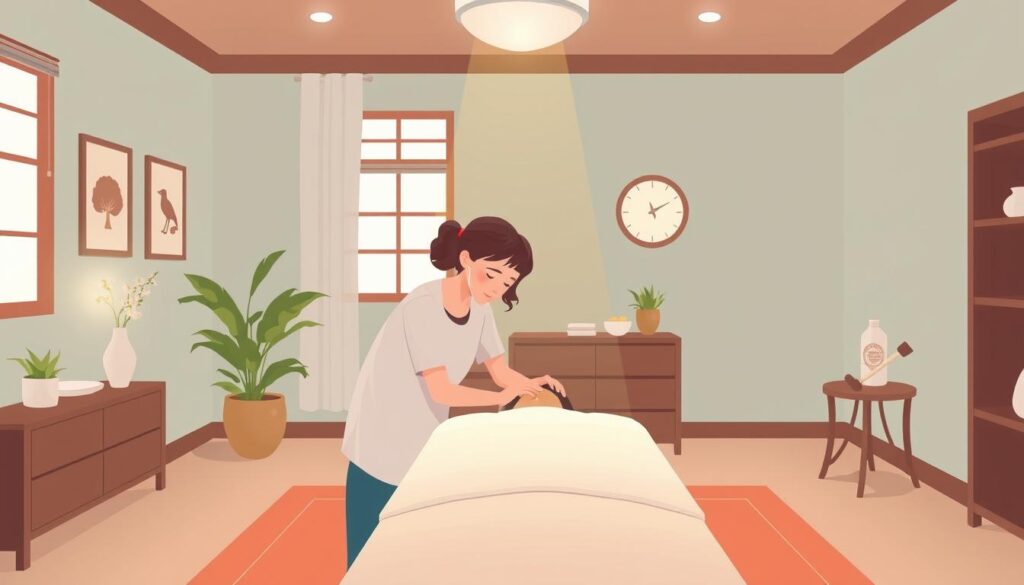
Osteopathic cranial therapy sessions are designed to provide a calming and restorative experience. The therapy focuses on gentle manipulations that can help alleviate tension and promote overall well-being.
Initial Consultation and Assessment
The initial visit typically lasts 45 minutes to an hour. During this time, the practitioner will conduct a thorough assessment to understand your specific needs and concerns. This consultation is crucial in tailoring the treatment to address your particular issues.
Treatment Process and Sensations
During the treatment process, you’ll typically lie fully clothed on a comfortable treatment table. The practitioner will apply extremely gentle touch to different areas of your body, particularly your head, spine, and pelvis. Many patients report experiencing a deep sense of relaxation, with some describing sensations of warmth, pulsing, or gentle movement under the practitioner’s hands. The overall effects of the therapy can be very calming, and some patients report a pleasant tingling sensation throughout their bodies.
Some key aspects of the treatment process include:
– The pressure used is remarkably light, often described as the weight of a nickel.
– The session often induces a state similar to meditation.
– Some individuals may experience emotional releases during treatment.
– After treatment, patients commonly report feeling lighter and more balanced.
By understanding what to expect during a session, you can better appreciate the benefits of osteopathic cranial therapy and how it can contribute to your overall health, potentially leading to pain relief and reduced tension.
Osteopathic Cranial Therapy for Different Age Groups
Cranial osteopathy offers a versatile treatment option suitable for different age groups. This form of therapy can be adapted to meet the unique needs of individuals across their lifespan.
Treatment for Infants and Children
Osteopathic cranial therapy is particularly beneficial for infants and children. It can help address issues related to birth trauma, developmental delays, and other conditions. Gentle manipulations can improve the child’s overall comfort and well-being.
- Relieves colic and digestive issues
- Helps with sleep disturbances
- Supports developmental milestones
Benefits for Adults and Seniors
For adults and seniors, osteopathic cranial therapy offers a gentle approach to addressing both acute and chronic pain conditions. Many adults seek this therapy for stress-related conditions, with practitioners focusing on releasing restrictions in the craniosacral system.
- Reduces chronic pain and inflammation
- Enhances relaxation and reduces stress
- Improves overall well-being
Safety Considerations and Finding a Qualified Practitioner
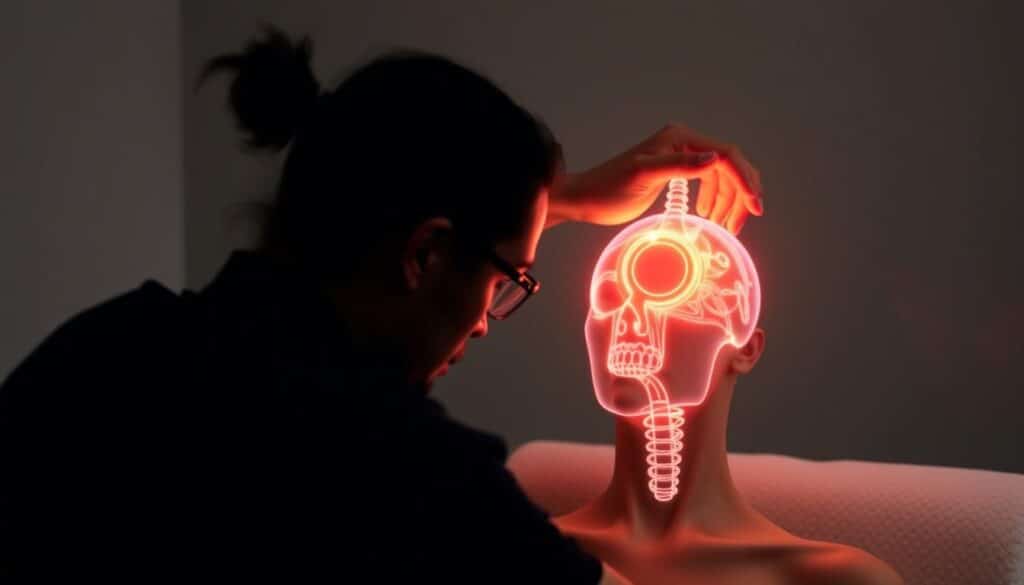
To ensure a safe and effective treatment experience, finding a qualified practitioner is crucial. Osteopathic cranial therapy is generally considered safe when performed by properly trained practitioners, with few adverse effects reported in the literature.
The most common side effects are mild and temporary, including headache, fatigue, or light-headedness immediately following treatment, which typically resolve within 24-48 hours. When seeking a qualified practitioner, look for certification from the Osteopathic Cranial Academy, which provides specialized training to licensed healthcare professionals.
- Osteopathic cranial therapy is generally considered safe when performed by properly trained practitioners.
- Certification from the Osteopathic Cranial Academy ensures that the practitioner has received comprehensive training in cranial osteopathy.
- Before beginning treatment, make sure your practitioner has a clear understanding of your medical history.
It’s essential to distinguish between practitioners of cranial osteopathy, who have extensive medical training, and those offering craniosacral therapies, who may have more limited training and scope of practice. By choosing a qualified practitioner, you can ensure a safe and effective treatment experience.
Conclusion
Osteopathic cranial therapy offers a gentle, non-invasive approach to health that has garnered both interest and debate within the medical community. While scientific evidence supporting its efficacy remains limited, many patients report significant benefits, including pain relief and reduced stress. As a complementary therapy, cranial osteopathy should be viewed as an addition to, not a replacement for, appropriate medical care from qualified physicians. With proper training and certification, practitioners can provide safe and effective treatment. As interest in integrative health grows, cranial osteopathy offers a non-pharmaceutical option that may complement conventional treatments.