
Over 80% of males in the United States undergo this procedure during infancy, according to CDC data. While the practice is common, many are unaware of how surgical outcomes—like scarring—develop over time. This guide clarifies the visual characteristics and factors influencing scar formation after foreskin removal.
The appearance of post-procedure marks depends heavily on technique and timing. Infant surgeries often result in subtle lines due to rapid healing, while adult procedures may leave more defined patterns. Specialists at Healthline note that modern methods like the Gomco clamp minimize visible traces compared to traditional approaches.
Skin type and aftercare also play critical roles. Proper wound management reduces thickening or discoloration, though some textural changes remain normal. Research from Life Medical Lab shows most marks fade significantly within two years, transitioning from pinkish hues to skin-matching tones.
Key Takeaways
- Surgical methods directly impact scar visibility and pattern formation
- Infant procedures typically produce less noticeable marks than adult surgeries
- Healing timelines span months to years, with gradual color/texture changes
- Aftercare quality affects final appearance more than genetic factors
- Multiple treatment options exist for minimizing persistent scarring
Introduction to Circumcision Scarring
Every surgical intervention leaves its mark, and male circumcision is no exception. This procedure involves precise removal of penile foreskin, triggering the body’s natural repair mechanisms. The resulting marks vary based on age, technique, and individual healing responses.
Understanding Circumcision as a Surgical Procedure
Medical teams perform this surgery using specialized tools to separate and remove foreskin. Like any operation, it creates an incision that heals through collagen deposition. Pediatricians often note that infants’ rapid cell regeneration leads to subtler marks compared to older patients.
The Role of Scarring in Post-Surgical Healing
Scar tissue forms as the body bridges skin edges at the incision site. Collagen fibers restructure over months, gradually smoothing raised textures. While some visible traces remain inevitable, advanced closure methods help blend these marks with surrounding skin.
Dermatologists emphasize that scars mature through phases: initial redness fades as blood vessels recede, while excess collagen gets reabsorbed. Proper wound care during early healing stages significantly impacts long-term outcomes, making aftercare protocols critical for optimal results.
What Does a Circumcision Scar Look Like: Detailed Overview
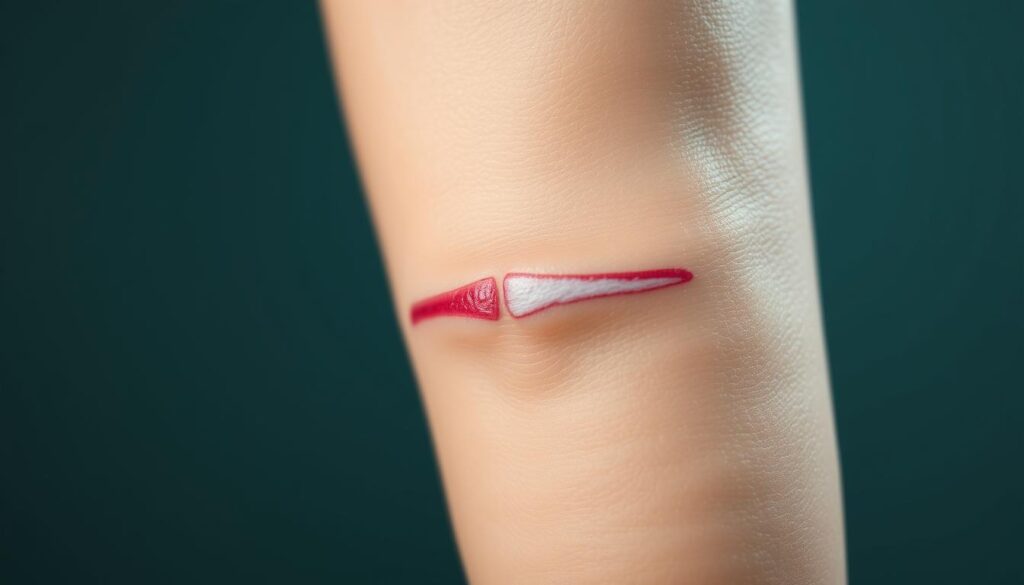
Surgical marks from circumcision develop distinct visual features as they heal. These characteristics evolve through predictable stages, influenced by age at procedure and surgical technique. Understanding this progression helps set realistic expectations for post-operative changes.
Visual Characteristics of the Scar
Fresh surgical sites typically show raised, reddish lines encircling the penis shaft. The tissue often appears thicker than adjacent skin, forming a visible junction between treated and untreated areas. Within months, this ridge usually flattens while retaining a slightly different texture.
Color variations progress from vivid pink to pale tones matching natural pigmentation. Some individuals develop temporary discoloration resembling faint bruising around the scar perimeter. These changes reflect normal healing processes rather than complications.
Timeline of Scar Appearance and Fading
Post-operative marks undergo three distinct phases:
| Stage | Timeframe | Characteristics |
|---|---|---|
| Initial Healing | 0-6 Weeks | Red/pink coloration, slight swelling |
| Early Maturation | 6 Months | Flattening texture, fading hues |
| Final Maturation | 2-3 Years | Near-complete color blending |
Most noticeable improvements occur within the first year. While complete disappearance is rare, proper care helps minimize residual marks. Persistent redness beyond 18 months may indicate abnormal scarring requiring evaluation.
Techniques and Procedures Impacting Scar Formation
The visibility and placement of post-operative marks depend heavily on surgical techniques. Infant and adult methods differ significantly in approach, creating distinct scar patterns. Three primary infant procedures and four common adult techniques each leave unique traces.
Infant Circumcision Methods
Newborn procedures prioritize speed and minimal bleeding. The Gomco clamp uses a bell-shaped cover to protect the penis head during foreskin removal. A metal clamp stops blood flow before precise excision with a scalpel.
Mogen clamp techniques employ a probe to separate tissue layers. Surgeons pull the foreskin into a metal clamp for controlled removal. This method often creates linear scars along the shaft.
| Method | Tools | Scar Visibility |
|---|---|---|
| Gomco | Metal bell + clamp | Hidden under glans |
| Mogen | Probe + clamp | Vertical line |
| Plastibell | Plastic ring | Faint circular mark |
The Plastibell device leaves a plastic ring under the skin to guide healing. This method typically produces uniform circular marks that blend with natural folds.
Procedures for Older Patients
Adult circumcision requires more complex techniques. Shield and clamp methods use protective caps to position the foreskin before removal. Surgeons often employ stitches to close incisions, creating horizontal scars along the shaft.
Sleeve resection – the most common excision method – involves circular cuts around the penis. This technique leaves a noticeable line where inner and outer skin layers meet. Dorsal slit approaches make small vertical incisions, usually as preparatory steps for other procedures.
Each method balances medical needs with aesthetic outcomes. While infant techniques prioritize concealed marks, adult procedures focus on precise tissue alignment. Proper technique selection helps minimize visible scarring long-term.
Factors Influencing Scar Healing and Appearance
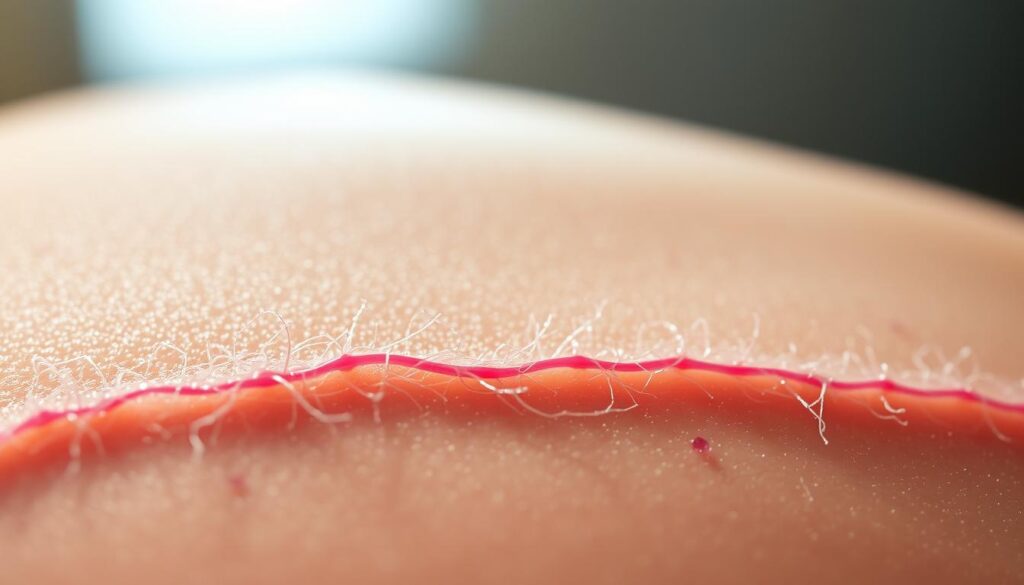
Multiple elements converge to determine how marks form and evolve after surgery. Biological responses interact with clinical techniques, creating unique outcomes for each individual. Let’s examine key factors affecting scar development and long-term visibility.
Scar Tissue, Stitches, and Keloid Development
Thickened tissue often forms around surgical sites as part of natural healing. This fibrous material can create raised lines or bumps, particularly if stitches shift during recovery. Improper suture placement increases risk of noticeable marks.
| Factor | Impact | Prevention Tips |
|---|---|---|
| Keloids | Excessive growth beyond wound edges | Early silicone sheets |
| Stitch Issues | Visible puncture marks | Dissolvable sutures |
| Collagen Overproduction | Raised ridges | Pressure therapy |
Those with darker skin tones face higher keloid risks. Medical journals report 5-15% of patients develop these growths after surgery. Previous abnormal scarring patterns often predict future reactions.
Effects of Skin Discoloration and Healing Variability
Color differences between treated and untreated areas typically resolve within 18 months. Temporary discoloration occurs as new skin cells regenerate. Smoking and poor wound care prolong this process.
Three elements affect final appearance:
- Age: Younger patients often heal faster
- Aftercare: Proper cleaning reduces swelling
- Genetics: Collagen production varies naturally
Initial wound redness often misleads patients about long-term results. Most visible improvements occur between months 6-12 as inflammation subsides. Consulting specialists helps address persistent concerns.
Effective Aftercare and Healing Process
Proper post-procedure care significantly influences recovery outcomes and scar visibility. Tailored approaches for different age groups help optimize results while preventing complications. Let’s explore evidence-based strategies for supporting the body’s natural repair mechanisms.
Daily Care Recommendations for Infants
Newborns require gentle maintenance during the initial healing phase. Pediatricians recommend changing protective bandages daily for 7-10 days until the wound closes completely. Use lukewarm water and mild soap during diaper changes to clean the area without irritating sensitive skin.
Apply a thin layer of petroleum jelly after each cleaning session. This creates a protective barrier between the glans and diaper fabric. Avoid using alcohol-based wipes or tight clothing that might rub against the healing tissue.
Aftercare Guidelines for Adults and Older Children
Mature patients need more active participation in their recovery process. Wash the penis daily with warm water and antibacterial soap for 4-6 weeks post-surgery. Supportive underwear helps reduce movement-related friction during daily activities.
| Care Aspect | Infant Guidelines | Adult Guidelines |
|---|---|---|
| Cleaning Routine | Gentle wipe during changes | Full wash 1x/day |
| Protective Measures | Petroleum jelly application | Snug cotton underwear |
| Activity Restrictions | None beyond normal care | 4-6 weeks no sex |
| Healing Timeline | 7-10 days | 4-6 weeks |
Sexual activity should wait until full wound closure occurs – typically 6 weeks for adults. Some patients benefit from extending this period if redness or swelling persists. Always consult your surgeon before resuming strenuous exercises or intimate contact.
Consistent aftercare remains the most reliable way to support proper healing. Whether caring for an infant or managing personal recovery, following medical instructions precisely helps achieve optimal long-term results.
Scar Reduction Methods and OTC Treatments
Modern dermatology offers multiple pathways to improve surgical marks. Over-the-counter products and clinical procedures provide solutions tailored to individual needs and scar severity.
Topical Treatments: Lightening Creams, Vitamin E, and Scar Oils
Vitamin-enriched creams nourish skin while promoting collagen balance. Popular options like Mederma and Bio-Oil combine hydration benefits with ingredients that soften textured areas. Lightening formulas help blend uneven pigmentation, though dermatologists recommend patch testing first.
Always apply new products to a small forearm area before full use. Cover with a bandage for 24 hours to check for redness or irritation. This simple step prevents adverse reactions on sensitive healing tissue.
When to Consider Cosmetic and Revision Surgery
Persistent marks may benefit from professional interventions. Plastic surgeons use advanced techniques to reposition or resurface affected areas. While these methods create new incision lines, they often appear less prominent than original scarring.
Consult specialists if self-care options don’t deliver desired results. Many clinics offer free consultations to evaluate suitable approaches based on scar type and patient goals.