
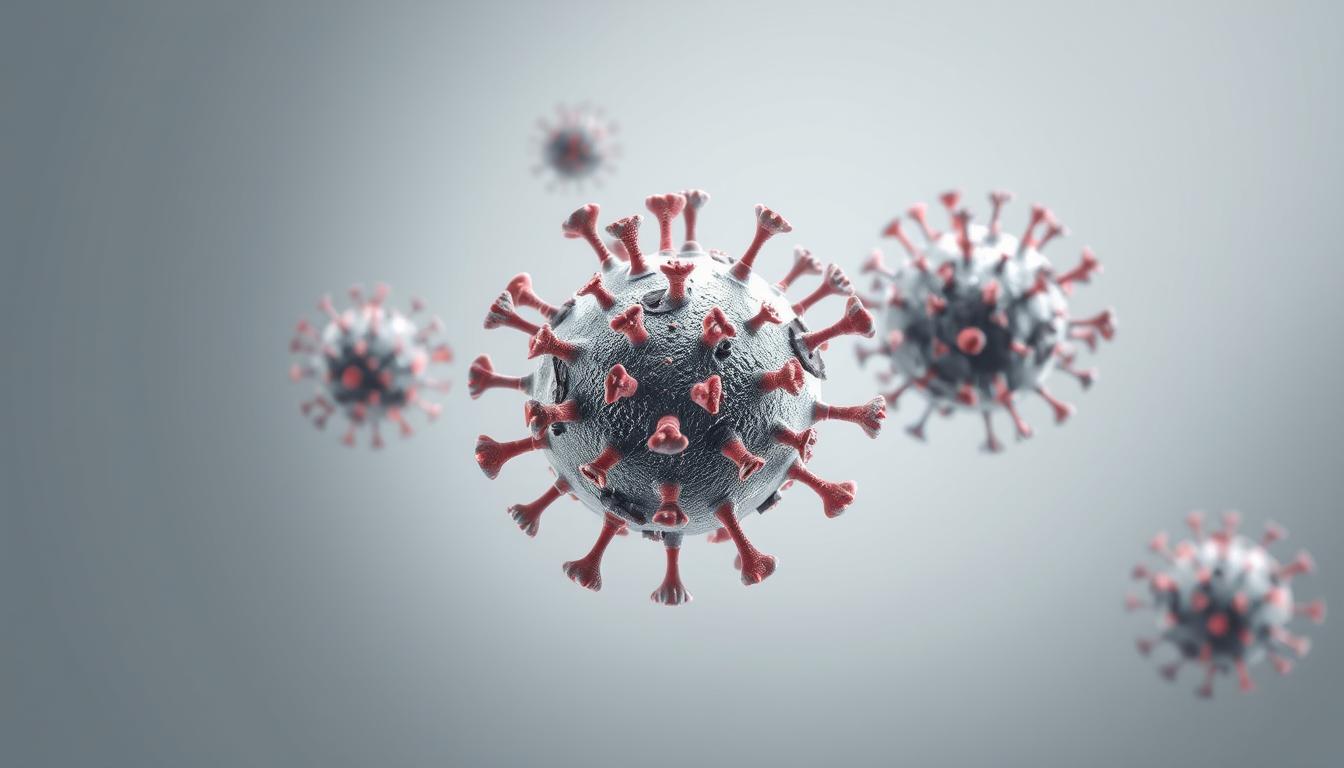
Did you know over one million people have been affected by chikungunya in the last decade? This mosquito-borne illness is spreading fast. If you’ve heard about it or know someone who has, this article will help you understand it better.
Chikungunya fever is mainly spread by Aedes mosquitoes. It can cause severe joint pain, high fever, and other symptoms. Knowing how to diagnose, treat, and prevent it is key to managing it well.
We’ll dive into the details of chikungunya. We’ll start with what it is, how it’s spread, and its symptoms. By the end, you’ll know how to protect yourself and your loved ones from it.
Key Takeaways
- Chikungunya virus has affected over one million people in recent outbreaks.
- Chikungunya fever causes severe joint pain and high fever among other symptoms.
- Primarily transmitted by Aedes mosquitoes, understanding transmission methods is critical.
- Effective diagnosis, treatment, and preventive measures can reduce risks.
- Research and vaccine development are ongoing to fight chikungunya.
What is Chikungunya?
Chikungunya is a disease spread by mosquitoes. It causes fever and severe joint pain. Knowing about chikungunya definition and its spread is important.
Definition of Chikungunya
The chikungunya virus is spread by Aedes mosquitoes. Symptoms include fever, joint pain, and muscle pain. It’s rare to die from it, but the pain can last a long time.
History and Origins
The history of chikungunya started in Tanzania in 1952. The name means “that which bends up” in Kimakonde. It has caused outbreaks in Asia and Africa, helping us understand it better.
Global Distribution
The chikungunya global spread has been wide. It’s moved from Africa to Asia, Europe, and the Americas. Knowing where it is helps us fight it.
| Year | Location | Notable Event | Impact |
|---|---|---|---|
| 1952 | Tanzania | First Identified Outbreak | Initial scientific discovery |
| 2004 | Kenya | Major Resurgence | Thousands affected; significant public health response |
| 2006 | India | Substantial Epidemic | Massive cases and widespread suffering |
| 2013 | Caribbean | First Appearance in the Americas | Introduction to the New World |
| 2014 | United States | Local Transmission Detected | Confirmed cases in Florida |
How Chikungunya Spreads
It’s important to know how chikungunya transmission works. This disease mainly spreads through mosquitoes. It’s very rare for it to spread from person to person.
Mosquito Vectors
The main mosquito vectors of chikungunya are Aedes aegypti and Aedes albopictus. These mosquitoes live in warm places near people. They bite during the day, which makes infections more likely.
After biting an infected person, these mosquitoes can spread the virus. This means they can give the virus to other people.
Human Transmission
It’s very rare for chikungunya transmission to happen from person to person. The virus mostly spreads through mosquito bites. There have been a few cases where the virus was passed from mother to baby during birth.
But, it doesn’t spread like the flu or common cold. It’s not caught through touching or breathing near someone who is sick.
To stop chikungunya, we need to control mosquitoes. We can do this by getting rid of places where they breed and using bug spray. This helps keep you and your family safe.
Symptoms of Chikungunya
Knowing the symptoms of chikungunya is key for quick diagnosis and care. This part explains the usual and serious signs of this virus. It also talks about how long these symptoms last.
Common Symptoms
Most people with chikungunya virus start with a sudden fever and a bad headache. Other common signs are:
- Muscle pain
- Rash
- Fatigue
- Nausea
The pain in joints is very bad and can really hurt. This pain mainly hits the small joints of hands, wrists, and ankles.
Severe Symptoms
While most people get better, some face serious issues. Long-lasting joint pain and swelling is a big problem. Rarely, the virus can affect the brain, showing how important it is to see a doctor.
Symptom Duration
Symptoms start 2-12 days after a mosquito bite. The fever goes away in 3-5 days. But, joint pain and other symptoms can last weeks. Sometimes, joint pain can last months or years, needing ongoing care.
| Symptom | Appearance Time | Duration |
|---|---|---|
| Fever | 2-4 days post-infection | 3-5 days |
| Headache | Simultaneous with fever onset | 3-5 days |
| Chikungunya joint pain | 2-5 days post-infection | Several weeks to years |
| Muscle pain | 2-5 days post-infection | 2-3 weeks |
Knowing all about chikungunya symptoms helps manage the disease better.
Diagnosis of Chikungunya
It’s very important to correctly diagnose Chikungunya. This is because it has symptoms similar to other diseases. Doctors use special tests to make sure they get it right.
Laboratory Tests
At first, tests in the lab are key to finding Chikungunya. The Reverse Transcription Polymerase Chain Reaction (RT-PCR) test looks for the virus’s genetic stuff. It’s very good at finding it early.
Later, tests like Immunoglobulin M (IgM) and Immunoglobulin G (IgG) enzyme-linked immunosorbent assays (ELISA) check for antibodies. These tests help tell Chikungunya apart from other diseases like dengue and Zika.
Clinical Diagnosis
Doctors also use a careful look at symptoms and what the patient has been through. Symptoms like high fever, joint pain, headache, and rash can be like other diseases. So, doctors look closely at these signs.
They also check for joint swelling and tenderness. By using tests and looking at symptoms, doctors can accurately diagnose Chikungunya. This helps patients get the right care quickly.
Treatment Options for Chikungunya
Managing chikungunya symptoms starts with the right treatments. These treatments help with relief and support. It’s important to know about the different options available.
Pain Relief Methods
Pain relief is key in treating chikungunya. Medicines like paracetamol help with fever and joint pain. But, it’s best to avoid aspirin and NSAIDs because they can cause bleeding.
If pain is very bad, doctors might give stronger medicines.
Supportive Care
Supportive care is also very important. Drinking lots of water helps prevent dehydration. Getting enough rest and eating well also helps the body heal.
Role of Antiviral Medications
There’s no special antiviral treatment for chikungunya yet. But, doctors focus on relieving symptoms and supporting the body. Research is going on to find better treatments.
Until then, we focus on managing symptoms with what we have.
Complications Associated with Chikungunya
Chikungunya fever can cause serious problems. These issues go beyond the first sickness. We will look at the long-term effects, like chronic pain and severe problems.
Long-term Joint Pain
Chronic joint pain is a big problem. It can last for a long time, even years. This pain is like arthritis and makes daily life hard.
People often feel pain in their hands, wrists, ankles, and knees. This can make life less enjoyable and make moving harder.
Other Possible Problems
Chikungunya can also lead to other serious issues. These include heart problems, eye issues, and brain problems. While these are rare, they show why it’s important to watch patients closely.
This is true, even after the first symptoms go away. It’s more important for people with health problems or weak immune systems.

Chikungunya Prevention Strategies
To stop chikungunya, we need to control mosquitoes and protect ourselves from bites. We can do this by working together. This way, we can lower the chance of getting the virus.
Avoiding Mosquito Bites
Staying away from mosquitoes is key to avoiding chikungunya. Here are some tips:
- Use EPA-registered insect repellents with DEET or picaridin.
- Wear long-sleeved shirts and pants, more so when mosquitoes are active.
- Use mosquito nets when sleeping, in places with lots of mosquitoes.
- Put screens on windows and doors to keep mosquitoes out.
Community Control Efforts
Working together is important for controlling mosquitoes. This helps prevent chikungunya. Here are some ways to do it:
- Source Reduction: Get rid of standing water where mosquitoes breed, like in flowerpots and tires.
- Insecticides: Use larvicides and adulticides to kill mosquitoes. Always follow safe use guidelines from health departments.
- Public Awareness: Teach people why controlling mosquitoes is important. This encourages everyone to help.
- Surveillance: Watch mosquito numbers and chikungunya cases. This helps spot and stop outbreaks fast.
| Prevention Method | Description | Effectiveness |
|---|---|---|
| Insect Repellents | Use of EPA-registered repellents such as DEET | High when applied correctly |
| Protective Clothing | Wearing long sleeves and pants | Moderate to High |
| Source Reduction | Eliminating stagnant water sources | High |
| Insecticides | Application of larvicides and adulticides | Moderate to High |
Chikungunya and Travel
Travelers going to places with chikungunya outbreaks need to know the risks. This section gives important advice for safe travel.
Travel Warnings
Chikungunya outbreaks happen in many parts of the world. Places like India, Brazil, and Southeast Asia have seen a lot of cases. Always check the latest travel health notices before you go.
Pregnant women and people over 65 should be extra careful. Talk to your doctor about the risks.
Precautionary Measures for Travelers
Staying safe from chikungunya is important. Here are some steps you can take:
- Apply insect repellent containing DEET or picaridin on exposed skin.
- Use mosquito nets and sleep in air-conditioned or well-screened rooms.
- Wear long-sleeved shirts and long pants to reduce skin exposure.
- Consider getting vaccinated if you are traveling to high-risk areas. In Canada, the IXCHIQ vaccine is approved for chikungunya prevention.
Talk to your doctor at least six weeks before you travel. They can give you advice and help you stay safe.
| Group | Precautionary Measure | Special Considerations |
|---|---|---|
| General Travelers | Use insect repellent, wear protective clothing | Check travel advisories regularly |
| High-Risk Groups (Pregnant Women, Elderly) | Avoid travel if possible, consult healthcare provider | Discuss vaccine options and preventive strategies |
Being informed and careful can help you avoid chikungunya. Also, sign up for the Registration of Canadians Abroad service. It helps you stay in touch with the Government of Canada in emergencies.
Chikungunya Research and Developments
The study of chikungunya research is always getting better. It’s all about finding new ways to stop the disease and treat it. Scientists are working hard to make a good chikungunya vaccine to stop outbreaks.
Current Research Trends
Researchers are looking at the virus’s genes and how our bodies fight it. They also test medicines and new treatments. They want to know how chikungunya affects people long-term to help patients better.
Vaccine Development
Work on the chikungunya vaccine is going well. Companies like Innovate Biopharmaceuticals are testing vaccines. These vaccines make antibodies that fight the virus.
But, there are big challenges. They need to make sure the vaccine works for a long time and is safe for everyone.
| Vaccine Candidate | Developer | Status | Key Findings |
|---|---|---|---|
| VLA1553 | Valneva | Phase 3 Trials | High immunogenicity, favorable safety profile |
| MV-CHIK | Themis Bioscience | Phase 2 Trials | Strong immune responses in adults |
As studies keep going, we hope to have a vaccine soon. This vaccine will protect many people worldwide. Keeping up with chikungunya research is key to a healthier future.
Chikungunya vs. Other Mosquito-Borne Diseases
It’s important to know the differences between chikungunya and other mosquito-borne diseases like Zika and Dengue. These illnesses share some similarities but also have unique traits.
Comparison with Zika Virus
Chikungunya and Zika virus are both spread by Aedes mosquitoes. They both cause fever, joint pain, and rash. But, Zika virus can cause severe birth defects in pregnant women. Chikungunya does not.
Zika can also be spread through sex. Chikungunya cannot.
Comparison with Dengue Fever
Both chikungunya and dengue cause high fever and severe joint pain. But, dengue can be much worse. It can cause life-threatening bleeding and shock.
| Disease | Primary Symptoms | Unique Characteristics |
|---|---|---|
| Chikungunya | Fever, severe joint pain, rash | Long-term joint pain |
| Zika | Mild fever, rash, conjunctivitis | Birth defects, sexual transmission |
| Dengue | High fever, severe joint pain, hemorrhagic symptoms | Severe plasma leakage, shock |
Impact of Chikungunya on Public Health
Chikungunya affects public health in many ways. It hurts people’s health and the economy of communities. We need to understand this to fight chikungunya outbreaks well.
Economic Consequences
Chikungunya costs a lot, both directly and indirectly. Direct costs include hospital bills, medicines, and doctor visits. Indirect costs are bigger, like lost work time and less work done.
In places hit hard by chikungunya, these costs are huge. They need a lot of money to get better.
Burden on Healthcare Systems
Chikungunya makes healthcare systems very busy. Hospitals and clinics get flooded with patients. This can use up all the medical help they have.
To handle this, we need better ways to watch and act fast. We also need to make sure there’s enough medical stuff and train doctors to treat chikungunya.
Chikungunya is more than just a health problem. It’s a big challenge for public health. We need everyone to work together to solve it.
Myths and Facts about Chikungunya
There’s a lot of wrong info about Chikungunya. This can make it hard to fight the disease. Knowing the truth helps us take better steps. Let’s clear up some chikungunya myths and share the real facts about chikungunya.
Common Misconceptions
Many people believe wrong things about Chikungunya. This can cause too much worry or not enough safety steps. Here are some common wrong ideas:
- Chikungunya is always fatal: While it can be very bad, it hardly ever leads to death.
- Only tropical regions are affected: It’s more common in warm places, but it can happen in cooler areas too.
- All mosquitoes can transmit Chikungunya: Only certain kinds, like Aedes aegypti and Aedes albopictus, can spread the virus.
Fact-checking Chikungunya Beliefs
It’s key to know the real deal about Chikungunya. This helps us prevent and treat it better. Let’s check some common beliefs:
| Myth | Fact |
|---|---|
| Chikungunya has no cure, so treatment is futile. | There’s no special medicine, but caring for symptoms and supporting the body works well. |
| Once infected, you are immune for life. | Being immune for a long time is likely, but we need more study to know for sure. |
| Vaccines are available for Chikungunya. | No vaccines are approved yet, but scientists are working on one. |
By clearing up these chikungunya myths and knowing the facts about chikungunya, we aim to help everyone make better health choices.
Chikungunya in the United States
Chikungunya is not common in the United States. But, cases have been found, mostly in people who traveled to areas where it’s common. Health experts are watching closely to stop outbreaks.
Recent Outbreaks
More people are traveling internationally. This has led to chikungunya outbreaks in the USA. It shows we need to be ready and aware to stop it from spreading.
State-Specific Cases
Many states have seen chikungunya cases. Florida and Texas, with their travel links, have the most. Here’s a look at the numbers:
| State | Number of Cases | Year |
|---|---|---|
| Florida | 89 | 2022 |
| Texas | 62 | 2021 |
| California | 34 | 2020 |
| New York | 27 | 2019 |
Health departments in states are working with the CDC. They aim to improve tracking and response to chikungunya in the USA.
Chikungunya Awareness and Education
Telling people about Chikungunya is key to stopping it. Teaching the public helps lower the number of cases. It also makes communities respond better.
Importance of Public Awareness
Knowing about Chikungunya is very important. By raising awareness about chikungunя, we can spot symptoms early. This helps us avoid getting sick and keeps everyone healthy.
Educational Resources Available
There are many ways to learn about Chikungunya:
- Health Department Initiatives: Local and national health agencies share tips on keeping mosquitoes away and protecting ourselves.
- Educational Campaigns: Schools and groups in the community teach us why knowing about Chikungunya is important.
- Online Resources: The CDC website has lots of info and updates on Chikungunya.
- Printed Materials: Pamphlets and brochures at doctor’s offices help spread the word about raising awareness about chikungunя.
Using these resources helps us all learn how to fight Chikungunya.
Living with Chikungunya
Living with chikungunya means big changes in your daily life. Learning how to manage it can help a lot. Here are some tips to make it easier.

Managing Symptoms at Home
Managing symptoms at home is key. Rest, drink lots of water, and use over-the-counter meds. Here are some tips:
- Stay Hydrated: Drinking lots of water helps fight dehydration.
- Pain Relief: Use acetaminophen for joint pain and fever. But, avoid NSAIDs until you’re sure it’s not dengue fever.
- Cold Compresses: Cold packs on swollen joints can feel good.
Lifestyle Adjustments for Recovery
Recovering from chikungunya takes time and changes. Here are some helpful steps:
| Adjustment | Benefits |
|---|---|
| Regular Low-Impact Exercise | Keeps joints moving and reduces stiffness. |
| Balanced Diet | Boosts immune system and helps you get better faster. |
| Stress Management | Meditation or yoga can help you feel better while managing chikungunya. |
Using these tips can help you manage symptoms better. It creates a good space for recovery.
Future Outlook on Chikungunya
Looking ahead, we must think about several things. Chikungunya will spread more because of climate change. This change makes mosquitoes’ homes better.
Also, cities growing, people traveling, and the world getting smaller make outbreaks more likely. We need strong ways to stop it.
Predictions for the Next Decade
In the next ten years, chikungunya cases will likely go up everywhere. Scientists say we must watch closely and report fast. This helps us stop big problems.
New ways to fight the virus might come from science. This gives us hope for the future.
Potential for Outbreaks
Outbreaks of chikungunya could happen, mainly in crowded places. Health teams need to be ready. They should work hard to keep everyone safe.
They should tell people about the dangers and work together across borders. A strong plan is key to facing chikungunya’s challenges.