
When you’re ready to start a family, what you eat is crucial. Your diet can greatly improve your chances of getting pregnant. Dr. Robert Kiltz says nutrition is the key factor couples can control for better reproductive health.
The foods you choose today impact your body’s ability to conceive tomorrow. Your diet affects egg quality, sperm health, and the environment for a baby. It’s like building a strong foundation for your future family.
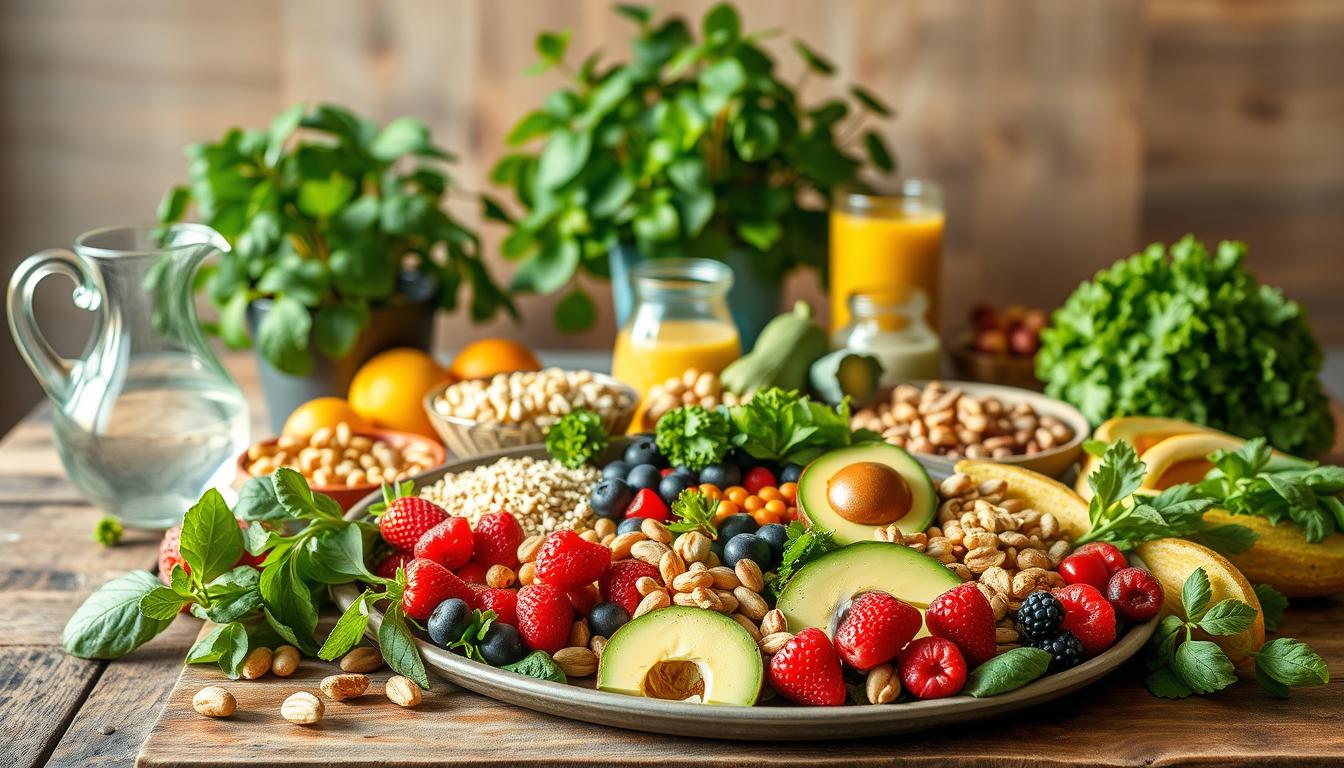
The Mediterranean diet is great for fertility. It includes fresh fish, colorful veggies, fruits, legumes, nuts, seeds, whole grains, and healthy fats like olive oil. These foods support your reproductive system in many ways.
Starting a fertility diet has real benefits. You’ll see better sperm and egg health. Your chances of getting pregnant will increase. Plus, you’ll have fewer pregnancy complications and better overall health.
Eggs and sperm take about 70 to 90 days to fully mature. So, you’ll see the full benefits of your new diet in about three months. Being patient is key for reproductive health nutrition.
Key Takeaways
- A fertility diet is the most controllable factor for improving conception chances
- Mediterranean-style eating provides the best template for reproductive health
- Diet changes affect egg quality, sperm health, and uterine environment
- Full benefits of dietary improvements appear after 70-90 days
- Focus on whole foods like vegetables, fruits, fish, nuts, and healthy fats
- Both partners benefit from following fertility-friendly eating patterns
Understanding the Importance of a Fertility Diet
What you eat is key when planning for a baby. A balanced diet is vital for your reproductive health. It can boost your chances of getting pregnant and support a healthy pregnancy. Both partners should choose foods that nourish their bodies and improve fertility.
What is a Fertility Diet?
A fertility diet includes foods rich in nutrients that support reproductive health. It focuses on whole foods, lean proteins, healthy fats, and lots of fruits and veggies. Foods like brown rice and quinoa help control blood sugar and support hormone production.
The Mediterranean diet is a great example of fertility boosting foods. It includes:
- Fresh vegetables and leafy greens
- Whole grains and beans
- Fatty fish rich in omega-3s
- Nuts, seeds, and olive oil
- Moderate amounts of poultry and dairy
Benefits for Reproductive Health
Following a diet for improving egg quality has many benefits for couples trying to conceive. Healthy eating improves fertility in women and semen quality in men. It protects eggs, supports regular ovulation, and improves sperm quality. The right foods help with fertilization and reduce pregnancy risks.
Key Nutrients That Support Fertility
Your body needs certain nutrients for conception. What you eat affects your reproductive health. The right vitamins, minerals, fats, and antioxidants are key for a healthy reproductive system.
Essential Vitamins and Minerals
Many vitamins and minerals are vital for fertility. Vitamin D is especially important, with studies showing it boosts success rates with fertility treatments. You need about 10 micrograms daily for calcium and phosphate balance.
Folic acid is another key supplement, with doctors suggesting 400 micrograms daily. It prevents neural tube defects in early pregnancy. Iron is also crucial, with women needing about 14.8 milligrams daily to avoid anemia and support ovulation.
Healthy Fats and Fertility
Not all fats are good for fertility. Omega-3 fatty acids in fish like salmon, sardines, and mackerel are beneficial. Eating two 140-gram portions weekly can improve sperm quality and embryo implantation. These fats reduce inflammation and support hormonal balance.
Monounsaturated fats from olive oil, avocados, and nuts also boost fertility. Research shows regular consumption of these foods can increase pregnancy rates.
The Role of Antioxidants
Antioxidants protect your eggs and sperm from damage. Foods like berries, dark leafy greens, and colorful vegetables are rich in antioxidants. Studies show IVF patients with higher antioxidant levels have better success rates. The Mediterranean diet, with its antioxidant-rich foods, is a great example for reproductive health nutrition.
Foods to Include in Your Fertility Diet
Starting a fertility diet means picking the right foods. What you eat affects your reproductive health and hormone balance. Eating foods that boost fertility can help improve egg quality and sperm health.
Leafy Greens and Vegetables
Dark leafy greens like spinach and kale are packed with iron, folate, and antioxidants. They support reproductive health. Fill half your plate with colorful veggies at every meal.
Broccoli is rich in calcium and vitamin C. Carrots have beta-carotene for hormone production. Beetroot boosts blood flow to reproductive organs, and garlic helps sperm motility.
Eat at least five portions of fruits and veggies daily. Each portion should be about 80 grams. This variety ensures you get all the vitamins and minerals needed for fertility.
Whole Grains and Legumes
Switch to whole grains like brown rice, quinoa, and oats. They give steady energy and help control blood sugar. Women who eat 30 grams of fiber daily have a 13% higher chance of getting pregnant.
Legumes like lentils, chickpeas, and black beans are great for plant-based protein and B vitamins. Eating more plant protein can lower ovulatory infertility risk by 39%.
Lean Proteins and Dairy
Quality proteins are key for hormone production and egg development. Wild-caught salmon has omega-3s, and eggs have vitamin B12, vitamin E, and zinc. Choose full-fat dairy for more calcium, vitamin A, and vitamin D.
Aged cheeses like cheddar and parmesan support sperm and egg health with polyamines. Grass-fed beef and liver are rich in CoQ10, zinc, and folate for a fertility diet.
Foods to Avoid When Trying to Conceive
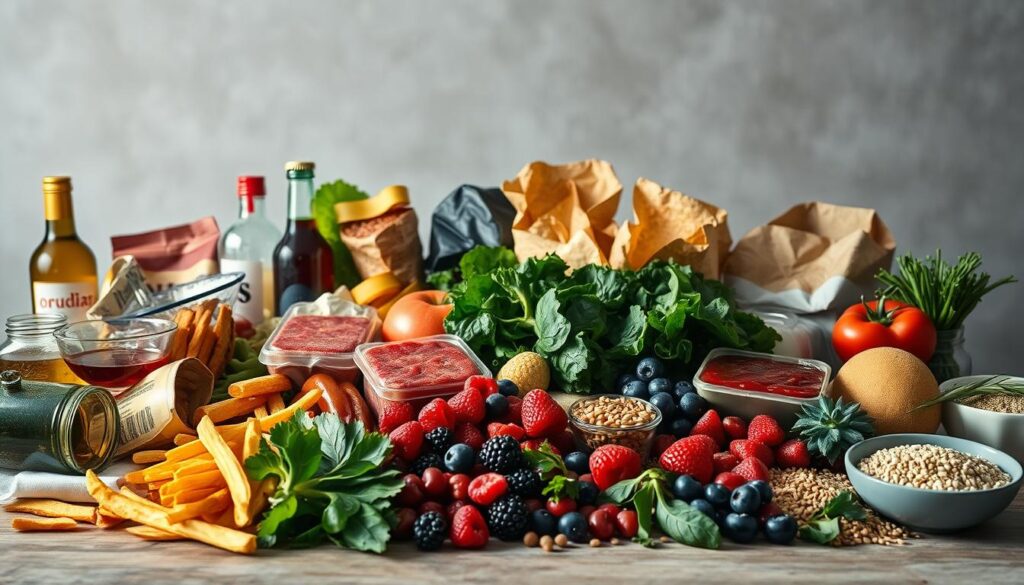
Your diet is key to getting pregnant. Some foods help, but others can hurt. Knowing which foods to avoid is crucial. It helps both partners, improving egg quality and male fertility.
Processed Foods and Sugars
Ultra-processed foods harm fertility. Ready meals and sweets cause insulin spikes, upsetting hormones. They lack nutrients needed for making babies.
Refined sugars in white bread and sugary drinks cause inflammation. This is bad for women with PCOS, affecting hormones and egg quality. Men’s sperm quality also suffers from too much sugar.
Caffeine and Alcohol Intake
Watch your caffeine intake before trying to conceive. Experts say to limit it to 200mg a day. That’s about one mug of coffee. Too much caffeine can lead to miscarriage and delay getting pregnant.
Alcohol is a big no-no for fertility. It lowers chances of getting pregnant and increases miscarriage risk. Even a little can harm hormone levels and egg quality.
Trans Fats and Saturated Fats
Trans fats in margarine and processed oils are bad for fertility. They make it hard for sperm to reach eggs. They also cause inflammation and insulin resistance, hurting reproductive health.
| Food Category | Examples to Avoid | Fertility Impact |
|---|---|---|
| High Mercury Fish | Shark, Swordfish, King Mackerel | Damages egg and sperm DNA |
| Unpasteurized Products | Raw milk, Soft cheeses (Brie, Camembert) | Risk of harmful bacteria affecting pregnancy |
| High Vitamin A Foods | Liver, Liver pâté | Excess vitamin A causes birth defects |
| Raw Seafood | Raw shellfish, Sushi | Bacterial contamination risks |
The Role of Hydration in Fertility
Water is key for reproductive health nutrition as it supports all body functions. It’s even more important when you’re trying to conceive. Your body needs water to move nutrients to reproductive organs and keep blood flowing well.
Importance of Water Intake
Being well-hydrated helps your fertility in many ways. For women, drinking enough water helps keep cervical mucus right. This makes it easier for sperm to move through the reproductive tract. Men see better semen quality and more volume with enough water.
The amount of water you should drink varies based on your gender and how active you are:
- Women: 9 cups of fluids daily
- Men: 12 cups of fluids daily
- Active individuals may need additional fluids
- Hot weather increases hydration requirements
Herbal Teas and Their Benefits
While water is the mainstay of hydration, some herbal teas can add to your fertility diet. Red raspberry leaf tea is great for uterine health and helps with nutrition for hormonal balance. Stick to four cups a day of herbal tea before trying to conceive.
Green tea is good for antioxidants but has caffeine. Remember to count it in your daily caffeine limit for best reproductive health. Opt for decaf when you can, and always check with your doctor about herbal teas while trying to conceive.
The Connection Between Weight and Fertility
Your body weight is key to getting pregnant. Studies show that a healthy weight boosts reproductive health for both men and women. Being too thin or too heavy can mess with hormone levels and egg and sperm quality, making it harder to conceive.
Optimal Weight Range for Conception
The best weight for getting pregnant is a Body Mass Index (BMI) of 18.5 to 24.9. Women with PCOS, affecting 1 in 10, face fertility issues tied to weight. Too much weight can cause insulin resistance, leading to too much testosterone and irregular ovulation.
Research shows that women with PCOS see big improvements with a low-carb, high-fat diet. Many start regular periods and ovulation, with half getting pregnant just by changing their diet.
How to Achieve and Maintain Healthy Weight
Starting healthy weight habits begins with the right fertility boosting foods. The Mediterranean diet is a great choice, focusing on:
- Fresh veggies and fruits full of antioxidants
- Whole grains that keep blood sugar stable
- Lean proteins from fish and poultry
- Healthy fats from olive oil and nuts
Adding regular exercise to a diet for improving egg quality is the best start for conception. Aim for nutrient-rich meals instead of extreme dieting. Too little food can harm fertility just like too much.
Importance of Meal Timing and Frequency
When you eat is as important as what you eat for fertility. Eating at the same times every day keeps your blood sugar steady. This helps your reproductive hormones work better. A good fertility meal plan should match your body’s natural cycles and give you the energy and nutrients you need.
Regular Meal Patterns
Eating three balanced meals a day keeps your blood sugar steady. This is key for hormonal balance, as big insulin spikes can mess with your reproductive hormones. Start your day with breakfast within an hour of waking to kickstart your metabolism.
Even a small breakfast can help get your body ready for pregnancy-related nausea later.
Space your meals 4-5 hours apart and don’t fast for more than 12 hours at night. This regular eating helps your metabolism and prevents stress from irregular eating.
Snacking Choices That Support Fertility
Smart snacking between meals keeps your energy up and gives you more chances to eat foods that help with conception. Pick snacks that are full of nutrients. Look for ones with protein or healthy fats and carbs for energy that lasts.
| Fertility-Friendly Snacks | Key Nutrients | Benefits |
|---|---|---|
| Mixed nuts (almonds, walnuts) | Magnesium, omega-3s | Supports egg quality |
| Greek yogurt with berries | Probiotics, antioxidants | Reduces inflammation |
| Apple slices with almond butter | Fiber, healthy fats | Stabilizes blood sugar |
| Hummus with vegetables | Folate, fiber | Provides steady energy |
Plan for 2-3 small snacks a day between meals. This stops energy crashes and keeps your nutrition steady for your fertility journey.
The Impact of Stress on Fertility
Stress is a big deal for reproductive health. Chronic stress messes with your hormones, affecting your fertility. Knowing this helps you choose better foods and habits for your fertility.
How Stress Affects Reproductive Health
Chronic stress messes with your hormones. It can make it hard to ovulate and lower sperm quality. Stress hormones like cortisol fight with reproductive hormones, making it tough to get pregnant.
Stress also causes inflammation in your reproductive areas. This can harm egg quality and stop implantation. Women with high stress levels often take longer to get pregnant.
Stress-Reducing Foods and Practices
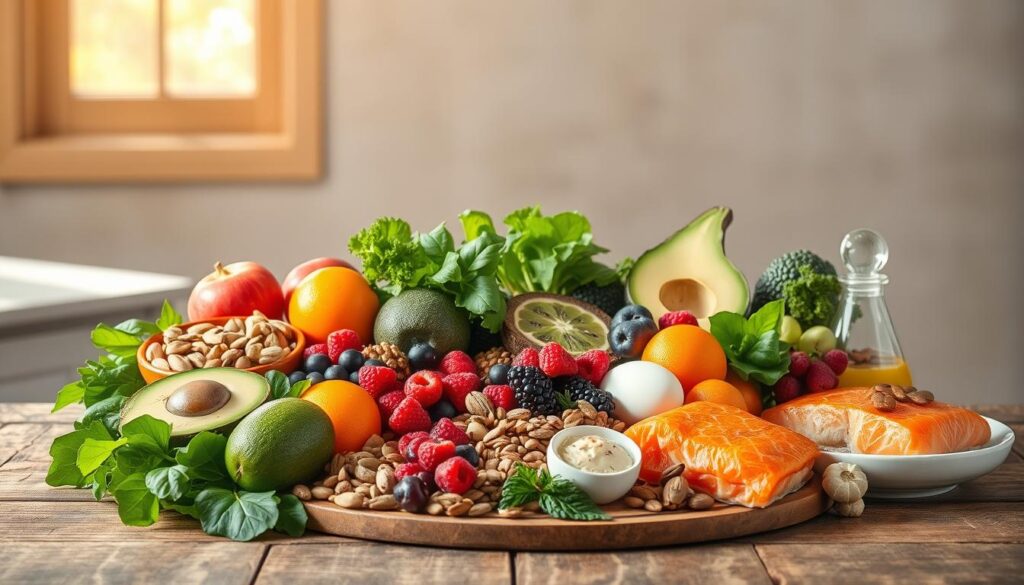
Your diet can fight stress effects. Foods like salmon and walnuts have omega-3s, which reduce inflammation. These healthy fats protect your reproductive cells from stress damage.
Make sure to eat these stress-fighting foods every day:
- Dark leafy greens packed with magnesium
- Berries loaded with antioxidants
- Sweet potatoes and carrots for beta-carotene
- Eggs and lean meats providing B-vitamins
- Whole grains for steady energy
The Mediterranean diet is great for hormonal balance. It’s full of veggies, fruits, fish, and healthy fats. It limits processed foods. Eating regular meals with complex carbs keeps your blood sugar stable, avoiding stress spikes that harm fertility.
Supplements That May Enhance Fertility
Many couples look into fertility supplements when planning for a baby. A balanced diet is key, but some vitamins and minerals can help. Knowing which supplements are best can boost your chances of getting pregnant.
Popular Fertility Supplements
Folic acid is a must for women trying to conceive. Taking 400 micrograms a day, starting three months before, helps prevent birth defects. It’s important for DNA and cell growth in early pregnancy.
Vitamin D is also crucial since many people lack it. A daily dose of 10 micrograms helps with hormone production and reproductive health. Studies show it can also improve diet for improving egg quality.
People on plant-based diets need omega-3 fatty acids. Taking 450mg of EPA and DHA daily supports egg growth and reduces inflammation. Prenatal vitamins include these nutrients, along with iron, selenium, zinc, and vitamin E, all good for egg and sperm health.
Consulting a Healthcare Professional
It’s wise to talk to a fertility specialist before starting supplements. Clinics like The Evewell and CNY Fertility have nutritionists who make plans based on your health. They help you avoid too much and find what you’re missing in your preconception nutrition.
Macros vs. Micros in a Fertility Diet
When planning meals for reproductive health, knowing the difference between macronutrients and micronutrients is key. Both are important for fertility. The right mix supports conception.
Understanding Macronutrients
Macronutrients are nutrients your body needs in large amounts. They include proteins, carbohydrates, and fats. Each has a role in hormonal balance:
- Proteins help repair tissues and make hormones. Aim for about 0.75 grams per kilogram of body weight daily
- Complex carbohydrates give steady energy and fiber. Choose whole grains, sweet potatoes, and quinoa over simple sugars
- Healthy fats help regulate hormones and cells. They provide cholesterol for making hormones like estrogen and progesterone
Importance of Micronutrients
Micronutrients are vitamins and minerals needed in smaller amounts. They protect egg and sperm quality with antioxidants. Key micronutrients for fertility include:
| Micronutrient | Food Sources | Fertility Benefit |
|---|---|---|
| Folate | Spinach, kale, Swiss chard | Supports DNA synthesis |
| Vitamin C | Oranges, strawberries, bell peppers | Protects eggs from damage |
| Zinc | Oysters, beef, pumpkin seeds | Improves sperm quality |
| Selenium | Brazil nuts, tuna, shrimp | Enhances egg development |
The Mediterranean diet is great for reproductive health. It focuses on whole foods, lean proteins, and healthy fats. It also limits processed foods.
Cultural Considerations in Fertility Diets
Food traditions from around the world offer valuable insights for creating an effective fertility diet. Many cultural eating patterns naturally align with fertility-supporting principles. They emphasize whole foods, fresh ingredients, and balanced nutrition. Understanding these diverse approaches helps couples create a personalized eating plan.
This plan respects their heritage while optimizing reproductive health.
Dietary Practices Across Different Cultures
Mediterranean communities have long embraced foods for conception. They focus on olive oil, fish, nuts, and vegetables. Asian cuisines traditionally include seaweed, fermented foods, and warming spices that support reproductive wellness.
Latin American diets feature beans, avocados, and fresh salsas rich in folate and healthy fats.
Traditional practices offer wisdom for modern fertility nutrition. Bone broths from various cultures provide minerals and collagen. Indian cuisine uses turmeric and ginger to reduce inflammation.
Japanese diets include small amounts of fermented soy products alongside fish rich in omega-3 fatty acids. This supports male fertility foods needs.
Adapting Traditional Diets for Fertility
Simple modifications can enhance any cultural diet for reproductive health. Replace white rice with brown rice in Asian dishes. Add extra vegetables to pasta dishes.
Choose lean cuts of meat and increase plant-based proteins like lentils and chickpeas.
| Cultural Diet | Traditional Foods | Fertility-Friendly Adaptations |
|---|---|---|
| Mediterranean | Olive oil, fish, nuts | Wild-caught salmon, raw almonds, extra virgin olive oil |
| Asian | Rice, soy, vegetables | Brown rice, limited soy, increased leafy greens |
| Latin American | Beans, corn, avocados | Black beans, quinoa instead of corn, fresh guacamole |
| Indian | Lentils, spices, yogurt | Red lentils, turmeric, probiotic yogurt |
Quality matters more than specific cuisines. Choose organic produce when possible. Select grass-fed meats and wild-caught fish. Limit processed foods regardless of cultural background.
Focus on seasonal, local ingredients that provide maximum nutrition for your fertility diet journey.
Crafting a Personalized Fertility Meal Plan
Creating a fertility meal plan is all about careful planning and knowing your body’s needs. It’s about mixing good nutrition with a lifestyle that feels right for you. The goal is to feed your body well without feeling like you’re missing out.
Tips for Building Your Meal Plan
Begin with protein sources like eggs, salmon, beef, chicken, and lentils. Then, add colorful veggies to get a variety of nutrients. Try to eat a rainbow of foods – red, orange, yellow, green, and purple – for the best health.
Make sure to get 30 grams of fiber a day for hormone balance. Add healthy fats like avocado and nuts to your meals. And don’t forget to include foods you love and that fit your culture, while still meeting your nutritional needs.
Sample Weekly Fertility Meal Plan
| Day | Breakfast | Lunch | Dinner | Snacks |
|---|---|---|---|---|
| Monday | Scrambled eggs with spinach and avocado | Quinoa bowl with grilled chicken and mixed vegetables | Baked salmon with roasted broccoli and sweet potato | Greek yogurt with berries |
| Tuesday | Steel-cut oats with walnuts and blueberries | Lentil soup with kale and whole grain bread | Grass-fed beef stir-fry with bell peppers | Apple slices with almond butter |
| Wednesday | Veggie omelet with whole wheat toast | Mediterranean chickpea salad | Turkey meatballs with zucchini noodles | Mixed nuts and dried apricots |
For good preconception nutrition, be consistent. Cook proteins and prep veggies on weekends. This way, you’ll always have healthy foods ready when you need them.
Resources for Further Research and Support
Looking for reliable info on reproductive health nutrition can be tough when you’re trying to conceive. The right resources can guide you in making smart choices about your fertility diet. They connect you with experts who get your unique needs. Good advice is key to a healthy eating plan that supports your fertility goals.
Recommended Books and Websites
Good sources give you the facts on how a fertility diet affects your body. The Harvard School of Public Health has a wealth of research from the Nurses Health Study. This study links certain foods to better fertility rates in thousands of women.
Some fertility experts have their own nutrition for hormonal balance plans. Dr. Robert Kiltz’s B.E.B.B.I diet focuses on high-fat foods for reproductive health. CNY Fertility offers guides on low-carb, high-fat diets that many patients find helpful.
Finding a Fertility Nutritionist
Having a registered dietitian for fertility can offer tailored support. Evewell clinic has nutritionists trained in reproductive health nutrition. You can email [email protected] or call 020 3974 0950 to book a session.
| Resource Type | Best For | Access Method |
|---|---|---|
| Fertility Clinics | Personalized meal plans | In-person or virtual consultations |
| Research Studies | Evidence-based information | Online databases and journals |
| Support Groups | Community and shared experiences | Online forums and local meetings |
| Specialist Books | Detailed recipes and guidelines | Libraries and bookstores |
Conclusion: Steps to Start Your Fertility Diet Journey
Starting a fertility diet is easy. Just add more whole foods and cut down on processed ones. Try whole grains instead of white bread and fresh fruits instead of sugary snacks. Use olive oil instead of vegetable oil.
These small changes can make a big difference. Remember, it takes 70 to 90 days for eggs and sperm to develop. So, give your body time to adjust to these healthy changes.
Practical Tips for Implementation
Success in a fertility diet comes from planning. Set aside Sundays to prepare meals for the week. Buy fresh veggies, lean proteins, and organic dairy at places like Whole Foods or Trader Joe’s.
Cook big batches of quinoa, brown rice, and roasted veggies. This way, you can mix and match them all week. Keep healthy snacks like almonds, Greek yogurt, and cut veggies in your fridge. Track your progress by noting changes in energy, menstrual cycle, and mood.
Staying Committed to Your Fertility Goals
Building lasting habits takes time and patience. Involve your partner in your diet since it affects both of you. Schedule regular check-ins with fertility specialists at places like CCRM or Shady Grove Fertility.
Celebrate small victories like choosing steel-cut oats or drinking herbal tea. View eating well as part of your fertility journey. Remember, it’s the consistent healthy choices that matter most. Each choice brings you closer to your goal of starting a family.