

The thyroid gland is a small butterfly-shaped organ at the base of your neck. It controls many important body functions. Women are five to eight times more likely to have thyroid problems than men.
Your thyroid makes hormones that help your heart rate, body temperature, and metabolism. These hormones are crucial for your body’s health.
Thyroid disorders in women can range from mild swelling to serious conditions. Many women don’t notice their fatigue, weight changes, or mood swings as signs of thyroid disease. The thyroid gland affects nearly every cell in your body.
When it produces too much or too little hormone, you feel it everywhere. This can lead to health issues.
Understanding how your thyroid works is key to spotting problems early. Your thyroid uses iodine from food to make two main hormones. These hormones travel through your blood to reach your organs and tissues.
They control how fast your body burns calories and uses oxygen. Even small changes in hormone levels can cause big health problems.
Millions of American women live with thyroid conditions today. Some have an overactive gland that speeds up body processes. Others have an underactive thyroid that slows everything down.
Both situations need proper medical care. The good news is that doctors can treat most thyroid problems successfully with the right approach.
Key Takeaways
- Women develop thyroid disorders five to eight times more often than men
- The thyroid gland controls metabolism, heart rate, and body temperature
- Common symptoms include weight changes, fatigue, and mood swings
- Early detection leads to better treatment outcomes
- Most thyroid conditions respond well to medical treatment
- Regular screening helps catch problems before symptoms appear
What Are Thyroid Disorders?
The thyroid gland is a small, butterfly-shaped organ in your neck. It’s crucial for your body’s health. When it makes too much or too little hormone, it leads to thyroid problems. These issues affect millions of women in the U.S. Knowing about them helps women get help early.
Definition of Thyroid Disorders
Thyroid disorders happen when the gland doesn’t make the right amount of hormones. The main issues for women are:
- Hyperthyroidism – Too many hormones, making body functions too fast
- Hypothyroidism – Not enough hormones, slowing down body processes
Different diseases can cause these problems. Hypothyroidism is more common in women, affecting about 1 in 8 during their lives.
Importance of Thyroid Health
Thyroid hormones affect almost every part of your body. They help with:
| Body Function | Role of Thyroid Hormones |
|---|---|
| Metabolism | Controls how fast your body burns calories |
| Heart Rate | Regulates heartbeat speed and strength |
| Body Temperature | Maintains normal body warmth |
| Brain Function | Affects mood and concentration |
Women with hyperthyroidism might notice changes slowly. It takes time for treatments to fully work. So, patience is key during recovery.
Types of Thyroid Disorders
The thyroid gland can face several issues that impact its function. Women are more likely to get thyroid disorders than men. Knowing the different types is key to spotting symptoms early and getting the right treatment.
Hypothyroidism
Hypothyroidism happens when the thyroid gland doesn’t make enough hormone. This slows down the body, making people feel tired and slow. Women often gain weight, have dry skin, and feel cold.
Hashimoto’s disease is the main cause in the U.S., affecting millions of women yearly.
Hyperthyroidism
Hyperthyroidism is when the thyroid gland makes too much hormone. This speeds up the body’s metabolism, causing a fast heartbeat, weight loss, and nervousness. Graves’ disease is the top cause, especially in women.
Other reasons include toxic adenomas and inflammation that makes the gland leak hormones.
Hashimoto’s Thyroiditis
Hashimoto’s disease is an autoimmune condition where the body attacks the thyroid. It makes it hard for the gland to make enough hormones. Women are eight times more likely to get it than men.
Symptoms include fatigue, constipation, and feeling cold easily.
Graves’ Disease
Graves’ disease is another autoimmune disorder that makes the thyroid produce too much hormone. It often hits women between 30 and 50. Symptoms include bulging eyes, anxiety, and hand tremors.
If not treated, it can cause serious heart issues.
| Disorder Type | Hormone Level | Common Age Group | Main Symptoms |
|---|---|---|---|
| Hypothyroidism | Low | 40-60 years | Fatigue, weight gain |
| Hyperthyroidism | High | 20-40 years | Weight loss, rapid heartbeat |
| Hashimoto’s | Low | 30-50 years | Fatigue, muscle weakness |
| Graves’ Disease | High | 30-50 years | Bulging eyes, anxiety |
Thyroid nodules female patients often have, are usually not cancerous. Regular check-ups help catch any problems early.
Symptoms of Thyroid Disorders in Women
Spotting thyroid disease signs early is key to better treatment. Women often face a variety of symptoms, depending on their thyroid’s activity level. Knowing these signs can help catch hormonal imbalances early.
Common Symptoms
Symptoms vary between hyperthyroidism and hypothyroidism. Energy levels, weight, and mood changes are common. Some women feel too cold, while others get too hot.
| Hyperthyroidism Symptoms | Hypothyroidism Symptoms |
|---|---|
| Rapid weight loss | Weight gain (5-10 pounds) |
| Irregular heartbeat | Extreme tiredness |
| Nervousness and anxiety | Depression |
| Protruding eyes | Abnormal bone development |
Unique Symptoms in Women
Women with thyroid disorders face special challenges. Hormonal imbalances can cause menstrual issues. During menopause, thyroid symptoms might be missed because they seem like normal menopause changes. Babies of mothers with untreated thyroid issues may seem quiet and have trouble feeding.
Signs of Complications
Some symptoms are urgent and need immediate care. Fast-growing nodules, swallowing trouble, or shortness of breath could mean serious issues like thyroid cancer. A lasting or worsening hoarse voice is also a red flag. These signs need quick action to avoid serious problems.
Causes of Thyroid Disorders
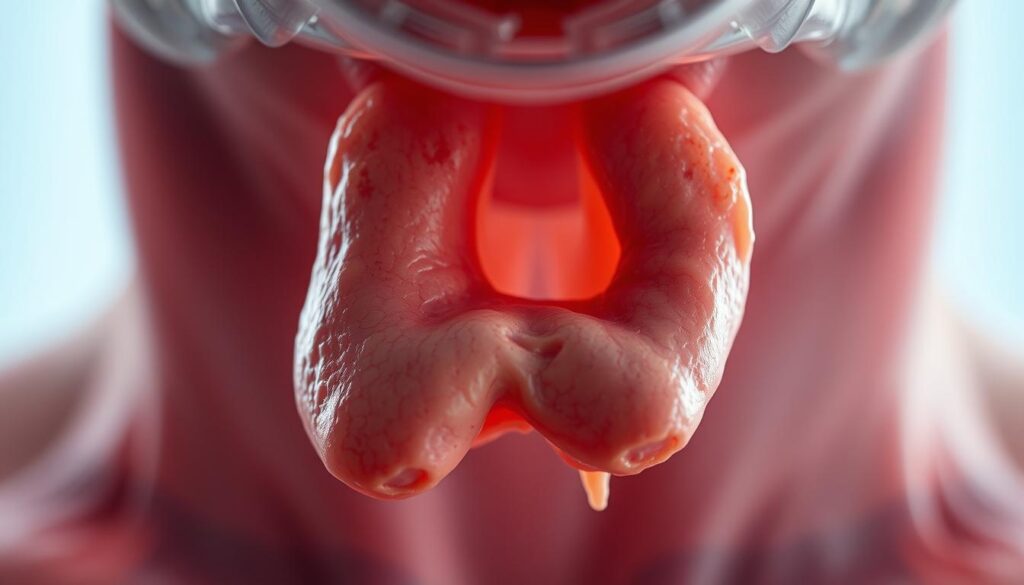
Thyroid disorders come from many factors that mess with the gland’s work. Knowing these causes helps spot risks and avoid problems. Women often face special challenges with thyroid autoimmune disease and changes in hormones that can lead to thyroid issues.
Genetic Factors
Family history is key in thyroid health. If your mom or sister has a thyroid issue, you’re at higher risk. Hashimoto’s disease, a common thyroid autoimmune disease, often runs in families. Genes can affect how your body makes thyroid hormones or reacts to immune signals.
Environmental Influences
Things outside us can really affect our thyroid. Iodine shortage is a big problem worldwide, as the thyroid needs it to make hormones. Too much radiation from treatments or the environment can harm thyroid cells. Some medicines, like lithium and amiodarone, can mess with hormone making. Too much iodine from dyes or supplements can actually hurt thyroid function.
Hormonal Changes
Pregnancy thyroid issues are common for many women during and after having a baby. Postpartum thyroiditis happens in 5-9% of new moms, causing hyperthyroidism first, then hypothyroidism. It usually starts within a year after giving birth, miscarriage, or abortion. Hormonal changes during menopause and puberty also affect the thyroid, making regular checks important during these times.
Risk Factors for Thyroid Disorders
Understanding thyroid disorders in women helps us know who is at higher risk. Women are more likely to get thyroid problems than men. Certain factors make their risk even higher.
Age and Gender
Women are five to eight times more likely to get thyroid problems than men. This big difference makes gender a key risk factor. Adults over 60 are at even higher risk because their thyroid function changes with age.
Being female and over 60 makes a person especially vulnerable to thyroid disorders.
Family History
Genetics are important in thyroid problems for women. If your family has thyroid conditions, your risk goes up. Other autoimmune diseases in your family also matter:
- Type 1 diabetes
- Rheumatoid arthritis
- Lupus
- Pernicious anemia
- Primary adrenal insufficiency
Women with Turner syndrome have an extra genetic risk for thyroid disorders.
Lifestyle Choices
Lifestyle and medical factors also affect thyroid disease risk. Getting radiation to the head and neck area raises your risk a lot. Taking too much iodine in medications can cause thyroid problems.
Women who have had thyroid surgery or thyroid cancer need to be closely watched. Regular check-ups are key for those with many risk factors to find problems early.
Diagnosing Thyroid Disorders
Getting an accurate diagnosis is key to managing thyroid conditions well. Doctors use several tests to check if your thyroid gland works right. Each test gives important info about your thyroid health.
Blood Tests
Blood tests are the main way doctors diagnose thyroid problems. A simple blood draw from your arm vein can show a lot about your thyroid. The most common tests measure thyroid-stimulating hormone (TSH), free T4 (FT4), and free T3 (FT3).
For most adults, doctors first check TSH levels. TSH levels in women can change with age and life stage. If your TSH is too high, they’ll check FT4 levels. If TSH is too low, they’ll check both FT4 and FT3 levels. Children and those with suspected pituitary problems need both TSH and FT4 tests from the start.
Imaging Tests
Imaging tests help doctors see your thyroid gland’s structure. An ultrasound uses sound waves to create pictures of your thyroid. This painless test takes about 20 to 30 minutes and shows the gland’s size, shape, and any nodules present. A thyroid scan provides similar info and can detect abnormal growths. Some patients may need an iodine uptake test, which tracks how your thyroid absorbs iodine to produce hormones.
Clinical Evaluation
Physical examination is also crucial in diagnosing thyroid disorders. Your doctor will feel your neck area to check for thyroid enlargement or lumps. You can do simple self-checks at home using a mirror and glass of water. Watch your throat area while swallowing to notice any unusual bulges or movements.
Treatment Options for Thyroid Disorders
Treating thyroid conditions needs a plan made just for you. Doctors often pick from three main ways: medicine, radioactive iodine, or surgery. Each method helps with different thyroid issues and what each patient needs.
Medications
The most common thyroid medication options depend on if your thyroid is too active or too slow. For a slow thyroid, levothyroxine is the top choice. It’s a synthetic hormone that helps replace what your thyroid can’t make. You’ll need to take it every day for life.
For an overactive thyroid, doctors use different medicines. These stop your thyroid from making too much hormone. Most people start feeling better in 6-8 weeks. But, treatment usually lasts 12-18 months.
Radioactive Iodine Therapy
Radioactive iodine treatment is a non-surgical way to treat an overactive thyroid. Your thyroid naturally takes in iodine, making this treatment very effective. You’ll swallow a capsule or liquid with radioactive iodine. It slowly damages thyroid cells, reducing hormone production.
This treatment might need more than one dose to work right. Afterward, many people develop a slow thyroid and need hormone replacement for life.
Surgery
The thyroidectomy procedure means removing part or all of your thyroid gland. Doctors suggest it for big goiters, suspected cancer, or when other treatments don’t work. Pregnant women who can’t take certain medicines might also need surgery.
| Treatment Type | Best For | Recovery Time |
|---|---|---|
| Levothyroxine | Hypothyroidism | 4-6 weeks for symptom improvement |
| Antithyroid drugs | Hyperthyroidism | 6-8 weeks for initial relief |
| Radioactive iodine | Graves’ disease, toxic nodules | 3-6 months for full effect |
| Thyroidectomy | Cancer, large goiters | 2-4 weeks physical recovery |
Managing Hypothyroidism

Living with hypothyroidism means using both medicine and lifestyle changes. Women need to understand their medication, eat right, and see their doctors regularly. Every woman’s path is different, needing plans that fit her symptoms and health goals.
Dietary Adjustments
Good nutrition is key for thyroid health and medicine work. Eating foods rich in selenium like Brazil nuts, eggs, and fish is important. It’s also crucial to get the right amount of iodine, as too little or too much can mess with medicine.
When taking levothyroxine dosing, wait 30-60 minutes before eating breakfast. Also, avoid foods high in calcium, iron supplements, and soy products for four hours after taking your medicine.
Importance of Regular Monitoring
Regular doctor visits are vital for managing hypothyroidism. TSH blood tests should be done every three months at first, then once a year if levels stay stable. Women under 65 without heart problems usually start with 1.6 micrograms of levothyroxine per kilogram of body weight each day.
Older women and those with heart issues start with 25-50 micrograms. Some women feel better when their TSH levels are at certain points in the normal range.
Supportive Therapies
There are many ways to help manage hypothyroidism besides medicine. Regular exercise boosts energy and metabolism. Stress-reducing activities like yoga or meditation help balance hormones.
Getting enough sleep is also important for thyroid health. Always tell your doctor about all medicines and supplements you’re taking. This includes antidepressants, diabetes meds, and vitamins with iron or magnesium, as they can affect levothyroxine dosing absorption.
Managing Hyperthyroidism
Managing hyperthyroidism needs a mix of medical treatment and lifestyle changes. Women with this condition have many ways to control their thyroid. The best hyperthyroidism treatment women get depends on their age, how bad their symptoms are, and if they’re planning to have a baby.
Lifestyle Modifications
Simple changes in lifestyle can help a lot while getting treatment. These changes help women feel better faster:
- Limit caffeine intake to reduce heart palpitations and anxiety
- Practice stress-reduction techniques like yoga or meditation
- Get adequate sleep (7-9 hours nightly)
- Avoid excessive iodine in supplements
- Maintain a balanced diet rich in calcium and vitamin D
Medications and Treatments
Antithyroid drugs are often the first choice for many women. These drugs lower thyroid hormone levels. Methimazole and propylthiouracil (PTU) are common ones. For Graves’ disease management, beta-blockers are used to slow down heart rate and tremors.
Radioactive iodine therapy is a lasting solution for many. It kills off thyroid cells, usually with just one dose. Surgery is needed if the thyroid gland is too big or if it’s causing breathing problems.
Long-term Management
Keeping hyperthyroidism under control long-term means regular blood tests every 3-6 months. Women planning to get pregnant need special care, as some treatments must wait 4-6 months. Antithyroid drugs might need to be adjusted at different times, like during pregnancy or menopause. Working closely with an endocrinologist is key to managing the condition well and avoiding serious problems.
The Role of Nutrition in Thyroid Health
What you eat is key to supporting your thyroid gland. The right nutrition thyroid function balance is crucial for managing thyroid conditions. Your body needs certain nutrients to make thyroid hormones and keep metabolism healthy. Knowing which foods help and which ones harm your thyroid lets you make better food choices.
Essential Nutrients
Your thyroid needs several important nutrients to function well. Iodine thyroid health is the most critical mineral for making thyroid hormones. Selenium helps turn thyroid hormones into their active form. B vitamins are vital for energy, and vitamins A and C protect thyroid cells.
Protein is essential for building thyroid hormones. Calcium and magnesium support your thyroid’s overall function. Eating whole foods is better than relying on supplements.
Foods to Include
A thyroid diet women should include:
- Seafood like salmon and shrimp for iodine and selenium
- Brazil nuts for selenium
- Eggs for protein and B vitamins
- Greek yogurt for calcium and protein
- Spinach and sweet potatoes for vitamin A
- Berries for vitamin C and antioxidants
Foods to Avoid
Some foods and substances can harm your thyroid. Limit caffeine as it can increase heart rate and anxiety. Avoid high-dose biotin supplements before thyroid tests. Cold medicines with pseudoephedrine can cause nervousness and high blood pressure in those with thyroid issues.
Hormonal Impact on Thyroid Function
Women’s hormones change a lot throughout their lives. These changes affect their thyroid health. The thyroid gland reacts to changes in estrogen and progesterone. This affects everything from their monthly cycles to how well they do during pregnancy.
Knowing about the *menstrual thyroid connection* helps women spot symptoms early. This way, they can get the help they need quickly.
Menstrual Health and Thyroid Disorders
Thyroid problems can mess with menstrual cycles. Women with untreated hypothyroidism might have heavy, long periods or irregular cycles. On the other hand, hyperthyroidism can lead to lighter, less frequent periods.
Some women might even stop getting their periods if their thyroid levels stay off balance for too long.
Pregnancy and Postpartum Considerations
*Pregnancy thyroid issues* need close monitoring. Thyroid hormones are crucial for the baby’s brain development. Women on thyroid medication need their doses adjusted during pregnancy because hormone needs go up by 25-50%.
They should have blood tests every 4-6 weeks. This makes sure their thyroid hormone levels stay right throughout pregnancy.
*Postpartum thyroiditis* affects 5-9% of new moms in the first year after giving birth. It follows a certain pattern:
| Phase | Timeline | Symptoms |
|---|---|---|
| Hyperthyroid | 1-4 months postpartum | Anxiety, rapid heartbeat, weight loss |
| Hypothyroid | 4-8 months postpartum | Fatigue, depression, weight gain |
| Recovery | 12-18 months postpartum | Return to normal thyroid function |
Women planning to get pregnant after radioactive iodine treatment should wait 4-6 months. Thyroid surgery doesn’t require a waiting period. All newborns get thyroid screening soon after birth. This is because untreated congenital hypothyroidism can cause developmental delays.
Thyroid Disorders and Mental Health
The link between thyroid health and mental well-being is deep and important. Many don’t know that thyroid issues in women are closely tied to mental health. When your thyroid isn’t right, it can mess with your mood, thoughts, and feelings.
Anxiety and Depression
Research shows a strong connection between thyroid disorders and anxiety. People with thyroid problems often see big mood swings. Depression linked to hypothyroidism affects millions of women in the U.S.
Up to 60% of those with hypothyroidism feel depressed. But, treating the thyroid can help improve mental health.
Cognitive Impairment
Thyroid issues can mess with your thinking. You might notice:
- Memory problems
- Difficulty concentrating
- Mental fog or confusion
- Slower thinking speed
Children with thyroid problems might have trouble in school or act differently. Adults might find it hard to focus at work.
Coping Strategies
Dealing with thyroid-related mental health issues takes time and the right steps. Here are some helpful strategies:
| Strategy | Benefits |
|---|---|
| Regular Exercise | Boosts mood and energy levels |
| Stress Management | Reduces anxiety symptoms |
| Support Groups | Provides emotional connection |
| Consistent Sleep Schedule | Improves cognitive function |
Improvement takes time. Your body stores thyroid hormone, so daily changes aren’t always about your thyroid. Stick with your treatment and talk often with your doctor about your mental health.
Support and Resources for Women
Living with a thyroid disorder can feel overwhelming. But women don’t have to face these challenges alone. A strong support network and reliable information can make managing thyroid conditions easier.
From connecting with others who understand your journey to finding the right medical professionals, various resources are available. They help women navigate their thyroid health successfully.
Patient Support Groups
Connecting with thyroid support groups women can provide emotional support and practical advice. The American Thyroid Association offers online forums where women share experiences and tips for managing symptoms.
Local hospitals often host in-person meetings for thyroid patients. These groups create safe spaces to discuss treatment challenges, lifestyle adjustments, and emotional concerns that come with thyroid disorders.
Educational Resources
Quality thyroid patient resources help women understand their condition better. The National Institute of Diabetes and Digestive and Kidney Diseases provides free educational materials.
They cover:
- How thyroid hormones work in your body
- What blood test results mean
- Treatment options and their effects
- Pregnancy considerations with thyroid disease
- When to seek emergency care
Professional Help and Counseling
Finding the right doctor is crucial for proper thyroid care. A thyroid specialist finder tool from the Endocrine Society helps locate endocrinologists in your area.
The American Academy of Otolaryngology assists in finding ENT surgeons for those needing surgical treatment. Working with specialists who understand thyroid disorders ensures personalized care plans. These plans address both physical symptoms and emotional well-being.
Conclusion: The Importance of Awareness and Action
Thyroid disorders affect millions of women in the United States. Many cases are missed for years. Knowing your body and noticing changes can greatly improve your health.
When women watch for symptoms like unexpected weight changes or energy shifts, they can catch thyroid problems early. This awareness starts with education and ends with action.
Seeking Help Early
Early thyroid diagnosis can prevent years of discomfort and health issues. Many women confuse thyroid symptoms with stress, aging, or menopause. Symptoms like temperature sensitivity, mood swings, and fatigue might signal thyroid problems.
Getting tested for these changes can lead to quick treatment. Simple blood tests can show thyroid issues that medication can manage well.
Delaying treatment can lead to more serious health problems. Women who start treatment early often see improvements in weeks. Regular check-ups and blood work help doctors adjust medications for stable thyroid levels.
Working with healthcare professionals who understand thyroid disorders makes management easier and more successful.
Empowering Women to Manage Their Health
Women’s thyroid wellness depends on being active in healthcare decisions. Learning about treatment options helps women make informed choices. Some women need synthetic thyroid hormones, while others need different treatments.
Understanding reliable health information sources helps women separate facts from myths about thyroid treatment. Being involved in treatment planning leads to better outcomes and satisfaction with care.