

Polycystic ovary syndrome affects millions of women in the United States. It makes it hard for them to get pregnant. In fact, 72% of women with PCOS struggle with fertility, compared to 16% of the general population.
The Centers for Disease Control and Prevention say up to 12% of women have PCOS. Many don’t get diagnosed, missing out on treatments that could help. To get pregnant with PCOS, you need to understand your body and make smart lifestyle changes.
Natural ways to boost fertility with PCOS include eating right, exercising regularly, and managing stress. These steps help balance hormones and improve ovulation. Many women find success with these lifestyle changes before turning to medical treatments.
Research shows that less than 5% of women with PCOS are happy with their treatment plans. The complexity of PCOS often makes it hard to stick to treatment. Simple, practical steps can greatly improve your chances of getting pregnant.
Key Takeaways
- PCOS affects up to 12% of women during their reproductive years
- Natural approaches can significantly improve fertility outcomes
- Regular physical activity helps balance hormones and boost ovulation
- Proper nutrition plays a crucial role in managing PCOS symptoms
- Early diagnosis and treatment increase pregnancy success rates
- Lifestyle changes often work as well as medical interventions
- Consistent healthy habits matter more than perfect adherence
Understanding PCOS and Its Impact on Fertility
Polycystic Ovary Syndrome affects millions of women in their reproductive years. This complex hormonal disorder creates significant challenges for those trying to conceive. Women dealing with ovulation with PCOS face unique obstacles that require careful attention and proper management strategies.
What is Polycystic Ovary Syndrome?
PCOS is a hormonal disorder that disrupts normal reproductive function. The condition causes your ovaries to produce excess male hormones called androgens. These hormonal imbalances interfere with egg development and release. Many women discover they have PCOS when they struggle with PCOS conception or notice persistent symptoms during their late teens or early twenties.
The ovaries of women with PCOS often contain multiple small, fluid-filled sacs. These cysts form when eggs fail to mature properly. Without regular egg release, pregnancy becomes difficult to achieve naturally.
Common Symptoms of PCOS
Recognizing PCOS symptoms helps you seek timely treatment. Women with this condition typically experience:
- Irregular or absent menstrual periods
- Unexpected weight gain, especially around the midsection
- Excessive hair growth on face and body
- Thinning scalp hair
- Acne and oily skin
- Difficulty getting pregnant
These symptoms vary in severity among women. Some experience mild issues while others face more challenging complications.
How PCOS Affects Hormone Levels
High androgen levels disrupt the delicate balance needed for normal ovulation. Insulin resistance often accompanies PCOS, causing your body to produce more insulin. This excess insulin triggers even higher androgen production, creating a frustrating cycle.
The hormonal chaos prevents eggs from developing and releasing on schedule. Without predictable ovulation, managing PCOS for pregnancy becomes essential. Your reproductive system needs stable hormone levels to support conception and maintain a healthy pregnancy.
The Role of Diet in PCOS Management
Diet is key in managing PCOS and improving fertility. What you eat affects hormone levels, insulin sensitivity, and inflammation. Choosing the right foods can help regulate your cycle and boost fertility.
Foods to Include for Optimal Hormone Balance
The Mediterranean diet is great for PCOS. It focuses on whole foods that fight inflammation and support hormones. Include these foods in your meals:
- Complex carbohydrates: quinoa, brown rice, sweet potatoes
- Lean proteins: fish, chicken, legumes
- Healthy fats: olive oil, avocados, nuts
- Colorful vegetables: leafy greens, bell peppers, broccoli
- Fresh fruits: berries, apples, citrus fruits
Foods to Avoid for Better Fertility
Some foods can make PCOS symptoms worse and lower fertility. Avoid these to reduce inflammation and improve insulin resistance:
| Food Category | Examples | Why to Avoid |
|---|---|---|
| Processed foods | Chips, cookies, frozen meals | High in sugar and unhealthy fats |
| Refined carbs | White bread, pastries, pasta | Spike blood sugar levels |
| Sugary drinks | Soda, fruit juice, energy drinks | Increase insulin resistance |
| Fried foods | French fries, donuts, fried chicken | Promote inflammation |
Importance of Balanced Nutrition
Creating a calorie deficit of 500-750 calories daily helps with weight loss. This improves fertility. Low glycemic index diets also help with menstrual regularity and insulin sensitivity. Balanced nutrition isn’t about restriction — it’s about choosing foods that nourish your body and support hormone balance. Poor dietary choices can increase fat mass and worsen PCOS symptoms, while proper nutrition creates the foundation for improved reproductive health.
Exercise and Physical Activity
Regular physical activity is a top natural fertility method for PCOS. It helps manage insulin resistance, a big factor in PCOS. After 20 weeks of exercise, nearly half of the participants saw better ovulation and regular periods.
Types of Exercises Beneficial for PCOS
There are many exercises that help with PCOS symptoms and improve fertility:
- Aerobic exercises: Walking, swimming, cycling, and dancing help reduce insulin resistance
- Strength training: Weight lifting and resistance exercises build muscle mass and boost metabolism
- Yoga and Pilates: These practices combine movement with stress reduction
- High-intensity interval training (HIIT): Short bursts of intense activity followed by rest periods
Recommended Exercise Routine
Having a good exercise plan is key for managing PCOS infertility solutions. Aim for 150 minutes of moderate exercise a week or 75 minutes of vigorous activity. For weight loss, try 250 minutes of moderate exercise a week.
A good weekly routine could be three cardio days, two strength training days, and one or two yoga days. Start slow and increase intensity to avoid burnout and injury.
How Exercise Affects Hormones
Exercise changes hormone levels in many ways. It helps glucose enter muscles without insulin, easing the pancreas. This helps balance testosterone and improves ovulation, making it a great fertility treatment for PCOS. Regular exercise also lowers cortisol, boosts mood, and improves body image, helping reproductive health.
Stress Management Techniques
Stress is a big problem for women with PCOS who want to get pregnant. It adds to the emotional challenges they face. It’s key to manage stress to increase chances of pregnancy.
The Connection Between Stress and PCOS
Women with PCOS are more likely to feel depressed. This can make it hard to take care of themselves and make healthy choices. Stress also messes with hormones, making PCOS symptoms worse and fertility lower.
Not getting enough sleep and having irregular schedules messes with the body’s natural rhythm. Young women with PCOS often have trouble with their body’s internal clock. This affects hormone production and how well they can get pregnant.
Effective Stress Reduction Strategies
Cognitive behavioral therapy is a great way to handle emotional health. It helps women think more positively and stick to their treatment plans. Regular therapy can improve their life and help with getting pregnant.
- Daily relaxation exercises
- Regular sleep schedule (7-9 hours)
- Yoga practice 3-4 times weekly
- Journaling for emotional release
- Support group participation
Mindfulness and Meditation Practices
Meditation can really help with hormone balance and getting pregnant. Just 10-15 minutes a day can lower cortisol levels and help with getting pregnant.
“The mind and body are not separate. What affects one, affects the other.” – Dr. Deepak Chopra
Starting with simple breathing exercises, guided imagery, and progressive muscle relaxation is a good idea. These can help with insulin sensitivity and regular menstrual cycles. This makes it easier to get pregnant.
Supplements and Vitamins for PCOS
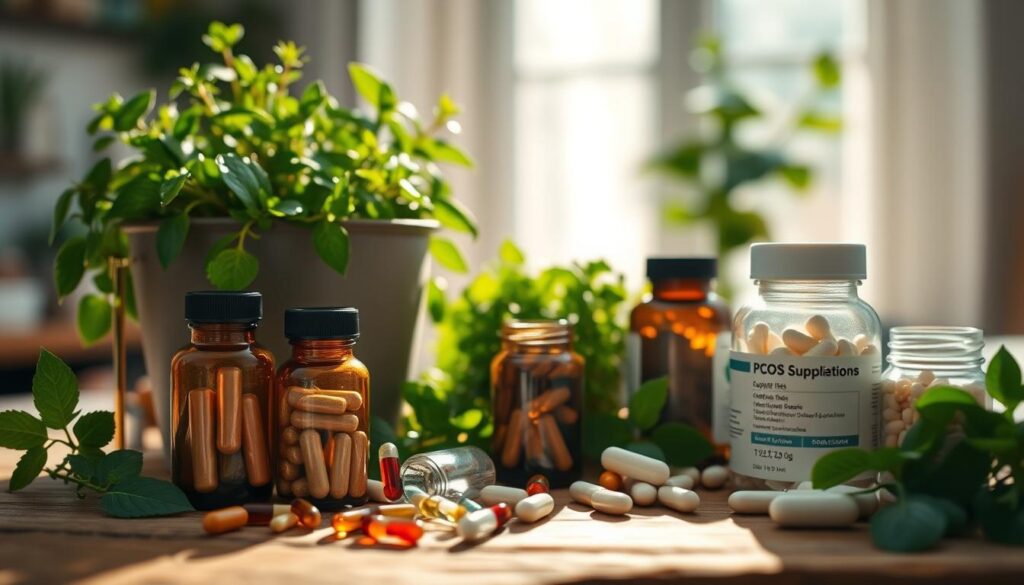
Women with PCOS often find that the right supplements make a big difference. They help balance hormones, improve insulin sensitivity, and increase chances of getting pregnant. Knowing which nutrients your body needs can change how you approach reproductive health.
Essential Nutrients for Women with PCOS
Several nutrients are key in managing PCOS symptoms and improving fertility. Inositols, especially myo-inositol and d-chiro-inositol in a 40:1 ratio, act as natural insulin sensitizers. They help regulate ovulation and lower insulin levels that can harm reproductive function.
Vitamin D is also crucial. Many women with PCOS lack vitamin D, which makes symptoms worse. Keeping vitamin D levels above 30 ng/ml through supplements can improve ovulation and egg maturation. Taking 4,000 IU daily can help women with high male hormones.
Recommended Supplements for Fertility
Some supplements offer specific benefits for PCOS:
- Melatonin protects egg quality by reducing stress and inflammation
- B-complex vitamins, especially B12, support reproductive health
- Omega-3 fatty acids reduce inflammation and support hormone production
- NAC (N-acetylcysteine) improves ovulation rates in women with PCOS
Combining supplements can enhance their benefits. Inositol and melatonin together show promising results for fertility. Vitamin D works well with fertility medications like metformin or clomiphene.
How to Choose Quality Supplements
Choosing effective supplements requires careful thought. Look for third-party tested products from trusted manufacturers. Check for USP or NSF certification marks for purity and potency. Make sure the dosages match research recommendations.
Start new supplements one at a time to see how your body reacts. Track changes in your cycle, energy, and other symptoms. Work with healthcare providers who know about PCOS fertility to create a personalized supplement plan.
Tracking Your Menstrual Cycle
Women with PCOS often have unpredictable periods, making it hard to plan for pregnancy. Tracking your cycle helps understand your body’s unique patterns. This way, you can find the best time for PCOS conception.
Why Cycle Tracking Matters for PCOS
Up to 80% of women with PCOS have irregular periods. Without regular cycles, it’s hard to predict ovulation with PCOS. Tracking helps by:
- Identifying ovulation signs
- Recognizing hormonal patterns
- Tracking cycle length changes
- Sharing accurate info with doctors
Methods to Monitor Ovulation
There are many ways to detect ovulation, even with irregular cycles. Each method has its own benefits for polycystic ovary syndrome pregnancy.
| Tracking Method | Accuracy Level | Best For |
|---|---|---|
| Basal Body Temperature | 85-90% | Confirming ovulation occurred |
| Ovulation Predictor Kits | 75-80% | Predicting upcoming ovulation |
| Cervical Mucus Changes | 70-75% | Daily fertility awareness |
| Blood Tests (Progesterone) | 95-99% | Medical confirmation |
Apps and Tools for Cycle Tracking
Digital tools make tracking easier. Apps like Clue, Flo, and Fertility Friend have features for PCOS. They analyze your data to predict patterns and highlight fertile days. Many also work with wearable devices to track temperature and sleep.
Medical Treatment Options for PCOS
When natural methods don’t work, medical treatments can help. Healthcare providers help choose the best option for each person.
Overview of Common Treatments
Many medications help women with PCOS get pregnant. Metformin helps with insulin resistance, which affects hormone balance. It makes menstrual cycles regular and boosts ovulation rates.
Drugs like letrozole and clomiphene citrate help release eggs. Birth control pills balance hormones before trying to get pregnant.
When to Consider Medication
Medication is needed when lifestyle changes don’t work after six months. Women with a high BMI should lose weight first. Bariatric surgery is an option for those who can’t lose weight.
Wait 6-12 months after surgery before trying to get pregnant for safety.
Role of Fertility Specialists
Fertility specialists help when other treatments fail. They offer solutions like IUI and IVF. Places like ONE Fertility Kitchener Waterloo and Banner Health help with personalized plans.
Herbal Remedies in PCOS Management
Many women are now using herbal remedies for PCOS. These natural treatments have been around for centuries. They help with reproductive health. Research shows some herbs can balance hormones and improve fertility.
While herbs are not a replacement for medical treatment, they can help. They can be part of your plan to manage PCOS for pregnancy.
Popular Herbs for Hormone Regulation
Several herbs are known for their benefits in PCOS. Each one works in its own way to support hormonal balance and fertility:
| Herb Name | Primary Benefits | Typical Dosage |
|---|---|---|
| Spearmint Tea | Reduces excess androgens | 2 cups daily |
| Cinnamon | Improves insulin sensitivity | 1-2 grams daily |
| Vitex (Chasteberry) | Regulates menstrual cycles | 20-40mg daily |
| Inositol | Enhances ovulation rates | 2-4 grams daily |
Effectiveness of Herbal Treatments
Research shows that herbs and probiotics can improve PCOS symptoms. Spearmint tea can lower testosterone levels in just 30 days. Cinnamon helps with insulin resistance, a big issue in PCOS.
Inositol supplements can help women ovulate regularly again.
Risks and Considerations
Always talk to your healthcare provider before trying herbal remedies for PCOS. Some herbs can interact with medications or affect hormone levels in unexpected ways. Pregnant women should avoid certain herbs.
Quality of herbal supplements can vary. Choose reputable brands with third-party testing. Start with small doses to see how your body reacts.
The Importance of Hydration
Water is key for PCOS fertility and reproductive health. It helps manage PCOS symptoms by balancing hormones. Your body uses water to move nutrients, remove toxins, and keep reproductive systems working right.
How Water Intake Affects Fertility
Water intake is crucial for reproductive health in women with PCOS. It helps control blood sugar levels, which are often high in PCOS. Water also helps make cervical mucus, which is good for sperm to reach the egg.
Drinking enough water boosts blood flow to reproductive areas. It also keeps the body at the right temperature for making a baby. For those trying natural ways to get pregnant with PCOS, drinking water is a simple yet powerful step.
Tips for Maintaining Adequate Hydration
- Aim for 8-10 glasses of water daily, adjusting for activity level and climate
- Start your morning with a glass of water to kickstart metabolism
- Keep a reusable water bottle nearby as a visual reminder
- Add fresh lemon, cucumber, or mint for variety without added sugars
- Set phone reminders to drink water throughout the day
- Monitor urine color – pale yellow indicates good hydration
Putting hydration first helps your body work better. It also boosts the effects of other treatments for PCOS fertility.
Building a Support Network

Having a strong support system is key when managing PCOS for pregnancy. Women with PCOS often go through emotional ups and downs. Connecting with people who understand can help keep hope alive and treatment plans on track.
Importance of Community Support
Women with PCOS face unique challenges that others might not get. Studies show they are more likely to feel anxious and depressed. Having people who truly get what you’re going through can make a big difference. Partners, family, and friends who learn about PCOS can offer much-needed emotional support.
Finding Support Groups for PCOS
Local and online support groups are places where women can share their PCOS pregnancy stories. Many hospitals and fertility clinics have monthly meetings for PCOS patients. Groups like PCOS Challenge and Resolve have directories of support groups across the U.S. These groups talk about treatments, share success stories, and offer tips for managing symptoms.
Engaging with Online Resources
Digital platforms have changed how women connect about PCOS reproductive health. Popular online communities include:
- Reddit’s r/PCOS and r/TTC_PCOS forums
- Facebook groups like “PCOS Support Group” with over 100,000 members
- MyPCOSTeam, a dedicated social network for women with PCOS
- Instagram hashtags #PCOSfighter and #PCOSpregnancy for daily inspiration
These platforms offer 24/7 access to advice, encouragement, and shared experiences from women worldwide.
Lifestyle Changes for Improved Fertility
Making lifestyle changes is a key natural way to boost fertility with PCOS. These changes aim to reduce insulin resistance, a common issue with PCOS. By changing daily habits, women can increase their chances of getting pregnant with PCOS, without just relying on medicine.
Adopting a Healthier Daily Routine
Having a regular daily routine helps keep your body’s rhythms in sync. Start by setting regular meal times and avoiding eating late at night. This helps improve insulin sensitivity and hormone balance. Women looking to solve PCOS infertility often find success by:
- Eating breakfast within an hour of waking
- Spacing meals 4-5 hours apart
- Finishing dinner at least 3 hours before bedtime
- Limiting caffeine intake to morning hours
Staying away from harmful substances is also key for better fertility. Avoiding alcohol and tobacco lets your body focus on hormone balance and reproductive health.
Importance of Sleep for Hormonal Health
Good sleep is vital for fertility in women with PCOS. Studies show that PCOS patients often have sleep problems like sleep apnea. These issues can mess with hormone levels, especially melatonin, which affects ovulation and egg quality.
To sleep better for fertility:
- Aim for 7-9 hours of uninterrupted sleep
- Keep bedroom temperature between 65-68°F
- Use blackout curtains to maintain darkness
- Avoid screens 2 hours before bedtime
Adding regular exercise to these sleep tips is a strong combo for managing PCOS symptoms and boosting fertility.
Understanding the Menstrual Cycle
The menstrual cycle is key to female reproductive health, especially for those with PCOS. It lasts about 28 days and involves hormonal changes to get ready for pregnancy. For women with PCOS who want to get pregnant, knowing these changes is vital.
Phases of the Menstrual Cycle
The cycle has four main phases, each controlled by hormones. The follicular phase starts with FSH from the pituitary gland, helping eggs grow. Then, ovulation happens around day 14, when a mature egg is released.
The luteal phase follows, where the uterine lining gets thicker for implantation. If pregnancy doesn’t happen, menstruation starts, ending the cycle.
| Cycle Phase | Duration | Key Hormones | Main Events |
|---|---|---|---|
| Menstrual | Days 1-5 | Low estrogen, progesterone | Uterine lining sheds |
| Follicular | Days 1-13 | Rising FSH, estrogen | Egg follicles develop |
| Ovulation | Day 14 | LH surge | Mature egg releases |
| Luteal | Days 15-28 | High progesterone | Uterine lining thickens |
How PCOS Alters Cycle Regularity
Women with PCOS often face cycle disruptions due to hormonal imbalances. High androgen levels and insulin resistance hinder egg development and release. This leads to anovulation, where eggs don’t mature or release.
Cycles can last over 35 days, skip months, or have unpredictable bleeding. These irregularities make it hard to time conception and lower PCOS fertility without treatment.
Infertility Assessment and Diagnosis
Getting the right diagnosis is the first step toward finding effective PCOS infertility solutions. When you’re struggling with PCOS conception, a thorough medical evaluation helps identify specific hormonal imbalances. This guides your treatment path. Your healthcare provider will look at your complete health picture to create a personalized plan.
Steps to Take When Experiencing Infertility
Start by scheduling an appointment with your gynecologist or reproductive specialist. During your visit, be ready to discuss:
- Your menstrual cycle patterns and irregularities
- Previous pregnancy attempts and timing
- Current medications and supplements
- Family history of PCOS or fertility issues
- Lifestyle factors including diet and exercise
Your doctor will perform a physical exam to check for signs of excess hair growth, acne, or other PCOS symptoms. Blood work typically follows to measure hormone levels and rule out other conditions.
Common Tests and Evaluations
Several tests help determine the best fertility treatments for PCOS. Your provider may order:
- Hormone panels to check testosterone, insulin, and thyroid levels
- Transvaginal ultrasound to examine ovaries for cysts
- Anti-Müllerian hormone (AMH) test to assess ovarian reserve
- Glucose tolerance test for insulin resistance
- Prolactin levels to rule out other conditions
Women with PCOS face triple the risk of thyroid problems compared to others. Early detection through these tests allows doctors to address multiple issues affecting fertility. Once testing is complete, your specialist can recommend targeted PCOS infertility solutions. These range from lifestyle changes to assisted reproductive technologies.
Healthy Weight Management
Managing your weight is key when you have PCOS and want to get pregnant. Women with PCOS often gain more weight than others. This extra weight can make it harder to get pregnant and affect your health.
The Link Between Weight and PCOS Fertility
Carrying extra weight, especially around your waist, can make PCOS symptoms worse. If your waist is over 31 inches, you might face more insulin resistance and hormone imbalances. These issues can make it tough to ovulate and get pregnant.
Research shows that extra weight increases the risk of PCOS by about 9% for each BMI point. Women with more weight may need more fertility meds and have lower success rates with treatments.
Strategies to Achieve a Healthy Weight
Good news: losing a little weight can boost your fertility. Losing 5-10% of your body weight in six months can help you ovulate regularly. Here are some tips for losing weight in a healthy way:
- Create a daily calorie deficit of 500-750 calories through diet and exercise
- Focus on whole foods rich in fiber and lean proteins
- Incorporate regular physical activity you enjoy
- Track your progress with weekly weigh-ins
- Stay consistent with meal timing to regulate hormones
Remember, losing weight takes time. Small, steady changes are better than quick fixes. They help your PCOS health and improve your chances of getting pregnant.
Future Research and Developments
Scientists are making exciting progress in understanding PCOS fertility. Teams at places like Johns Hopkins and Mayo Clinic are finding new ways to help women. They aim to break the cycle of PCOS passing from mothers to daughters.
The goal is to create safer and more effective fertility treatments. These treatments will work with your body’s natural processes.
Emerging Treatments for PCOS
New medications are showing promise for improving PCOS fertility. However, researchers need more time to confirm their safety during pregnancy. Harvard Medical School is studying how environmental factors like plastic chemicals affect hormone levels.
Studies have found that Bisphenol A (BPA) in plastic products may trigger PCOS symptoms and insulin problems. This research helps doctors understand why some natural fertility methods for PCOS work better with lifestyle changes.
What the Future Holds for PCOS Fertility
The next decade looks bright for women seeking fertility treatments for PCOS. Scientists are working on ways to prevent PCOS from affecting future generations. They aim to understand the genetics behind it better.
Research shows that daughters of women with PCOS face higher risks of developing the condition, along with heart disease and diabetes. By studying these patterns, researchers hope to create personalized treatment plans. These plans will address both fertility and long-term health.
Environmental protection plays a bigger role in PCOS management than experts previously thought. Future treatments will likely combine traditional medicine with strategies to reduce exposure to harmful chemicals. This approach could make natural fertility methods for PCOS more successful while protecting the health of future children.