
A big U.S. survey found men drinking 2–3 cups of coffee a day face fewer erectile issues than those who don’t drink coffee. This has made people wonder if coffee really helps with erectile dysfunction or if it’s just a myth.
This article is a deep dive into coffee and sexual health for Americans. We’re asking: Does drinking coffee in moderation really help with erectile function, or is the link too strong?
Research shows both sides. Some studies say coffee can improve blood flow, reduce inflammation, and boost mood and energy. It might even support testosterone levels, which could help with male performance. But, too much caffeine can raise blood pressure, mess with sleep, increase anxiety, and lead to dehydration and dependence, which can worsen erectile dysfunction.
Remember, coffee isn’t a cure. It’s more like a helpful addition to healthy living and medical treatment. This article combines data, studies, and advice to offer balanced, science-backed tips for men in the U.S. thinking about coffee for ED.
Always talk to a doctor before making big changes to your diet or treatment plan. They can make sure any changes you make are safe and based on solid evidence.
Key Takeaways
- Moderate coffee consumption (about 2–3 cups/day) is linked in some studies to better erectile function.
- Coffee benefits may include improved blood flow, reduced inflammation, and enhanced mood and energy.
- Excessive caffeine can worsen ED through sleep disruption, anxiety, and higher blood pressure.
- Coffee is not a standalone treatment; it may support broader lifestyle and medical strategies.
- Men should consult doctors before using coffee as part of an ED plan.
Understanding Erectile Dysfunction
Erectile dysfunction (ED) means you can’t keep an erection long enough for sex. It’s not the same as having trouble sometimes. Knowing the difference is key because treatment varies.
What is Erectile Dysfunction?
ED has physical and emotional sides. Physical issues include blood flow problems, nerve damage, and hormone imbalances. Emotional issues like anxiety or depression can also play a part.
Getting a correct diagnosis helps decide the best treatment. This could be lifestyle changes, medication, counseling, or natural remedies.
Common Causes of Erectile Dysfunction
Heart disease and nerve damage are big reasons for ED. High blood pressure, diabetes, being overweight, and low testosterone also play a role. Some medicines and brain disorders can make it worse.
Mental health is also a factor. Stress, anxiety, and depression often go hand in hand with ED. Mood and energy changes, studied in coffee research, can affect sex drive.
How Erectile Dysfunction Affects Quality of Life
ED can hurt your self-esteem and relationships. Men may feel sad and less happy overall. It can also be a sign of heart disease, so seeing a doctor is important.
Doctors recommend a mix of treatments. This includes changing your lifestyle, diet, exercise, counseling, supplements, and sometimes medicine. For more on caffeine and ED, check out this study at population-level findings.
The Science Behind Coffee
Coffee has many compounds that affect our bodies in different ways. Knowing what’s in coffee helps us understand why it might be good for us. This brief overview explains the main molecules and their effects.
The Components of Coffee
Caffeine is the main stimulant in coffee. Antioxidants like polyphenols and flavonoids make up most of the rest. There are also trace nutrients like magnesium and B vitamins, along with other plant compounds.
Polyphenols help fight oxidative stress in blood vessels. This is good for the health of blood vessels. It shows why coffee’s components are important for blood flow.
How Caffeine Affects the Body
Caffeine perks up the central nervous system. It makes people feel more alert and happy. It also increases heart rate and blood pressure briefly.
At high doses, caffeine can be a mild diuretic. It affects enzymes that control muscle tone. This can change blood flow in small blood vessels, including those in sexual tissues.
Health Benefits of Moderate Coffee Consumption
Studies show that drinking coffee in moderation can be good for health. Moderate means about 2–3 cups a day. This gives you around 85–303 mg of caffeine.
Drinking coffee can boost energy and mood. It might also help with weight management by increasing metabolism. The antioxidants in coffee help keep blood vessels healthy by protecting cells that make nitric oxide.
Choosing organic coffee is popular for its lower pesticide content and consistent taste. But, everyone reacts differently to caffeine. So, it’s important to listen to your body and follow medical advice.
The Relationship Between Coffee and Sexual Health
Research into coffee and sexual health is growing. Scientists are looking into how diet affects male function. They explore circulation, mood, and study data linking coffee to sexual outcomes.
Does coffee affect blood flow?
Studies show coffee compounds help blood vessels relax. Caffeine and antioxidants may increase nitric oxide. This could improve blood flow to the penis.
Polyphenols in coffee support blood vessel health like nitrate-rich veggies. This is part of the discussion on coffee and blood flow in men.
Potential effects of caffeine on libido
Caffeine boosts alertness and energy. This may reduce anxiety and increase desire in men. Mood and energy levels play a role in sexual engagement.
There’s limited evidence on caffeine and testosterone. Some studies suggest moderate coffee intake may be linked to healthier hormone levels. But, the evidence is mixed.
Studies linking coffee to sexual performance
Large studies show moderate caffeine intake may lower erectile dysfunction risks. Men drinking about 85–303 mg caffeine daily had lower odds of erectile issues than non-drinkers.
Explanations include caffeine relaxing penile muscle, protecting blood vessels, and aiding weight control. These factors support sexual health.
But, there are limitations. Lifestyle factors, study designs, and some null results exist. These mean we can’t say coffee definitely improves male performance. Readers should consider these points when thinking about coffee’s benefits for sex.
Myths Surrounding Coffee for Erectile Dysfunction

Many claims about coffee and male sexual health circulate online. Some posts promise quick fixes. Others present trendy mixes as cures. Readers need clear, evidence-based context before trying any remedy.
Common Misconceptions
A widespread myth about coffee is that it cures erectile dysfunction. Social-media trends like half-lemon coffee get attention for their novelty. Fans believe vitamin C in lemon and coffee’s bioactive compounds are a miracle combo.
Some think drinking any coffee will boost sexual performance. This belief is not supported by science.
Another claim treats coffee for erectile dysfunction as a substitute for medical care. People may skip testing, lifestyle changes, or consultations with urologists and cardiologists. This approach risks missing treatable conditions like hypertension or diabetes.
Separating Fact from Fiction
Observational studies link moderate coffee intake—around two to three cups daily—with lower odds of ED. These data suggest coffee can support circulation and mood. They do not prove coffee is a standalone treatment. Randomized controlled trials on coffee for erectile dysfunction are largely absent.
Excessive intake, often defined as more than four cups per day, can harm sleep, raise blood pressure, and increase anxiety. Those effects could worsen sexual function. Claims that any trendy recipe or single ingredient, like lemon plus coffee, will treat ED lack clinical backing.
Treat coffee as a lifestyle factor among natural remedies. Think of it like exercise or diet changes that may help some people. Avoid replacing prescribed therapies with unproven habits. Talk with a healthcare professional before making changes aimed at sexual health.
Expert Opinions on Coffee and Erectile Dysfunction
Medical experts have different views on coffee and male health. Urologists, nutritionists, and sexual health clinicians agree that one drink can’t replace standard care. They say a broad approach is best, combining lifestyle changes with targeted erectile dysfunction treatment when needed.
What urologists say
Urologists see erectile dysfunction as a sign of vascular or systemic disease. Specialists at places like Mayo Clinic and Cleveland Clinic say blood flow, hormones, and nerve function need checking. They note that moderate caffeine might help some men’s circulation but warn it’s not a cure.
They recommend screening for heart disease, diabetes, and other treatable causes before relying on diet alone.
Perspectives from nutritionists
Nutritionists see coffee’s antioxidants and metabolic benefits. They suggest a Mediterranean-style diet with whole foods, leafy greens, and flavonoid-rich fruit for vascular health. They say coffee can help when consumed in moderation.
They stress the importance of weight control and regular meals for men seeking nonpharmacologic support for sexual function.
Insights from sexual health experts
Clinicians in sexual medicine focus on psychological drivers of poor performance. Coffee’s energy and mood effects can help some men feel less anxious before intimacy. Experts recommend pairing behavioral strategies, like cognitive-behavioral therapy, with lifestyle steps and evidence-based medical options.
They advise patients to discuss symptoms openly to create a plan that may include medical erectile dysfunction treatment when needed.
Professional bodies suggest a holistic plan that includes diet, exercise, sleep hygiene, smoking cessation, and moderated alcohol use alongside diagnostic testing. This integrated view helps clinicians align patient expectations about coffee and male performance with proven therapies and preventive care.
Lifestyle Factors in Erectile Dysfunction

Lifestyle greatly affects sexual health. Small daily choices can impact blood flow, hormones, and mood. This section offers practical steps that work with medical care and natural remedies.
The Role of Diet
Eating well can lower the risk of ED. A diet rich in fruits, vegetables, whole grains, fish, olive oil, and nuts is beneficial. Foods like spinach and beetroot boost nitric oxide, aiding erections.
Dark chocolate and berries improve blood vessel health. Foods like pistachios and poultry are good for blood flow. Tomatoes, rich in lycopene, are also good for a diet aimed at improving ED.
Importance of Exercise
Regular exercise boosts heart health and improves blood flow. Activities like brisk walks, cycling, and strength training help control weight and balance hormones.
Even a little weight loss can help with ED. Combining aerobic and strength training is best for men with ED.
Stress Management Techniques
Emotional health is linked to sexual function. Techniques like cognitive behavioral therapy and mindfulness can help. Good sleep and avoiding heavy alcohol or tobacco also support recovery.
Moderate caffeine can improve mood and focus. But too much can increase stress and disrupt sleep. Use caffeine wisely as part of a broader plan.
| Lifestyle Area | Practical Tip | How It Helps |
|---|---|---|
| Diet | Adopt Mediterranean-style meals with vegetables, fish, and healthy fats | Improves circulation and lowers inflammation linked to ED |
| Targeted Foods | Include spinach, beetroot, berries, dark chocolate, pistachios, and tomatoes | Boosts nitric oxide, flavonoids, and L-arginine for better blood flow |
| Exercise | Aim for 150 minutes of moderate aerobic activity plus two strength sessions weekly | Enhances cardiovascular fitness and reduces ED risk |
| Weight Management | Combine diet and exercise to lose excess weight | Reduces metabolic strain and improves erectile function |
| Stress Care | Practice CBT, mindfulness, and good sleep hygiene | Lowers performance anxiety and supports sexual response |
| Caffeine Use | Consume coffee in moderation and monitor sleep effects | Can aid alertness; excessive use may worsen stress and sleep, affecting ED |
| Natural Remedies | Combine lifestyle changes with safe, researched supplements when advised | May complement diet and exercise without replacing medical care |
Alternatives to Coffee for Erectile Dysfunction
Many men look for ways other than caffeine to help with sexual health. This section talks about other dietary choices, supplements for ED, and medical treatments. It’s meant to help you discuss options with a doctor.
Other dietary options focus on heart health. The Mediterranean diet, with olive oil, veggies, and fish, helps blood flow. Foods like dark chocolate and berries improve blood vessel function.
Nitrate-rich greens like spinach and beetroot boost blood flow. Shellfish and nuts provide zinc and L-arginine for better erections. Tomatoes and watermelon support male health.
Supplements and natural remedies have mixed results. L-arginine might help some men with ED. Citrulline and pistachios may also improve erections. But, quality of research varies, and some supplements can interact with drugs.
Always talk to a doctor before trying supplements for ED. Some natural remedies, like citrus, can affect how drugs work.
Medical treatments available are often the best choice. PDE5 inhibitors like sildenafil and tadalafil are well-studied and effective. They work by increasing nitric oxide in the body.
Older treatments like nitrates and vasodilators are used in emergencies. Doctors often combine lifestyle changes with medication. The right treatment plan depends on your health and what medications you’re taking.
| Option | What it targets | Evidence Level | Notes on Safety |
|---|---|---|---|
| Mediterranean diet | Vascular health, inflammation | Moderate to strong | Low risk; benefits beyond ED |
| Flavonoid-rich foods | Endothelial function | Moderate | Safe in food amounts |
| L-arginine supplement | Nitric oxide pathway | Low to moderate | Can interact with blood pressure meds |
| Citrulline supplement | Nitric oxide precursor | Low | Generally well tolerated; check interactions |
| Pistachio | Circulation, antioxidants | Low | Safe as food; caloric density matters |
| PDE5 inhibitors (sildenafil, tadalafil) | Vasodilation in penile tissue | High | Not with nitrates; assess heart meds |
The Role of Moderation
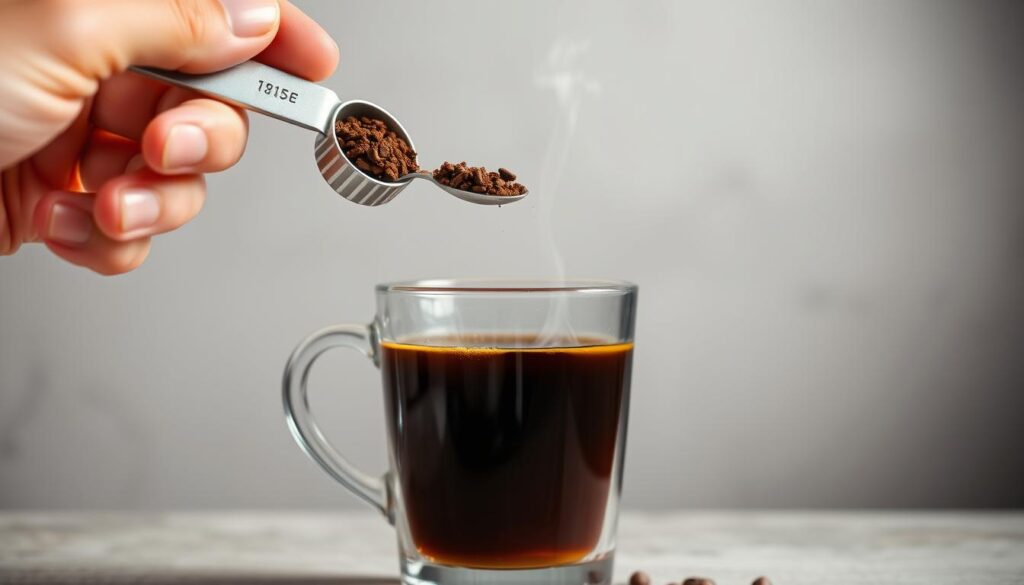
Choosing the right coffee habits is key for health and sexual function. Small changes in timing, amount, and food pairing can affect caffeine benefits. Here are tips to help you find the right balance for your needs.
How Much Coffee Is Safe?
Experts say 2–3 cups a day is a good amount. This is about 85–303 mg of caffeine. It matches many studies on coffee and erectile dysfunction.
Most adults should not have more than 400 mg of caffeine daily. But, how much you can handle varies.
Risks of Excessive Coffee Consumption
More than four cups a day can raise blood pressure and disrupt sleep. It can also increase anxiety. These issues might affect sexual function.
Drinking too much coffee can also lead to dehydration and dependency. Some studies link it to higher ED symptoms. Watch how your body reacts to more coffee.
Finding the Right Balance
Adjust your coffee intake based on your health, sleep, and anxiety. Drink it earlier in the day to avoid sleep problems. Stay hydrated and eat before or with coffee to avoid jitters.
Choose organic coffee if you’re worried about pesticides. Keep an eye on how you feel and aim for less than 400 mg of caffeine daily. Pair coffee with healthy habits like exercise and balanced meals.
- Tip: Track cups and note sleep, mood, and sexual performance for two weeks.
- Tip: If anxiety or insomnia appears, cut back to see if symptoms improve.
- Tip: Discuss intake with a clinician when cardiovascular disease or severe ED is present.
Personal Stories and Testimonials
Many men share their experiences linking daily habits to sexual health changes. These stories highlight how small choices can make a big difference. But, it’s important to talk to a doctor before making any changes.
Experiences of Coffee Users
Some men say drinking a bit of coffee boosts their energy and mood. They also notice better morning erections. Others talk about feeling less anxious after a cup of coffee from Starbucks or Dunkin’. But, how much coffee and when can vary a lot.
These stories are just that—stories. There’s no solid proof that coffee helps with erectile dysfunction for everyone. Yet, they spark interesting topics for scientists to explore.
Success Stories with Lifestyle Changes
Stories on wellness sites and forums show men improving their sexual health through diet and exercise. They often talk about eating like they do in the Mediterranean, walking or cycling, and drinking coffee in moderation. These changes seem to help a lot.
These success stories see coffee as a helpful addition, not a magic fix. Men who drink coffee while losing weight or getting stronger stress the importance of sticking to a routine and seeing a doctor.
Community Views on Coffee and Health
Online groups share tips on coffee, like drinking it with lemon or at different times of the day. People are both hopeful and cautious about coffee’s effects. They always remind each other to get professional advice if problems don’t go away.
These forums mix personal stories with practical advice on lifestyle and treatment. It’s key to see these tips as examples, not rules. Always look for advice backed by science.
Coffee Consumption Trends in the U.S.
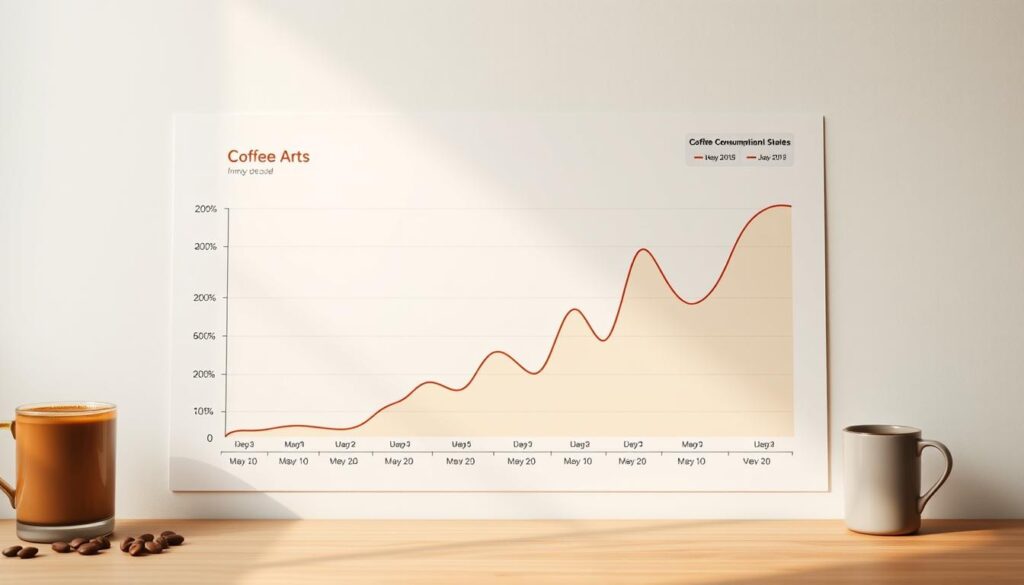
In the United States, coffee remains popular across all ages. People’s coffee habits vary based on where they live, their work schedules, and cultural backgrounds. There’s a growing trend towards specialty coffee and organic options, showing a focus on quality and health.
Popularity Among Different Demographics
Young adults, those under 35, often choose espresso-based and cold-brew drinks from places like Starbucks and Blue Bottle. Adults in their 40s and 50s tend to prefer drip coffee from Keurig or traditional coffee makers. Older adults usually stick to simple brewed coffee, finding it familiar and easy to make.
While men and women drink similar amounts of coffee, they have different tastes. Their coffee choices are influenced by their lifestyle, whether they work shifts or have office jobs. This is true in both cities and rural areas.
Coffee Habits and Health Awareness
Many people believe that drinking moderate amounts of coffee is good for their health. News about coffee and Erectile Dysfunction has sparked interest in how caffeine affects men’s health. Studies suggesting 2–3 cups a day might help have started conversations in coffee shops and among patients.
The demand for organic and single-origin coffee has increased, driven by a desire for transparency. Those who monitor their health look for the best coffee for ED as part of their lifestyle. Health experts, though, caution against making health claims too simple.
| Demographic | Common Preference | Typical Coffee Habits | Health Interest |
|---|---|---|---|
| 18–34 years | Specialty espresso, cold brew | Frequent café visits, flavored lattes | High interest in trends and organic options |
| 35–54 years | Drip, pour-over, stronger brews | Daily home or workplace consumption | Moderate interest; searches for Coffee for Erectile Dysfunction |
| 55+ years | Traditional brewed coffee | Consistent morning routines, simpler orders | Growing health awareness; cautious about caffeine |
| Shift workers | Instant, strong espresso shots | Irregular timing, higher intake at night | Concerned about sleep and long-term effects |
Advocating for Research on Coffee and Male Health
There’s growing interest in how coffee affects sexual health. Studies suggest it might improve blood flow and libido. But, we need more solid evidence before we can give advice on using coffee for erectile issues.
Gaps in current research
Most studies so far are observational. They show associations but don’t prove cause and effect. The way coffee, caffeine, and brewing methods are defined varies.
Important factors like smoking, alcohol, and diet are often not handled the same way. This makes it hard to compare results.
Few studies have tested the effects of caffeine or coffee on erectile function. They use different ways to measure outcomes. This makes it tough to draw conclusions from the current research.
Importance of further studies
We need randomized trials to test the effects of caffeine on blood flow and erectile function. These studies should use clear measures to see if coffee helps or harms.
It’s also important to study different age groups and men with varying health risks. This will help us understand who might benefit from coffee and who should avoid it.
How research impacts recommendations
Better research will help doctors give better advice on coffee use. It will tell us who might benefit from it and who should avoid it. This is important for patient care and public health messages.
We need funding for more research on coffee and male health. Stronger evidence will help us make better recommendations. This will improve care for patients and shape public health messages.
Conclusion: Is Coffee a Viable Aid for Erectile Dysfunction?
Moderate coffee drinking might help with erectile health a bit. Studies show 2–3 cups a day can improve blood flow and mood. It might even lower the risk of erectile dysfunction. But, too much coffee, even decaf, can raise risks in some studies.
For a better look at how coffee affects men’s health, check out this study here.
If you’re dealing with erectile issues, don’t just rely on coffee. See a doctor to rule out other health problems. They can suggest treatments like PDE5 inhibitors or lifestyle changes. It’s important to talk about your coffee and diet habits.
Remember, coffee is just one part of a bigger plan to stay healthy. Eat well, exercise, sleep well, and manage stress. Choose good coffee and don’t overdo it to avoid sleep and anxiety problems. Coffee can be helpful, but we need more research for sure advice.