
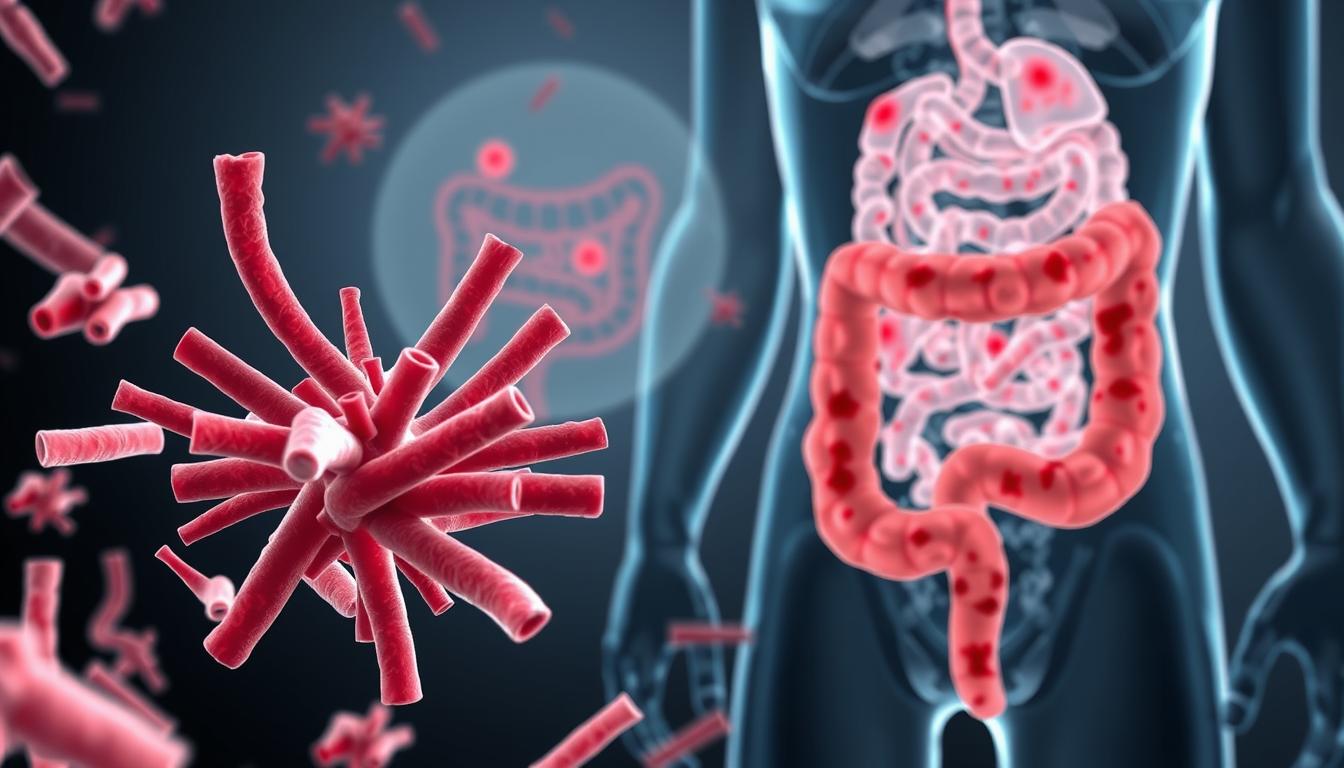
Surprising fact: a single outbreak can sicken hundreds within days — many cases start just 2–5 days after eating contaminated food.
The term ehec infektion refers to enterohemorrhagic strains of escherichia coli that make a toxin. This toxin damages the gut lining and can lead to serious complications such as hemolytic uremic syndrome.
Typical illness begins a few days after exposure and may last up to eight days. Common sources include undercooked ground beef, raw dairy or juices, sprouts and leafy greens, and contaminated recreational water.
Watch for severe abdominal cramps and bloody diarrhea. Most management focuses on hydration and close monitoring; antibiotics and antidiarrheals are usually avoided because they can worsen outcomes.
People at higher risk include young children and older adults. This guide will help readers spot early symptoms, reduce risk, and know when to seek urgent care.
Key Takeaways
- Onset is usually 2–5 days after exposure; illness may last up to 8 days.
- Toxin-producing strains of E. coli cause gut injury and can lead to HUS.
- Avoid antibiotics and antidiarrheals unless directed by a clinician.
- Common sources: undercooked beef, raw dairy, raw produce, and recreational water.
- Hydration and monitoring are the mainstays of care; seek urgent help for worsening signs.
- Young children and older adults face higher risk and need prompt evaluation.
What Is Enterohemorrhagic E. coli? Understanding the Pathogen and Shiga Toxin
Some Escherichia coli carry extra genes that turn a common gut microbe into a dangerous pathogen. These are known as enterohemorrhagic escherichia coli and they differ from harmless strains by producing a powerful toxin.
How these strains differ from others
Unlike most coli that live peacefully in the intestine, enterohemorrhagic strains have virulence genes. Those genes direct the production of Shiga toxin, which makes them more likely to cause bloody diarrhea and severe cramps.
How Shiga toxin harms the gut and kidneys
The shiga toxin binds to receptors on intestinal and kidney cells and blocks protein synthesis. That damages the epithelial and endothelial layers and can trigger a serious syndrome affecting the kidneys in vulnerable people.
- The clinical picture often lacks high fever, which helps distinguish this infection from other bacterial causes.
- Historic outbreaks—from undercooked hamburgers to leafy greens—show how animal reservoirs move into the food chain.
ehec infektion: How It Happens, Who It Affects, and Why It Matters
Contamination often begins on the farm and can reach your plate through many steps. Animals such as cattle, sheep, goats, and deer carry pathogenic coli in their intestines. During slaughter, grinding, or milking, fecal contact can move bacteria into food.
From cattle to kitchen: reservoirs and food-chain contamination
High-risk foods include undercooked ground beef, unpasteurized milk and juices, and raw produce like sprouts and leafy greens. Contaminated soil or water at farms and processing sites can spread bacteria across batches and regions.
Human-to-human spread in families, childcare, and community settings
Person-to-person transmission occurs when hands or surfaces are not cleaned after bathroom use or diaper changes. Households, daycare centers, and camps have seen rapid spread.
- Onset: symptoms usually appear in 2–5 days and can last up to 8 days.
- Water risks: swallowing contaminated well, pool, lake, or stream water can cause infections.
- Why it matters: single contaminated items can trigger wide outbreaks, so tracing recent food, animal contact, or water exposure helps protect others.
Primary Causes and Transmission Routes: Food, Water, and Animal Contact
Contamination can be invisible: normal-looking groceries or well water may carry bacteria that cause serious infection.

Ground beef is a frequent source because grinding spreads surface microbes through the whole patty. Contaminated meat often looks and smells normal, so cooking to safe temperatures matters.
Raw milk, unpasteurized juices, and cheeses can carry live bacteria from the farm into drinks and snacks. Produce like sprouts and leafy greens are repeatedly implicated when irrigation or manure carries contamination.
Water and farm exposures
Private wells and surface water near farms may contain fecal contamination. Swallowing pool or lake water has caused outbreaks.
Practical steps to reduce risk
- Cook ground beef to a safe internal temperature; use a thermometer.
- Choose pasteurized dairy and juices; avoid raw milk for children and older adults.
- Rinse produce under running water and avoid raw dough or batter made from flour.
- Wash hands after farm or petting zoo visits and prevent cross-contamination in the kitchen.
Note: enterohemorrhagic escherichia coli can appear before symptoms. Simple shopping and prep choices help block transmission before it reaches your table.
Who Is Most at Risk? Children, Older Adults, and People with Exposure to Animals
Certain groups face higher risk of severe outcomes after exposure to toxin-producing coli. Very young children, especially those under five, are most likely to develop a kidney-related syndrome that may occur about a week after diarrhea begins.
People who work with livestock or visit petting zoos have greater chance of exposure to enterohemorrhagic escherichia coli. Older adults and those with weakened immunity also face higher risk and need careful food and hand hygiene.
Household spread is common when caregivers skip thorough handwashing after diaper changes or bathroom use. Symptoms often start around three to four days after exposure, and a small portion of cases can progress to HUS within roughly seven days.
| Group | Why risk is higher | Practical steps |
|---|---|---|
| Young children | Immature immune systems; higher HUS risk | Avoid raw milk, cook ground beef fully, watch hydration |
| Older adults | Weaker defenses; more severe illnesses | Prefer pasteurized products and safe food handling |
| People around animals | Direct contact with fecal bacteria | Use handwashing stations, change work clothes, separate shoes |
- Watch urine output, energy, and any blood in stool; seek care fast for worsening signs.
- In childcare or camps, enforce handwashing after bathrooms and before meals to limit infections.
- Keep sick children out of group water play until fully recovered to prevent spread.
Symptoms and Timeline: From Abdominal Cramps to Bloody Diarrhea
Symptoms usually appear a few days after exposure, so tracking the timeline helps with early action. Most people begin to feel unwell within 2–5 days, often around day three or four.
Onset and duration to watch
Early signs include severe abdominal cramps and watery diarrhea that may also become bloody diarrhea within a day or two. Illness often lasts up to a week, though recovery times vary by age and health.
Warning signs of hemolytic uremic syndrome (HUS)
About a week after diarrhea starts, some people develop hemolytic uremic problems. Look for decreased urine, pallor, unusual bruising, dark urine, and extreme tiredness. These signs need immediate medical care.
Fever patterns and when it may occur
Fever is often low or absent, which can help distinguish this infection from other bacterial causes. Nausea and profound fatigue are common and reflect fluid loss and toxin effects.
- When to seek help: blood in stool, low urine output, or rapid worsening of tiredness.
- Hydration tip: frequent small sips of oral rehydration solution to prevent dehydration.
- Note: clusters of similar symptoms in family or school warrant earlier testing and advice.
Complications to Know: Hemolytic Uremic Syndrome and Kidney Failure
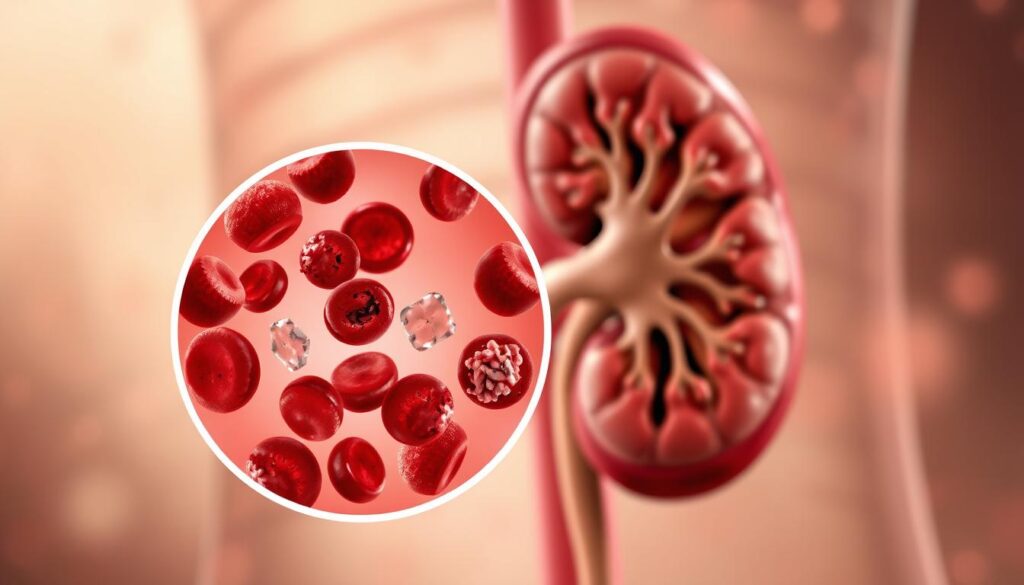
In some cases, the gastrointestinal illness triggers a cascade that harms kidney blood vessels and red cells. About 5–10% of people with severe enterohemorrhagic escherichia coli infections develop hemolytic uremic syndrome. This uremic syndrome usually appears roughly a week after the start of bloody diarrhea.
How HUS develops
The Shiga toxin binds to endothelial cell surfaces in tiny kidney vessels. That injury causes red blood cell destruction and platelet loss, which lowers kidney filtration.
Potential outcomes and hospital care
Clinically, patients may show anemia, low urine output, swelling, and extreme fatigue. Rapid hospital assessment is essential.
- Supportive care: close monitoring, fluids, and symptom control.
- Blood transfusions to treat severe anemia.
- Dialysis when kidneys fail to clear waste; intensive care may be needed.
Children face higher risk, so early recognition and prompt escalation of care can be lifesaving. There is no antidote for the toxin; management focuses on supporting organs while the body recovers. Follow-up checks monitor for lasting kidney effects and guide ongoing care.
Diagnosis and Testing: Stool Culture and Toxin Assays
Lab confirmation depends on analysis of stool to separate harmless gut bacteria from dangerous strains. Testing identifies whether the cause of diarrhea is a toxin-producing organism or a common commensal.
Detecting Shiga toxin and its genes in stool samples
Healthcare providers send stool for culture and targeted assays that detect shiga toxin or the genes that encode it. Because many escherichia coli normally live in the gut, labs use specific methods to pick out pathogenic coli.
Molecular tests can flag toxin genes quickly. That information helps clinicians avoid antibiotics and antidiarrheal medicines that may worsen the infection.
Linking cases to outbreaks through laboratory comparison
Public health labs compare isolates across patients to link cases and identify common sources. Matching laboratory patterns can tie several illnesses to a single food or water exposure.
- Submit stool early in the course of diarrhea to increase detection.
- Repeat testing if initial samples are negative but suspicion stays high.
- Lab confirmation guides infection control in childcare and long-term care to prevent spread.
- Clear test results speed removal of contaminated products during suspected outbreaks.
Treatment and Supportive Care: What to Do and What to Avoid
Managing symptoms at home and knowing when to seek care are central to recovery. Most people recover in about 5–10 days with simple measures.
Hydration and avoiding antidiarrheal medicines
Supportive care is the cornerstone: sip oral rehydration solution or water often to replace losses from diarrhea. Small, frequent drinks work better than large gulps when vomiting occurs.
Avoid loperamide and similar antidiarrheals unless a clinician approves. Slowing gut transit can trap bacteria and toxin, making outcomes worse.
Why most antibiotics are not recommended
For many escherichia coli illnesses, routine antibiotics raise the risk of toxin release and of developing hemolytic complications. Current guidance discourages their routine use in these infections.
Some drugs are under study, but patients should discuss any medication with their clinician before starting antibiotics.
Hospital care for hemolytic uremic syndrome
Severe cases need close monitoring in hospital. Clinicians focus on fluid balance, pain control, and lab checks to spot early kidney injury.
- Transfusions for severe anemia
- Dialysis if kidneys fail
- Plasma exchange in selected cases
Practical checklist: hydrate, watch urine output, avoid antidiarrheals, consult a clinician for antibiotics, and seek urgent care for bloody stools or worsening fatigue.
Prevention and Food Safety: Practical Steps at Home and in the Community
A few careful steps at home greatly lower the risk of spreading escherichia coli. These measures protect children, caregivers, and people who work with animals. Small habits in the kitchen and at pools make a big difference.
Cooking temperatures and thermometers
Always cook ground beef to at least 160°F (71°C). Color can be misleading, so use a digital instant-read thermometer to verify doneness and reduce infection risk.
Pasteurization matters
Choose pasteurized milk, dairy products, and juices. Avoid raw milk for everyone, especially children, since pasteurization kills harmful bacteria without changing nutrition.
Produce handling and kitchen hygiene
Rinse fruits, vegetables, and herbs under running water before eating or cooking. For leafy greens, remove outer leaves and dry with a clean towel to reduce coli on surfaces.
Prevent cross-contamination: keep raw meat separate from ready-to-eat foods. Use dedicated cutting boards and wash knives and counters with hot, soapy water after contact with raw foods.
Water safety and community measures
Avoid swallowing pool, lake, or stream water. Keep children with diarrhea out of communal water and wait until symptoms resolve before returning to swimming or preparing food for others.
| Action | Why it matters | Who benefits | Quick tip |
|---|---|---|---|
| Cook ground beef to 160°F | Kills bacteria that may be mixed through meat | Families, children, older adults | Use an instant-read thermometer |
| Use pasteurized milk and juices | Removes harmful bacteria without nutrient loss | Children and immunocompromised people | Check labels for “pasteurized” |
| Rinse and dry produce | Reduces surface coli and soil-borne bacteria | All consumers | Remove outer leaves of greens |
| Handwashing after animal contact | Prevents person-to-person spread | Petting zoo visitors, farm workers, families | Scrub 20 seconds with soap |
- Refrigerate perishables promptly and defrost safely so bacteria do not multiply at room temperature.
- Supervise handwashing for children to build lasting protection against foodborne bacteria.
- Cook sprouts for those at higher risk, since moist foods may harbor pathogens.
Conclusion
Conclusion
Quick recognition, proper testing, and sensible food habits protect families from a dangerous progression of diarrhea to kidney injury.
Entérohemorrhagic strains of escherichia coli can cause acute bloody diarrhea and, in some children, progress to hemolytic uremic syndrome. Prompt stool culture and toxin testing guide care while treatment remains mainly supportive.
Avoid routine antibiotics and antidiarrheals unless a specialist advises otherwise. Simple prevention—cook ground meat to 160°F, choose pasteurized milk and juices, wash produce, and enforce hand hygiene—cuts risk.
Outbreaks linked to hamburgers and sprouts show how fast many people can become ill. For a concise review of historic outbreaks and lab methods, see this historic outbreaks review.
If fever, more blood in stool, rising fatigue, or reduced urine appear, seek medical care quickly to rule out hemolytic uremic complications.