
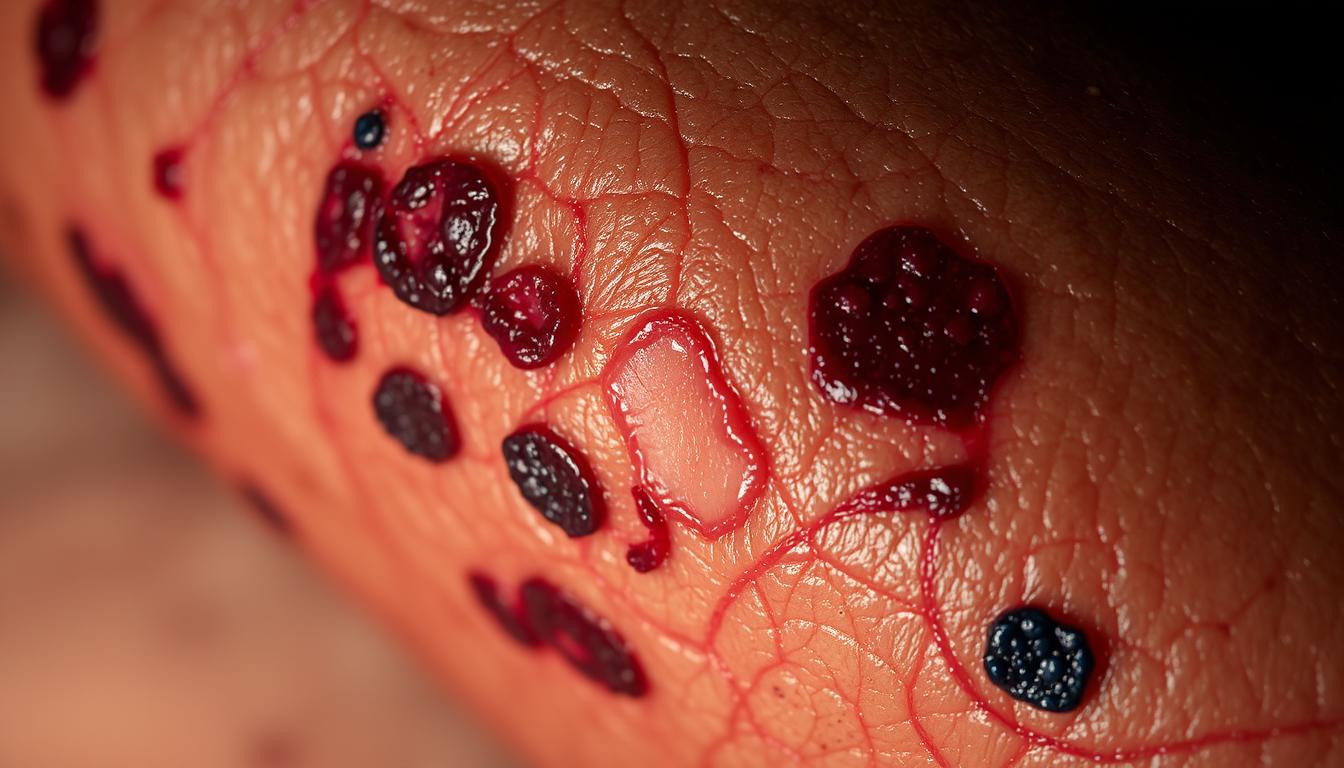
Did a brief Instagram post from a celebrity chef just change how we think about everyday skin health?
In a direct social media update, Gordon Ramsay shared verified news about a recent gordon ramsay cancer diagnosis. He posted a bandaged photo near his ear, thanked his medical team, and urged fans to use sunscreen. He even joked that it wasn’t a facelift.
This short announcement matters beyond celebrity headlines. It highlights how common skin cancer is and how treatable basal cell carcinoma can be when found early. It also shows how a trusted television figure can push simple prevention tips to millions of followers.
The rest of this article will recount the viral post, explain basal cell carcinoma and typical treatment, and offer practical protection steps backed by expert guidance. Expect clear facts, routine check reminders, and actionable advice U.S. readers can use this weekend and all year.
Key Takeaways
- Verified update: The post came directly from the celebrity and showed a visible bandage.
- Basal cell carcinoma is common but often treatable when caught early.
- Simple steps like sunscreen and checks can reduce risk.
- Public figures on social media can amplify prevention messages.
- The article offers clear, evidence-based next steps for readers.
Gordon Ramsay reveals basal cell carcinoma removal and urges sunscreen in candid Instagram post
A candid Instagram post showed a bandaged jawline and a clear message about sun safety.
He disclosed that doctors removed a basal cell carcinoma near the jawline by the ear, and shared a photo with bandages extending from the face down the neck.
“Please don’t forget your sunscreen this weekend… I promise it’s not a face lift! I’d need a refund.”
The short, witty line drew attention from fans and media while making a serious point. The post named the lesion as a form of cell carcinoma common on sun‑exposed skin.
- Core update: surgery for a skin cancer spot near the ear and jawline shown in a bandaged photo.
- Public reaction: strong engagement across social media and supportive comments from fans and outlets.
- Context: follows an earlier cycling crash update and a call for helmet use, continuing his safety appeals.
The mix of candid imagery and a weekend sunscreen reminder turned a private health moment into a timely nudge to protect skin and seek prompt care.
gordon ramsay cancer: understanding basal cell carcinoma and his treatment
Basal cell lesions often start as small, slow-growing spots on sun-exposed areas like the face and ears.
Basal cell carcinoma explained
Basal cell carcinoma is the most frequently diagnosed form skin cancer. It typically develops after long-term exposure ultraviolet radiation and shows up on the face, neck, and ear regions.
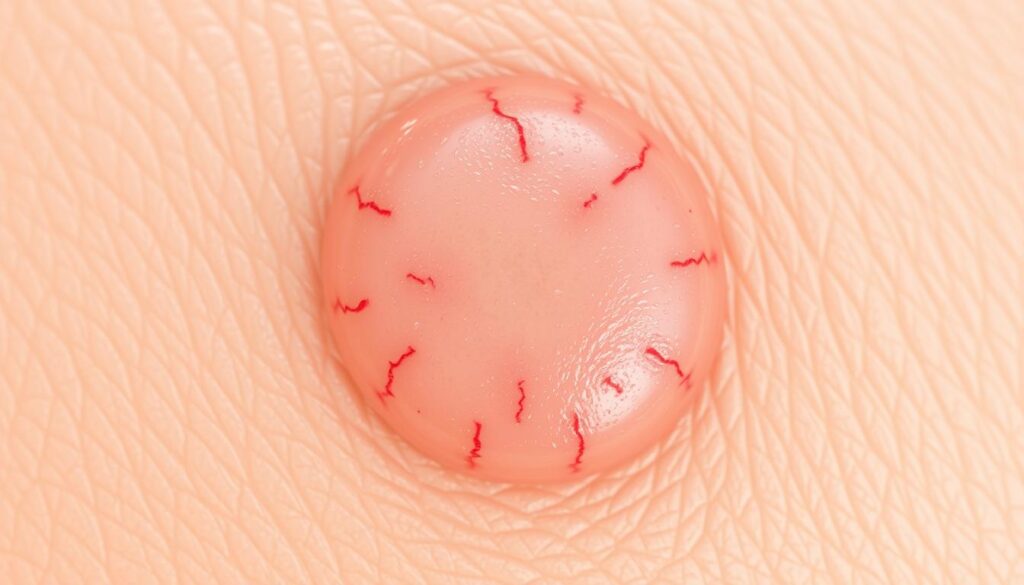
Typical signs include pearly or translucent bumps, scaly patches, or a sore that won’t heal. These growths grow slowly but can damage local tissue if left untreated.
Treatment and recovery
For lesions near the ear and jawline, surgeons often select Mohs micrographic surgery. This method removes tissue layer by layer and checks margins on site.
Why Mohs matters: it preserves healthy skin, improves cosmetic results, and delivers high cure rates for delicate facial sites. Prompt evaluation usually allows smaller procedures and faster healing.
“Fast removal and careful follow-up lower the chance of further issues and aid cosmetic recovery.”
- Red flags: sores that don’t heal, shiny bumps, or scaly patches on the face or ear.
- After removing basal cell lesions, follow wound care instructions and schedule regular skin checks.
- Prevention: daily sunscreen, shade, and limiting midday sun reduce future risk.
| Feature | Presentation | Typical Treatment |
|---|---|---|
| Location | Face, neck, ears | Mohs micrographic surgery |
| Appearance | Pearly bumps or non-healing sores | Excision with margin analysis |
| Cause | Cumulative ultraviolet radiation exposure | Prevention: sunscreen and sun avoidance |
In his post, gordon ramsay thanked his medical team after prompt surgical removing basal cell tissue near the jawline and ear. He also urged sun protection.
For images and patient examples of nasal and facial outcomes after treatment, see this basal cell before-and-after guide.
From TV kitchens to public health: how Ramsay’s message spotlights sunscreen and skin protection
When a television figure mentions sunscreen, millions pause and rethink simple sun habits.

Practical takeaways for the weekend and beyond: health experts advise daily use of a broad‑spectrum SPF 30+. Reapply every two hours and after swimming or sweating.
Ultraviolet radiation can pass through clouds and some windows, so sunscreen matters even on overcast days and during indoor time near bright windows.
Quick action steps
- Apply broad‑spectrum sunscreen to all exposed skin; reapply every two hours.
- Use wide‑brim hats, UV‑blocking sunglasses, long sleeves, and seek shade during peak sun hours.
- Don’t forget ears, back of neck, hands, tops of feet, and lip protection.
- Avoid tanning beds to reduce concentrated radiation exposure.
“Turn a weekend reminder into daily habit: keep sunscreen by your keys and reapply during outdoor events.”
| Strategy | Why it helps | How to use |
|---|---|---|
| Sunscreen SPF 30+ | Reduces ultraviolet exposure to skin | Apply 15 minutes before sun; reapply every 2 hours |
| Protective clothing | Blocks UV without reapplying | Choose UPF-rated garments and wide brims |
| Shade & timing | Lowers peak exposure | Avoid midday sun and use umbrellas or trees |
Public figures and media moments can move fans to action. Use this prompt to plan a safer sunscreen weekend — and build habits that cut cumulative skin risk over time.
Conclusion
What began as a bandaged photo became a timely nudge toward everyday sun protection.
Chef gordon ramsay publicly thanked his medical team after surgery for a basal cell carcinoma near the ear. He used social media to urge sunscreen and reassured fans with a light “face lift” quip and a need refund laugh.
The core point is simple: early detection and prompt surgery make many skin cancer cases highly treatable. Keep watching for new spots, follow dermatologist advice, and use daily sunscreen to cut cumulative radiation exposure.
This frank update from a television chef shows how visibility can change weekend plans and lifelong habits. Small, consistent steps today matter for healthier skin tomorrow.