
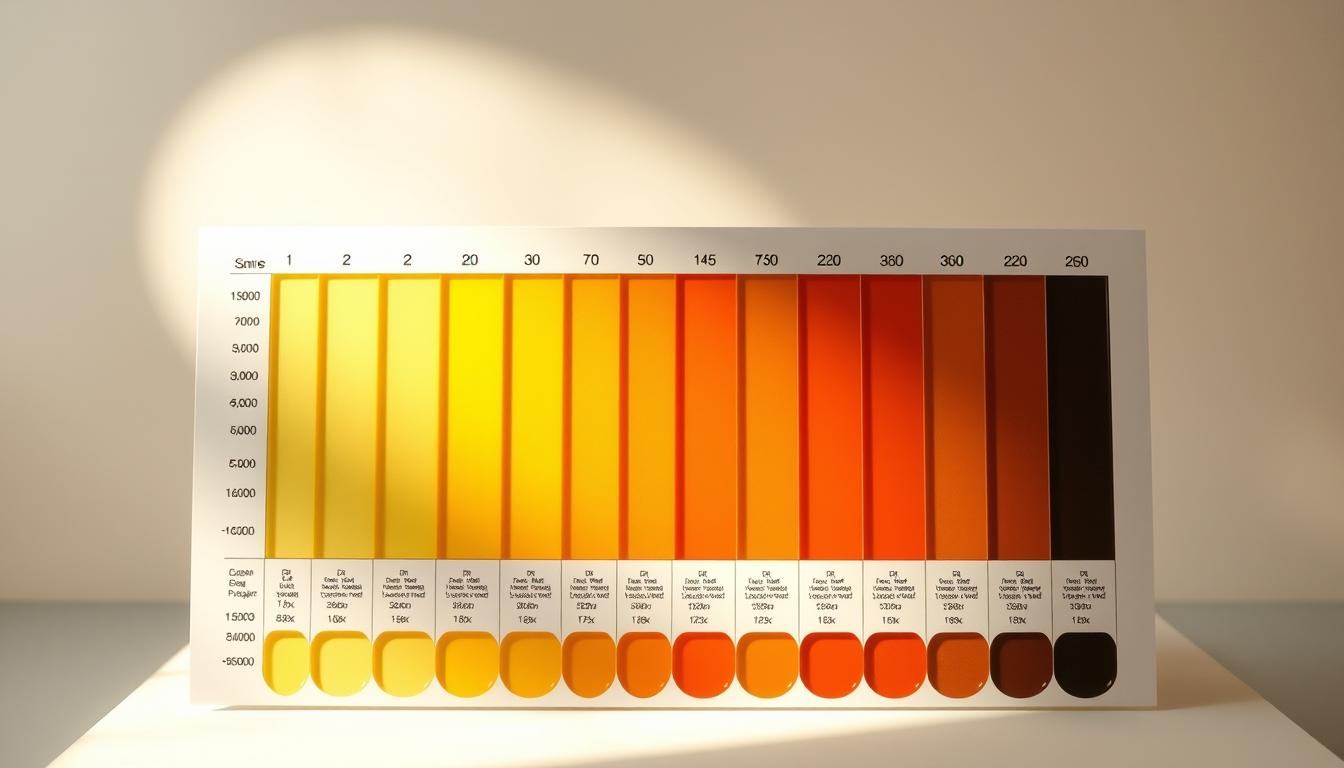
I remember the morning my urine was a deep amber color. My heart skipped a beat. I wondered if something was wrong and if I should call my doctor. That moment taught me a valuable lesson: our bodies communicate in subtle ways, and urine colors are one of nature’s honest messengers.
Every time you go to the bathroom, your body shares a health update. The colors of your urine tell a story about your hydration, diet, and health. From crystal clear to deep amber, each color has a meaning that ancient doctors knew thousands of years ago.
Your kidneys filter your blood and make urine, mixing water, electrolytes, and waste. The color of your urine shows this process. What does urine color indicate about your health? It can show simple dehydration or even serious health issues that need attention.
When you’re well-hydrated, your urine is usually pale straw to light honey. Dr. Petar Bajic, a well-known urologist, says that colors in the yellow range are normal. Morning urine might be darker if you didn’t drink water at night. But afternoon urine looks lighter if you drank water during the day.
Ancient healers used to look at urine to diagnose diseases. They noticed ants gathering around diabetic patients’ urine because of its sweet smell. Today, doctors use modern tools, but the idea is the same: urine colors give us important health clues.
Key Takeaways
- Urine colors range from clear to deep amber, each shade revealing different health information
- Normal urine color varies from pale straw to light honey when properly hydrated
- Darker yellow or amber shades typically indicate concentrated urine from insufficient fluid intake
- Your kidneys filter blood to produce urine containing water, electrolytes, and waste products
- Daily color variations within the yellow range are completely normal and expected
- Ancient physicians used uroscopy to diagnose conditions, establishing urine as a diagnostic tool
- Monitoring urine colors helps you understand your hydration status and overall health
Understanding the Importance of Urine Colors
Your body sends important health messages, and urine colors are a key part of that. The kidneys filter a huge amount of blood every day. They remove waste and keep nutrients. This process affects how your urine looks.
What Changes Urine Color?
The yellow in urine comes from breaking down old red blood cells. But, many things can change urine color:
- Dietary choices and food dyes
- Hydration levels
- Medications and supplements
- Medical conditions
- Exercise intensity
The Role of Hydration
Drinking enough water is key to urine color. When you drink well, urine is pale. But, not drinking enough can make urine darker, showing you need more water.
Drugs and Supplements Impacting Urine
Some medicines and vitamins can change urine color. These changes are usually not a cause for worry:
| Medication/Supplement | Resulting Color |
|---|---|
| Rifampin | Orange |
| Vitamin B2 (Riboflavin) | Bright fluorescent yellow |
| Methylene blue | Blue-green |
| Chemotherapy drugs | Reddish-brown |
Common Urine Colors and Their Meanings
Your urine color is like a daily health report. Each color tells a story about your body. A urine color chart can spot health issues early.
Clear or Light Yellow
Clear urine means you’re drinking enough water. But, too much water can dilute salts and electrolytes your body needs.
The best normal urine color is pale straw to light yellow. This shows your kidneys are working and you’re hydrated. If your urine stays clear without drinking too much, see a doctor. It might mean kidney problems or diabetes.
Dark Yellow or Amber
Dark yellow urine means you need more water. It’s caused by waste and B-complex vitamins. Amber or honey-colored urine means you’re very dehydrated or your liver might be stressed.
Brown
Brown urine is a warning sign. It can mean you’re very dehydrated or have liver issues like hepatitis. It can also be from muscle breakdown.
| Color | Hydration Level | Possible Causes |
|---|---|---|
| Clear | Overhydrated | Excessive water intake, diabetes |
| Pale Yellow | Well hydrated | Healthy kidney function |
| Dark Yellow | Mildly dehydrated | Need more water, B vitamins |
| Amber | Dehydrated | Significant fluid loss, liver stress |
| Brown | Severely dehydrated | Liver disease, muscle breakdown |
This urine color guide is key for checking your health. Watching your urine color can help find problems early and keep you healthy.
What Does Red or Pink Urine Indicate?
Seeing red or pink in your urine can be surprising. But, not all instances mean you’re in trouble. It could just be from what you ate, or it might show a health issue that needs attention. Knowing the difference is key to understanding your body’s signals.
Possible Causes
Some foods can make your urine turn pink or red without harm. Common foods that do this include:
- Beets (containing betalains pigment)
- Blackberries and blueberries
- Rhubarb
- Dragon fruit
These color changes usually go away in a day or two. But, if your urine is red or pink for other reasons, it’s serious. This could be due to blood in your urine, infections, kidney stones, or prostate problems. Rarely, it might be kidney or bladder cancer, certain medicines, or heavy metal poisoning.
When to Seek Medical Attention
Knowing when to act is important. Call your doctor right away if:
| Symptom | Action Needed |
|---|---|
| Pink/red urine without eating trigger foods | Call doctor within 24 hours |
| Visible blood clots in urine | Seek immediate care |
| Pain with red urine | Visit emergency room |
| Fever accompanying color change | Same-day medical evaluation |
Even a faint pink color that’s not from food should be checked by a doctor. Finding health problems early can greatly improve treatment results.
The Implications of Cloudy Urine
Seeing your urine as hazy or milky instead of clear can mean your body is trying to tell you something. Cloudy urine often signals health issues that need attention. It’s important to understand what different urine colors mean.
Common Reasons for Cloudiness
Urinary tract infections are a common cause of cloudy urine. Bacteria and white blood cells make your urine look hazy. This happens as your body fights off the infection.
Women might see cloudy urine during ovulation. This is because of normal mucus discharge.
Not drinking enough water can make your urine cloudy. When you’re dehydrated, waste products in your urine become more concentrated. Eating high-fat dairy products like whole milk can also make your urine cloudy for a few hours.
Potential Health Issues
If your urine stays cloudy and you notice other symptoms, you should see a doctor. Look out for these signs:
- Burning sensation during urination
- Unusual or strong odor
- Frequent urination urgency
- Pelvic pain or discomfort
Mineral crystals like uric acid or calcium oxalate can also change urine color and make it cloudy. Small amounts might come from what you eat. But bigger amounts could mean you’re at risk for kidney stones.
Ignoring urinary infections can lead to serious kidney problems. So, if you notice cloudiness and other symptoms, get medical help right away.
Why Is My Urine Orange?
Seeing orange urine can be a shock. It’s not a common color for urine, but it usually has simple reasons. Knowing why your urine is orange can tell you if you need a doctor or just need to drink more water.
Dehydration and Urinary Tract Infections
Not drinking enough water is the main reason for orange urine. Without enough fluids, your urine gets more concentrated, turning it orange or amber. The kidneys work harder to save water, making urine darker and more concentrated.
Urinary tract infections (UTIs) can also make urine orange. These infections add bacteria and white blood cells, changing urine’s color. Other signs of UTIs include:
- Burning sensation during urination
- Frequent need to urinate
- Cloudy or strong-smelling urine
- Pelvic pain in women
Food and Medication Effects
Certain foods can change urine color. Foods high in beta-carotene, like carrots and sweet potatoes, can make urine orange. Food dyes in snacks and drinks also have this effect.
Medications can also change urine color. The antibiotic rifampin makes urine bright orange. Other drugs, like those for UTI pain and some chemotherapy, can also cause orange urine. Taking too much vitamin C can also darken urine.
The Significance of Blue or Green Urine
Seeing blue or green urine can surprise you. But, it’s usually not a sign of a serious health issue. Knowing what these colors mean helps us figure out if it’s okay or if we need to see a doctor. Most urine colors are yellow or amber, but blue and green have their own reasons.
Rare Conditions
Blue or green urine might mean you have a rare condition. For example, a genetic disorder called familial benign hypercalcemia can cause this. It happens because of high calcium levels in your blood.
Pseudomonas aeruginosa infections can also make your urine green. This bacteria changes urine color as your body fights it. You’ll need antibiotics and doctor’s care for this.
Medications and Dyes
Most of the time, blue or green urine comes from meds or dyes. Some medicines can change your urine color, like:
- Propofol (anesthetic)
- Indomethacin (anti-inflammatory)
- Amitriptyline (antidepressant)
- Certain antihistamines
Food dyes in sweets, sports drinks, or colored foods can also do this. These colors usually go away in 24-48 hours after you stop eating them. If the color doesn’t go away, it’s a good idea to check with a doctor.
What Does Foamy Urine Mean?
Finding bubbles in your toilet bowl after urination can be alarming. But not all foam signals a health problem. Knowing the meaning of different urine colors and textures helps you know when to worry.
Foamy urine can happen for many reasons. It can be due to simple bathroom issues or serious kidney problems.
Implications of Proteinuria
Persistent foamy urine often means you have proteinuria. This is when too much protein leaks into your urine. Healthy kidneys filter waste and keep proteins in your blood.
When kidney filters get damaged, proteins leak into urine. This creates lasting bubbles that don’t quickly disappear.
Common reasons for proteinuria include:
- Chronic kidney disease
- Uncontrolled diabetes
- High blood pressure
- Heart conditions
- Certain medications
Dehydration vs. Kidney Issues
It’s important to tell the difference between temporary foam and serious symptoms. Dehydration can make your urine more likely to bubble when it hits the toilet water. A full bladder can create temporary foam that goes away quickly.
Signs that need medical attention include:
- Foam that stays after flushing
- Daily foamy urine
- Swelling in hands, feet, or face
- Changes in other urine colors
- Fatigue or shortness of breath
Spotting protein in urine early can stop kidney damage. Regular checks can catch problems before they get worse.
Urine Colors During Pregnancy
Pregnancy changes your body in many ways, including your urine color. Your kidneys filter more blood than usual, leading to noticeable color changes. These changes are normal but good to understand.
Normal Color Changes
Several factors affect your urine color during pregnancy. Your kidneys filter waste more efficiently, making your urine lighter. Prenatal vitamins, like riboflavin (vitamin B2), can also cause bright yellow urine. This is common and safe.
Dehydration from morning sickness can make your urine darker. Hormonal changes affect your kidneys, causing urine color to vary. You might see urine ranging from pale yellow to deeper gold.
Warning Signs
While most urine color changes are okay, some are not. Certain colors mean you need to see a doctor right away:
| Urine Color | Possible Concern | Action Needed |
|---|---|---|
| Dark brown/tea-colored | Liver complications | Contact doctor immediately |
| Persistent foamy | Preeclampsia-related protein | Urgent evaluation |
| Pink/red tinge | UTI or bleeding | Same-day assessment |
| Cloudy with odor | Bacterial infection | Schedule appointment |
Watching your urine color closely helps you know when to worry. If something seems off, don’t hesitate to call your healthcare provider.
Urine Color Changes in Different Ages
As we get older, our bodies change in many ways. This includes how our kidneys work and handle fluids. Knowing what urine color means at different ages helps parents and caregivers keep an eye on health. From babies to seniors, urine color tells us about hydration and health issues specific to each age.
Infants’ Urine Colors
Newborns usually have very pale or almost colorless urine. This is because they drink a lot of milk and their bodies are small. You might see orange-pink spots in diapers at first. These are urate crystals, which are normal and go away as the baby eats more and their kidneys grow.
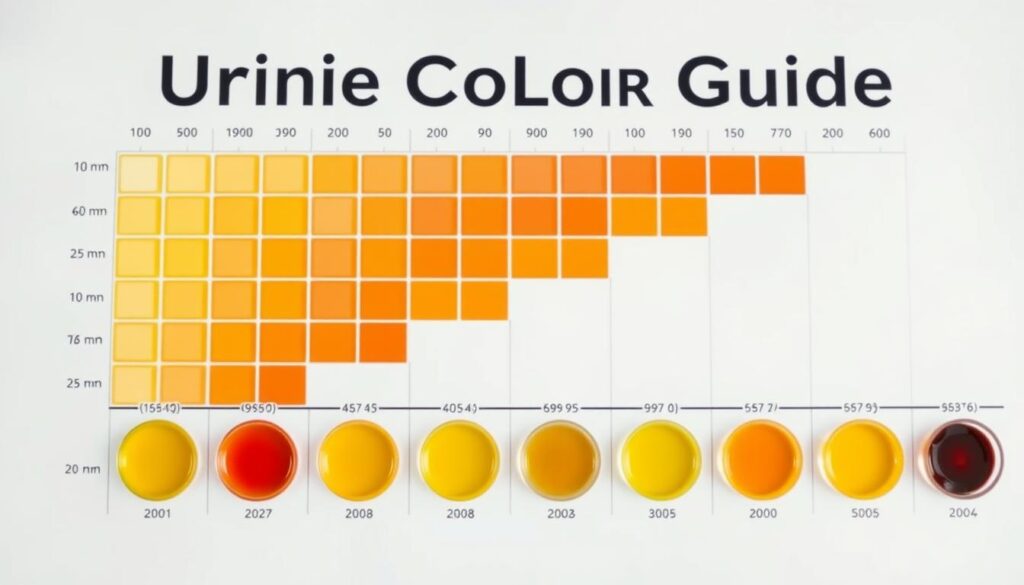
A urine color guide for babies shows that their urine should be clear to pale yellow. If it’s darker, it could mean they’re dehydrated, which is a big worry in hot weather or when they’re sick. If you see dark yellow urine, it’s time to feed them more often.
Elderly Considerations
Older adults have special challenges with urine color. Their kidneys don’t work as well, making their urine darker and more concentrated. Medications like diuretics and blood pressure pills can also change how their urine looks.
| Age Group | Common Urine Colors | Key Factors |
|---|---|---|
| Infants (0-12 months) | Clear to pale yellow | Frequent feeding, developing kidneys |
| Adults (20-60 years) | Pale to medium yellow | Normal hydration, balanced diet |
| Seniors (65+ years) | Medium to dark yellow | Reduced kidney function, medications |
As people get older, they’re more likely to have conditions like diabetes and high blood pressure. It’s very important to check urine color regularly. Darker urine in older adults doesn’t always mean they’re dehydrated. It could just be because of aging or their medicine.
How Diet Affects Urine Colors
The foods you eat can change your urine colors in surprising ways. Your body breaks down different compounds from food in unique ways. This can lead to temporary color changes in your urine.
Knowing how food affects your urine helps you tell normal changes from health issues. It’s important to understand these differences.
Foods That Change Urine Color
Some foods have natural pigments that change urine color. Beets, for example, can turn urine pink or reddish in about 10-14% of people. This is called beeturia and is harmless.
Blackberries can make urine deep red or purple. Carrots, with their beta-carotene, can give urine an orange hue.
Asparagus is special because it changes urine smell, not color. Rhubarb can also make urine pink. These changes usually go away in 24 hours as your body gets rid of the pigments.
Hydration and Dietary Impacts
Drinking enough water is key to healthy urine. Aim for about 64 ounces a day to keep your urine pale yellow. Too much water can dilute minerals, making urine clear but possibly indicating overhydration.
Drinks like coffee and alcohol can make you pee more and change urine color and smell. High-fat dairy products can also make urine less clear for a while.
Urine Colors and Medical Conditions
Your body sends important signals through urine. Certain medical conditions show up in a urine color chart. Paying attention to these changes can help catch health issues early.
Diabetes and Urinary Changes
Diabetes affects urine in several ways. People with uncontrolled diabetes often notice persistent foaming. This is due to protein leaking into urine, a sign of kidney damage from high blood sugar.
Ancient physicians in Egypt around 1500 BC diagnosed diabetes by observing ants attracted to sweet-tasting urine. Today, we have tests that detect glucose and ketones more precisely.
Liver and Kidney Health Indicators
Liver problems show up in urine before other symptoms. Dark, tea-colored urine is a sign of excess bilirubin. This can happen with conditions like hepatitis or cirrhosis.
Jaundice produces dark urine before skin yellowing becomes visible. This makes it an early warning sign.
| Condition | Urine Appearance | Additional Signs |
|---|---|---|
| Hepatitis | Dark tea color | Fatigue, abdominal pain |
| Cirrhosis | Brown or amber | Swelling, confusion |
| Kidney disease | Foamy or red-tinged | Swelling, high blood pressure |
| Obstructive jaundice | Very dark brown | Pale stools, itching |
Kidney disease shows through color changes, excessive foaming, or blood in urine. These signs need immediate medical evaluation to prevent serious complications.
Testing Urine Color for Health Monitoring
Watching urine color changes can tell a lot about your health. Modern medicine lets us analyze urine samples in detail. This helps find out about kidney function, metabolism, and overall health. Knowing how to check these changes at home and when to see a doctor is key to staying healthy.
Home Testing Methods
Start by using a urine color guide at home. Look at your urine color throughout the day, but pay most attention in the morning. Here are some tips:
- Compare your urine color to hydration charts online or from your doctor
- Notice any changes that last more than 48 hours
- Track how your urine color changes with food, meds, or activities
- Use white toilet bowls or clear containers for better color checking

When to Consult a Healthcare Provider
Some urine color changes are normal, but others need a doctor’s attention. If you see blood in your urine, foamy urine, or colors that don’t match your diet, call your doctor. Also, if you have pain while peeing, fever, swelling, or feel very tired, see a doctor right away.
Regular doctor visits include tests like urinalysis. These tests check for things like kidney disease, diabetes, or hormonal issues. They can catch problems early, making regular check-ups important for staying healthy.
Conclusion: Listening to Your Body Through Urine Colors
Your urine is like a daily health report card. It shows important info about your body’s balance. By watching urine colors, you can spot health problems early and stay healthy.
The human body is great at getting rid of waste through urine. It turns harmful stuff into safer compounds that leave our body.
Importance of Monitoring Changes
Knowing your normal urine color helps you notice when something’s off. Most people have pale yellow urine when they drink enough water. A color change after eating beets or taking vitamins is usually okay.
But, if unusual colors last for days without a clear reason, it might mean your body is trying to tell you something. You should pay attention to this.
Seeking Professional Guidance
Dr. Bajic and other urologists say to take unusual urine colors seriously. While watching your urine at home is helpful, a doctor’s urinalysis can give more detailed info. These tests can find proteins, blood cells, and other signs of health issues.
Knowing your urine color patterns helps you be more involved in your health care. You can catch changes early and get help when you need it.