
Last week, my grandmother forgot where she placed her reading glasses for the third time that day. Watching her struggle with memory lapses has become a painful reminder of how precious our cognitive health truly is. If you’ve ever watched a loved one face mental decline or felt your own mind fog during stressful times, you understand the deep desire to protect and nourish our brain health.
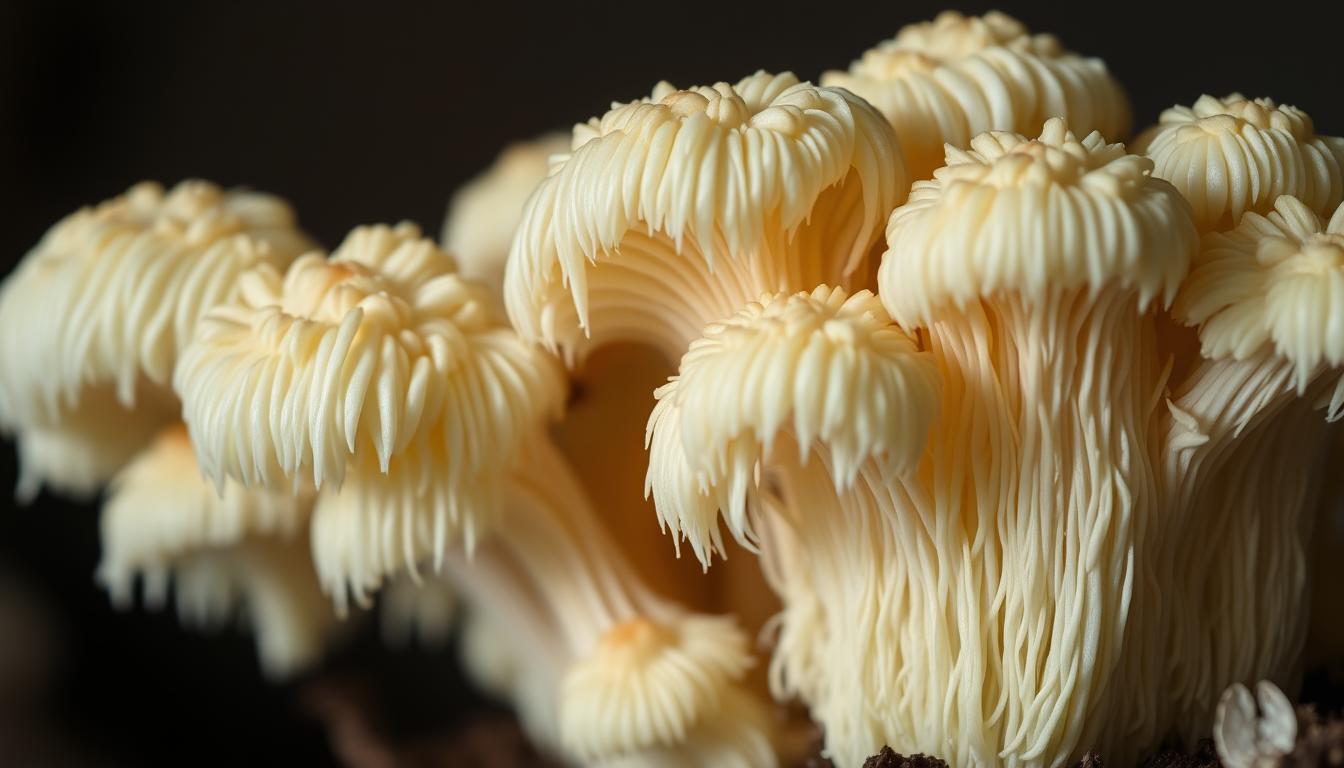
The Lion’s Mane mushroom stands out as nature’s remarkable gift for cognitive wellness. This unique fungus, scientifically known as Hericium erinaceus, has captured the attention of researchers and health enthusiasts alike. Its shaggy, white appearance might seem unusual at first glance, but the cognitive health benefits hidden within this extraordinary mushroom are transforming how we approach brain health.
Recent scientific discoveries have revealed that Lion’s Mane mushroom contains powerful compounds that support brain function in ways we’re just beginning to understand. These natural substances work at the cellular level, promising hope for those seeking to maintain sharp thinking and mental clarity throughout their lives.
Key Takeaways
- Lion’s Mane mushroom contains unique compounds called hericenones and erinacines that stimulate brain cell growth
- Research shows Hericium erinaceus can cross the blood-brain barrier to deliver cognitive health benefits directly
- Daily supplementation of Lion’s Mane has shown improvements in cognitive test scores for people with mild memory concerns
- This mushroom offers natural neuroprotection against age-related brain changes and oxidative stress
- Lion’s Mane supports overall brain health through multiple pathways, including nerve growth factor production
- Regular consumption may help reduce the risk of neurodegenerative conditions by protecting neurons from damage
What is Lion’s Mane Mushroom?
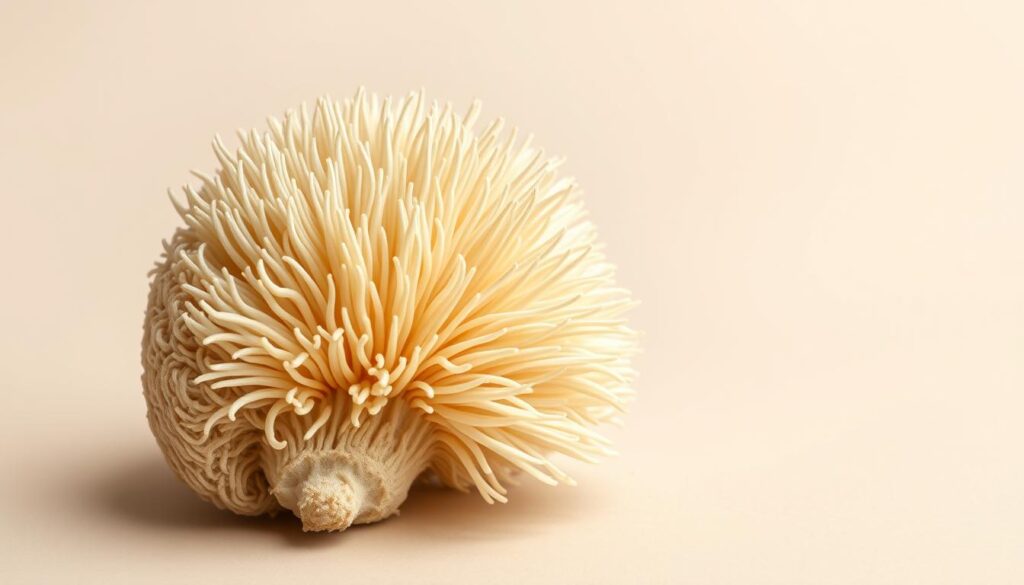
Lion’s Mane mushroom is a unique fungus known for its brain health benefits. It looks like a white lion’s mane, thanks to its shaggy appearance. Unlike other mushrooms, it has long, white spines that look like icicles.
Description and Characteristics
Lion’s Mane (Hericium erinaceus) is a type of tooth fungus found in North America, Europe, and Asia. It grows into a large, white mass that can be over a foot wide. When fresh, it feels spongy and tastes a bit sweet, like seafood.
You can find Lion’s Mane in different ways:
- Fresh mushrooms for cooking
- Dried pieces for tea
- Powder supplements for smoothies
- Capsules for daily memory enhancement routines
- Liquid extracts for quick absorption
Historical Uses in Traditional Medicine
In ancient times, healers in China, Japan, and Korea valued Lion’s Mane. Buddhist monks drank its tea to improve focus during meditation. Traditional Chinese medicine used it for digestion and vitality. Native American tribes also used it for healing, including stopping bleeding and fighting infections.
The Nutritional Profile of Lion’s Mane Mushroom
Lion’s Mane is a standout among medicinal fungi for its rich nutrients. It has a unique mix of nutrients that boost both physical and mental health. This makes it a great addition to any health routine.
Key Vitamins and Minerals
Fresh Lion’s Mane mushrooms are packed with important nutrients. They contain B vitamins like thiamine, riboflavin, and niacin. These vitamins help with energy and nerve function. The mushrooms also have minerals like potassium, zinc, and selenium.
- Polysaccharides that support immune function
- Phenolic acids with protective properties
- Terpenoids that contribute to overall health benefits
- Probiotics that promote digestive wellness
Antioxidant Properties
Lion’s Mane is known for its strong antioxidant properties. A 2012 study ranked it fourth among 14 mushrooms in antioxidant activity. These antioxidants protect cells from damage by free radicals.
Its anti-inflammatory effects may lower the risk of chronic diseases. Eating fresh Lion’s Mane or using quality extract can help fight inflammation. This is linked to heart disease and autoimmune disorders. The best nutritional benefits come from fresh mushrooms.
How Lion’s Mane Supports Brain Health
Lion’s Mane mushroom is special for its brain health benefits. It has compounds that protect and boost our nervous system. It helps in many ways, from keeping neurons safe to growing new ones.
Neuroprotective Effects
Lion’s Mane is a strong protector for brain cells. It has hericenones and erinacines that shield neurons from harm. Studies show it fights oxidative stress and slows down age-related brain decline.
Lion’s Mane extract boosts BDNF levels in mice and humans. BDNF is key for healthy brain cells and their survival. Adults who took Lion’s Mane supplements saw higher BDNF levels, hinting at brain health benefits.
Promotion of Nerve Growth Factor
Lion’s Mane is amazing for boosting nerve growth factor. This protein is vital for nerve cell growth and survival. Its compounds get past the blood-brain barrier to stimulate NGF in the brain.
| Compound | Primary Action | Brain Health Benefit |
|---|---|---|
| Hericenones | Stimulates NGF production | Enhances memory and focus |
| Erinacines | Promotes NGF secretion | Supports nerve cell repair |
| Hericene A | Increases BDNF levels | Protects against cognitive decline |
These compounds may fix damaged nerve cells after injuries. Lion’s Mane boosts NGF levels, helping in recovery and forming new neural connections for learning and memory.
Scientific Studies on Lion’s Mane and Cognition
Research on Lion’s Mane mushroom shows it might help protect the brain and improve brain function. Studies have looked at how it affects thinking in people of different ages. This has shown it could be good for brain health.
Research Evidence
Scientists have done many studies on Lion’s Mane’s effects on the brain. A 16-week study with adults aged 50 to 80 showed big improvements. They took 3 grams of Lion’s Mane every day.
The benefits were seen after 8 weeks and kept going for weeks 12 and 16. But, these benefits went away 4 weeks after they stopped taking it.
Clinical Trials Overview
Recent studies have shown Lion’s Mane’s benefits for the brain in different situations and ages. Key findings include:
| Study Duration | Participants | Daily Dose | Key Results |
|---|---|---|---|
| 49 weeks | Mild Alzheimer’s patients | 1,050mg (erinacine A-enriched) | Improved Mini-Mental State Examination scores |
| 12 weeks | Adults over 50 | 3.2g powdered fruiting body | Enhanced cognitive test performance |
| Single dose | 41 healthy adults (18-45) | 1.8g | Faster Stroop task completion after 60 minutes |
These studies suggest Lion’s Mane can help with brain health in both older and younger people. It could be a natural way to support the brain.
Mental Health Benefits of Lion’s Mane
Recent studies show Lion’s Mane Mushroom has promising mental health benefits. Hericium erinaceus may support emotional well-being. It can help with brain cell regeneration and improve mood regulation.
Anxiety and Stress Reduction
Clinical studies suggest Lion’s Mane Mushroom can reduce anxiety. A 2010 study gave menopausal women cookies with Hericium erinaceus for a month. They reported less irritation and anxiety than the control group.
Young adults taking Lion’s Mane supplements for 28 days showed reduced stress levels. The mushroom’s anti-inflammatory properties help calm the mind.
Potential Effects on Depression
Research suggests Lion’s Mane Mushroom may help with depression. An 8-week study looked at overweight adults taking 550mg daily supplements. The results were impressive:
| Symptom Category | Improvement Rate | Associated Biomarker |
|---|---|---|
| Depression scores | Significant reduction | Increased pro-BDNF |
| Anxiety levels | Notable decrease | Enhanced nerve growth |
| Sleep quality | Improved patterns | Better brain cell function |
The link between Lion’s Mane Mushroom and BDNF suggests long-term mental health benefits.
Lion’s Mane and Memory Enhancement
As we get older, our brains make fewer new connections. This makes it harder to remember things and think clearly. Lion’s Mane mushroom might help keep our brains healthy. It supports memory and mental sharpness in both young and old.
Benefits for Age-Related Cognitive Decline
Lion’s Mane has compounds that protect brain cells from aging damage. It boosts nerve growth factor (NGF) production. This helps keep neurons healthy and supports new connections in the brain.
This supplement is great for preventing memory loss. It stops harmful proteins from building up in the brain.
Studies on mice showed Lion’s Mane protects against memory loss. It stops damage from amyloid-beta plaques, which harm the brain. Taking it regularly keeps these benefits going, but they fade when you stop.
Impact on Short-term and Long-term Memory
Lion’s Mane helps different parts of the brain. It improves:
- Working memory capacity
- Episodic memory recall
- Information processing speed
- Overall cognitive performance
| Memory Type | Lion’s Mane Benefits | Typical Results Timeline |
|---|---|---|
| Short-term Memory | Enhanced focus and recall | 2-4 weeks |
| Long-term Memory | Better retention and retrieval | 8-12 weeks |
| Working Memory | Improved task performance | 4-6 weeks |
To see the best results, you need to keep taking Lion’s Mane. Its compounds work slowly to improve brain health and memory.
Nutritional Supplements: Lion’s Mane Options
Choosing the right Lion’s Mane supplement can be tough with so many options. This natural nootropic is available in different forms, each with its own benefits for brain health. Knowing the differences helps you pick the best one for your needs and goals.
Powders and Capsules
Lion’s Mane powder is great for daily use. You can add it to smoothies, soups, or drinks. Most take 3-5 grams a day for brain benefits. The powder lets you adjust how much you take and enjoy its earthy taste.
Capsules are perfect for those on the go. You take three 400mg capsules a day. Brands like Sempera Organics offer unique blends, like SO-DSX1®. Capsules are easy to take and don’t taste like anything.
Extracts vs. Whole Mushrooms
Mushroom extracts pack more of the good stuff from Lion’s Mane. They have more active ingredients than whole mushroom powder. Tinctures are another option, absorbed quickly when held under the tongue.
Whole mushroom supplements give you everything from the fungus. They offer fiber and more nutrients. But, quality can vary a lot. It’s key to choose trusted brands with good reviews and clear sources.
How to Incorporate Lion’s Mane into Your Diet
Adding Lion’s Mane to your meals is exciting and supports brain health. This mushroom has unique flavors and textures that make dishes better. You can enjoy it fresh or as a powder, both supporting nerve growth.
Culinary Uses
Fresh Lion’s Mane tastes like seafood, similar to crab or lobster. It’s great sautéed in butter until it’s golden. You can also roast it at 375°F for 20 minutes or grill it for a smoky taste.
The mushrooms soak up flavors well, making them perfect for pasta and risottos.
Lion’s Mane powder is easy to add to your day. Mix a teaspoon into your coffee or smoothie. It won’t change the taste much. This powder also dissolves well in soups, stews, and gravies, adding nutrition to your favorite dishes.
Popular Recipes Featuring Lion’s Mane
Simple recipes show off Lion’s Mane’s natural taste. Try these easy ones:
- Garlic Butter Lion’s Mane: Slice mushrooms thick, sauté with minced garlic and fresh herbs
- Lion’s Mane “Crab” Cakes: Shred cooked mushrooms, mix with breadcrumbs and spices, pan-fry until crispy
- Creamy Mushroom Soup: Blend sautéed Lion’s Mane with vegetable broth and coconut milk
- Morning Power Smoothie: Add Lion’s Mane powder to banana, berries, and almond milk
Find fresh Lion’s Mane at Whole Foods Market, local farmers’ markets, or Asian grocery stores. Online, FreshCap Mushrooms and Real Mushrooms have quality dried options and supplements for nerve growth.
Potential Side Effects and Precautions
Lion’s Mane mushroom is known for its brain-protecting benefits. But, it’s key to know about possible side effects to use it safely. Studies show it’s generally safe, with no harm seen in animal tests, even at high doses. Yet, some people might have reactions that need attention.
Common Reactions
Most people find Lion’s Mane easy to digest without issues. Animal studies found no problems in rats given up to 2.3 grams per pound of body weight daily for a month. Even lower doses over three months were safe.
- Difficulty breathing
- Skin rashes or irritation
- Mild digestive discomfort
These symptoms usually come from mushroom allergies, not the good stuff for the brain. If you have any unusual reactions, stop using Lion’s Mane and talk to your doctor right away.
Who Should Avoid Lion’s Mane
Some folks should be careful or not use Lion’s Mane at all. Those with mushroom allergies are at the biggest risk. Because there are no human studies on side effects, it’s smart to check with a doctor before starting.
Groups to steer clear of Lion’s Mane include:
- Individuals allergic to mushrooms
- People with sensitivities to fungal products
- Those taking blood-thinning medications
- Pregnant or nursing women (due to limited safety data)
Lion’s Mane’s brain-protecting benefits are enticing. But, safety is the top priority. Start with small amounts to see how your body reacts before taking more.
Lion’s Mane in the Supplement Market
The supplement market has many Lion’s Mane Mushroom products. Each has its own qualities and prices. Knowing the differences between brands and types helps people choose the right supplement.
Overview of Popular Brands
Many well-known companies make Lion’s Mane Mushroom supplements. Some mix 80% mycelia with 20% fruiting body extract. Others use only pure fruiting body powder. Each method has its own benefits.
There are simple powders and advanced formulas like Sempera Organics’ SO-DSX1®. The variety shows different ways to extract and process the mushroom. This affects how strong the supplement is.
Factors to Consider When Choosing
Choosing good hericium erinaceus supplements involves several important factors:
| Factor | Why It Matters | What to Look For |
|---|---|---|
| Organic Certification | Ensures no pesticide residues | USDA Organic seal |
| Extraction Method | Affects bioactive compound levels | Dual extraction or hot water extraction |
| Third-Party Testing | Verifies purity and potency | Certificate of Analysis available |
| Active Compound Standardization | Guarantees consistent dosing | Beta-glucan percentage listed |
Because there are no rules for Lion’s Mane supplements, checking the maker’s reputation is key. Look at customer feedback and how the product is made. This helps find reliable suppliers who keep quality high.
Future Research Directions for Lion’s Mane
Scientists are getting more interested in Lion’s Mane mushroom. They see its promise for improving memory. But, they know there’s a lot more to learn about this supplement and how it works.
Emerging Studies and Theories
Researchers are looking into how Lion’s Mane affects the brain. They want to know more about its impact on brain-derived neurotrophic factor (BDNF) pathways. Studies at Johns Hopkins University and UCLA are exploring this.
They’re also studying how it helps the brain make new connections. Early results show it might help people recover from brain injuries.
There’s interest in mixing Lion’s Mane with diets that cut calories. Studies at Stanford think this mix could have extra benefits. But, they need to figure out the right amount to take.
Areas of Interest in Neuroscience
There are several key areas to explore with Lion’s Mane:
- Long-term safety studies with diverse populations
- Acute versus chronic supplementation effects
- Preventive applications for younger adults
- Optimal extraction methods for maximum benefit
| Research Focus | Current Status | Timeline |
|---|---|---|
| Human Clinical Trials | Limited studies available | 2024-2027 |
| BDNF Pathway Studies | Animal models completed | 2025-2028 |
| Dosage Standardization | Initial frameworks developed | 2024-2026 |
The next big step is moving from lab tests to human trials. Researchers want to make sure it’s safe and effective for everyone. They’re working on clear guidelines for using it to improve memory.
The Role of Lion’s Mane in Holistic Health
Lion’s Mane is key in the food-as-medicine movement. It naturally supports brain function and overall health. This natural nootropic is perfect for holistic health, focusing on prevention over treatment. It also helps the heart, gut, and immune system.
Complementary Approaches to Wellness
The mushroom extract works well with other wellness practices. Its anti-inflammatory properties make it great for lifestyle changes. Many use Lion’s Mane with:
- Daily meditation for stress reduction
- Regular aerobic exercise for cardiovascular health
- Omega-3 supplementation for brain support
- Probiotic foods for gut health
- Quality sleep hygiene practices

Integrating Lion’s Mane with Other Practices
Using Lion’s Mane in a wellness routine needs careful planning. It’s best in the morning when we need our brains most. It also boosts the gut-brain axis, making it great with fermented foods.
| Time of Day | Lion’s Mane Form | Complementary Practice |
|---|---|---|
| Morning | Powder in smoothie | Yoga or stretching |
| Afternoon | Capsule supplement | Walking meditation |
| Evening | Tea preparation | Journaling or reading |
This way of using Lion’s Mane fits with preventive health. It focuses on whole-person wellness instead of just treating symptoms.
Conclusion: The Promise of Lion’s Mane for Brain Health
Lion’s mane mushroom is a powerful tool for brain health. It helps grow nerve cells and keeps the brain flexible. Its compounds protect brain cells and help create new connections.
Summary of Benefits
Lion’s mane improves memory and reduces anxiety and depression. It may also protect against age-related brain decline. As an anti-inflammatory, it fights brain inflammation that can harm the brain. Recent studies show it helps people think faster and feel less stressed after 28 days.
Final Thoughts on Usage and Research
Lion’s mane is a great addition to brain health plans. It’s safe for most, but not for those with mushroom allergies. More studies are needed to set dosing guidelines and find who benefits most. Its mix of traditional use and scientific proof makes it a promising natural choice for brain health.