
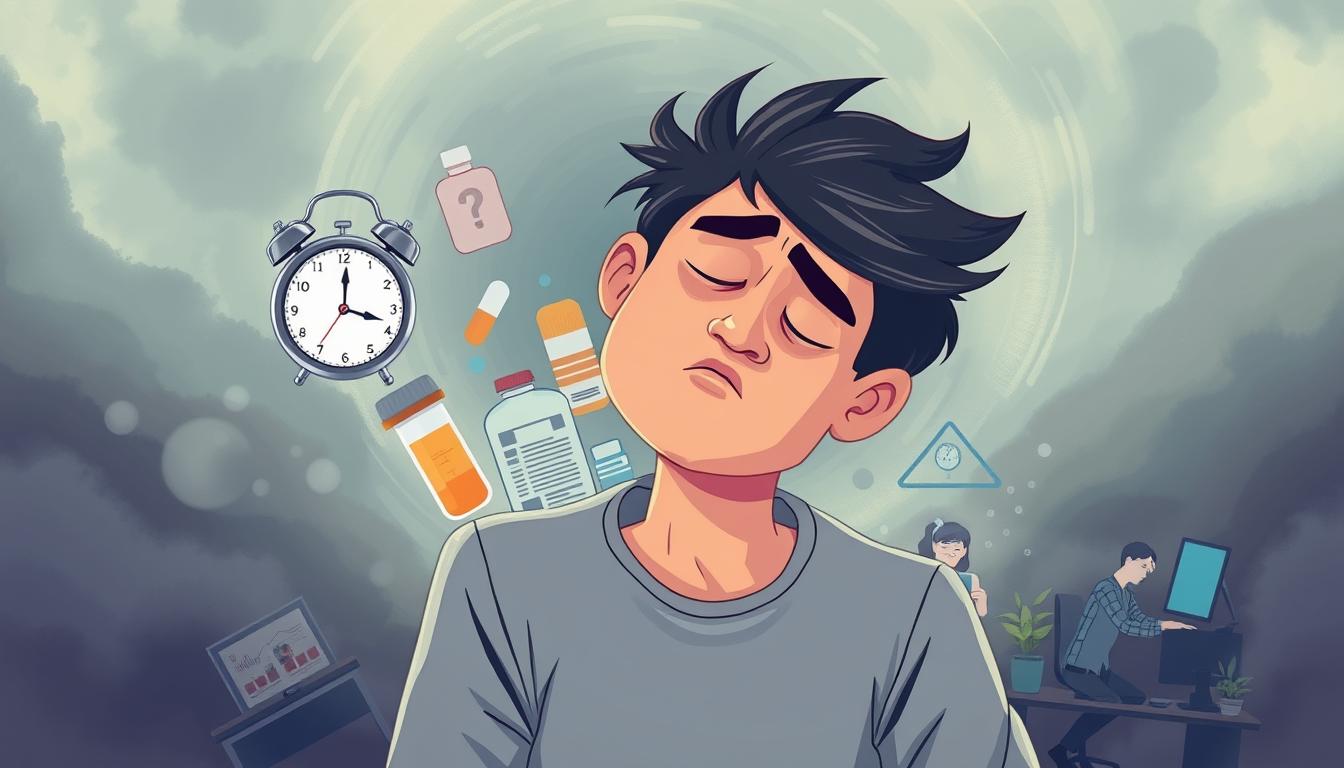
You wake up feeling exhausted, even after a full night’s sleep. Your afternoon coffee barely keeps you awake. The question “Why am I so tired?” keeps popping up. You’re not alone; millions of Americans face this every day.
I once found myself struggling to stay awake during a 2 PM presentation. My body felt like it was made of lead, and my mind was a fog. It was then that I knew I had to make a change. If you’re feeling the same, your body is trying to tell you something.
Your tiredness could be due to simple lifestyle choices or deeper health issues. Adults need at least seven hours of sleep each night. This is when your body grows, repairs itself, and gets ready for the next day. Without enough sleep, these important tasks can’t happen.
Many things can make you feel drained. Not getting enough nutrients can weaken your cells. Chronic stress can wear you down. Hidden health problems and some medications can also make you feel tired. Knowing what causes your fatigue can help you regain your energy.
Key Takeaways
- Most adults need at least 7 hours of sleep nightly for optimal energy
- Fatigue symptoms can indicate nutrient deficiencies or underlying health issues
- Your body performs critical repair processes during sleep
- Chronic stress significantly impacts your daily energy levels
- Lifestyle changes often help combat constant tiredness
- Persistent fatigue warrants a doctor’s evaluation
Common Causes of Fatigue
Feeling tired all the time can make daily life tough. Knowing what causes fatigue is the first step to more energy. Several factors, from sleep issues to mental stress, can drain your energy. Let’s look at the main exhaustion causes that might be affecting your energy.
Lack of Sleep: The Silent Energy Drainer
Quality sleep is like your body’s reset button. Adults need 7-9 hours each night to feel their best. Without enough sleep, your body can’t repair itself or recharge for tomorrow.
Common sleep problems include:
- Uncomfortable room temperature or noisy surroundings
- Using phones or tablets before bed
- Drinking coffee late in the day
- Irregular sleep schedules
Sleep Disorders Impacting Health
Many sleep problems can really lower your energy. Insomnia makes it hard to fall or stay asleep. Sleep apnea causes breathing stops that wake you up. Restless leg syndrome makes it hard to sleep because of uncomfortable sensations.
| Sleep Disorder | Main Symptoms | Impact on Energy |
|---|---|---|
| Insomnia | Can’t fall or stay asleep | Daytime drowsiness |
| Sleep Apnea | Snoring, gasping for air | Morning headaches, fatigue |
| Restless Leg Syndrome | Leg discomfort at night | Disrupted sleep cycles |
Stress and Its Toll on Energy Levels
Long-term stress drains your body’s energy. Stress makes your body produce cortisol, which keeps you alert but eventually leads to exhaustion. This can lead to stress-related exhaustion disorder, where you feel completely drained.
“Stress is not what happens to you, but how you react to it.” – Hans Selye
Stress changes your brain and can cause inflammation in your body. This inflammation leads to chronic fatigue and makes recovery harder. Spotting stress signals early can prevent burnout.
Lifestyle Factors Affecting Energy
Your daily habits greatly impact your energy levels. What you eat, how much you move, and how much water you drink matter a lot. Knowing how these factors affect you can help you stay full of energy.
Poor Diet: Foods That Zap Your Energy
What you eat affects how you feel. Eating too much of processed foods can make you tired. When you don’t get enough calories and nutrients, your body starts breaking down muscle and fat for energy.
This can make you feel very tired. Instead, eat foods like fruits, vegetables, lean proteins, and whole grains. They give you energy all day long.
Sedentary Lifestyle: The Energy Drain of Inactivity
Sitting too much can make you tired. Not moving enough can weaken your muscles and make it hard to breathe. This can make everyday tasks feel like a lot of work.
Moving a little, like walking or stretching, can help. Exercise improves your heart health, makes you feel good, and helps you sleep better. Try to move for 10-15 minutes each day to feel more energetic.
Importance of Hydration in Staying Awake
Water is key for your body to work right. Not drinking enough can make you dehydrated. This can make you feel tired and less focused.
| Dehydration Level | Common Symptoms | Impact on Energy |
|---|---|---|
| Mild (2% fluid loss) | Thirst, dry mouth | Slight fatigue, reduced focus |
| Moderate (5% fluid loss) | Headache, dizziness | Significant tiredness, poor performance |
| Severe (10% fluid loss) | Confusion, rapid heartbeat | Extreme exhaustion, inability to function |
Drink at least 8 glasses of water a day. More if you’re active or it’s hot outside. Drinking enough water helps your brain work well, keeps your blood pressure right, and helps your body get the nutrients it needs.
Mental Health and Tiredness
The link between mental health and tiredness is deeper than we think. Emotional struggles can make our bodies feel exhausted. Knowing this helps us understand why we might feel tired even when we rest enough.
Anxiety: The Overlooked Tiredness Trigger
Anxiety disorders make our bodies stay alert all the time. This constant alertness uses a lot of energy, making us feel tired. Our minds are busy with worries and physical signs like a fast heartbeat take up a lot of mental energy.
Some signs of anxiety-related tiredness are:
- Morning exhaustion even after sleeping a lot
- Feeling drained after social events
- Physical tension that makes muscles tired
- Hard time focusing because of mental fog
Depression: How It Affects Your Energy Levels
Depression messes with how our bodies make energy. It can mess up sleep, change how we eat, and make us less motivated. These issues create a cycle where feeling tired makes depression worse.
| Depression Symptom | Energy Impact | Duration |
|---|---|---|
| Sleep disturbances | 50-70% energy reduction | Daily occurrence |
| Loss of interest | Decreased physical activity | Weeks to months |
| Appetite changes | Nutritional deficiencies | Variable |
| Cognitive fog | Mental exhaustion | Throughout episodes |
Burnout: Recognizing the Signs
Burnout is different from just feeling tired. It’s a mix of emotional, physical, and mental exhaustion. It can come from work stress, caring for others, or long-term challenges. Spotting it early can stop it from getting worse.
Signs of burnout include:
- Feeling cynical about daily tasks
- Doing poorly at work or home
- Feeling distant from loved ones
- Physical problems without a clear cause
- Feeling like you’re not making a difference
Getting help from a therapist or counselor can help manage these issues. There are online therapy options and treatments covered by insurance for those dealing with anxiety disorders or depression-related tiredness.
Physical Health Conditions
Feeling tired all the time might be due to a health issue. Many think it’s just being busy or stressed. But, some medical problems can really drain your energy.
Anemia: A Hidden Cause of Fatigue
Anemia is common in the U.S. but many don’t know they have it. It happens when your body doesn’t have enough red blood cells. This makes it hard for oxygen to reach your tissues.
Low iron and vitamin B12 deficiency are common causes. Anemia can make you feel extremely tired, even after resting.
Thyroid Disorders: Understanding the Impact
Your thyroid gland is key to your energy levels. Thyroid issues can upset your whole body. If your thyroid is underactive, you might feel very tired and sluggish.
An overactive thyroid can also make you feel fatigued. This is because your body uses energy too fast.
Both thyroid problems need blood tests to diagnose. They also need medication to treat. Women are more likely to get thyroid issues, like during pregnancy and menopause.
Chronic Fatigue Syndrome Explained
Chronic fatigue syndrome is more than just being tired. It’s a complex disorder that makes you extremely exhausted. This exhaustion doesn’t get better with rest and gets worse with activity.
People with chronic fatigue syndrome often have brain fog, muscle pain, and poor sleep. This condition can last for months or years, affecting work and daily life.
The Role of Medications
Many people don’t know that their daily meds might be making them tired. Prescription and over-the-counter drugs can cause fatigue. Knowing how to handle these effects can boost your energy.
Common Medications That Cause Drowsiness
Some meds make you feel sleepy. Antihistamines like Benadryl and Claritin are used for allergies but can make you very tired. Blood pressure meds, like beta-blockers, slow your heart rate and make you feel tired.
Antidepressants, like SSRIs, can make you tired at first. Pain meds, like opioids, are known for making you drowsy. Even some antibiotics and muscle relaxants can make you feel exhausted.
How to Manage Side Effects
Managing tiredness from meds needs a smart plan. Here are some tips:
- Take sleepy meds at night
- Drink water all day to fight fatigue
- Go to bed and wake up at the same time
- Avoid alcohol to prevent worse tiredness
- Keep a diary to track when you feel tired
Consulting a Doctor About Your Meds
Don’t stop taking meds without a doctor’s say-so. Talk to your doctor about feeling tired all the time. They can change your meds or how you take them to reduce tiredness. Tell them about all your meds and supplements, as mixing them can make you even more tired.
Impact of Caffeine and Sugar
Many people turn to caffeine and sugar for a quick energy boost. But, these can lead to a cycle of exhaustion. Knowing how caffeine effects and controlling sugar intake can help you feel more balanced. This way, you can avoid the crash that often hits in the afternoon.
Caffeine: Friend or Foe in Energy Levels?
Caffeine blocks adenosine receptors in your brain, making you feel less sleepy. A small amount can help you stay alert and focused. But, too much or too late in the day can mess with your sleep. This leads to a cycle of morning tiredness and more caffeine use.
The Crash After the Sugar High
Drinks and foods with lots of added sugar quickly raise your blood sugar. Your body then releases insulin to bring it back down. This can cause your blood sugar to drop too low, leading to tiredness and cravings for more sugar. Regularly eating too much sugar can make this crash worse by causing insulin resistance.
Balancing Your Intake for Better Energy
To achieve lasting energy balance, be careful with how much you consume. Here are some tips:
| Substance | Daily Limit | Best Timing |
|---|---|---|
| Caffeine | 400mg (4 cups coffee) | Before 2 PM |
| Added Sugar | 25-36 grams | With meals |
Switch to green tea or water instead of energy drinks. Opt for whole fruits over sugary snacks. These changes can help keep your energy steady, avoiding the highs and lows that make you feel drained.
How Sleep Quality Affects Tiredness
Your energy levels are linked to your sleep. Bad sleep can make you feel tired all day. But good sleep helps you feel energized and ready to go.
Knowing how your sleep habits affect your day is key. It helps you make choices that keep your energy up.
Importance of Sleep Hygiene
Good sleep hygiene is the base of a restful night. It means going to bed at the same time every night. It also means no screens before bed and no caffeine after 2 PM.
Your brain needs these habits to know when it’s time to sleep. Simple steps like keeping your phone out of the bedroom or reading before bed can really help.
Sleep Cycles and Energy Recovery
Your body goes through different sleep stages every 90 minutes. Each stage helps repair cells and release hormones. Adults need at least 7 hours to get enough cycles for recovery.
Missing a cycle can make you feel groggy the next day. Knowing about these cycles helps explain why some mornings are better than others.
Creating an Optimal Sleep Environment
Your bedroom setup is key to good sleep. Think about these factors:
| Factor | Ideal Setting | Impact on Sleep |
|---|---|---|
| Temperature | 65-68°F | Cooler temps promote deeper sleep |
| Light | Complete darkness | Darkness triggers melatonin production |
| Noise | Under 30 decibels | Quiet environments reduce sleep interruptions |
| Mattress Age | Replace every 7-8 years | Proper support prevents pain and restlessness |
Recognizing Chronic Fatigue
Feeling tired after a long day is normal. But if exhaustion is your constant friend, it might be a sign of something serious. Knowing the difference between regular tiredness and chronic fatigue is key. It helps you know when you need professional help.
Difference Between Tiredness and Chronic Fatigue
Regular tiredness gets better with rest and sleep. You feel refreshed and ready to go after a good night’s sleep. But chronic fatigue doesn’t go away, no matter how much you rest. It makes you feel drained for weeks or months, affecting your work, relationships, and daily life.
Normal tiredness lasts a few days and has clear causes like poor sleep or too much work. Chronic fatigue, on the other hand, lasts for six months or more. It often has no clear cause and doesn’t get better with typical rest.
Symptoms to Watch For
Recognizing chronic fatigue means watching for specific symptoms beyond just feeling tired. These signs often appear together and last a long time:
- Extreme exhaustion lasting more than 24 hours after physical or mental activity
- Unrefreshing sleep despite sleeping 8-10 hours
- Memory problems and difficulty concentrating
- Muscle pain without obvious cause
- Frequent headaches
- Sore throat and tender lymph nodes
- Joint pain without swelling or redness

When to Seek Medical Help
Getting a proper medical diagnosis is key when fatigue disrupts your life. Contact your healthcare provider if constant tiredness lasts more than two weeks without getting better. Seek immediate help if fatigue comes with chest pain, shortness of breath, or irregular heartbeat.
| Seek Help Immediately If | Schedule an Appointment If |
|---|---|
| Sudden severe fatigue with chest pain | Fatigue lasting over 2 weeks |
| Difficulty breathing or dizziness | Sleep doesn’t help exhaustion |
| Confusion or fainting | Daily activities become difficult |
| Rapid weight loss with fatigue | Multiple symptoms appear together |
Your doctor will do blood tests, check your medications, and talk about your lifestyle. This helps find the cause. Early treatment often leads to better results and prevents chronic fatigue from getting worse.
The Importance of Regular Exercise
Regular physical activity is key to keeping your energy up all day. Moving your body regularly brings big exercise benefits that fight off daytime tiredness. Finding the right mix of rest and activity can make you feel more energized all day.
How Exercise Boosts Energy Levels
Exercise boosts blood flow and oxygen to your muscles and brain. This leads to a quick energy boost that lasts long after your workout. It also helps make more mitochondria, the energy makers in your cells. Plus, it helps you sleep better, so you wake up feeling fresh, not tired.
Types of Workouts That Energize
There are many physical activities that can give you a big energy boost. Here are the top ones to fight off fatigue:
- Brisk walking for 20-30 minutes
- Swimming or water aerobics
- Cycling at moderate intensity
- Yoga and stretching routines
- Dancing or aerobic classes
- Strength training with light weights
Creating a Sustainable Exercise Routine
To make exercise a habit, start small and slowly get more intense. Begin with 10 minutes of physical activity each day, then add 5 minutes every week. Pick workout times when you’re naturally more awake. Keep track of your progress to stay motivated and tweak your routine based on how different activities affect your energy.
Nutritional Deficiencies and Fatigue
Your body needs key nutrients to make energy and work right. If you don’t get what you need, feeling tired all the time is common. Even sleeping a lot, a lack of vitamins can make you feel worn out during the day.
Vitamin D and Its Role in Energy Levels
Vitamin D is key for your energy. It helps your muscles work well and helps your body absorb calcium. If you don’t have enough vitamin D, you might feel weak and tired. Eating foods like fatty fish, egg yolks, and milk with vitamin D can help.
Iron Deficiency and Its Effects
Iron deficiency is a big reason for feeling tired. Your red blood cells need iron to carry oxygen. Without enough iron, your body’s tissues don’t get the oxygen they need, making you feel tired. Women, vegetarians, and those who give blood often are at higher risk of iron deficiency.
The Importance of B Vitamins
B vitamins help turn food into energy. Each B vitamin has a special job:
| B Vitamin | Energy Function | Food Sources |
|---|---|---|
| B2 (Riboflavin) | Breaks down fats and proteins | Dairy, eggs, lean meats |
| B3 (Niacin) | Converts nutrients to energy | Chicken, tuna, peanuts |
| B5 (Pantothenic Acid) | Makes coenzyme A for metabolism | Avocados, mushrooms, sweet potatoes |
| B6 (Pyridoxine) | Helps create neurotransmitters | Chickpeas, salmon, bananas |
| B9 (Folate) | Produces red blood cells | Spinach, beans, citrus fruits |
| B12 | Forms red blood cells and DNA | Fish, meat, dairy products |
Doctors can check your nutrient levels with simple blood tests. Fixing any vitamin deficiency usually brings back your energy in a few weeks.
Managing Stress for Better Energy
Chronic stress is like a leaky battery that drains your energy. While some stress is normal, too much can make you feel tired all the time. Your brain changes when stress goes on for too long, leading to more fatigue.
The good news is that managing stress can help you regain your energy. It also improves your mental health.
Techniques for Stress Relief
Simple ways to reduce stress can greatly improve your energy. Try these effective methods:
- Deep breathing exercises – just 5 minutes can calm your nervous system
- Progressive muscle relaxation before bed
- Regular breaks during work to stretch and move
- Journaling to release worried thoughts
- Listening to calming music or nature sounds
Many therapists now offer virtual sessions covered by insurance. This makes getting help for stress easier than ever.
Mindfulness and Its Impact on Fatigue
Mindfulness meditation fights stress-related tiredness. Studies show that just 10 minutes a day can lower cortisol and boost energy. Start with simple exercises like focusing on your breath or a body scan.
Apps like Headspace and Calm offer guided sessions for beginners. They help with mental wellness.
The Role of Support Systems
Strong relationships help fight stress. Talking to friends, joining groups, or seeing a counselor gives emotional relief. Building these connections takes time but is worth it for better stress relief and more energy.
Environmental Factors
The spaces around us greatly affect how we feel. Environmental factors shape our daily energy in ways we might not see. Sounds and light in our workspace can either energize us or make us tired.
Noise Pollution and Sleep Disruption
Noise from traffic, neighbors, or construction sites can mess up our sleep. Even small sounds like a dripping faucet can stop us from sleeping deeply. Studies show that noise over 40 decibels at night leads to poor sleep.
This poor sleep makes us tired and less focused during the day. Simple fixes can help. White noise machines can block out bad sounds. Blackout curtains and earplugs make a quieter sleep area. Moving your bed away from busy streets also helps.
Impact of Workspace on Productivity
Your work environment affects how tired you feel. Bad lighting can hurt your eyes and give you headaches. Uncomfortable chairs make you physically and mentally tired. Cluttered desks stress your brain.

Good workspaces have natural light, comfy chairs, and are organized. Plants clean the air and lower stress. Keeping the room at 68-72°F keeps you alert without making you sleepy.
Seasonal Affective Disorder
Seasons greatly affect our energy, more so in darker months. Less sunlight messes with our body clocks and vitamin D levels. Winter’s short days make many Americans feel tired.
Light therapy boxes with 10,000 lux can fight these seasonal blues. Morning light for 30 minutes helps keep our sleep-wake cycles right. Some environmental factors, like mold in damp winter conditions, can make fatigue worse in cold months.
The Connection Between Age and Tiredness
Your body’s energy needs change a lot as you get older. From being full of energy in youth to moving at a slower pace later, knowing these changes helps you adjust your life and goals at every age.
Tiredness in Young Adults
Young adults face special challenges that make them tired. College students often stay up all night, messing with their sleep patterns. New parents are exhausted from feeding and caring for their babies all night.
Pregnancy also changes energy levels a lot. The body works hard to support the growing baby.
Work pressures add to the tiredness. Starting jobs can mean long hours. Trying to balance work and social life is hard. Young adults usually need 7-9 hours of sleep but often get much less.
Energy Levels in Middle-Aged Individuals
Middle age has its own effects on energy. Hormonal changes, like those during menopause or andropause, affect daily energy. Metabolism slows down, making it harder to keep weight off and affecting energy levels.
Dealing with work and family becomes harder. The “sandwich generation” struggles with caring for kids and aging parents. Chronic conditions like diabetes or heart disease also start to show up, draining energy.
Aging and Its Effects on Fatigue
Older age brings new patterns of tiredness. Sleep patterns change, with less deep sleep and more waking up. Conditions like Parkinson’s disease or arthritis make it harder to move and increase tiredness.
Regular medical checkups become essential as aging effects pile up. Medications can make you feel sleepy. But, many older adults find new energy through hobbies in retirement, showing that age doesn’t always mean being tired.
Recognizing the Link Between Mental and Physical Health
Your energy levels are influenced by more than just your body. The connection between your mind and body is key to feeling tired or energized. Understanding this link can help you fight fatigue and enhance your life quality.
The Mind-Body Connection Explained
The mind-body connection shows how your thoughts and feelings affect your health. Stress, anxiety, or grief can make you feel tired and tense. Your body and mind work together, so physical issues can also affect your mood.
Studies reveal that long-term inflammation and obesity can make you feel mentally and physically drained. To break this cycle, you need to tackle both your mental and physical health.
How Mental Health Treatment Affects Energy
Good mental health care can boost your energy. Therapy, counseling, and the right meds can help manage your mood and sleep. When you feel better mentally, you often feel more energetic and clear-headed.
Holistic Approaches to Wellness
A holistic health approach focuses on the whole person, not just symptoms. This might include:
- Regular meditation or yoga practice
- Nutritional counseling for mental and physical health
- Exercise to improve mood and energy
- Improving sleep habits
- Stress management techniques
By adopting holistic health, you tackle fatigue from different angles. This leads to lasting energy and well-being improvements.
When to Consult a Specialist
Feeling tired all the time might mean something serious is going on. Knowing when to get professional help is key to finding answers and feeling better. If you’re tired even after making lifestyle changes, it’s time to see a specialist.
Signs You Need a Sleep Study
If you snore loudly, gasp for air at night, or wake up tired despite sleeping enough, you might need a sleep study. Sleep specialists can find issues like sleep apnea that make you tired. Doctors look for signs like:
- Falling asleep during daily activities
- Morning headaches
- Difficulty concentrating
- Mood changes or irritability
Working with Nutritionists
Nutritionists help with diet-related fatigue. They check for iron, vitamin D, and B12 deficiencies that cause tiredness. They create meal plans tailored to your needs. Many find out food sensitivities or blood sugar issues are the cause of their fatigue.
Partnering with Mental Health Professionals
Mental health plays a big role in how much energy you have. Therapists and psychiatrists help with conditions like depression, anxiety, and burnout that cause fatigue. They help figure out if emotional issues are draining your energy. They offer therapy and medication to help you regain your energy.
Conclusion: Taking Charge of Your Energy Levels
Understanding why you feel tired is the first step in managing your energy. Your body sends signals when it needs attention. Constant fatigue is not just normal. It’s a sign that your body needs help.
The good news is that most solutions are within your control. Once you identify what’s draining your energy, you can take action.
Steps to Identify Your Energy Drainers
Start by keeping a simple energy journal for two weeks. Write down when you feel most tired and what happened before. Track your sleep, meals, stress levels, and physical activities.
Look for patterns in your notes. Maybe you crash every afternoon after eating pasta. Or perhaps Monday mornings leave you exhausted after stressful weekends. These clues help you understand your personal energy drainers.
Building an Action Plan for Improved Health
Once you spot your energy patterns, create a realistic plan for health improvement. Start with one or two changes. If poor sleep is your main issue, set a regular bedtime and stick to it.
If diet seems to be the problem, swap energy-draining snacks for nuts or fruits. Small changes add up over time. Remember to check with your doctor if fatigue persists despite your efforts.
Staying Empowered in Your Energy Journey
Your path to better energy won’t always be smooth. Some days will be harder than others. Keep focusing on what works for your body.
Celebrate small wins like waking up refreshed or finishing the day without a crash. Stay connected with healthcare providers who support your goals. Most importantly, trust yourself. You know your body better than anyone else.
With patience and the right solutions, you can reclaim your energy. Live the active life you deserve.