
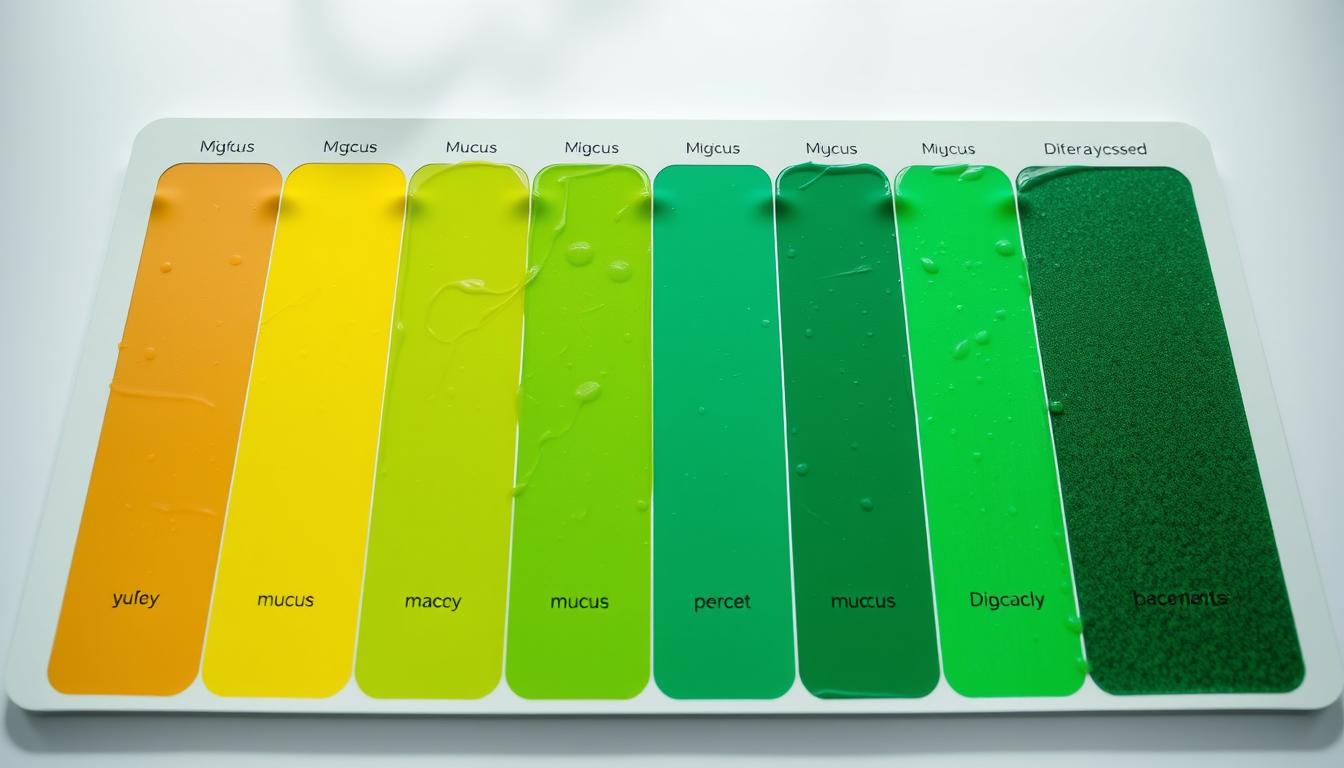
Last winter, I noticed something odd in the mirror. The tissue in my hand was green. I wondered if I needed antibiotics or if it was just a cold. This made me curious about what my snot color means for my health.
Your body makes a lot of mucus every day. It’s about 500 to 600 cubic centimeters, and you swallow it without thinking. Mucus is important for keeping you healthy. It helps lubricate your throat and protects your stomach from acid.
The color of your snot can be almost any color. Each color tells you something about your body. Alyssa Smolen, an advanced practice registered nurse, says that while mucus color can give health clues, it doesn’t always mean you have a serious problem.
Your sinuses and nasal passages are moist, making them perfect for mucus. When your body needs to send a message, changes in nasal discharge color are often the first sign. Knowing these signs helps you decide when to rest and when to see a doctor.
Key Takeaways
- Your body produces 500-600 cubic centimeters of mucus daily
- Mucus protects your throat and stomach from damage
- Different snot colors can indicate various health conditions
- Not all color changes require immediate medical attention
- Understanding mucus colors helps you monitor your health
- Your sinuses naturally produce moisture that affects mucus appearance
Understanding Nasal Mucus Composition
Your body makes nasal mucus all day. It’s a protective substance that keeps you healthy. Knowing what mucus is and why it’s made helps us understand green snot and yellow mucus symptoms.
What is Nasal Mucus Made Of?
Nasal mucus is mostly water, about 95 percent. It also has proteins, antibodies, and salts. Your body produces it constantly. Most of it goes down your throat and gets broken down in your stomach.
| Component | Percentage | Function |
|---|---|---|
| Water | 95% | Maintains moisture and fluidity |
| Proteins | 3% | Fight infections and provide structure |
| Antibodies | 1% | Target specific pathogens |
| Salts and minerals | 1% | Balance pH and cellular function |
The Role of Mucus in Your Body
Mucus acts as a barrier in infection-prone areas, like your nose and upper respiratory tract. It keeps these areas moist and fights off germs. Clear nasal discharge catches particles and bacteria, stopping them from reaching your lungs.
Mucus also helps your nose work right. It catches odorants and sends them to smell receptors in your nasal cavity. This lets you smell different things all day.
Why Does Snot Change Color?
Your nasal mucus is like a health barometer. It changes colors to signal different health conditions. These color changes happen when your body fights off infections, reacts to irritants, or gets injured. Knowing what each color means helps you know when to take care of yourself or when to see a doctor.
Common Causes of Color Change
Snot changes color due to various triggers in your body. Clear mucus means you’re healthy. But, colored, thicker mucus means your body is fighting something. Things like dust, pollen, or smoke can irritate your nose and change your mucus.
| Mucus Color | Common Causes | Duration |
|---|---|---|
| Clear | Allergies, normal health | Varies |
| White | Congestion, early cold | 3-5 days |
| Yellow/Green | Active infection | 5-10 days |
| Red/Pink | Tissue irritation, dry air | 1-3 days |
| Brown | Old blood, pollution | 1-2 days |
When to Be Concerned
Some mucus colors need immediate attention. Bloody nasal mucus that lasts more than a few days is a sign to see a doctor. Black snot might mean a fungal infection or pollution. Brown phlegm could be old blood or pollution, and it needs checking.
Look out for these signs:
- Persistent blood in mucus beyond 72 hours
- Black discharge with fever or facial pain
- Brown mucus accompanied by chest pain
- Any color change lasting over two weeks
Clear Snot: What It Indicates
Clear nasal discharge is a sign of healthy mucus. When you check your snot, clear mucus means your body is working right. Your nose makes clear mucus all the time to catch particles and keep moisture in.
This clear discharge is your body’s first line of defense against bad stuff outside.
Allergies vs. Viral Infections
Clear snot can mean two things. Allergies like pollen, pet dander, and dust mites make your body think it’s under attack. This leads to more clear mucus. During allergy season, many people notice this watery discharge.
Viral infections can start with clear snot too. At the beginning of a cold, you might see thin, clear discharge. Unlike the yellow or green mucus of a sinus infection, viral mucus stays clear for days. Things like cigarette smoke or strong perfumes can also make your snot clear, without causing an allergy or virus.
The Importance of Hydration
Drinking enough water affects your snot’s color and how thick it is. When you drink enough, your mucus stays thin and clear. But not drinking enough can make your mucus thick and cause congestion.
| Daily Water Intake | Mucus Consistency | Nasal Health Impact |
|---|---|---|
| 8-10 glasses | Thin, clear | Optimal drainage |
| 4-6 glasses | Slightly thick | Mild congestion |
| Under 4 glasses | Thick, sticky | Increased blockage |
Clear snot usually doesn’t need a doctor. Over-the-counter antihistamines can help with allergy snot. Saline nasal sprays are another option without medicine. But, watch for any color changes that might mean you’re getting an infection.
White Snot: Common Implications
White mucus shows up when your nasal tissues get inflamed and swell. It’s a sign of the early stages of a cold or infection. Your body makes thicker, cloudier mucus as it loses moisture during congestion.
Knowing what white snot means for your health can help you act fast. This way, you can prevent symptoms from getting worse.
Signs of a Cold
The common cold often turns clear mucus into white, thick discharge. Symptoms usually start one to three days after you’re exposed to a virus. Kids get colds more often than adults, who usually get two to three colds a year.
Yellow mucus symptoms may come after white mucus as the cold gets worse.
Your nasal passages slow down mucus flow when fighting viruses. This leads to moisture loss and a color change. White snot is your body’s early warning system, alerting you to illness before other symptoms show up.
Possible Sore Throat Connection
White mucus often goes with throat irritation and soreness. Post-nasal drip happens when thick mucus flows down your throat. This causes discomfort and coughing.
This drainage can lead to throat inflammation and pain, which gets worse at night.
| Symptom | Duration | Action Needed |
|---|---|---|
| White mucus with mild congestion | 2-3 days | Rest and fluids |
| White mucus with sore throat | 3-5 days | Warm salt water gargle |
| Persistent white mucus | Over 7 days | Contact healthcare provider |
Unlike green snot, which means bacterial infections, white mucus usually means a viral infection. Watch for symptoms like fever, body aches, or a persistent cough. This will help you decide if you need to see a doctor.
Yellow Snot: Possible Health Issues
Yellow snot means your body is fighting an infection. The yellow color comes from white blood cells fighting off invaders in your nose. After they finish, they leave your body through your nose, turning mucus yellow. Knowing the Color of My Snot helps you understand your immune system’s work.
Typical Associated Infections
Yellow nasal discharge shows up in many infections. Your body makes this colored mucus to fight off germs. The yellow color is from dead white blood cells and waste being removed.
| Infection Type | Duration | Additional Symptoms |
|---|---|---|
| Common Cold | 3-7 days | Sneezing, mild fever |
| Sinus Infection | 7-10 days | Facial pressure, headache |
| Upper Respiratory Infection | 5-14 days | Cough, sore throat |
When Yellow Snot Is Normal
Not all yellow mucus is a sign of serious illness. At the start of a cold, your immune system kicks in, causing yellow discharge. Irritants or objects in your nose can also cause yellow mucus. Unlike clear nasal discharge from allergies, yellow mucus means your immune system is at work.
Doctors usually wait seven days before considering antibiotics. This is because many infections get better on their own. Yellow snot is different from brown phlegm health issues, which are often linked to environmental factors or smoking.
Green Snot: Severity Indicators
Green snot means your body is fighting an infection. The green color comes from dead white blood cells. They are battling bacteria or viruses in your nose. Knowing what green mucus means can help you decide when to see a doctor.
Bacterial Infections and Sinusitis
Green sinus infection mucus that lasts more than 10-12 days might mean bacterial sinusitis. This condition causes inflammation in your sinuses and often needs antibiotics. Chronic sinusitis can last months and brings more symptoms:
- Facial pain and pressure
- Postnasal drip
- Difficulty breathing through your nose
- Changes in your sense of smell
- General feeling of illness
Differentiating from Other Symptoms
Not all green snot means you have an infection. Bacteria live in your nose without causing problems until they enter your nasal tissues. Unlike bloody nasal mucus or black snot concerns, green mucus alone doesn’t confirm infection. Watch how you feel and how long symptoms last.
Green mucus with fever, severe headache, or facial swelling needs medical attention. Your body’s response and symptom duration matter more than color alone when determining if you need treatment.
Red or Pink Snot: Understanding Blood in Mucus
Seeing red or pink nasal discharge can be scary. But knowing what it means can help decide if you need to see a doctor. If your snot turns red or pink, it means there’s blood in it. This can happen for many reasons, from minor irritation to serious health issues.
Possible Causes of Blood Discoloration
Blood in your nasal discharge usually comes from irritated or damaged tissues. Some common reasons include:
- Frequent nose blowing during colds or allergies
- Dry air causing nasal tissue cracking
- Nasal spray overuse leading to tissue damage
- Minor trauma from nose picking
- Viral infections causing tissue inflammation
- Pregnancy-related changes increasing blood flow
Environmental factors also play a big role in bloody nasal discharge. Dry air, common in winter, can make nasal passages dry and crack easily.
When to Seek Medical Attention
While a little blood in your mucus is usually not a big deal, some situations need a doctor’s check-up. Knowing when to seek medical help can prevent bigger problems.
| Seek Care Immediately | Monitor at Home |
|---|---|
| Continuous bleeding lasting over 20 minutes | Light pink tinge after nose blowing |
| Large blood clots in mucus | Occasional blood streaks during cold |
| Bleeding with severe headache | Minor bleeding from dry air |
| Blood with facial swelling | Pregnancy-related light spotting |
Prevention is the best way to avoid bloody nasal discharge. Use petroleum jelly, saline sprays, and humidifiers to keep your nose moist. Gentle nose blowing and staying hydrated help keep your mucus healthy.
Brown Snot: Reasons for the Color Change
Brown nasal mucus might seem scary at first. But knowing why it happens can make you feel better. Unlike green snot, which often means you’re sick, brown mucus usually comes from the environment or past irritation.
This color usually means there’s dried blood, particles you breathed in, or exposure to certain things.
Smoking Impact and Other Factors
Smoking is a big reason for brown nasal discharge. The chemicals and tar in tobacco mix with your mucus, making it brown. Smokers often see this color change, mainly in the morning when their body gets rid of irritants.
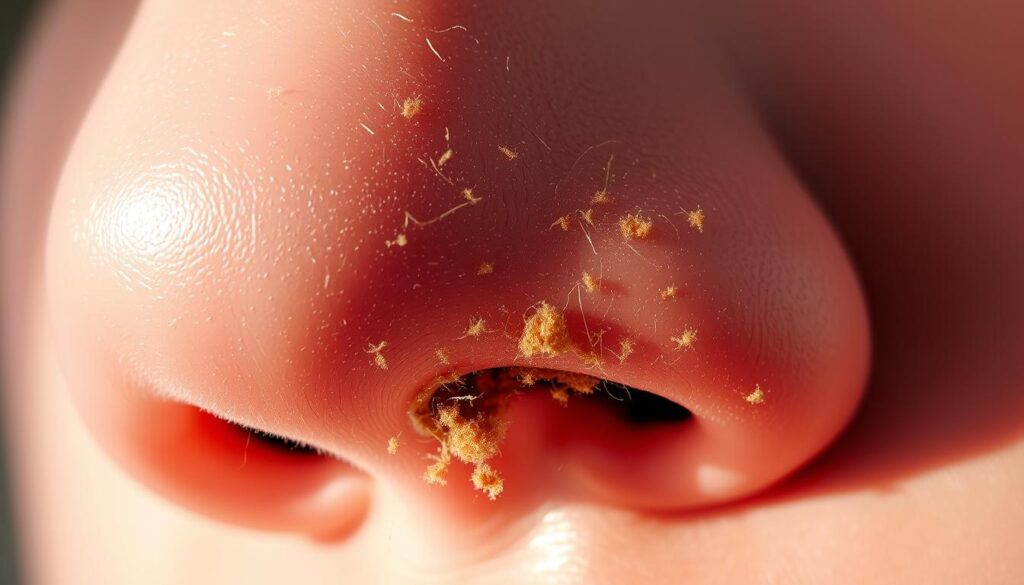
- Dried blood from previous nosebleeds
- Inhaled spices like paprika or cinnamon
- Snuff or tobacco product use
- Healing nasal tissues after injury
Possible Environmental Causes
Work and daily activities can change your mucus color. People like construction workers, miners, and gardeners often get brown mucus. This is because their bodies trap dust and soil in mucus, which turns brown when it comes out.
| Environment | Common Irritants | Mucus Appearance |
|---|---|---|
| Construction Sites | Dust, cement particles | Light to dark brown |
| Gardens | Soil, pollen | Reddish-brown |
| Industrial Areas | Metal particles, smoke | Dark brown to black |
Most of the time, brown mucus isn’t a big deal. But if it keeps happening and you’re having trouble breathing or can’t stop bleeding, you should see a doctor. Knowing why you have brown mucus helps you figure out if it’s just from the environment or if you need to see a doctor.
Other Colors: Uncommon Snot Colors Explained
Most people know about clear, white, or yellow nasal mucus. But, unusual colors can signal health issues. Each color has its own story about your body’s health.
Orange Snot: What It Means
Orange nasal mucus is similar to brown phlegm. It comes from inhaled particles mixing with mucus or dried blood. Workers in dusty jobs or those exposed to rust often see this color.
It can also happen when bloody nasal mucus ages in the sinuses. The iron in blood turns orange-rust. This is common in people recovering from nosebleeds or sinus infections.
Gray Snot: What It Means
Gray or black snot is often linked to environmental factors and lifestyle. Smokers and city dwellers exposed to pollution often have gray mucus. This is because tar and smoke particles build up in the nose.
| Snot Color | Common Causes | Risk Level |
|---|---|---|
| Orange | Dust, dried blood, inhaled particles | Low to moderate |
| Gray | Smoking, air pollution, mold exposure | Moderate |
| Black | Fungal infection, heavy smoking, drug use | High – seek medical care |
Black mucus is a serious sign that needs immediate medical help. Fungal sinus infections can cause this color, mainly in those with weak immune systems. These infections can be mild or severe, damaging tissue and bone.
The Science of Mucus Production
Your body works hard to make mucus. This mucus protects and moistens your respiratory system. It’s important to know why the color of your snot changes and what it means for your health. This natural process helps fight off infections and keeps your respiratory system healthy.
How Much Snot Does the Average Person Produce?
Adults make a lot of mucus every day. They produce about 2.5 cups of nasal mucus daily. This happens all the time, even when you’re asleep. Most of this mucus is swallowed without you even realizing it.
Mucus moves through your body in a specific way. It starts in the sinuses, goes through the nasal passages, down the back of your throat, and ends up in your stomach. This journey is important because it stops bacteria from growing in your respiratory system. When mucus reaches your stomach, the acid there kills any harmful bacteria, keeping you safe from sinus infection mucus.
Factors Affecting Mucus Production
Many things can change how much mucus you make and its texture:
- Allergies can make you produce more mucus
- Not drinking enough water makes mucus thicker and harder to clear
- Smoke or pollution can increase mucus production
- Cold, dry air makes your nose produce more mucus to humidify the air
- Infections can change both how much mucus you make and its nasal discharge color
| Factor | Effect on Mucus | Typical Color Change |
|---|---|---|
| Dehydration | Thicker consistency | White to yellow |
| Allergies | Increased production | Clear to white |
| Infection | More volume, thicker | Yellow to green |
| Dry air | Increased production | Usually clear |
Your nose acts like a natural air conditioner. It warms and moistens the air you breathe. This process needs mucus to keep your respiratory passages from drying out. Knowing these factors helps you understand when changes in your mucus might mean you need to see a doctor.
Snot and Your Immune System
Your nasal mucus is a strong shield against invaders every day. It does more than just cause trouble during colds. It’s your body’s first line of defense. Knowing mucus color meaning helps you see when your immune system is fighting threats.
How Snot Protects Against Infections
Nasal mucus catches bacteria, viruses, dust, and more before they hit your lungs. It has special antibodies that target germs. When your body finds invaders, white blood cells rush to fight them.
As these cells die, they turn the mucus yellow. This shows your body’s defense is working.
The color of your mucus shows how hard your body is fighting. Light yellow means an early fight, while darker colors mean a stronger battle. Green snot causes include a lot of white blood cells fighting off infections, like in bacterial attacks or sinusitis.
The Connection to Inflammation
Inflammation is key in mucus production and how it flows. When your nasal tissues get inflamed, they make thicker mucus. This helps keep your nasal passages moist and protects them from pathogens.
Home Remedies for Mucus Issues
Many people choose natural solutions for mucus problems before using medicines. Knowing how to handle symptoms at home can help. The color of your snot can guide you to the right remedy.
Natural Ways to Clear Congestion
Simple home remedies can help with clear nasal discharge and congestion. Steam inhalation is very effective. It loosens mucus and soothes your nose. You can do this by taking a hot shower or by inhaling steam from a bowl of hot water.

Saline rinses with a neti pot or squeeze bottle can also help. Mix one teaspoon of salt with two cups of warm water for a good solution. Drinking lots of water keeps mucus thin and easy to expel.
| Remedy | Effectiveness | Best For |
|---|---|---|
| Steam Inhalation | High | Thick mucus |
| Saline Rinse | Very High | Clear discharge |
| Hydration | Essential | All mucus types |
| Humidifier | Moderate | Dry environments |
When Home Remedies May Not Be Enough
Natural treatments are great for viral infections that last 7-10 days. But, some symptoms need medical help. If you see brown or green mucus lasting more than 12 days, it might be a bacterial infection.
Facial pain, severe headaches, or high fever with mucus changes also mean you need to see a doctor. Antibiotics are needed for bacterial sinusitis, as home remedies can’t cure it.
Medical Tests and Snot Analysis
Doctors don’t just look at nasal mucus to find diseases. They use it as a clue with other symptoms. Knowing when to see a doctor and what tests are used can help you understand your health better.
When to Visit a Provider
Some signs mean you should see a doctor. Yellow or sinus infection mucus with a fever over three days is a warning. Headaches around your eyes that get worse when you bend forward might mean sinus trouble.
Go to the doctor right away if you notice:
- Eye swelling or dark circles that don’t go away
- Severe headaches that make light hurt your eyes
- Neck pain or feeling more irritable
- Bloody nasal mucus that doesn’t stop with pressure
- Black snot in people who don’t smoke
Watery discharge could mean a leak of cerebrospinal fluid, which is serious. This happens after a head injury. Most colds get better in 5-10 days. If your symptoms last longer or get worse, make an appointment.
Tests to Expect for Mucus-Related Issues
Doctors use different tools to check mucus problems:
| Test Type | Purpose | When Used |
|---|---|---|
| Nasal Endoscopy | Examines nasal passages | Chronic sinus infection mucus |
| CT Scan | Views sinus structures | Severe or recurring infections |
| Mucus Culture | Identifies bacteria/fungi | Black snot concerns or persistent infection |
| Allergy Testing | Determines triggers | Chronic clear discharge |
Maintaining Healthy Mucus Production
Your body makes about 1.5 liters of mucus every day. Keeping it healthy is key to avoiding nasal discharge color changes. Drinking enough water and eating right helps keep mucus just right. Knowing this helps you understand what your snot color means for your health.
Tips for Optimal Hydration
How much water you drink affects your mucus. Aim for 8-10 glasses a day to keep it thin and clear. Not drinking enough can make mucus thick and sticky, and it might change color easily.
Not all drinks are created equal. Coffee and soda can dry out your nose, while herbal teas and water keep it moist. Also, dry air inside can make mucus thick. Using humidifiers helps keep it right.
| Beverage Type | Effect on Mucus | Daily Recommendation |
|---|---|---|
| Water | Thins mucus naturally | 64-80 oz |
| Herbal Tea | Maintains moisture | 2-3 cups |
| Coffee | May cause thickness | Limit to 2 cups |
| Alcohol | Dehydrates passages | Minimize intake |
Importance of Nutritional Choices
What you eat affects mucus color meaning by boosting your immune system. Foods high in vitamin C and zinc help fight off infections that can change your nasal discharge color.
- Dairy products may thicken mucus in sensitive individuals
- Spicy foods temporarily thin secretions for congestion relief
- Fresh fruits provide antioxidants supporting healthy mucus
- Leafy greens offer vitamins preventing excessive production
Simple habits can keep your nose healthy. Washing your hands often stops germs from getting in. Blowing your nose gently avoids damage. Saline rinses also help clear out irritants without messing up your mucus.
Myths and Misconceptions About Snot
Many think the color of their nasal discharge tells them about their health. This belief often leads to worry or wrong treatment choices. Let’s look at the facts and what doctors say about mucus color.
Debunking Common Snot Myths
One big myth is about green snot. People think it always means a bacterial infection that needs antibiotics. But, experts like Alyssa Smolen from OSF HealthCare say this isn’t always true. Many green mucus infections are viral and don’t need antibiotics.
Clear nasal discharge doesn’t always mean you’re healthy. Many people with allergies or reactions to environmental irritants have clear mucus. This shows that clear mucus doesn’t always mean you’re okay.
What You Should Know
Understanding yellow mucus symptoms is more than just looking at color. It’s about how long and how bad your symptoms are. Dr. Sindwani says feeling fine with colored mucus usually means no big infection.
| Myth | Reality |
|---|---|
| Green mucus always needs antibiotics | Most green mucus comes from viral infections |
| Clear discharge means you’re healthy | Allergies often produce clear nasal discharge |
| Bacteria in nose always causes infection | Bacteria must enter nasal tissues to cause illness |
| Mucus production stops when healthy | Your body produces mucus 24/7 for protection |
Your body makes mucus all the time to trap bad stuff, keep moisture, and help with smell. This keeps going whether you’re sick or not. Most mucus flows out as postnasal drip all day.
Conclusion: Listening to Your Body Through Snot
The color of my snot tells me a lot about my health. By paying attention to these changes, I can catch health issues early. Dr. Raj Sindwani from Cleveland Clinic says mucus color alone isn’t enough. You need to consider other factors like how long you’ve been sick and how you feel overall.
Recognizing Symptoms
Your body sends clear signals when something’s off. Brown phlegm might mean you’ve been exposed to smoke or pollution. Bloody nasal mucus could be from dry air or too much nose blowing. Black snot is serious unless you smoke or have been in dusty areas.
Sinus infection mucus is yellow or green and comes with face pain and pressure. Watch for warning signs that need a doctor’s attention. These include feeling sick for more than 10 to 12 days, running a high fever, or having severe headaches.
Also, look out for face pain that won’t go away, vision changes, and unusual mucus colors. Most colds clear up in 7 to 10 days with rest and fluids. But bacterial infections need antibiotics that only a doctor can prescribe.
Importance of Seeking Professional Advice
Knowing when to call your doctor is key to getting better. Your nose produces mucus to protect you from germs and keep airways moist. When these functions change, your body needs help.
Regular check-ups and watching how your mucus changes over time help spot problems early. Trust your instincts – if something feels wrong or symptoms get worse, make that appointment. Your health is more important than waiting to see if things improve on their own.