
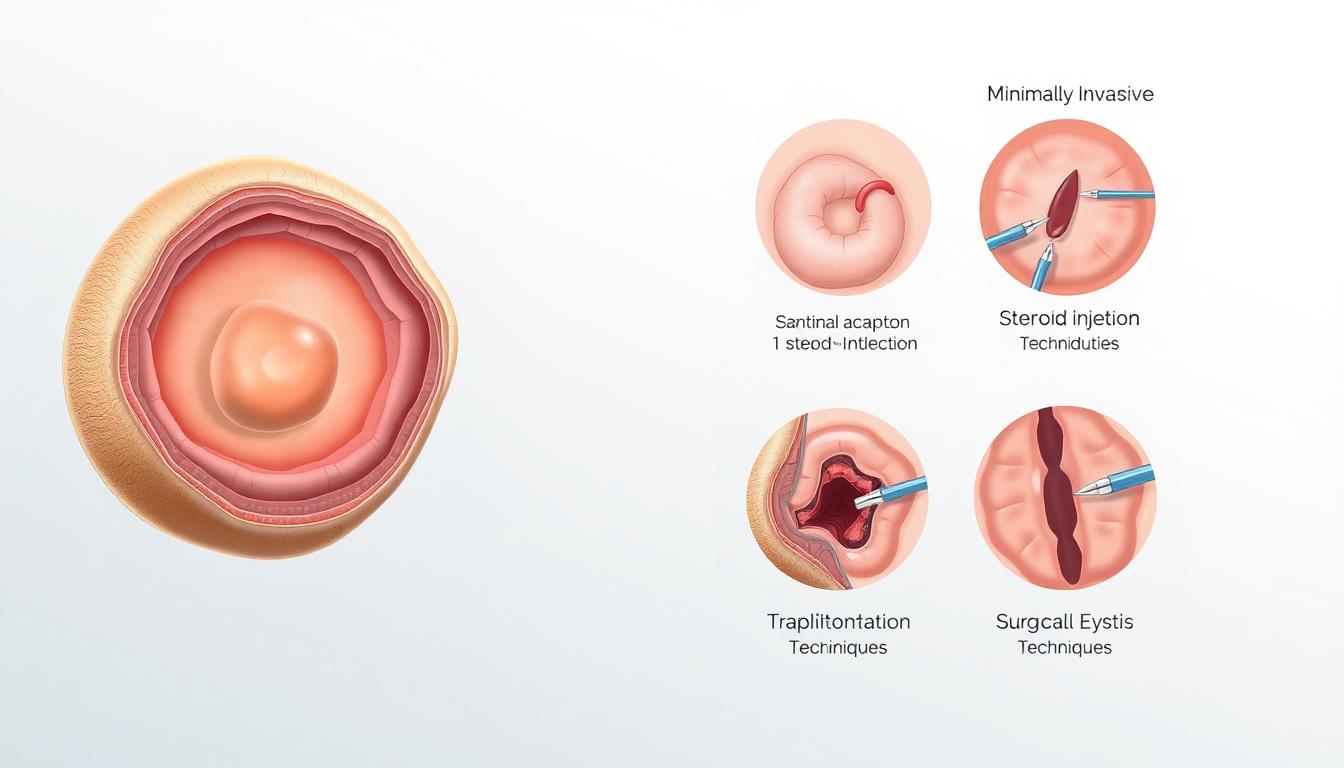
I remember the morning I found a small, round lump under my skin. It was while I was getting ready for work. My heart was racing with worries. If you’ve ever felt something unusual under your skin, you know that feeling.
The good news is that most skin lumps are harmless cysts. A cyst is just a fluid-filled sac that can appear almost anywhere in your body. These growths are very common and affect millions of Americans every year.
They might seem scary at first, but knowing what they are can help. It can ease your worries and help you make better health choices.
Cysts come in all shapes and sizes. Some are as small as a grain of rice, while others can be as big as a golf ball. Knowing when to seek help and when to watch them at home is important.
Key Takeaways
- Cysts are fluid-filled sacs that form under the skin or inside the body
- Most cysts are benign growths that pose no serious health threat
- Skin lumps can vary in size from tiny bumps to several inches across
- Regular monitoring helps track changes in size or appearance
- Treatment options range from watchful waiting to surgical removal
- Prevention strategies include maintaining good hygiene and managing underlying conditions
Understanding What Cysts Are
Cysts are fluid-filled sacs that can appear in different parts of your body. They affect millions of Americans every year. They can be small or quite large. Knowing about cysts helps you take care of your health better.
Definitions and Types
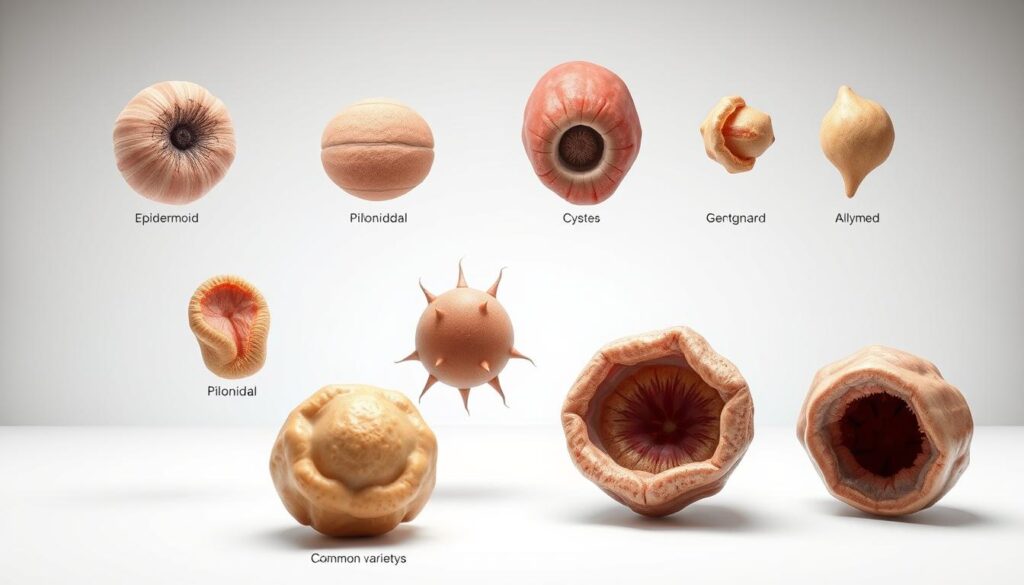
A sebaceous cyst happens when oil glands get blocked, making a bump under the skin. There are many types of cysts, each with its own contents and where it grows. For example, epidermoid cysts are small and firm, while pilar cysts appear on the scalp.
Skin cysts are just one kind. There are also internal cysts in organs like the ovaries, kidneys, or liver. Each type has its own signs that doctors look for to diagnose and treat.
Common Locations in the Body
Cysts can show up in many places. The face, neck, and trunk often get skin cysts. Hands and feet can also have them. Internal organs have their own cysts, like ovarian cysts in women.
Knowing where cysts usually appear helps find them early. Checking your scalp, neck, and limbs regularly can spot new cysts. But, finding internal cysts often needs medical imaging because they don’t always show symptoms until they get big.
How Cysts Form
Learning about cyst formation helps us spot risks and prevent them. These sacs form from blockages or genetic issues. Knowing why cysts form helps us make better health choices.
Causes and Risk Factors
Many things can lead to cysts in the body. Blocked ducts or glands are common causes. Infections can also lead to abscesses that turn into cysts.
- Age plays a significant role, with middle-aged adults experiencing higher rates
- Gender influences susceptibility, as women face increased risks for certain types
- Acne history correlates with sebaceous cyst development
- Family history suggests genetic predisposition
- Hormonal fluctuations during life changes
- Physical factors like clothing friction and excessive hair growth
Genetic conditions like Gardner syndrome increase cyst risks. Certain meds, developmental issues, and trauma also raise risks. Chronic inflammatory conditions irritate tissues, leading to cysts.
The Role of the Immune System
The immune system protects us but can also play a role in cysts. It fights off infections and stops abnormal growth. But, a weak immune system lets infections linger, making cysts more likely.
Autoimmune diseases can damage tissues, causing cysts. Knowing this helps doctors find better treatments.
Identifying Cysts: Symptoms to Watch
Learning how to spot cysts early is key. Most cysts are not harmful, but knowing the signs helps you act fast. This knowledge lets you stay calm and make smart health choices.
Common Signs of Cysts
Cysts show up as slow-growing lumps that feel smooth and round. You can move them around with your fingers. Look out for these common signs:
- Painless bumps that move easily when touched
- Fluid-filled or semi-solid masses
- Smooth, dome-shaped appearance
- Slow growth over weeks or months
Ganglion cysts often pop up near joints or tendons, like on wrists and hands. They feel firm but squishy and can change size during the day. Some notice their ganglion cyst gets bigger after using the joint.
Infected cysts have different warning signs. Look for redness, warmth, swelling, or tenderness around the lump. If an infected cyst leaks pus with a bad smell, see a doctor right away. This is to avoid serious problems.
When to Seek Medical Attention
See your doctor if you find a lump that doesn’t go away in two weeks. It’s important to get checked for:
- New breast lumps or changes in existing ones
- Rapidly growing or painful masses
- Cysts that get in the way of movement or daily tasks
- Signs of infection like fever or red streaks
- Multiple cysts showing up at the same time
Spotting cysts early and getting a doctor’s opinion is key. It makes sure you get the right treatment and rules out serious issues.
Diagnostic Methods for Cysts
Diagnosing cysts requires a mix of physical checks and high-tech tools. Doctors use different methods to spot cysts, figure out what they are, and choose the right treatment. The first step is usually a hands-on check. If needed, they might use advanced imaging tests.
Physical Examination Techniques
Healthcare providers examine cysts by touch and sight during a medical check-up. They look for certain signs to tell cysts apart from other lumps:
- Size and shape measurements
- Texture assessment (soft, firm, or hard)
- Mobility testing (whether the lump moves freely)
- Skin appearance over the affected area
Women with suspected ovarian cysts get a pelvic exam. This lets doctors feel any abnormalities in the reproductive organs. Skin cysts are often checked by sight first. Some people use telemedicine to send photos to dermatologists for a first look.
Imaging Tests and Their Uses
When a physical check isn’t enough, doctors use imaging tests. Each test has its own role in diagnosing cysts:
| Imaging Test | Best Used For | Key Benefits |
|---|---|---|
| Ultrasound | Ovarian, breast, kidney cysts | No radiation, shows fluid content |
| CT Scan | Internal organ cysts | Detailed cross-sectional views |
| MRI | Brain, spinal cord cysts | Excellent soft tissue contrast |
| X-ray | Bone cysts | Quick, widely available |
At times, doctors take a small tissue sample for lab tests. This biopsy helps rule out cancer and confirms the cyst is not harmful. It gives patients peace of mind and helps decide on treatment.
Treatment Options for Cysts
Choosing the right treatment for cysts depends on several factors. The type of cyst, its location, and if it hurts are key. Some cysts need quick action, while others can be watched over time.
Watchful Waiting Approach
Small cysts often don’t need to be removed right away. Doctors might suggest watching them, if they don’t hurt or cause problems. They’ll check the cyst’s size and look for any changes during visits.
This method is good for simple cysts that don’t grow or bother you.
Surgical Removal Techniques
When cysts get big, hurt, or get infected, surgery is needed. The process includes:
- Local anesthesia to numb the area
- A small incision over the cyst
- Complete removal of the cyst wall
- Careful closure of the wound
For fluid-filled cysts, doctors might drain them first. Then, they remove the sac. This helps prevent the cyst from coming back.
Medications and Therapies Available
There are non-surgical ways to manage cysts. Corticosteroid injections can shrink some cysts. Antibiotics fight infections and prevent serious issues. For Baker’s cysts, physical therapy and draining the fluid can help.
Your doctor will pick the best treatment for you based on your situation.
Home Remedies for Managing Cysts
Medical treatment is often needed for cysts, but some home remedies can help. These natural cyst treatment methods work well for small, simple cysts. They can make you feel better and help some cysts heal on their own.
Natural Treatments to Consider
A warm compress is a top home remedy for cysts. Use a clean, warm washcloth on the cyst for 10-15 minutes, several times a day. This increases blood flow, helping the cyst drain and heal.
- Tea tree oil diluted with a carrier oil for its antimicrobial properties
- Aloe vera gel to soothe inflammation and promote healing
- Apple cider vinegar applied topically to help dry out certain types of cysts
- Turmeric paste for its anti-inflammatory benefits
Lifestyle Changes that May Help
Preventing cysts is key. Keep the area clean and dry, using mild soap. Don’t squeeze or try to pop cysts, as it can lead to infection.
For pilonidal cysts, take breaks from sitting and keep good posture. Clean your eyelids with a gentle cleanser if you have chalazion cysts. These simple steps can help prevent and treat cysts.
Preventing Cysts: Can It Be Done?
Many people ask if they can prevent cysts. The truth is, most cysts can’t be completely stopped. Some cysts come from things we can’t control, like our genes or health conditions. But, there are steps we can take to lower our risk of getting certain types, like epidermoid cysts.
Healthy Lifestyle Choices
Simple daily habits are key in preventing skin cysts. Keeping your skin clean and dry helps avoid bacteria buildup. This stops pores from getting blocked.
For those at risk of ovarian cysts, birth control pills can help. They regulate hormones and might lower cyst risk. Good dental care stops mouth cysts by brushing and flossing right. If you often get skin cysts, seeing a dermatologist yearly is smart. They can give advice and check your skin.
Understanding Genetic Factors
Genetics play a big role in cysts, and we can’t change our genes. Conditions like Gardner and Gorlin syndromes raise your risk of getting many epidermoid cysts. If your family has a lot of cysts, you might too.
Knowing your genetic risk is important. It means you should watch for cysts early. Regular doctor visits are even more critical if you have a genetic risk.
Cyst versus Tumor: Key Differences
Many people get worried when they find a lump or bump on their body. Knowing the difference between benign cysts and malignant tumors can help. These growths look similar but have different effects on health.
Understanding Benign vs. Malignant
Benign cysts are filled with fluid, air, or semi-solid stuff. They grow slowly and don’t spread. Malignant tumors are made of bad cells that grow fast and can spread.
| Characteristic | Benign Cysts | Malignant Tumors |
|---|---|---|
| Growth Rate | Slow and steady | Rapid and irregular |
| Borders | Smooth and defined | Irregular and blurry |
| Spread Risk | Stays localized | Can metastasize |
| Treatment Urgency | Often optional | Immediate needed |
When Cysts May Indicate a Tumor
Some signs suggest a growth might be more serious. Look out for quick size changes, firm texture, or odd shapes. Women over menopause should be extra cautious with ovarian growths.
Doctors might take tissue samples if they’re unsure. Catching tumors early is key to better treatment.
Types of Cysts
Cysts can form in many parts of the body and have different causes and treatments. Knowing about these types helps people understand symptoms and get the right care. Common types include epidermoid cysts, Baker’s cysts, and ovarian cysts.
Epidermoid Cysts
Epidermoid cysts are small bumps under the skin from blocked hair follicles. They are filled with keratin, a skin protein. These cysts are usually round, firm, and can be various colors.
They grow slowly and are usually painless. But, they can become painful if they get infected.
Baker’s Cysts
A Baker’s cyst is a fluid-filled sac behind the knee. It often comes from knee issues like arthritis or torn cartilage. Symptoms include swelling, stiffness, and trouble bending the knee.
The cyst can burst, causing fluid to leak into the calf.
Ovarian Cysts
Ovarian cysts happen when fluid builds up in or on an ovary. They often occur during the menstrual cycle when eggs don’t release properly. Most women will get an ovarian cyst at some point.
Many don’t notice symptoms or they are mild. Regular pelvic exams can catch these cysts early.
| Cyst Type | Location | Common Symptoms |
|---|---|---|
| Epidermoid | Face, neck, torso | Small bump, slow growth |
| Baker’s cyst | Behind knee | Swelling, stiffness |
| Ovarian cyst | Ovaries | Pelvic pain, bloating |
| Pilonidal cyst | Tailbone area | Pain, redness, drainage |
Complications Related to Cysts
Many cysts are harmless, but some can cause serious problems. It’s important to know these risks to get help early. Issues like infections and organ damage can really hurt your health and life quality.
Potential Infections
Infected cysts are a big deal. Bacteria in a cyst can lead to inflammation, pain, and abscesses. Women with pelvic inflammatory disease are at higher risk of infected cysts in their ovaries. If not treated, these infections can spread.
Look out for these signs of infection:
- Fever and chills
- Severe pain at the cyst site
- Redness and warmth around the area
- Nausea and vomiting
- General weakness or fatigue
Impact on Surrounding Organs
Big cysts can put pressure on nearby things. This can harm blood vessels, nerves, and organs. Ruptured cysts can cause sharp pain and other serious issues like ovarian torsion.
| Organ System | Common Complications | Treatment Approach |
|---|---|---|
| Reproductive | Fertility issues, hormone imbalances | Surgery, hormone therapy |
| Kidney | Reduced function, blockages | Drainage, dialysis support |
| Digestive | Bowel obstruction, pain | Surgical removal |
Polycystic conditions affect many organs. Polycystic kidney disease and polycystic ovary syndrome need close watch. This helps prevent serious problems.
Cysts in Specific Populations
Certain groups face unique challenges with cysts. Children and pregnant women need special care because of their changing bodies and hormones. Knowing how cysts affect these groups helps families and doctors make better choices.
Children and Cysts
Pediatric cysts can show up in many ways and places on a child’s body. Branchial cleft cysts form during fetal growth and appear as neck lumps. They happen when tissues don’t close right during early development.
These cysts are usually not harmful but can irritate the skin or get infected if ignored.
Common cysts in kids include:
- Branchial cleft cysts on the neck
- Dermoid cysts near the eyebrows or scalp
- Pilonidal cysts that appear after puberty
- Thyroglossal duct cysts in the throat area
Cysts in Pregnant Women
Pregnancy changes hormones, which can affect cysts. Breast cysts may become more noticeable because of these changes. They can cause discomfort or tenderness, so regular checks are key during prenatal care.
| Cyst Type | Pregnancy Impact | Monitoring Needs |
|---|---|---|
| Ovarian cysts | May grow due to hormones | Ultrasound every trimester |
| Breast cyst | Increased tenderness | Monthly self-exams |
| Dermoid cyst | Usually unchanged | Annual check-up |
Choosing treatments during pregnancy is careful. Doctors usually suggest waiting unless there’s a big risk. Surgery is often delayed until after the baby is born to avoid risks to both mom and baby.
Myths and Misconceptions about Cysts
Medical misinformation spreads fast, often about cysts. Many people worry based on what they’ve heard or read. Knowing the truth about cysts can help reduce anxiety and guide better health choices.
Debunking Common Misunderstandings
One big myth is thinking cysts are cancerous tumors. But cysts are usually harmless sacs filled with fluid or air. They have a clear sac-like structure that doctors can spot easily.
Some think every cyst needs surgery right away. But most cysts are harmless and don’t need treatment unless they hurt, get infected, or bother you cosmetically. Small cysts often go away on their own in weeks or months.
Another myth is that cysts are contagious. Cysts cannot spread from person to person through touch or being near each other. They form due to blocked ducts, infections, or genetics, not from touching others.
Importance of Accurate Information
Sharing accurate cyst facts can prevent unnecessary surgeries and lower anxiety. Knowing that bumps from ingrown hairs are not always cysts helps treat them right at home. Painless cysts rarely need treatment, saving time and money.
Good medical info helps patients make smart health choices. By learning the real facts about cysts and ignoring myths, people can work better with their doctors. This helps figure out when treatment is really needed.
The Role of Nutrition in Cyst Formation
The link between nutrition and cysts is a topic of ongoing research. Keeping your diet balanced is key to helping your body fight off cysts. What you eat affects your immune system, inflammation, and hormones, all important for preventing cysts.
Dietary Factors to Consider
Your food choices are the base for good health and immune function. Eating foods that fight inflammation, like salmon and walnuts, can help prevent cysts. Also, fruits and veggies are full of antioxidants that protect your cells.
Watch how much sugar you eat, as it’s linked to health problems. Studies show too much sugar can harm your health. Eating balanced meals with protein, whole grains, and healthy fats helps keep your hormones in check, which is good for women with ovarian cysts.
Supplements and Their Impact
Supplements can help if you’re not getting enough nutrients from food. Vitamin D boosts your immune system and helps cells grow right. Zinc helps heal tissues, and B-complex vitamins are good for hormone balance, which can affect cysts.
Always talk to a doctor before taking supplements. They make sure you’re safe and getting what you need. Good supplements come from trusted sources, giving you the best benefits with little risk.
Advances in Cyst Treatment Research
The field of cyst research is growing fast with new discoveries. Scientists and doctors are finding better ways to find and treat cysts. These changes are helping doctors manage cysts better, giving hope to many people.
New Technologies in Diagnosis
Modern tools are changing how doctors find and check cysts. High-resolution ultrasound machines give clearer pictures. This helps doctors tell cyst types apart.
Advanced MRI technology lets doctors see cysts in 3D. This makes it easier to plan treatments.
Telemedicine is also helping patients get diagnosed. Many dermatology centers offer online consultations. Patients can send photos for a quick check-up.
This saves time and helps people in rural areas get expert advice fast.
Emerging Treatments on the Horizon
New treatments are coming that promise less scarring and fewer cysts coming back. Minimally invasive surgery uses small cuts and special tools. This method removes cysts with less damage.
Laser therapy is also showing promise. It treats certain cysts precisely with little harm to the surrounding tissue.
| Treatment Type | Recovery Time | Success Rate |
|---|---|---|
| Traditional Surgery | 2-4 weeks | 85% |
| Minimally Invasive | 1-2 weeks | 92% |
| Laser Therapy | 3-5 days | 88% |
Researchers are trying to figure out why cysts sometimes come back. They found that leaving any cyst wall behind often leads to regrowth. This has led to new surgical methods that remove cysts completely, cutting down on recurrence.
Seeking Professional Help
Knowing when to see a doctor about cysts is key for your health. If you find unexplained lumps, feel pain or swelling, or if a cyst gets in the way of your daily life, get help. Even if you’re worried about how a cyst looks, seeing a doctor is important. They can treat it right and avoid bigger problems.
Finding the Right Specialist
Finding the right doctor for your cyst depends on its location. A dermatologist can handle skin cysts and do things like remove them or inject them. For cysts inside your body, you might need to see other doctors. Gynecologists deal with ovarian cysts, and orthopedic surgeons handle Baker’s cysts. Your primary care doctor can help find the right specialist for you.
Questions to Ask Your Doctor
When you see your doctor, have questions ready. Ask them to confirm what kind of cyst you have. Also, ask about all treatment options and the risks of not treating it.
Find out if the cyst could come back and if lab tests are needed. If cysts run in your family, talk about how often you should see a doctor. Knowing this helps you make smart choices about your health.