
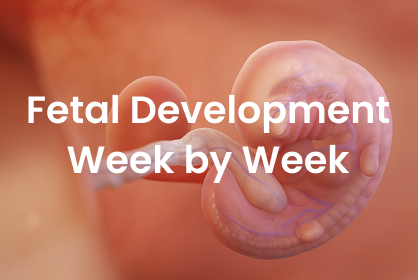
I’ll never forget reading that, medically speaking, my pregnancy started before I’d even conceived. (Talk about a plot twist.) From that peculiar beginning, each week proved to be a blend of scientific marvel, odd bodily sensations, and more than a little wonder. If you’re expecting—or just expecting to learn—buckle in for a tour that’s as real as it is remarkable, with the occasional tangent because, frankly, pregnancy rarely sticks to any script.
1. The Science Behind the Start: Weeks That Count Before They Count
When I first learned how pregnancy is tracked, I was surprised to discover that the countdown begins before conception even happens. According to medical standards, pregnancy is counted from the first day of my last menstrual period (LMP)—not from the day the sperm meets the egg. This means that when I am told I’m “four weeks pregnant,” my baby’s development may have only been underway for about two weeks. As Charles M. Carlsen puts it,
“Pregnancy does not officially begin at fertilization; it’s counted from the first day of the last menstrual period.”
Why Pregnancy Weeks Start Before Conception
This method of tracking pregnancy week by week is not just tradition—it’s practical. Most people can recall the first day of their last period, but pinpointing the exact day of conception is much harder. Since ovulation (and thus fertilization) usually happens about two weeks after the LMP, those first two weeks of “pregnancy” are actually before the egg and sperm have even met. This is why due date estimation is more of an educated guess than a precise science, and why the classic 40-week pregnancy is calculated from LMP, not conception.
The Magic of Fertilization: A Unique DNA Blueprint
Fertilization is the true starting line for new life. It typically occurs in the fallopian tube, when a single sperm penetrates the egg. In that instant, a zygote forms, carrying a complete set of DNA—a unique combination of traits from both parents. This single cell contains the blueprint for everything from eye color to potential talents. The zygote then begins dividing rapidly, preparing for the next big step: implantation.
Implantation: The Drama Unfolds
Implantation is a complex, multi-stage process that transforms a floating embryo into a securely anchored pregnancy. This process unfolds in four main stages:
- Apposition: The embryo drifts through the uterus and gently contacts the uterine wall.
- Adhesion: The embryo starts to stick to the lining, like a seed finding fertile ground.
- Invasion: The embryo burrows deeper into the uterine tissue, establishing a stronghold.
- Decidualization: My body transforms the uterine lining, making it rich and supportive for the embryo’s needs.
This entire performance usually completes about 6–10 days after fertilization. Only after successful implantation does my body begin producing human chorionic gonadotropin (hCG)—the hormone that triggers early pregnancy symptoms and is detected by home pregnancy tests.
hCG: The Hormone That Signals the Start
Human chorionic gonadotropin (hCG) is the earliest biochemical sign of pregnancy. After implantation, hCG levels rise quickly, doubling every two to three days. By about four weeks gestation (two weeks after conception), hCG is usually high enough to be detected in urine or blood. This is why most pregnancy tests recommend waiting until after a missed period for the most accurate result.
Why Due Dates Are Estimates, Not Promises
Due date estimation is based on the assumption that ovulation and fertilization happen exactly two weeks after the LMP, but cycles can vary widely. Factors like irregular periods, late ovulation, or early implantation can all shift the timeline. That’s why ultrasounds—especially the dating scan in the first trimester—are often used to fine-tune the estimated due date. Still, only about 5% of babies arrive on their exact due date, making it more of a helpful guideline than a set appointment.
Key Takeaways on Early Pregnancy Timing
- Pregnancy week by week is counted from LMP, not conception.
- Fertilization creates a unique DNA mix in the zygote.
- Implantation involves apposition, adhesion, invasion, and decidualization.
- hCG is the first hormone to signal pregnancy, detectable around four weeks gestation.
- Due dates are estimates—every pregnancy’s timeline is a little different.
2. The Sneaky First Trimester: Myths, Major Changes, and the Micro Pop Star (Weeks 1–12)
Hormones Go Haywire: The Real Start of the Pregnancy Week by Week Guide
The first trimester—Weeks 1 to 12—often sneaks up on you. It’s a time of profound change, even if you don’t “feel” pregnant yet. Officially, pregnancy is counted from the first day of your last menstrual period (LMP), not from conception. This means that by the time you see that positive test, your body’s already been working overtime for weeks, thanks to hormones like follicle-stimulating hormone (FSH) and luteinizing hormone (LH). These hormones trigger ovulation and early changes, setting the stage for everything to come.
Weeks 1–4: Poppy Seed Beginnings and the First Pregnancy Symptoms
During the earliest weeks, the embryo is as tiny as a poppy seed. Fertilization happens in the fallopian tube, forming a zygote with all the DNA needed for your future baby’s traits. The zygote travels to the uterus and becomes a blastocyst, which then implants itself—a process that might cause mild cramps or spotting. For many, these weeks bring a rollercoaster of feelings: some notice fatigue, sore breasts, or mood swings, while others feel nothing at all.
- Fatigue: One of the earliest and most common pregnancy symptoms.
- Breast tenderness: Hormonal changes can make breasts feel swollen or sensitive.
- Mild cramps: Often mistaken for premenstrual symptoms.
Weeks 5–8: Heartbeats, Neural Tubes, and the Blueprint for a Mini-Human
By Week 5, the neural tube (which becomes the brain and spine) closes, and the heart starts to beat—tiny but mighty. The embryo is still small, but the foundations for all major organs are being laid. Limb buds appear, and the brain is developing at a mind-blowing rate—about 100 neurons per minute by Week 7. For me, this was the stage where the abstract idea of pregnancy started to feel real.
“By week 8, that abstract jellybean on the screen looked strangely human.” – My actual journal, 2022
This is also when the infamous food aversions and nausea (hello, morning sickness) can hit hard. I’ll never forget the day I realized my beloved morning coffee suddenly smelled like swamp water. Farewell, favorite foods—at least for now.
Weeks 9–12: The Micro Pop Star Emerges and Risks Begin to Drop
Around Week 9, the embryo officially becomes a fetus. Muscles start to function, and tiny movements begin (though I couldn’t feel them yet). Facial features sharpen, tooth buds form, and by Week 11, ultrasounds might show thumb-sucking or hiccups. By Week 12, the baby is about the size of a lime, and the risk of miscarriage drops to just 1–5%. This is often the first time I could hear the heartbeat with a Doppler—a sound that made everything feel real and hopeful.
- Miscarriage risk: Drops significantly by the end of the first trimester.
- Heartbeat: Often detectable by Doppler at prenatal visits.
Prenatal Tests and Vital Vitamins: Why They Matter
Early prenatal tests and screenings are essential in the first trimester. Blood tests confirm pregnancy and check for things like blood type, immunity, and certain genetic conditions. An early ultrasound (usually between 6–9 weeks) helps confirm the due date and checks for a heartbeat.
Taking the best prenatal vitamins—especially those with folic acid—is crucial. Folic acid supports neural tube development and helps prevent birth defects. Those horse-sized pills may not be fun, but they’re worth it for your baby’s health.
- Key tests: Bloodwork, early ultrasound, and sometimes genetic screening.
- Essential nutrients: Folic acid, iron, calcium, and vitamin D.
First Trimester Myths and Realities
- Myth: “You’ll know right away if you’re pregnant.”
Reality: Many people feel nothing for weeks, while others notice symptoms almost immediately. - Myth: “Morning sickness only happens in the morning.”
Reality: Nausea can strike at any time of day (or night). - Myth: “You can’t exercise.”
Reality: Gentle activity is usually safe and can help with symptoms—just check with your provider.
The first trimester is a whirlwind of changes, both seen and unseen. From the tiniest poppy seed to a lime-sized micro pop star, every week brings new milestones, surprises, and the start of a remarkable journey.
3. Second Trimester: The (Occasionally Blissful) Middle Stretch (Weeks 13–26)
The second trimester—spanning weeks 13 to 26—often feels like a breath of fresh air after the rollercoaster of the first trimester. For many, this is the “honeymoon phase” of pregnancy. Energy levels rise, morning sickness fades, and the growing baby starts to make their presence known in new, exciting ways. But as I quickly learned, this stretch is not without its own unique pregnancy symptoms and conditions. Here’s what to expect during this pivotal part of the pregnancy timeline and key changes to watch for.
Weeks 13–16: The Energy Surge and Subtle Flutters
As I entered week 13, I noticed a sudden surge of energy. The constant fatigue and nausea of early pregnancy eased, replaced by a sense of wellbeing that almost made me forget I was pregnant—until I caught a glimpse of my changing body in the mirror. Around this time, the baby is busy with a science project of their own:
- Vocal cords are forming, setting the stage for those first cries after birth.
- Lanugo, a fine, downy hair, begins to cover the baby’s skin by week 14, offering protection.
- Taste buds start developing, and the baby can even taste amniotic fluid flavors.
By week 16, some people (especially those who’ve been pregnant before) may feel the faintest fluttering movements—like a butterfly’s wings or gentle bubbles. It’s a subtle but magical sign that the baby is growing stronger every day.
Weeks 17–20: Quickening and the Anatomy Scan
Between weeks 17 and 20, the baby’s movements become more pronounced—a milestone known as quickening. For me, it felt like tiny popcorn pops; for others, it’s more like being nudged by a small, confused kitten. This is a moment many parents never forget. As Charles M. Carlsen put it:
“Feeling my baby move for the first time was somehow both surreal and very real.” – Charles M. Carlsen
During this period, the baby’s senses are developing rapidly. Body fat accumulates, the skin is protected by vernix caseosa (a creamy coating), and the baby may even start to recognize my voice. The highlight of this stretch is the anatomy scan—the detailed ultrasound typically performed around week 20. This scan checks the baby’s organs, measures growth, and often reveals the baby’s sex if I want to know. It’s a big moment, both medically and emotionally, and sometimes the baby will nap through the whole thing, making the sonographer’s job a bit more challenging!
New Symptoms: Round Ligament Pain and Body Changes
While energy may be up, new pregnancy symptoms and conditions can appear. Round ligament pain is common as the uterus grows, stretching the ligaments that support it. For me, this felt like a sharp, brief pain on one or both sides of my lower belly—especially when standing up quickly or rolling over in bed. My body proportions shifted, and I found myself adjusting to a new center of gravity, which sometimes made even simple movements feel like a new dance routine.
Prenatal Appointments: Routine Checks and Heartbeat Joy
The second trimester brings a steady rhythm of prenatal appointments. These visits usually include:
- Measuring my belly to track the baby’s growth
- Checking blood pressure and urine for signs of complications
- Listening to the baby’s heartbeat—a sound that never gets old
- Discussing any new symptoms or concerns
Hearing the heartbeat at each visit is a reassuring reminder that everything is progressing as it should. It’s a moment of pure joy that anchors me in the reality of this journey.
Key Takeaways for the Second Trimester
- Weeks 13–16: Energy returns, baby’s vocal cords and taste buds form, lanugo appears
- Weeks 17–20: Most feel first baby movements (quickening), anatomy scan at week 20, baby weighs about 10 ounces
- New symptoms: round ligament pain, changing body shape, increased appetite
- Prenatal care: regular appointments, heartbeat checks, and essential screenings
The second trimester is a time of growth, discovery, and new sensations—each week bringing me closer to meeting the little person growing inside.
4. The Third Trimester: Kicks, Insomnia, and Preparing for Show Time (Weeks 27–41)
Pregnancy Timeline and Key Changes: Weeks 27–41
The third trimester, spanning from Week 27 to Week 41, is when pregnancy gets real—fast. My baby’s development accelerates, and my body feels every bit of it. This is the home stretch of the pregnancy timeline, where the focus shifts to rapid fetal growth, physical symptoms, and getting ready for labor. By Week 28, my baby weighs about 2.5 pounds and is roughly the size of an eggplant. The senses sharpen, and activity ramps up—sometimes with kicks and rolls that wake me up at 2 AM. Hydration and tracking movement become my new daily rituals, as both are essential for monitoring the baby’s well-being and my own comfort.
Weeks 27–32: Chubby Cheeks and New Rituals
During Weeks 27–32, the “chubby baby phase” begins. My baby is busy gaining muscle and fat, and their cheeks start to fill out. Movements become more obvious and sometimes surprisingly strong. I’m encouraged to count kicks daily, noting patterns and any changes. This helps me recognize if something feels off, which is important for catching potential issues early. The baby’s senses are now so sharp that loud noises or music can trigger a response. Meanwhile, I’m dealing with classic third trimester symptoms: backaches, swelling, and the start of insomnia. Sleep drama is real—between bathroom trips, vivid dreams, and a baby who thinks midnight is playtime, rest can be hard to come by.
Weeks 33–36: Bones Harden, Baby Drops, and Pelvic Pressure
As I move into Weeks 33–36, my baby’s bones harden, except for the skull, which stays soft for delivery. The baby is about the size of a pineapple by Week 33 and continues to grow rapidly. Around Week 36, the baby may “drop” lower into my pelvis—a process called engagement. This shift brings its own set of symptoms: increased pelvic pressure, more frequent bathroom trips, and sometimes a bit more breathing room as my lungs are less squished. However, backaches and insomnia often intensify. I start to feel the weight of preparation, both physically and emotionally, as I pack my hospital bag and finalize my birth plan.
“Packing the hospital bag was oddly emotional – like putting together a suitcase for a long-anticipated but slightly mysterious trip.” – My mother
Weeks 37–41: Labor Signs and Preparation Essentials
The last call—Weeks 37 to 41—brings a mix of anticipation and unpredictability. My baby is considered early term at Week 37, with fully developed organs and a rounder appearance. Labor signs become a daily focus. I watch for:
- Braxton Hicks contractions: Irregular, “practice” contractions that can become more frequent.
- Losing the mucus plug: A jelly-like discharge that signals the cervix is preparing for labor.
- Regular contractions: Consistent, timeable contractions that may indicate true labor.
- Water breaking: A gush or trickle of fluid, signaling that labor may be imminent.
By Week 40, my baby is about the size of a small pumpkin. I double-check my hospital bag, car seat, and support arrangements. The unpredictability of the final weeks is real—very few babies arrive exactly on their due date. Some go post-term (Week 41), which means extra monitoring and possible discussions about induction. The checklist grows: install the car seat, finalize childcare for older kids, and keep my provider’s number handy for any sudden changes.
Pregnancy Symptoms and Conditions: What to Expect
The third trimester is heavy on physical symptoms. I experience backaches, pelvic pressure, swelling, and insomnia. Movement tracking and hydration are crucial daily habits. I also stay alert for signs of preeclampsia (sudden swelling, headaches, vision changes), which require immediate medical attention. The emotional side is just as real—anticipation, anxiety, and excitement all blend together as I prepare for show time.
5. Ultrasounds, Tests, and Those Odd Little Machines (Plus a Tangent on Technology)
Pregnancy is filled with milestones, but few are as anticipated as the ultrasounds and prenatal tests that track the journey from poppy seed to pumpkin. These moments are more than just medical check-ins—they’re windows into the secret world of fetal development and a source of reassurance for parents. Thanks to advances in ultrasound devices for pregnancy and pregnancy and fetal health monitoring, we now have more ways than ever to peek inside and make sure everything is on track.
First Trimester: The Dating Scan (6–9 Weeks)
The first major scan, often called the dating scan, usually happens between 6 and 9 weeks. This is when your provider confirms the pregnancy, checks for a heartbeat, and estimates your due date. It’s a surreal experience—one day you’re staring at a positive test, and the next, you’re watching a tiny flicker on the screen. As Charles M. Carlsen put it:
“Seeing that blur become a heartbeat is a kind of magic science can’t fully explain.”
This early scan sets the timeline for everything that follows, from prenatal tests and screenings to the big anatomy scan later on.
The Anatomy Scan: The Big Reveal at 20 Weeks
Fast forward to around 20 weeks, and it’s time for the anatomy scan. This is the one many parents look forward to most. The technician checks every detail—brain, heart, spine, kidneys, fingers, toes, and yes, often the baby’s sex (if you want to know). It’s the closest thing to a “baby photo shoot” for science buffs, and it’s a major milestone in pregnancy and fetal health monitoring.
If you’re high-risk or if there are any concerns, additional ultrasounds may be scheduled in the third trimester. These extra peeks can be both reassuring and anxiety-inducing, but they’re essential for making sure the baby is growing well and the placenta is functioning as it should.
Prenatal Tests: Why We Do Them and What They Check For
Alongside ultrasounds, prenatal tests and screenings are a key part of the pregnancy journey. Here are some of the most common:
- Blood tests (early pregnancy): Check for blood type, anemia, immunity to certain diseases, and infections.
- First trimester screening: Combines a blood test and nuchal translucency ultrasound to assess the risk of chromosomal conditions like Down syndrome.
- Glucose screening (24–28 weeks): Screens for gestational diabetes.
- Quad screen (15–20 weeks): Measures four substances in your blood to check for neural tube defects and chromosomal abnormalities.
- Group B strep test (late third trimester): Checks for bacteria that can affect the baby during delivery.
Each test has a purpose, whether it’s catching a treatable infection, flagging a risk for genetic conditions, or simply confirming that development is on track.
Portable Ultrasound Devices: Sneak Peeks and Tech Tangents
Here’s where technology gets really interesting. Portable ultrasound devices, like those from Drsono, are changing the game for both healthcare providers and expectant parents. Devices such as the Tri-scan Max Convex Pro, Linear Pro, and the Portable Ultrasound Trolley Cart make it possible to perform quick checks in clinics, at home, or even in remote areas. These tools are especially valuable for high-risk pregnancies, where frequent monitoring can make a real difference.
Honestly, I wish I’d known about these sooner. The idea of having a “sneak peek” at my baby’s progress without waiting weeks for the next appointment is both comforting and empowering. As technology advances, Drsono ultrasound products 2025 and similar innovations are making pregnancy monitoring more accessible, accurate, and less stressful for everyone involved.
Why It All Matters
From that first magical blur on a screen to the detailed anatomy scan and the latest portable devices, ultrasounds and prenatal tests are the backbone of modern pregnancy care. They provide peace of mind, catch problems early, and let us marvel at the science—and the magic—of new life.
6. Navigating Pregnancy Symptoms and Curveballs: The Honest List
Food Aversions and Allergies: When Your Favorite Foods Betray You
One of the earliest and most surprising pregnancy symptoms and conditions I encountered was the sudden onset of food aversions and allergies. Around weeks 6–8, as my hCG and estrogen levels soared, my taste buds staged a revolt. Foods I once loved—like sushi, soft cheeses, and yes, even pizza—became unappealing or downright intolerable. For some, even the smell of coffee can trigger nausea. As I wrote in my caffeine withdrawal log,
“The day I couldn’t drink my favorite coffee was the day pregnancy finally felt real.” – My own caffeine withdrawal log, 2023
This is a common experience, and it’s usually harmless, though it can make nutrition during pregnancy a challenge. If you’re struggling to eat well, focus on small, frequent meals and bland foods that are easier to tolerate. If allergies or severe reactions develop, consult your provider.
Swelling, Water Retention, and the Case of the Disappearing Ankles
By the third trimester (weeks 28–40), swelling and water retention become almost a rite of passage. Increased blood and fluid volume are to blame, and it’s not unusual to wake up and wonder where your ankles have gone. Mild swelling in the feet, hands, and face is common, especially after standing or sitting for long periods. To help manage this, I found that staying hydrated, propping up my feet, and wearing comfortable shoes made a difference.
Red Flags: When Swelling Isn’t Normal
While most swelling is harmless, it’s important to know when it signals a more serious condition. Sudden, severe swelling—especially if paired with headaches or vision changes—can be a sign of preeclampsia, a potentially dangerous complication. If you notice these symptoms, seek immediate medical attention. Knowing the difference between normal quirks and critical complications is key to safe, empowered pregnancy health.
The “Avoid List”: Foods and Drinks to Skip
Nutrition during pregnancy is about more than just cravings. Certain foods and drinks can pose risks to you and your baby. Here’s the honest, science-backed avoid list:
- Unpasteurized cheeses and dairy (risk of Listeria)
- Undercooked or raw eggs and meats (risk of Salmonella and Toxoplasma)
- Sushi and high-mercury fish (shark, swordfish, king mackerel)
- Alcohol
- Excess caffeine (over 200 mg per day)
It can feel restrictive, but these guidelines are there to protect both you and your developing baby. If you’re unsure about a food, it’s always best to check with your provider.
Unique Wild Card: The Mucus Plug Moment
One of the more unexpected pregnancy symptoms is losing the mucus plug. This jelly-like discharge, which seals the cervix during pregnancy, can come out in the days or weeks before labor. It’s a bit gross, but it’s also a sign that your body is preparing for birth. Not everyone notices it, but if you do, it’s usually nothing to worry about—just another milestone on the journey.
When Bed Rest Becomes Part of the Plan
Sometimes, pregnancy throws curveballs that require more than just rest and hydration. For conditions like placenta previa, early labor, or high blood pressure, your provider may recommend partial or full bed rest. While it can be frustrating to slow down, bed rest is prescribed to relieve pressure on the cervix and improve blood flow. This is also the time when tuning out “well-meaning” but unsolicited advice becomes an essential skill. Trust your instincts, listen to your provider, and remember that every pregnancy is unique.
Pregnancy Health Tips and Advice: Know What’s Normal—And What’s Not
- Track symptoms and communicate changes to your provider.
- Stay hydrated and prioritize balanced nutrition, even with aversions.
- Watch for red flags: severe swelling, headaches, vision changes, or unusual pain.
- Rest when needed, and don’t hesitate to ask for help.
Pregnancy is a wild, ever-changing ride. Some symptoms are harmless, some need urgent attention. Knowing the difference—and seeking support when needed—makes all the difference for a healthy, empowered journey.
7. Beyond the Timeline: Nuggets, Anecdotes, and the Odd Wisdom of Expecting
After mapping out the pregnancy timeline and key changes week by week, I’ve realized that no guide—no matter how thorough—can capture the full, unpredictable reality of expecting a baby. Each journey is a one-of-a-kind parade of surprises, where the only constant is change. If there’s one thing I’ve learned, it’s that while science and checklists are essential, trusting your body (and sometimes ignoring Google) is just as important. As my prenatal yoga instructor wisely put it:
“You can read every guide, but no one else is having your baby except you.”
Take, for example, the first time I mistook Braxton Hicks contractions for the real deal. I remember frantically packing my hospital bag—only to realize I’d included three different phone chargers but forgotten my toothbrush. That moment taught me that even the best pregnancy week by week guide can’t prepare you for every twist. The body has its own timeline, and sometimes, all you can do is laugh and adapt.
Pregnancy checklists have been my lifeline, from remembering prenatal vitamins to prepping a hospital bag and lining up support. But beyond the essentials, there’s the peculiar comfort of online mom forums at 2 AM, where strangers swap stories about cravings, symptoms, and the oddities of baby’s development. These communities have been a reminder that support, humor, and resourcefulness are keys to thriving—not just surviving—through the ups and downs of pregnancy.
One of the most unexpected joys has been noticing glimpses of my baby’s personality before birth. My partner is convinced our little one responded to jazz, kicking in rhythm during late-night playlists. Whether it’s a reaction to music, voices, or even spicy food, these moments are a reminder that every baby is unique—even in the womb. It’s a quirky kind of wisdom: sometimes, your baby’s development isn’t just about milestones, but about the tiny, personal connections you start forming long before you meet face to face.
Of course, the journey isn’t always smooth. There have been days when I’ve worried about every twinge or symptom, only to be reassured by my provider or a quick scan. Tools like the portable ultrasound devices from Drsono have given me peace of mind, especially in the later weeks. I’ve found expert tips from Charles M. Carlsen and the Drsono blog invaluable for understanding what’s normal, what’s not, and when to reach out for help. Their guides—like the Best 9 IV Ultrasound Machines in 2025 and The Ultimate Guide to Ultrasound Probes—are a goldmine for the ultra-prepared (or the ultra-anxious, like me).
Looking back, I see how the pregnancy checklist has evolved: from vitamins and appointments to hospital bags, support plans, and a growing list of questions for my provider. But the real wisdom of expecting is learning to balance preparation with flexibility. Every pregnancy is different, and what works for one person may not work for another. Individual experience always trumps general rules. The best advice I can offer is to stay informed, listen to your instincts, and lean on your community—whether that’s your partner, a friend, or a late-night forum buddy.
In the end, pregnancy is a wild, wonderful ride that defies perfect planning. The science, the milestones, and the checklists are all part of the story—but so are the laughs, the late-night worries, and the moments of unexpected joy. As you move through your own pregnancy timeline, remember: you’re the expert on your experience. Trust yourself, embrace the unpredictability, and know that every week brings you closer to meeting your baby—who’s already making their presence known in the most delightful ways.
TL;DR: Every week of pregnancy brings fresh surprises for your body and your baby—some magical, some slightly mystifying. Stay curious, informed, and trust your instincts as the journey unfolds, one quirky milestone at a time.