
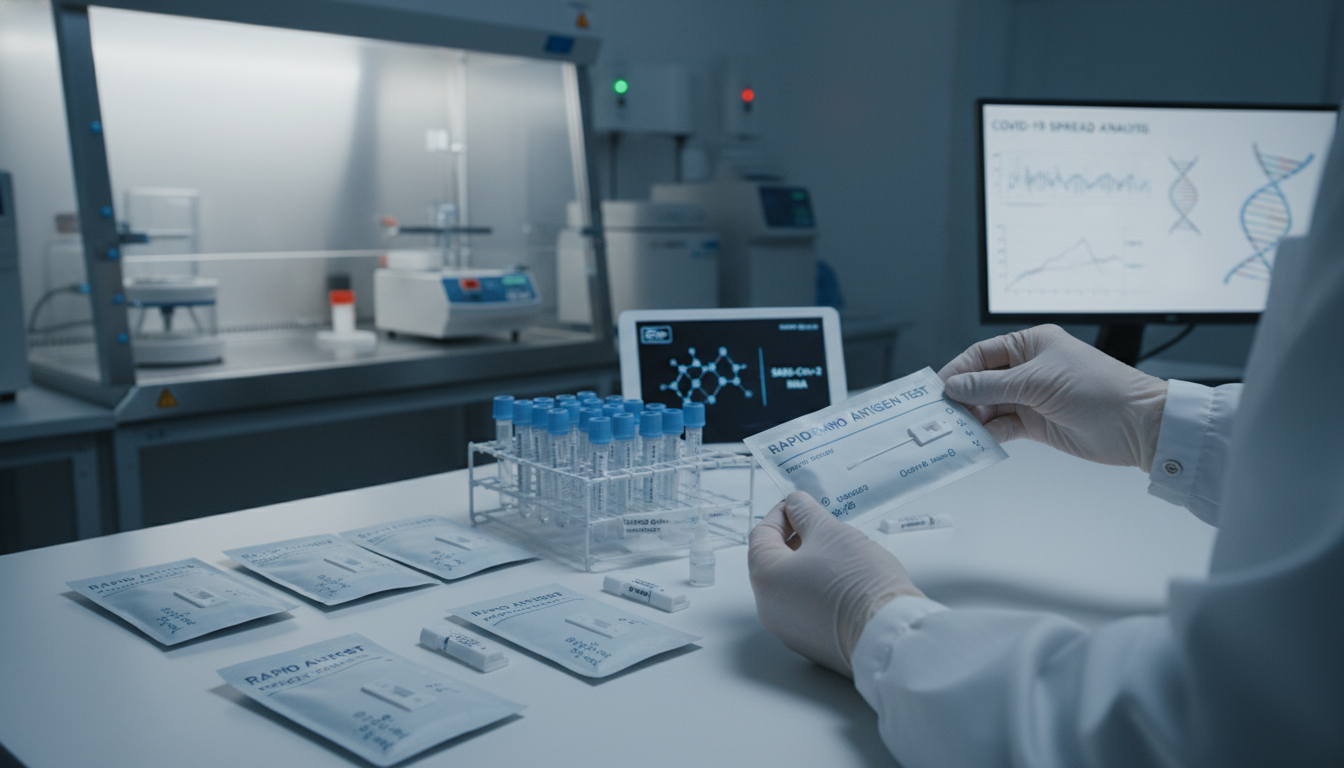
Over one billion COVID-19 tests have been administered across the United States since the pandemic began. This staggering number highlights how vital diagnostic tools have become in our daily lives.
This guide delivers the most current information available. We cover everything from basic concepts to advanced methodologies.
The landscape for viral detection has changed dramatically. Numerous FDA-authorized options now exist for both lab use and at-home scenarios.
We will examine the three main categories: rapid antigen, molecular (PCR), and antibody tests. Each type serves a unique purpose in diagnosis.
You will learn about proper sample collection and how to interpret results accurately. We also explore the latest innovations in home testing technology.
Whether you have symptoms, had an exposure, or need to test for travel, this resource provides clarity. It helps you navigate the process with confidence.
Key Takeaways
- This guide offers up-to-date details on all available COVID-19 testing methods.
- Understanding different test types helps you make informed health decisions.
- The testing landscape has expanded to include many convenient at-home options.
- There are three primary test categories, each with a specific diagnostic role.
- Proper technique for sample collection is crucial for accurate results.
- Learn when to use each kind of test based on symptoms and exposure history.
- All information is based on current FDA and leading health organization guidelines.
Introduction to SARS-CoV-2 Testing
Diagnostic checks play a vital role in managing public health. They help identify infection quickly and guide personal and community actions.
Getting a diagnosis soon after symptoms start is crucial. It leads to the most accurate results. Early care can then begin before a person’s condition becomes more serious.
The Importance of Early Detection
Finding an infection early helps stop its spread. People who know they are positive can isolate right away. This protects family, friends, and coworkers during the most contagious time.
Prompt action based on a positive result is a powerful tool. It significantly reduces transmission chains. This is especially important for protecting vulnerable groups in our communities.
Testing Trends in the United States
The availability of checks has grown dramatically since 2020. Options now include drive-through sites and at-home kits found in local pharmacies.
The trend is toward rapid options that give results in minutes. This speed allows for immediate decisions about isolation and treatment. It contrasts with older methods that took days.
Healthcare providers suggest a check when symptoms appear or after exposure. It is also recommended before visiting high-risk individuals or for travel needs.
| Scenario | Recommended Time to Test | Primary Benefit |
|---|---|---|
| Onset of Symptoms | Within 1-3 days | Highest accuracy for diagnosis |
| Known Exposure | 5 days after exposure | Catches infection before symptoms |
| Asymptomatic Screening | Before event/travel | Prevents silent transmission |
Understanding SARS-CoV-2 tests
Before selecting a diagnostic method, it’s helpful to understand what each test measures. The main categories serve different purposes in identifying an infection.
Defining Key Testing Concepts
Authorized diagnostics fall into three primary groups. Each one looks for a specific sign of the virus or your body’s reaction to it.
- Antigen tests hunt for specific viral proteins. A positive result indicates the presence of the virus at the time of the sample collection.
- Molecular tests are highly sensitive. They detect tiny pieces of the virus’s genetic material.
- Antibody tests are different. They measure your immune system’s response to a past infection.
This fundamental difference is critical. Antigen and molecular methods diagnose an active case. The antibody check reveals a previous encounter.
The goal of testing is accurate detection. Knowing which test to use and when leads to the most reliable outcome. Proper collection of samples is the first step toward a trustworthy result.
Types of COVID-19 Tests: Antigen, Molecular, and Antibody
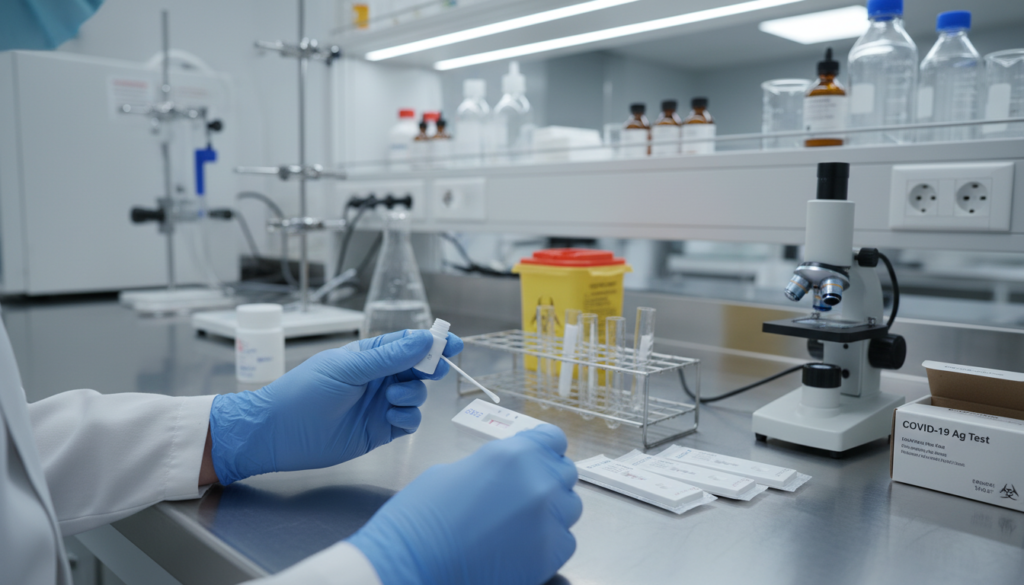
Antigen, molecular, and antibody diagnostics serve different purposes, from rapid screening to confirming past exposure. Understanding their unique roles helps you select the right tool for your situation.
Rapid Antigen Test Overview
This method offers the fastest path to a result, often in 15-30 minutes. It works by detecting specific viral proteins, like the nucleocapsid protein, during an active infection.
The antigen test is most accurate when viral load is high. This is typically in the first few days after symptoms start. A positive result confirms the presence of the virus.
These FDA-authorized options trade some sensitivity for speed. They are excellent for quick screening but may miss early or late infections.
Molecular (PCR) Test Procedures
Molecular methods, like PCR, are the gold standard for detection. They find tiny amounts of viral genetic material in respiratory samples.
This process requires specialized laboratory equipment. It amplifies the virus’s genetic signature to confirm an infection with high certainty. The trade-off is a longer wait for results.
Insights into Antibody Testing
Antibody tests look for your body’s immune response. They do not diagnose a current illness. Instead, they indicate a past encounter with the virus.
These tests are not suitable for immediate diagnosis. Antibodies develop days or weeks after the initial infection. For current diagnosis or convenient mobile testing services, antigen or molecular methods are recommended.
Guide to At-Home Testing and Sample Collection
The rise of self-administered diagnostic tools represents a major shift in healthcare accessibility for everyday consumers. These convenient options eliminate laboratory visits while providing reliable health information.
Step-by-Step Home Test Process
Most home testing kits follow a straightforward four-step procedure. The entire process typically takes just 15-30 minutes from start to finish.
First, users collect a nasal sample using the provided swab. Next, they mix the sample with an extraction solution. Then, they apply drops to the test device. Finally, they wait for clear visual results to appear.
Proper Nasal Swab Techniques
Correct swab collection is crucial for accurate results. Insert the swab about half an inch into the nostril. Gently rotate it five times against the nasal wall.
Repeat this process in the other nostril using the same swab. This technique ensures sufficient sample collection without causing discomfort.
Following proper steps guarantees the most reliable outcome from your home test. Always read the specific instructions included with your kit.
| Testing Scenario | Recommended Protocol | Timeline |
|---|---|---|
| Symptomatic Individuals | Two tests over three days | Days 1 and 3 |
| Asymptomatic Screening | Three tests over five days | Days 1, 3, and 5 |
| Post-Exposure | Single test at day 5 | One time use |
Ensuring Test Accuracy and Interpreting Results
When you receive your test results, proper understanding can guide your next health decisions effectively. The reliability of any diagnostic outcome depends on several key factors that work together.
Understanding Accuracy and Limitations
Test accuracy depends on proper timing relative to symptom onset. Viral loads peak within the first 5-7 days after symptoms begin. This is when antigen methods perform best.
Correct sample collection technique is equally crucial. Inadequate swabbing can yield insufficient material for detection. Always follow manufacturer instructions precisely.
Interpreting Positive and Negative Outcomes
A positive result on rapid antigen testing is highly reliable. False positives are rare, so confirmation with molecular methods is generally unnecessary.
However, a negative result doesn’t completely rule out infection. Viral levels might be below the test’s detection threshold. People who receive negative results but continue experiencing symptoms should consider retesting in 24-48 hours.
Understanding that nasal issues like a bloody nose can affect your test helps with proper interpretation. Always consider your symptoms, exposure history, and local prevalence rates when evaluating your diagnosis.
Innovations and Advancements in At-Home Test Kits
The landscape of at-home diagnostic tools continues to evolve rapidly with significant regulatory advancements. The FDA’s emergency use authorization process has been crucial for this progress.
Recent Developments in Emergency Use Authorization
Manufacturers have introduced multiplex options that detect multiple illnesses simultaneously. These innovations help people distinguish between conditions with similar symptoms.
Shelf life improvements represent another major advancement. Many products now offer 18-24 months of stability compared to earlier versions.
Molecular home tests bring laboratory-quality accuracy to consumers. These typically require specialized reader devices but provide superior detection.
| Innovation Type | Key Benefit | User Impact |
|---|---|---|
| Multiplex Testing | Simultaneous detection | Faster differential diagnosis |
| Extended Expiration | Reduced waste | Better accessibility |
| Molecular Home Tests | Higher accuracy | Lab-quality results at home |
| User Experience Design | Simpler instructions | Easier proper use |
Testing protocols have been refined based on real-world data. Current recommendations emphasize serial testing over multiple days for optimal accuracy.
The FDA continues to review new applications under emergency use authorization. This ensures ongoing innovation while maintaining safety standards for all consumers.
Conclusion
Today’s testing landscape offers unprecedented options for managing respiratory health. Understanding when to use each type of test empowers people to make informed decisions about their care.
Proper timing relative to symptoms and following serial testing protocols over several days ensures accurate results. Recent research confirms that combining different diagnostic approaches, as detailed in this comprehensive analysis, enhances overall detection accuracy.
As COVID-19 continues to evolve, reliable testing remains essential for protecting vulnerable populations. This information helps individuals navigate their health choices with confidence.