

Ever wake up to find your fingertips gone? That strange tingling or lack of feeling can be scary. Many people face this symptom without knowing what to do.
Fingertip numbness can come from simple things like sleeping wrong or serious health issues. Your fingertips have thousands of nerve endings. When these nerves get hurt or don’t get enough blood, you lose feeling.
Most numbness in fingertips is temporary and not serious. Cold weather or holding your phone too long can cause it. But if numbness lasts for days or weeks, it might be a sign of something serious.
Figuring out why your fingertips are numb starts with noticing patterns. Does numbness happen at certain times? Are both hands affected the same? Do you feel weakness or pain too?
These details help doctors find the cause and treat it. They can then create a plan to help you.
Key Takeaways
- Numbness means a partial or complete loss of sensation in your fingertips
- Common causes include nerve compression, poor blood flow, and various medical conditions
- Temporary numbness from awkward positions or cold weather is usually harmless
- Persistent numbness lasting several days requires medical evaluation
- Early diagnosis and treatment can prevent permanent nerve damage
- Simple lifestyle changes often resolve minor numbness issues
Understanding Numbness in Fingertips
Numbness in your fingertips can be unsettling and disrupt daily life. It happens when nerve signals between your fingers and brain are disrupted or blocked. Knowing what numbness means and its related symptoms is key to knowing when to seek medical help.
What Does Numbness Mean?
Numbness is when you lose feeling in part of your body. In your fingertips, it might mean you feel less touch, temperature, or pressure. This is because nerves that send sensory info aren’t working right. Doctors call this paresthesia, which can be mild or severe.
Common Symptoms Associated with Numbness
Those with numb fingertips often notice other symptoms too. These signs help doctors find the cause and the right treatment.
| Symptom Type | Description | Frequency |
|---|---|---|
| Tingling in hands and fingers | Pins-and-needles sensation | Very Common |
| Burning sensation | Feeling of heat without actual warmth | Common |
| Muscle weakness | Difficulty gripping objects | Moderate |
| Sharp pain | Sudden stabbing feelings | Variable |
| Poor coordination | Dropping items or fumbling | Common |
These symptoms can come on slowly or suddenly. Some feel tingling at night or after doing the same thing over and over. Others have numbness all the time, making simple tasks hard.
Possible Causes of Numbness
Fingertip numbness can come from many sources. These include nerve or blood vessel problems. Knowing the cause helps find the right treatment.
Nerve Compression or Damage
Nerve compression occurs when tissues press on nerves. A pinched nerve in the wrist can happen from injuries or cysts. This pressure stops normal nerve signals, causing numbness or tingling.
Poor Circulation Issues
Blood flow issues stop oxygen from reaching fingertips. Raynaud’s phenomenon is a common problem. It limits blood flow to fingers in cold or stressful times. Your fingers might turn white or blue before feeling numb.
Medical Conditions to Consider
Many health issues can cause fingertip numbness:
| Condition | How It Causes Numbness | Primary Symptoms |
|---|---|---|
| Peripheral Neuropathy | Damages peripheral nerves | Tingling, burning sensation |
| Hypothyroidism | Slows nerve signal transmission | Fatigue, cold sensitivity |
| Vitamin B12 Deficiency | Impairs nerve coating production | Weakness, memory problems |
The American Society for Surgery of the Hand says carpal tunnel syndrome is the top cause of finger numbness in adults. Early diagnosis is key for effective treatment.
Carpal Tunnel Syndrome Explained
Many people wake up with tingling or numb hands without understanding the reason. Carpal tunnel syndrome affects millions of Americans and is one of the most common nerve disorders. It happens when pressure builds on the median nerve as it travels through your wrist.
The carpal tunnel is a narrow passageway at the base of your hand. It’s formed by bones and ligaments.
What is Carpal Tunnel Syndrome?
The median nerve runs from your forearm through the carpal tunnel in your wrist. It controls movement and feeling in your thumb and first three fingers. When tissues around the tunnel swell or thicken, they squeeze the median nerve.
This compression triggers numbness in fingers when sleeping and other uncomfortable sensations throughout the day.
Symptoms and Risk Factors
People with carpal tunnel syndrome often notice specific patterns in their symptoms. The condition typically affects the thumb, index, middle, and part of the ring finger. Many experience worse symptoms at night when wrist position increases pressure on the nerve.
| Common Symptoms | Risk Factors |
|---|---|
| Tingling in fingers | Repetitive hand motions |
| Hand weakness | Wrist injuries |
| Dropping objects | Rheumatoid arthritis |
| Pain radiating up arm | Pregnancy |
| Burning sensation | Diabetes |
Treatment Options Available
Early treatment helps prevent permanent nerve damage. Doctors start with conservative approaches before considering surgery. Wrist splints worn at night keep your wrist straight and reduce numbness in fingers when sleeping.
Workplace adjustments like ergonomic keyboards and mouse pads reduce daily strain. Anti-inflammatory medications and corticosteroid injections provide temporary relief for many patients. Severe cases may require carpal tunnel release surgery to create more space for the nerve.
Diabetes and Numbness Connection
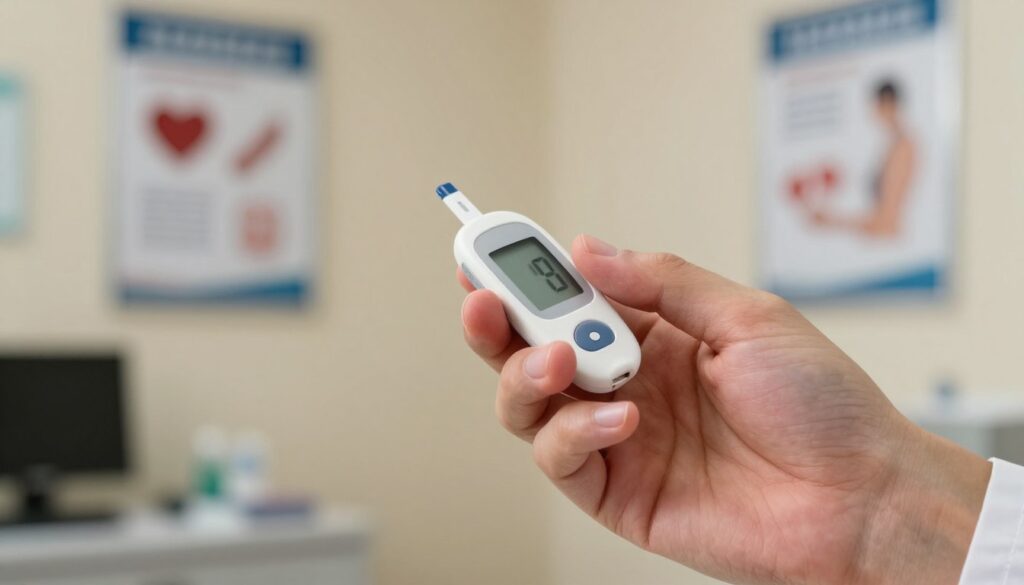
Diabetes can harm your nervous system over time. High blood sugar damages nerve fibers in your body. This damage starts in small blood vessels, causing diabetic neuropathy.
How Diabetes Affects Nerve Health
High blood sugar is bad for nerve cells. It changes chemicals and damages the nerve’s protective coating, called myelin. Without this, nerves can’t send signals to your brain. This is why people with diabetes often ask why are my fingertips numb.
The damage usually starts in the longest nerves. This is why feet and hands are often affected first.
Recognizing Diabetic Neuropathy Symptoms
Spotting peripheral neuropathy symptoms early is key. Look out for these signs:
- Tingling or burning in fingers and toes
- Sharp pains that get worse at night
- Muscle weakness in hands or feet
- Loss of balance or coordination
- Can’t feel temperature changes well
- Slower reflexes when touching things
While nerve damage from diabetes can’t be reversed, managing blood sugar can slow it down. Medicines like gabapentin and duloxetine help with peripheral neuropathy symptoms. It’s important to keep your blood sugar in check and work with your healthcare team.
Multiple Sclerosis and Tingling Sensation
Multiple sclerosis (MS) affects the central nervous system. It can cause various sensory problems in the body. People with MS often feel tingling in their hands and fingers early on. This condition damages the protective covering of nerve fibers, disrupting communication between the brain and body parts.
Understanding MS Symptoms
The tingling from MS is different from temporary numbness. Many patients say it feels like *pins and needles* or like their hands are always falling asleep. These sensations can make simple tasks hard:
- Writing or typing becomes difficult
- Buttoning clothes takes extra effort
- Holding small objects feels awkward
- Gripping items firmly proves challenging
MS-related numbness in fingertips can change throughout the day. Some people notice symptoms get worse with heat or stress. The tingling may start in one hand before spreading to both or affecting other parts of the body.
When to Seek Medical Advice
Certain warning signs need immediate medical attention. If numbness appears suddenly or after a head injury, contact your doctor or visit the emergency room. Watch for these serious symptoms alongside tingling in hands and fingers:
- Muscle weakness or paralysis
- Difficulty speaking or understanding speech
- Severe headache with no known cause
- Dizziness or loss of balance
- Vision problems or double vision
Early diagnosis is key for MS patients. Neurologists use MRI scans, spinal taps, and nerve conduction studies to confirm the diagnosis and rule out other causes of fingertip numbness.
Vitamin Deficiencies That May Cause Numbness
Your diet is key to keeping your nerves healthy. If you wonder “why are my fingertips numb,” it could be because of what you eat. Lack of certain vitamins can harm your nerves, leading to tingling in your hands and feet. The National Institute of Neurological Disorders and Stroke says these vitamin gaps can cause nerve damage.
Importance of Vitamin B12
Vitamin B12 is a big player in preventing finger tingling. It helps keep the myelin sheath around your nerves healthy. Without enough B12, your nerves can’t send signals well. Vegans, older adults, and those with digestive issues are at higher risk.
Symptoms often start in your fingertips and toes. They can then spread to other parts of your body.
Role of Other Essential Vitamins
Other vitamins are also important for nerve health. Vitamin B1 (thiamine) helps with nerve signal transmission. You can find it in foods like macadamia nuts, pork, and whole grains.
Vitamins B6 and E protect nerves from harm. Folate helps create new nerve cells. These vitamins work together to keep your nerves in top shape.
| Vitamin | Daily Requirement | Food Sources |
|---|---|---|
| B12 | 2.4 mcg | Salmon, eggs, milk |
| B1 | 1.2 mg | Macadamia nuts, beans |
| B6 | 1.3 mg | Chickpeas, tuna |
| Vitamin E | 15 mg | Almonds, spinach |
Treatment often involves changing your diet or taking supplements. The time it takes to recover depends on how severe the deficiency is.
Anxiety and Stress Effects on Numbness
Stress and anxiety can cause physical symptoms, like numbness in your fingertips. When you’re worried or under pressure, your body reacts. This can make your fingers feel numb or tingle.
How Stress Influences Nerve Function
Stress makes your body release hormones that change blood flow. This can lead to Raynaud’s phenomenon, where blood vessels in your fingers get too narrow. Cold and stress can make these symptoms worse.
Your nervous system works too hard when you’re anxious. It sends blood to important organs instead of your fingers. Stress-related numbness is common in people under 40.
Coping Mechanisms to Minimize Numbness
There are ways to lessen numbness caused by stress:
- Practice deep breathing exercises for 10 minutes daily
- Engage in regular physical activity like walking or yoga
- Try progressive muscle relaxation before bedtime
- Consider cognitive behavioral therapy with a licensed therapist
- Maintain consistent sleep schedules
Managing Raynaud’s phenomenon needs stress reduction and lifestyle changes. Wearing warm gloves and avoiding caffeine can help. Mindfulness meditation also reduces numbness episodes. Acupuncture or biofeedback training can help regulate stress response.
Repetitive Strain Injuries
Daily tasks like typing, scrolling on phones, and doing manual work can cause repetitive strain injuries (RSI). These injuries happen when the same actions stress certain muscles and nerves over time. A common injury is carpal tunnel syndrome, affecting many office workers and manual laborers in the U.S.
Identifying Repetitive Movements
Spotting harmful repetitive actions is key to avoiding nerve damage. Activities that might harm your wrist include:
- Typing for long periods without wrist support
- Using a computer mouse with bent wrists
- Doing assembly line work that requires constant hand movements
- Playing musical instruments without the right technique
- Texting or gaming on mobile devices for hours
These actions put constant pressure on the median nerve in your wrist. When this nerve gets inflamed, it can lead to carpal tunnel syndrome. Symptoms include tingling, numbness, and weakness in your fingers.
Preventative Measures
Making a few changes to your daily routine can lower your risk of a pinched nerve in your wrist:
- Take 5-minute breaks every 30 minutes when typing
- Keep wrists straight and neutral while working
- Use ergonomic keyboards and mouse pads with wrist support
- Stretch your hands and fingers regularly throughout the day
- Alternate between different tasks to avoid overusing specific muscle groups
Physical therapy can teach you how to move correctly and strengthen muscles. Occupational therapists suggest making changes to your workspace. These can help prevent carpal tunnel syndrome or make it less severe.
Lifestyle Factors Contributing to Numbness
Your daily habits and routines greatly affect nerve health. Many people wonder why their fingertips feel numb after long work days or inactive periods. Simple lifestyle choices can compress nerves and reduce blood flow to your hands. This creates uncomfortable sensations that can interfere with daily activities.
Poor Posture and Its Impact
Slouching at your desk can compress nerves in your neck and shoulders. This compression travels down your arms, causing numbness in fingers when sleeping or working. Your spine needs proper alignment to protect nerve pathways.
- Hunching forward over keyboards
- Craning neck toward computer screens
- Rounding shoulders while typing
- Crossing legs under desks
Ergonomic workstations can make a big difference. Adjusting your chair height, monitor position, and keyboard placement relieves nerve pressure. Standing desks from companies like Herman Miller or Uplift Desk encourage better alignment throughout the day.
Sedentary Lifestyle Effects
Sitting for hours restricts blood circulation to extremities. Weight gain from inactivity adds pressure on nerves, specially in wrists and hands. Studies show that people who sit more than eight hours daily experience increased numbness in fingers when sleeping.
Breaking up sitting time helps restore proper circulation. Set hourly reminders to stand, stretch, and walk around your office or home. Even five-minute movement breaks improve blood flow and reduce nerve compression symptoms.
When to Consult a Doctor
Tingling in hands and fingers can be a minor issue or a serious problem. Knowing when to see a doctor is key. It helps get the right treatment and avoid bigger issues.
Signs You Should Seek Medical Attention
Call your doctor fast if numbness shows up suddenly or spreads fast. If numbness lasts more than a few days, it’s time to see a doctor. Get emergency care if numbness happens after a head injury or with:
- Weakness or paralysis in any body part
- Confusion or trouble speaking clearly
- Severe headache that starts suddenly
- Vision problems or dizziness
- Loss of bladder or bowel control
Types of Specialists to Consider
Your primary care doctor can check your symptoms first and send you to specialists. Different doctors handle different reasons for tingling in hands and fingers:
| Specialist Type | Conditions They Treat | When to See Them |
|---|---|---|
| Neurologist | Peripheral neuropathy, MS, nerve damage | Persistent numbness, nerve pain |
| Orthopedic Hand Surgeon | Carpal tunnel, nerve compression | Structural hand problems |
| Endocrinologist | Diabetic neuropathy, thyroid issues | Blood sugar related numbness |
| Rheumatologist | Arthritis, autoimmune disorders | Joint pain with numbness |
Seeing a doctor early can help a lot. Don’t delay if symptoms get worse or bother you every day.
Diagnostic Tests for Numbness
Doctors use specific tests when numbness in your fingertips doesn’t go away. These tests help find out if it’s nerve damage, circulation issues, or a lack of nutrients. Knowing what tests you might need helps you get ready for your doctor’s visit and ask the right questions.
Common Procedures and What to Expect
Your doctor will start with blood tests to check for fingertip numbness causes like diabetes or thyroid problems. These tests look for vitamin B12 deficiency numbness, iron levels, and signs of inflammation. Nerve conduction studies measure how fast electrical signals travel through your nerves.
During this test, small electrodes placed on your skin send mild electrical pulses. This checks how well your nerves are working.
Imaging tests like X-rays, MRI scans, or ultrasounds show structural problems that might be pressing on nerves. Electromyography (EMG) tests examine muscle electrical activity to detect nerve damage patterns.
| Test Type | Purpose | Duration |
|---|---|---|
| Blood Tests | Check vitamin levels, diabetes markers | 5-10 minutes |
| Nerve Conduction Study | Measure nerve signal speed | 30-60 minutes |
| MRI Scan | View soft tissue and nerve compression | 45-90 minutes |
| EMG Test | Assess muscle and nerve function | 30-45 minutes |
Importance of Medical History
Your medical history is very important. It helps doctors understand if you might have vitamin B12 deficiency numbness or other conditions. They ask about your medications, past injuries, and family health.
They also want to know when and how long you’ve had numbness. Knowing what makes it better or worse helps them choose the right tests. Patients getting chemotherapy need special care because some medicines can harm nerves.
Treatment Options for Numb Fingertips

When fingertips lose feeling, finding the right treatment is key. It can bring back normal sensation and stop nerve damage. The treatment depends on the cause, from simple lifestyle changes to medical steps. Most carpal tunnel syndrome and pinched nerve cases get better with non-surgical treatments before surgery is needed.
Non-Invasive Approaches
Many find relief without surgery by addressing nerve compression. Physical therapy can stretch tight muscles and ease nerve pressure. Occupational therapists also help by teaching how to position hands during daily tasks to avoid more damage.
- Wrist splints worn at night to keep hands in neutral position
- Anti-inflammatory medications like ibuprofen or naproxen
- Ergonomic keyboards and mouse pads for office workers
- Regular breaks from repetitive hand movements
- Gentle stretching exercises every few hours
For a pinched nerve in wrist, doctors often suggest vitamin B supplements and corticosteroid injections. These help reduce inflammation. Starting these treatments early is best to avoid permanent nerve damage.
Surgical Interventions If Necessary
Surgery is considered when other treatments don’t work after a few months. Carpal tunnel release surgery cuts the ligament to give the median nerve more room. Most patients see big improvements within weeks after surgery.
Endoscopic surgery uses smaller cuts and usually means a quicker recovery than traditional surgery.
Preventing Numbness in Fingertips
Preventing numbness in your fingertips can save you from discomfort and nerve damage. Simple daily habits can greatly help keep your nerves healthy. If you have conditions like Raynaud’s phenomenon, you need to focus more on your circulation and nerve health.
The right prevention strategies depend on your risk factors and current health status. It’s important to take action early to avoid problems later.
Tips for Maintaining Healthy Nerves
Your diet is key to nerve health. Foods like salmon, eggs, and dairy products are rich in vitamin B12, which protects your nerves. Vitamin B1 in whole grains and lean meats also supports nerve function.
If you have diabetes, keeping your blood sugar levels stable is vital to prevent nerve damage. Limiting alcohol intake helps avoid alcoholic polyneuropathy, a condition that damages nerves.
Lifestyle Changes to Consider
Regular exercise boosts blood flow and reduces numbness in fingers. Taking breaks every 30 minutes while using computers or smartphones helps your hands and wrists recover. Keep your wrists straight while typing or sleeping to avoid nerve compression.
Managing stress through activities like yoga or meditation can also help. Maintaining a healthy weight reduces pressure on nerves in your arms and hands. Using ergonomic tools at work and adjusting your desk height prevents repetitive strain injuries that lead to numbness.