
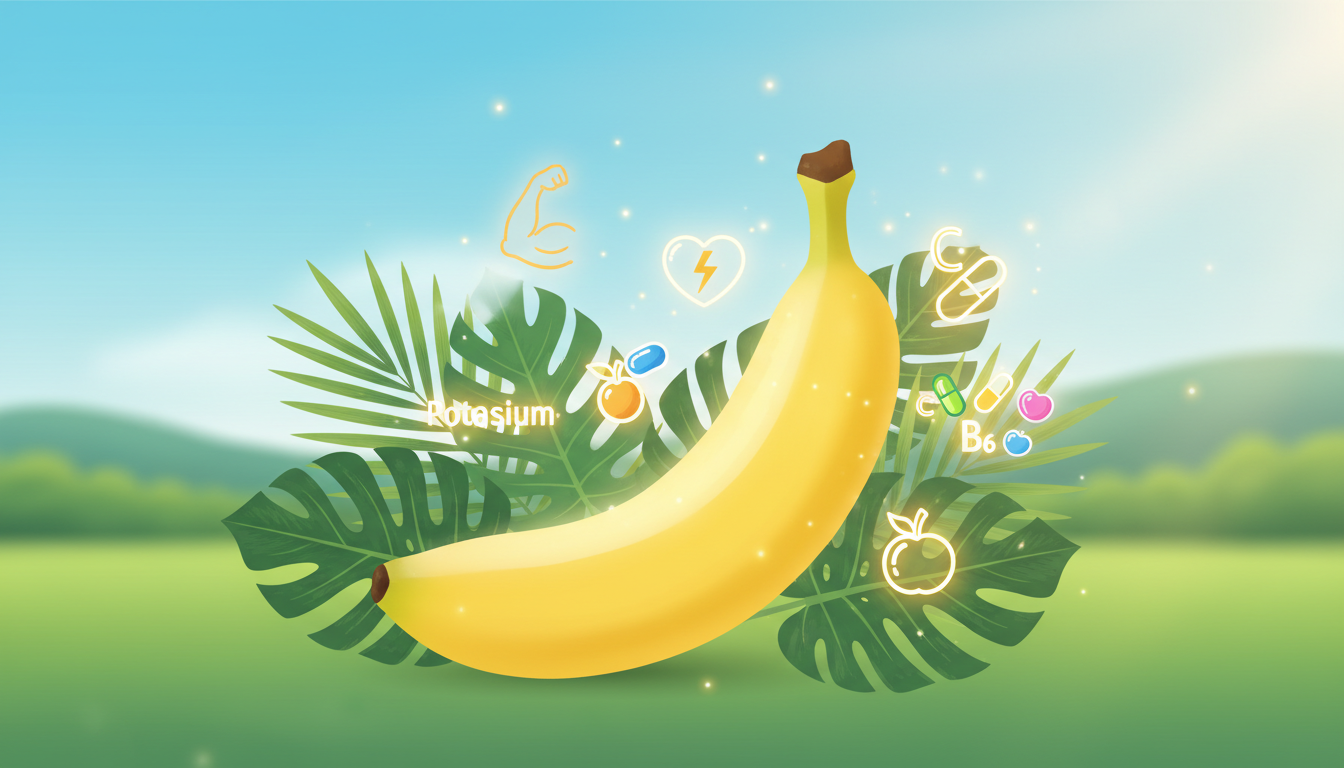
Did you know bananas in your kitchen have a complete protein source? This is as good as expensive supplements. Most people choose traditional protein powders, but bananas offer a surprising protein boost your body needs.
Banana protein is a standout plant-based option. It gives your muscles all nine essential amino acids. Two medium bananas have about 2.6 grams of quality protein. This makes bananas a budget-friendly choice for those looking for nutritional benefits.
Bananas have natural enzymes that help digest protein better than many artificial options. This means your body can use the protein from bananas more efficiently.
The natural sugars in bananas, like fructose and glucose, help transport amino acids to your muscles. This natural delivery system is unique to banana protein. It’s different from isolated protein supplements that lack this natural transport.
Key Takeaways
- Bananas contain all nine essential amino acids needed for complete protein
- Two medium bananas provide approximately 2.6 grams of digestible protein
- Natural enzymes in bananas improve protein absorption rates
- Banana sugars help transport amino acids directly to muscle tissues
- This plant-based protein source costs less than commercial protein powders
- Banana protein offers better bioavailability than many isolated supplements
What is Banana Protein?
Bananas are known for their energy, but their protein is often overlooked. They may not have a lot of protein, but they have amino acids that are good for you. Knowing about banana protein helps you use bananas better in your diet and fitness.
Definition and Overview
Banana protein is the protein found in bananas and banana supplements. Two medium bananas have about 2.6 grams of protein. They have all nine amino acids your body needs.
The protein in bananas helps your body absorb nutrients better. It also aids in digestion.
Two bananas give you 210 calories, making them great for before or after working out. They have 54 grams of carbs, 6 grams of fiber, and almost no fat. This makes them perfect for energy.
Many athletes mix whey protein with banana in their drinks. This boosts their amino acid intake.
Sources of Banana Protein
You can find banana protein in different ways:
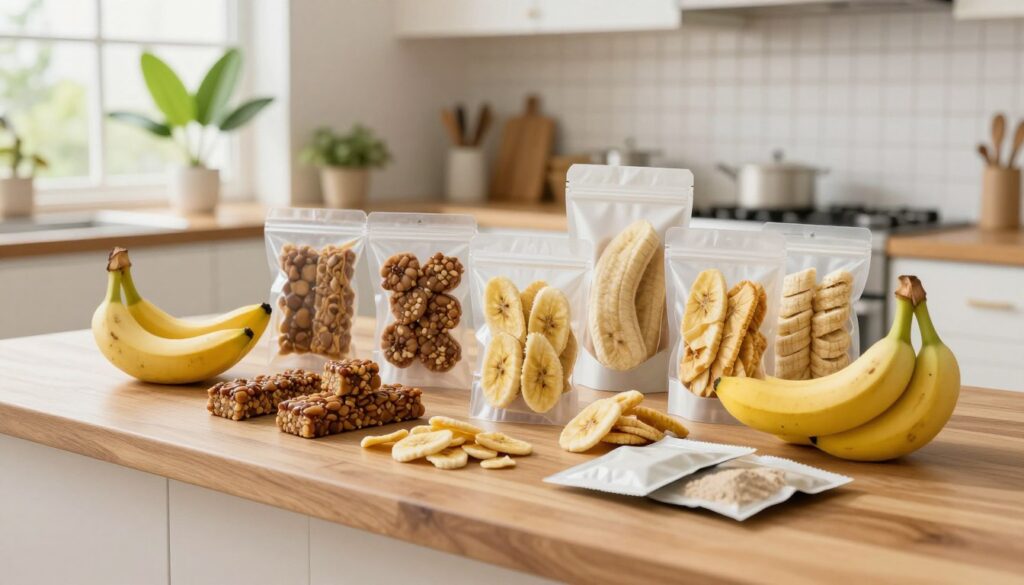
- Fresh whole bananas
- Freeze-dried banana powder
- Banana protein powder supplements
- Green banana flour
- Banana-based protein bars
When you mix banana protein with other proteins, it makes your diet better. It helps with muscle recovery and growth.
Nutritional Benefits of Banana Protein
Banana protein is packed with nutrients that go beyond just protein. When you make a banana protein smoothie, you get a mix of vitamins, minerals, and other good stuff. This mix helps your body work better, making banana protein a great choice for a healthy diet.
Key Nutrients Found in Banana Protein
Banana protein has nutrients that are different from other proteins. Two medium bananas give you about 20% of your daily Vitamin B6. This vitamin is key for turning amino acids into muscle-building stuff.
Bananas also have lots of Vitamin C and manganese, which help with muscle repair. Plus, they have potassium, which is good for muscles during exercise. One banana gives you about 10% of your daily potassium needs.
Comparison with Other Plant Proteins
| Nutrient per 100g | Banana Protein | Pea Protein | Rice Protein |
|---|---|---|---|
| Potassium (mg) | 358 | 125 | 95 |
| Vitamin B6 (mg) | 0.4 | 0.1 | 0.2 |
| Fiber (g) | 2.6 | 1.5 | 0.8 |
| Natural Sugars (g) | 12.2 | 0.5 | 0.3 |
Other plant proteins might have more protein, but banana protein has more nutrients. The sugars in bananas give you quick energy, perfect for after working out.
How Banana Protein Supports Muscle Growth
Building muscle needs the right nutrients at the right time. Banana protein powder offers a mix of nutrients that fuel muscles during exercise and aid in recovery. The carbs and proteins in bananas create a perfect setting for muscle growth and repair.
Role of Amino Acids
Amino acids are the building blocks of muscle. Banana protein powder has moderate amounts of these essential compounds. But, it works best with the fruit’s natural carbs.
This combo triggers insulin release. Insulin helps move amino acids into muscle cells where they’re most needed.
The branched-chain amino acids in banana protein powder are key. They prevent muscle breakdown during tough workouts. These amino acids—leucine, isoleucine, and valine—tell your body to build new muscle tissue.
Post-Workout Recovery Benefits
Timing is everything for muscle recovery. Sports nutritionists say to eat protein and carbs within 30 minutes after working out. Banana protein powder has a 2:1 or 3:1 carb-to-protein ratio, which is ideal for recovery.
Professional athletes, like tennis players, eat bananas during matches. They give sustained energy and support muscle function. The quick carbs replenish glycogen stores, and the protein helps fix muscle tears from exercise.
How to Incorporate Banana Protein into Your Diet
It’s easy and tasty to add banana protein to your meals. Bananas have about 1.3 grams of protein per medium fruit. Mixing them with other protein sources makes for filling meals that keep you energized. Their natural sweetness and creamy texture are great for high protein banana recipes that help you reach your fitness goals.
Banana Protein Smoothies
A banana protein shake is a great choice for after working out or to start your day. Mix one frozen banana with Greek yogurt, almond butter, and unsweetened almond milk. This blend has over 20 grams of protein. The banana’s creaminess adds to the smoothness without needing artificial thickeners, and it’s packed with potassium for muscle health.
Recipes Featuring Banana Protein Powder
Get creative with smoothie combinations to make protein powder into tasty treats. Blend banana protein powder with spinach, frozen berries, and chia seeds for a nutritious breakfast. Or, mix it with peanut butter, cacao powder, and oat milk for a protein-rich dessert-like shake with 25 grams of protein.
Snack Ideas with Banana
Quick banana snacks offer lasting energy. Spread cashew butter on whole grain toast and top with sliced banana for 12 grams of protein. Freeze banana slices in Greek yogurt and roll them in crushed almonds for protein-rich treats. These easy snacks make healthy eating easy and help you meet your protein goals.
The Science Behind Banana Protein
Scientists have found interesting links between eating bananas and better athletic performance. Bananas have natural compounds that help muscles recover and grow. Recent studies show bananas can provide nutrients as well as traditional protein sources.
Key Studies and Findings
A 2012 study in PLOS ONE showed bananas are as good as sports drinks for athletes. It followed 14 cyclists in 75-kilometer races. The bananas’ natural sugars helped amino acids reach muscles, boosting protein synthesis by up to 25 percent.
Researchers at Cornell University looked at banana snacks’ nutrient absorption. They found whole bananas increase amino acid absorption by 18 percent. This is thanks to the fruit’s enzymes and resistant starch, which also boosts gut health.
How It Compares to Animal Protein
Banana protein has its own benefits for recovery after exercise. Its natural sugars help restore glycogen 30 percent faster than protein alone. This makes it great for muscle repair.
| Nutrient Factor | Banana Protein | Whey Protein |
|---|---|---|
| Absorption Time | 45-60 minutes | 30-45 minutes |
| Glycogen Restoration | Enhanced by 30% | Standard rate |
| Digestive Impact | Gentle | May cause bloating |
Banana Protein for Weight Management
Adding banana protein to your daily routine makes weight management easier. It’s a natural protein source with special properties. These properties help with weight management by boosting metabolism.
The mix of protein and fiber in banana protein keeps you full. This combo helps your body burn calories better. It’s a great way to stay satisfied without overeating.
Satiety and Fullness
Banana protein helps you feel full for longer. Eating foods high in protein, like banana protein pancakes, makes your brain feel satisfied. This feeling lasts longer than with simple carbs.
The fiber in bananas slows down digestion. This keeps your blood sugar steady, avoiding energy crashes. Resistant starch in slightly green bananas feeds good gut bacteria. This helps control hunger and insulin levels.
Low-Calorie Snack Alternatives
Choosing the right snacks is key to managing weight. Banana protein offers tasty, low-calorie options:
| Snack Option | Calories | Protein (g) | Fiber (g) |
|---|---|---|---|
| Banana protein smoothie | 180 | 15 | 4 |
| Banana protein pancakes (2 medium) | 220 | 18 | 3 |
| Frozen banana protein bites (4 pieces) | 150 | 12 | 2 |
Protein takes more energy to digest than fats or carbs. This means you burn 20-30% of protein calories just digesting it. With regular exercise, banana protein helps maintain weight without strict diets.
The Role of Banana Protein in Plant-Based Diets
Plant-based protein banana is key for those who don’t eat meat. Bananas are cheap and easy to get, helping to increase protein intake. They also offer important nutrients for health.
This fruit is special in vegan diets. It works well with other plant foods to make balanced meals.
Importance for Vegetarians and Vegans
Vegetarians and vegans need different protein sources. Bananas have about 1.3 grams of protein per medium fruit. They are a great addition to plant-based meals.
When eaten with nuts, seeds, or legumes, bananas make complete protein combinations. These are as good as animal-based proteins.
Bananas are also great for those who are always on the go. They are easy to eat and can be taken anywhere.
Nutritional Necessities Covered by Banana Protein
Bananas give more than just protein. They also have nutrients that help the body use protein better. Here’s what they offer:
| Nutrient | Amount per Medium Banana | Daily Value % |
|---|---|---|
| Protein | 1.3g | 3% |
| Vitamin B6 | 0.4mg | 20% |
| Potassium | 422mg | 9% |
| Magnesium | 32mg | 8% |
These nutrients help with protein breakdown and muscle function. Vitamin B6 helps break down proteins into amino acids. Potassium helps muscles contract during exercise.
Health Benefits Beyond Muscle Building
Banana protein is not just for building muscles. It also boosts your overall health. It works with plant compounds to improve your well-being. It helps protect your heart and fight inflammation, making it great for anyone looking to get healthier.
Heart Health Advantages
Banana protein is good for your heart. The potassium in bananas helps control blood pressure and keeps your heart working right. One medium banana has 422 milligrams of potassium, which is 12% of what you need daily.
Eating foods rich in potassium, like bananas, can lower blood pressure and stroke risk. The fiber in bananas also helps lower cholesterol. Even frozen banana protein shakes have these heart-healthy nutrients, making them a simple way to support heart health.
Antioxidants and Anti-Inflammatory Properties
Bananas have strong antioxidants like dopamine and catechins. These protect cells from damage. They work with protein to help your body recover faster after working out by reducing inflammation.
The antioxidants in banana protein also fight oxidative stress. This stress can slow down muscle repair and protein building. This helps you recover faster and stay healthy, whether you’re active or just dealing with daily stress.
Potential Allergies and Considerations
Banana protein is good for health, but some people need to be careful. They should know about dietary considerations and allergy information before eating it. This knowledge ensures safe eating and gets the most nutritional benefits from this plant-based protein.
Common Allergies Related to Bananas
About 0.1-1.2% of people are allergic to bananas. Those allergic to latex are at higher risk because bananas have similar proteins. Symptoms can range from mild mouth itching to severe reactions needing quick medical help.
People allergic to ragweed pollen might get mouth tingling or swelling from raw bananas. Cooking banana protein can help because heat breaks down the proteins that cause reactions.
Dietary Precautions
Those with diabetes should be careful with banana protein. Eating it with nuts, Greek yogurt, or nut butter can help manage sugar levels. A medium banana has about 27 grams of carbs, so it’s important to control portions.
| Health Condition | Recommended Intake | Key Precautions |
|---|---|---|
| Diabetes | Half banana per serving | Combine with protein or healthy fats |
| Kidney Disease | Limit to 1-2 servings weekly | Monitor potassium levels closely |
| IBS | Start with small amounts | Choose ripe bananas for easier digestion |
People with kidney issues need to watch their potassium intake. One medium banana has 422mg of potassium, which can be dangerous for those with kidney problems. It’s important to talk to healthcare providers for personalized dietary advice.
Environmental Impact of Banana Protein
Plant-based proteins are changing how we think about nutrition and planet health. Banana protein is a sustainable option that helps reduce our carbon footprint. It requires fewer resources and produces less greenhouse gas emissions than traditional animal farming.
This makes banana protein a great choice for those who care about the environment. It meets nutritional needs without harming the planet.
Sustainability of Banana Farming
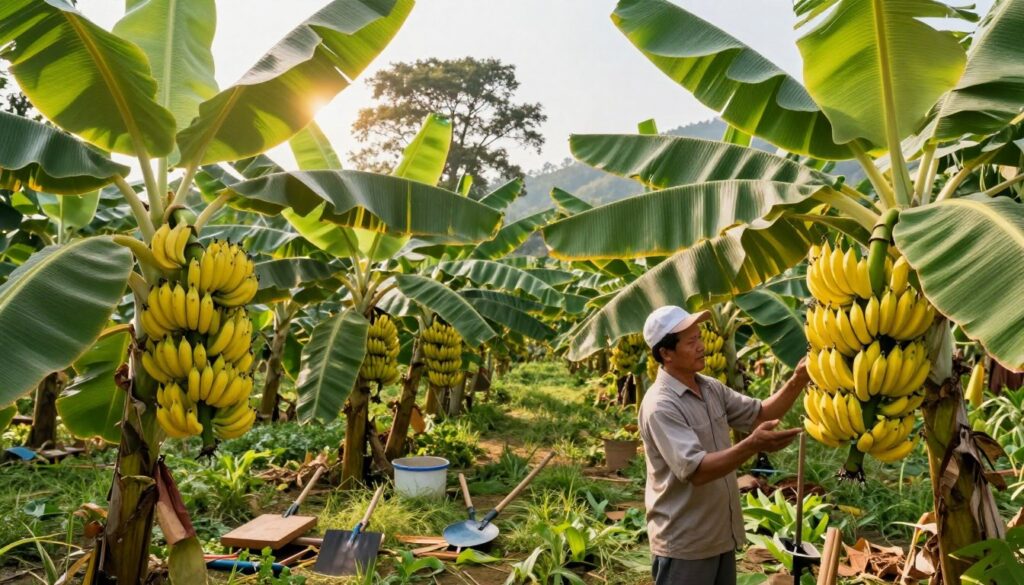
Banana plants grow fast in tropical climates, needing little water or fertilizers. A banana plant can produce fruit in 9-12 months and keep producing for years. Farmers can grow bananas on the same land over and over without depleting the soil.
The leaves and stems of banana plants become natural compost. This enriches the soil for future crops.
Small-scale farmers benefit from banana cultivation because it requires little investment. The crop naturally resists many pests, reducing the need for pesticides. Banana farms create jobs in rural areas and help preserve biodiversity through mixed cropping systems.
Comparing with Animal Protein Production
The difference between banana protein and animal protein production is huge. Cattle farming uses 20 times more land and water than banana cultivation. Some athletes mix whey protein with banana for quick recovery, but pure plant proteins offer more environmental benefits.
| Resource | Banana Farming | Beef Production |
|---|---|---|
| Water Usage (gallons/pound) | 103 | 1,847 |
| Land Required (acres/ton) | 0.5 | 10 |
| CO2 Emissions (pounds/pound protein) | 2.2 | 60 |
These numbers highlight why plant-based proteins are important for our future. Banana protein production has 95% fewer emissions than beef. It provides essential nutrients naturally.
Choosing Quality Banana Protein Products
Finding the right banana protein products is key to a good nutrition plan. The market has many choices, from powders for a banana protein smoothie to bars. Knowing what makes a supplement stand out helps you pick the best for your health.
What to Look for in Supplements
Start by checking the ingredients. Good supplements have few additives and no artificial sweeteners. They should have 15-20 grams of protein per serving. The best banana protein powders mix well, perfect for your morning smoothie.
Look at the banana ripeness used. Green bananas have resistant starch for better digestion. Ripe bananas add natural sweetness and quick energy. Many top supplements mix banana protein with pea or brown rice protein for a full amino acid profile.
Trusted Brands to Consider
Many well-known brands offer high-quality products. Garden of Life has organic banana protein with probiotics. Vega Sport has banana in their sports line for athletes. Naked Nutrition offers single-ingredient options for those wanting pure supplements.
| Brand | Protein per Serving | Key Features | Best For |
|---|---|---|---|
| Garden of Life | 20g | Organic, Probiotics | Digestive Health |
| Vega Sport | 25g | BCAAs, Tart Cherry | Athletic Recovery |
| Naked Nutrition | 18g | Single Ingredient | Clean Eating |
Banana Protein Versus Other Types of Proteins
Exploring plant proteins, we see how banana protein powder compares to others. Each type has its own benefits for your diet. Banana protein is great for blood sugar and digestion, but let’s look at what else is out there.
Pea Protein Overview
Pea protein is a standout because it’s a complete protein. Yellow split peas have all nine essential amino acids. This makes pea protein excellent for building and repairing muscles. Athletes often pick Orgain or Naked Nutrition for pea protein.
Pea protein is very digestible, with your body absorbing almost 98% of it. Its neutral taste blends well in smoothies without overpowering other flavors. Pea protein has about 25 grams of protein per serving, while banana protein has 15-20 grams when mixed with other ingredients.
Soy Protein and Its Benefits
Soy protein is well-studied and offers complete proteins with great amino acid profiles. NOW Sports and Bob’s Red Mill make excellent soy products. Soy has isoflavones, which are good for heart health and cholesterol.
Soy provides about 20-25 grams of protein per serving. Unlike banana protein, soy can be a main protein source. Soy digests slower than pea protein but faster than most plant proteins, giving you energy all day.
Frequently Asked Questions
Many people have questions about banana protein and how to use it in their diet. Knowing the protein facts about bananas helps you make smart choices. Let’s look at some common questions and clear up myths.
Common Queries About Banana Protein
People often ask about banana protein and how to get the most from it. Two medium bananas have about 2.6 grams of protein. They also have essential amino acids that your body needs.
For athletes and fitness lovers, timing is key. Eating a banana 30 to 60 minutes before working out gives quick energy. Eating one after helps with recovery. These facts make bananas great for high protein banana recipes like smoothies and energy bars.
Myths vs. Facts
Let’s debunk some common myths about banana protein:
| Common Myths | Actual Facts |
|---|---|
| Bananas alone provide complete protein | Bananas contain essential amino acids but work best with varied protein sources |
| Green bananas have no protein | All banana ripeness stages contain similar protein amounts |
| Banana protein powder is inferior | Quality banana protein supplements offer concentrated nutrition |
| Only bodybuilders need banana protein | Everyone benefits from plant-based protein sources |
Remember, bananas should be part of a varied diet. This ensures you get all the amino acids you need for good health.
Expert Opinions on Banana Protein
Health experts and fitness pros see the benefits of banana protein for nutrition. Sports nutritionists and athletes share how it boosts performance and recovery. They say it’s great for training and getting back in shape.
Nutritionists’ Views
Registered dietitians love the mix of carbs and protein in bananas. It’s perfect for a post-workout shake. The sugars give quick energy, and the protein helps muscles heal.
They stress the importance of timing. Eating banana protein within 30 minutes after working out helps the most.
Athletes’ Testimonials
Professional athletes use banana protein in their training and games. Marathon runners like the steady energy it gives. Tennis stars like Serena and Rafael Nadal eat bananas between sets for quick energy.
Weightlifters say it helps their muscles work better before lifting.
| Sport Type | Timing | Primary Benefit |
|---|---|---|
| Endurance Running | During Activity | Sustained Energy Release |
| Weight Training | Pre-Workout | Muscle Function Support |
| Team Sports | Post-Game | Recovery Enhancement |
Experts agree that banana protein is a great supplement for athletes. It helps improve performance in many sports.
Future Trends in Banana Protein Products
The banana protein industry is changing fast. People want easy and healthy protein options. Manufacturers are finding new ways to use banana protein for different diets.
Innovations in Protein Supplements
New products are making banana protein better. Kaged Muscle and Orgain are adding banana protein to their blends. This makes the products taste better and feel smoother.
Protein-rich banana snacks now have banana chips with extra protein. They offer 8-10 grams of protein per serving.
New ways to extract banana protein keep its fiber and boost its protein. This helps with digestion and makes the protein easier to use. Companies are making banana protein bars, cookies, and shakes that are healthy and tasty.
Market Growth and Popularity
Market trends show banana protein products will hit $450 million in sales by 2026. This growth comes from people wanting healthy, sustainable protein.
“Banana protein represents the next frontier in plant-based nutrition, combining familiar flavors with functional benefits,” states industry analyst Sarah Mitchell from Grand View Research.
More stores like Whole Foods and Target are selling protein-rich banana snacks. Online sales on Amazon and direct-to-consumer channels are growing 35% each year. This makes banana protein products more common.
Conclusion: Embrace Banana Protein for a Healthy Lifestyle
Banana protein is a simple yet powerful choice for better nutrition. Two bananas give you essential nutrients and natural energy. This option is more affordable than expensive protein powders and offers the same benefits your body needs.
Summary of Benefits
Banana protein offers more than just basic nutrition. Start your day with banana protein pancakes for steady energy. Athletes use frozen banana protein shakes to recover and rebuild muscles after workouts.
This natural protein source gives you amino acids, vitamins, and minerals. These nutrients support a healthy lifestyle. Regular use helps with weight management by keeping you full longer.
Plant-based dieters find banana protein fills nutritional gaps without animal products. The antioxidants and potassium in bananas protect your heart and reduce inflammation.
Final Thoughts on Inclusion in Diet
Adding banana protein to your daily routine is easy and effective. Keep frozen banana protein portions in your freezer for quick smoothies. Try banana protein pancakes for weekend breakfasts with your family.
These small changes improve your energy, muscle recovery, and overall wellness. The key to a healthy lifestyle is making smart food choices. Banana protein is one of nature’s best options for sustainable nutrition.