
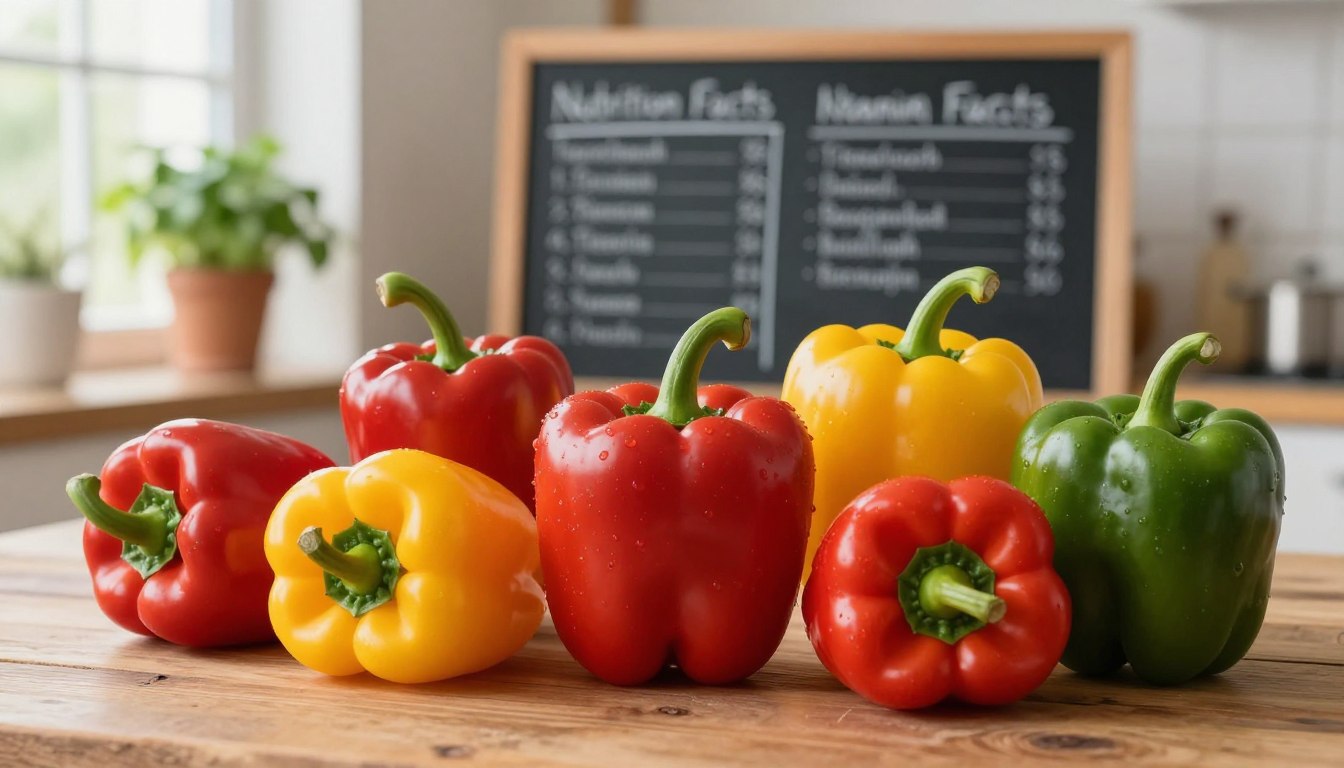
Did you know one red bell pepper has more vitamin C than three oranges? This colorful veggie is packed with nutrients. Sweet peppers are not just crunchy and mild; they’re also full of vitamins and minerals. Plus, they’re very low in calories.
Bell peppers are a nutritional powerhouse. A cup of chopped red bell pepper has only 39 calories but gives you almost double the vitamin C you need daily. They’re also rich in vitamin A, potassium, and folate. These nutrients boost your immune system and heart health.
Eating bell peppers often can lower your risk of chronic diseases. Their mix of antioxidants, fiber, and vitamins protects your body. Whether you like red, yellow, or green, sweet peppers are always good for you.
Key Takeaways
- Red bell peppers contain 169% of your daily vitamin C requirement in just one cup
- Sweet peppers provide only 39 calories per cup while being 92% water
- Each serving delivers significant amounts of vitamin A, potassium, and folate
- Regular consumption may lower your risk of cancer and heart disease
- Bell peppers belong to the nightshade family and originated in Central America
- The nutritional value of bell peppers includes 3.1 grams of fiber per cup
What Are Sweet Peppers?
Sweet peppers, known as Capsicum annuum, are part of the nightshade family. They include tomatoes and eggplants. Unlike chili peppers, sweet peppers are not spicy. They add great health benefits to any diet.
Definition and Types
Sweet peppers come in many colors, showing their ripeness and taste. Green peppers are unripe and taste a bit bitter. As they ripen, they turn red, yellow, or orange, becoming sweeter and more nutritious.
Less common colors like purple, white, and brown are grown by specialty farmers. These colors are found in gourmet markets.
Popular Varieties in the U.S.
In the U.S., many sweet pepper varieties are available all year:
- Bell peppers – the most common type with thick walls perfect for stuffing
- Mini sweet peppers – snack-sized versions ideal for raw eating
- Cubanelle peppers – light green with thin walls, popular in Latin cooking
- Banana peppers – mild and tangy, great for pickling
Differences from Hot Peppers
The big difference is capsaicin content. Sweet peppers have little to no capsaicin, which makes them not spicy. This lets people enjoy their nutritional benefits without any heat.
Sweet peppers can be eaten raw, roasted, grilled, or ground into paprika. They are very versatile in American kitchens.
Nutritional Breakdown of Sweet Peppers
Sweet peppers are packed with nutrients and low in calories. A serving of these colorful veggies gives you important health benefits. Knowing what’s in them helps you make better food choices and see why they’re good for you.
Vitamins and Minerals
Red sweet peppers are full of vitamin C, giving you over 150% of your daily needs in one medium pepper. They also have vitamin A, which is good for your eyes and immune system. Plus, they have B vitamins like folate and B6.
These peppers are also rich in minerals like potassium and iron. Potassium is good for your heart, and iron helps carry oxygen. They also have manganese and magnesium, which are important for bones and muscles.
Caloric Content
Sweet peppers have very few calories, making them great for those watching their weight. A 3.5-ounce serving of raw red bell pepper has just 26 calories. Green ones have even less, about 20 calories per serving. This means you can eat a lot without gaining weight.
Macronutrients Overview
Sweet peppers are mostly water, which makes them crunchy. The rest is divided into different nutrients:
| Nutrient | Amount per 100g | Percentage of Calories |
|---|---|---|
| Carbohydrates | 6g | 77% |
| Protein | 1g | 13% |
| Fat | 0.3g | 10% |
| Fiber | 2.1g | N/A |
| Natural Sugars | 4.2g | N/A |
The carbs in sweet peppers are mostly glucose and fructose, which taste sweet. They have very little fat, but it’s the good kind. And with 2.1 grams of fiber, they help with digestion and keep calories low.
Health Benefits of Sweet Peppers
Sweet peppers are more than just colorful and crunchy. They are packed with nutrients that boost your health. They help protect your cells and support your weight goals, improving your overall well-being.
Antioxidant Properties
Bell peppers have antioxidants that fight off cell damage. These compounds battle harmful free radicals that can lead to chronic diseases. Studies show that sweet peppers’ antioxidants are most active at different temperatures.
These antioxidants lower the risk of diseases like diabetes, arthritis, and neural disorders. Red peppers have the most antioxidants, followed by yellow and green ones.
Role in Weight Management
Sweet peppers are great for weight management because they are low in calories. One cup of chopped peppers has only 30-40 calories. They add crunch and volume, helping you feel full without eating too much.
Impact on Heart Health
Sweet peppers are good for your heart thanks to minerals like potassium. Potassium helps control blood pressure by balancing sodium. With their antioxidants, sweet peppers support healthy blood vessels and may lower heart disease risk. Eating them regularly improves circulation and heart function.
Sweet Peppers and Vitamins
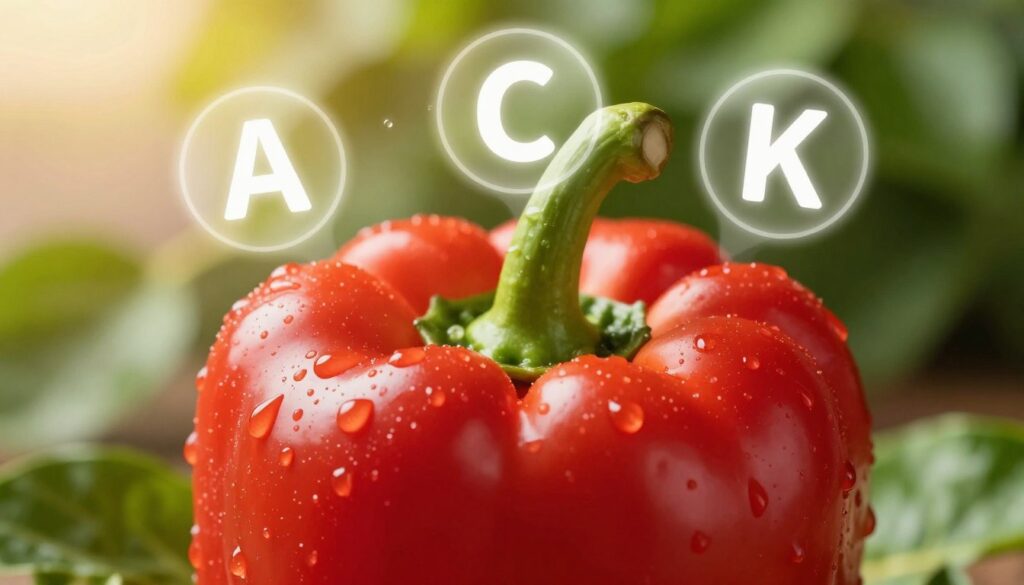
Sweet peppers are nutritional powerhouses. They stand out for their vitamin content, with red and yellow varieties leading the way. These colorful veggies support the body in many ways, from boosting immunity to keeping skin and vision healthy.
Vitamin C: An Immune Booster
Red bell peppers are packed with vitamin C. One medium pepper gives you 169% of your daily needs. This vitamin is key for a strong immune system and heart health. It also helps fight colds and repair cells.
Vitamin C is good for your skin, keeping it firm and healthy. It also helps your body use folate from other foods.
Vitamin A: Vision and Skin Health
Yellow peppers are rich in beta-carotene, which turns into vitamin A in your body. This vitamin is essential for your eyes and skin. Beta-carotene is a strong antioxidant that protects cells and supports eye health.
Other Essential Vitamins
Sweet peppers also have B vitamins that are good for your health. Vitamin B6 helps make red blood cells, and folate (B9) is vital during pregnancy. They also have vitamin K1 for blood clotting and bone health.
Vitamin E protects nerves and muscles. This makes sweet peppers a great addition to your diet.
Mineral Content in Sweet Peppers
Sweet peppers are full of minerals that help our bodies work right. They have vitamins and minerals like potassium, magnesium, manganese, and iron. Each color has its own mix of minerals, with red peppers having the most.
Potassium: Benefits for Blood Pressure
One cup of chopped red bell peppers has about 314 milligrams of potassium. This mineral helps keep blood pressure in check by balancing out sodium. Eating sweet peppers is good for your heart because potassium makes blood vessels relax.
Magnesium: Supporting Muscle and Nerve Function
Bell peppers have magnesium, which is key for muscles and nerves. This mineral helps turn food into energy and helps muscles move. A large red pepper also has 1.3 milligrams of manganese, which is 55-75% of what we need daily. Low levels of manganese, copper, and zinc are common in people with bone diseases, making bell peppers great for bones.
| Mineral | Amount per Cup (Red Pepper) | Key Benefits |
|---|---|---|
| Potassium | 314 mg | Blood pressure regulation |
| Manganese | 1.3 mg | Bone health support |
| Magnesium | 18 mg | Muscle function |
| Iron | 0.6 mg | Oxygen transport |
Vitamin C in sweet peppers enhances iron absorption, making these veggies great for avoiding iron deficiency anemia.
Fiber Content and Digestive Health
Capsicum is packed with dietary fiber, which is great for your digestive system. Sweet peppers have about 3.1 grams of fiber per cup when chopped. This makes them a top pick for keeping your digestive system healthy.
They also have a lot of water, up to 92%. This water and fiber combo helps your digestive system work well.
Importance of Dietary Fiber
Dietary fiber is key for good health. It helps control blood sugar levels by slowing down sugar absorption. It also feeds good gut bacteria, making your intestines healthier.
Enough fiber prevents constipation and helps you stay at a healthy weight. It keeps you feeling full for longer.
How Sweet Peppers Aid Digestion
Sweet peppers improve digestion thanks to their fiber and water. Red peppers have 2.1 grams of fiber per 100-gram serving. Green ones offer 2.5 grams per cup.
This fiber helps food move through your digestive system smoothly. The water in sweet peppers makes stool softer and prevents discomfort.
Some people might get a bit of gas from green peppers. But this usually goes away as your body gets used to it. The fiber and water in sweet peppers are gentle on your stomach. They also give you important nutrients for your digestive health.
Antioxidants in Sweet Peppers
Sweet peppers are full of natural compounds that protect your cells. These colorful veggies have antioxidants that support your health. The bright colors in red, yellow, and orange peppers come from these compounds.
Understanding Antioxidants
Antioxidants fight harmful substances called free radicals in your body. Free radicals can damage cells and lead to aging and diseases. Sweet peppers have antioxidants that neutralize these threats.
Research shows cooking peppers at around 65°C (149°F) boosts their antioxidant activity. This means lightly cooked peppers might be more beneficial than raw or heavily cooked ones.
Flavonoids and Carotenoids Explained
Sweet peppers get their bright colors from carotenoids and flavonoids. Red peppers have capsanthin, which makes them red. Orange and yellow peppers have violaxanthin.
Green, yellow, and orange peppers have lutein, which is good for your eyes. Peppers also have quercetin, a flavonoid that may prevent heart disease and some cancers. They contain luteolin, beta-carotene, lycopene, and zeaxanthin, each with its own health benefits. Studies show that eating carotenoid-rich foods like sweet peppers can help prevent cancer.
Impact on Skin Health
Sweet peppers are packed with nutrients that do more than just keep you healthy. They help your skin stay bright and flexible. The vitamins, antioxidants, and water in these veggies are great for your skin from the inside.
Nutrients That Promote Healthy Skin
Red bell peppers have nutrients that make your skin stronger and more youthful. Vitamin C is key, making collagen that keeps your skin firm. One cup of raw red peppers gives you over 200% of your daily vitamin C.
Beta-carotene turns into vitamin A in your body, helping your skin cells renew and fight aging. Vitamin E protects your skin from harm, and carotenoids like lycopene help protect against the sun. Even though they’re low in calories, they’re full of nutrients for your skin.
| Nutrient | Amount per Cup | Skin Benefit |
|---|---|---|
| Vitamin C | 190 mg | Collagen production |
| Vitamin A | 4,665 IU | Cell renewal |
| Vitamin E | 2.4 mg | Antioxidant protection |
| Water | 141 g | Hydration support |
Hydration and Its Effects
Sweet peppers are 92% water, making them great for keeping your skin hydrated. This helps your skin stay elastic and plump. Hydrated skin looks smoother and has fewer wrinkles.
Sweet Peppers and Weight Loss
Sweet peppers are great for weight loss. They are full of nutrients but low in calories. Knowing about yellow pepper nutrition facts shows why they’re good for weight management. They have lots of water and important nutrients, making you feel full without extra calories.
Low-Calorie Density Advantage
Sweet peppers have only 26 to 39 calories per cup. This makes them perfect for those watching their weight. They are 92% water, which helps you feel full. Each cup has just 0.5 grams of fat and very little carbs. This means you can eat more without gaining weight.
| Pepper Color | Calories per Cup | Water Content | Fat Content |
|---|---|---|---|
| Red Bell Pepper | 39 | 92% | 0.5g |
| Yellow Bell Pepper | 27 | 92% | 0.2g |
| Green Bell Pepper | 26 | 94% | 0.3g |
Ways to Incorporate into Diet
It’s easy to add sweet peppers to your meals. Try raw pepper strips with hummus or Greek yogurt. Add them to scrambled eggs or omelets for extra nutrition. Stuff whole peppers with lean turkey, quinoa, or black beans for a filling dinner.
Roasted peppers add a smoky taste to sandwiches and wraps. Blend them into soups for a creamy texture without heavy cream. Their sweetness is great in stir-fries, pasta dishes, and grain bowls, keeping your meals light and satisfying.
How to Select Fresh Sweet Peppers
Choosing the right sweet peppers at the grocery store or farmers market is key. Fresh peppers offer the best taste and nutritional value. They make your meals more enjoyable.
Signs of Freshness
Peppers with vibrant, bright colors are a good sign. Red peppers should be a deep, rich red without green spots. Yellow and orange peppers should shine with a sunny glow.
The skin should feel smooth and firm when you squeeze it gently. Fresh peppers are heavy for their size because they are full of moisture.
Check the stem area for freshness. A bright green stem means the pepper was picked recently. Avoid peppers with soft spots, wrinkles, or tiny pits in the skin.
These signs indicate the pepper is old. The more intense the color, the riper the pepper. This means better sweet peppers nutrition.
Seasonal Availability in the U.S.
Sweet peppers are available all year, but the best quality comes during peak seasons. Red bell peppers are sweetest in summer and early fall. Green peppers are available all year because they’re picked before they’re fully ripe.
Local farmers markets from June to October offer the freshest peppers. They have the best nutritional value of bell peppers.
Mini sweet peppers to softball-sized varieties are common in stores. Buying peppers in season saves money and ensures better taste. California and Florida grow most of the nation’s bell peppers, even in winter.
Cooking and Preparing Sweet Peppers
Sweet peppers add vibrant colors and crispy textures to many dishes. How you prepare them can change their taste and health benefits. Raw peppers have the most vitamins, but cooking brings out new flavors and makes nutrients easier to digest.
Popular Cooking Methods
Various cooking methods keep the nutrients in sweet peppers in different ways. Grilling adds a smoky flavor and keeps most vitamins. Roasting at 400°F for 20-25 minutes caramelizes sugars and boosts antioxidants.
Stir-frying peppers for 3-5 minutes keeps them crunchy and saves up to 75% of vitamin C.
Sautéing in olive oil for 5-7 minutes helps your body absorb fat-soluble vitamins. Baking stuffed peppers at 350°F makes them tender for fillings like ground turkey or quinoa. Each method affects the nutrients in sweet peppers differently, with quick, high-heat cooking usually preserving more.
Pairing with Other Ingredients
Sweet peppers go well with many flavors in American food. They’re great with tomatoes in pasta dishes like linguine primavera. In Mediterranean dishes, they pair well with anchovies, olives, and feta cheese.
Black beans and peppers make for protein-rich vegetarian meals. Creamy ricotta balances the sweetness of peppers in soups and casseroles. These combinations not only taste good but also increase the health benefits of sweet peppers through nutrient synergy.
Storing Sweet Peppers
Keeping your sweet peppers fresh is key to enjoying their nutrients. Follow simple storage tips to keep their vitamins at their best. Whether you need them for a few days or months, the right storage method is essential.
Best Practices for Freshness
Fresh bell peppers can last a week in the fridge’s crisper drawer. The best temperature is between 40°F and 45°F with some humidity. After washing and cutting, they spoil fast and should be used in two to three days.
- Store unwashed peppers in a plastic bag with small air holes
- Place cut peppers in an airtight container lined with paper towels
- Keep peppers away from ethylene-producing fruits like apples and bananas
- Check regularly and remove any peppers showing soft spots
How to Freeze for Longer Storage
Freezing sweet peppers can keep them fresh for up to 12 months. This method also saves most of their antioxidants. You can freeze them whole or chopped, based on your cooking plans.
First, wash the peppers, remove stems and seeds, then cut them into strips or dice. Dry them well and freeze them on a baking sheet before putting them in freezer bags. This way, you can use just what you need without clumps. Label each bag with the date to keep track of freshness.
Conclusion: Including Sweet Peppers in Your Diet
Sweet peppers are nutritional powerhouses that should be on your plate often. They are full of vitamin C, giving you 169% of your daily needs in one serving. Red bell peppers also have vitamin A for your eyes, potassium for blood pressure, and fiber for your gut. Plus, they have very few calories, making them great for those watching their weight.
Summary of Nutritional Benefits
Sweet peppers offer more than just basic vitamins and minerals. Yellow peppers are packed with antioxidants like capsanthin, lutein, and quercetin. These protect your cells and help prevent heart disease and some cancers. They boost your immune system, help iron absorption, and support healthy skin.
Their fiber aids digestion, and their low calorie count helps with weight management. This makes them a fantastic choice for your diet.
Easy Ways to Enjoy Sweet Peppers
It’s easy to add sweet peppers to your meals. Slice them raw for a crunchy snack with hummus or ranch. Add chopped peppers to salads, stir-fries, or pasta for extra nutrition.
Stuff whole peppers with quinoa and turkey for a filling dinner. Roast them with olive oil and garlic for a tasty side. You can also blend red bell pepper into smoothies or soups for a vitamin boost. With so many ways to enjoy them, making sweet peppers a regular part of your diet is easy and healthy.