

Ever seen white patches in your throat when you look in the mirror? You’re not the only one who’s noticed them. They can make you feel worried and unsure.
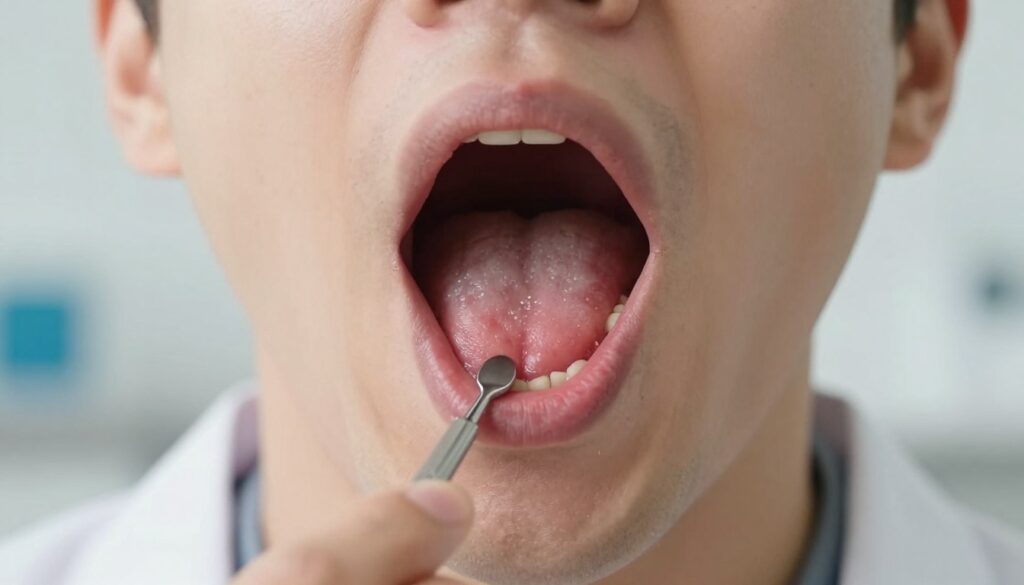
White spots in the throat look like pale or yellowish patches. They can show up on your tonsils or throat lining. You might see them while brushing your teeth or when you check your throat during an illness. These spots can be small dots or bigger streaks, even a coating on your throat.
The good news is that most causes of white spots in the throat can be treated. Whether it’s a bacterial infection, a viral illness, or a fungal growth, knowing what you have is the first step to getting better. Seeing tonsillar exudate means your body is fighting off an infection.
When you have white spots in your throat, you might also have trouble swallowing, a fever, and feel really tired. Some people also get nasal congestion or a sore throat that won’t go away. How bad these symptoms are depends on what’s causing the white spots.
This guide will help you understand what causes white spots in the throat. You’ll learn when to see a doctor and find out about treatments and home remedies that can help. Knowing about tonsillar exudate and its meaning helps you take care of your health better.
Key Takeaways
- White spots in throat usually mean you have a bacterial, viral, or fungal infection that needs treatment
- Common symptoms include sore throat, trouble swallowing, fever, and feeling tired
- Strep throat, tonsillitis, and oral thrush are common reasons for white patches
- Seeing a doctor early can prevent serious problems and help you get better faster
- Prescription medicines and home remedies can both help treat white spots
- Keeping your mouth clean and living a healthy lifestyle can stop infections from coming back
Understanding White Spots in Throat
White spots in your throat can be minor or serious. They look like creamy or yellowish patches against the pink tissue. Knowing what they look like helps you know when to treat them at home or see a doctor.
Definition of White Spots
White patches on tonsils are creamy-colored and raised. They can appear on your tongue, cheeks, gums, and throat. These spots might feel bumpy and can bleed if you accidentally scrape them.
Throat ulcers are different. They are painful sores that make swallowing hard. They often appear with white patches during infections.
Importance of Symptoms Awareness
Spotting throat symptoms early is key. If you see white spots, watch for other symptoms. This helps you know if you need to see a doctor right away.
Ignoring infections can lead to big problems. These include:
- Acute rheumatic fever affecting the heart
- Peritonsillar abscess needing surgery
- Kidney inflammation from bacteria
- Severe dehydration from swallowing pain
Recognizing throat ulcers and white patches quickly helps you recover faster. It also keeps you from spreading illness to others.
Common Causes of White Spots
White spots in your throat can come from many reasons. These range from mild infections to serious conditions. Knowing the causes helps you decide if you need a doctor or if home care is enough.
Each condition has its own signs. Spotting these signs is key to treating them right.
Tonsillitis and Its Symptoms
Tonsillitis makes your tonsils swell and turn red, sometimes with white or yellow patches. It often hits kids between 5 and 15. Symptoms include a very sore throat, fever over 101°F, and trouble swallowing.
Oral Thrush Explained
*Candida albicans*, a fungus, causes oral thrush when it grows too much. Babies under a month, adults over 65, and those with weak immune systems are at risk. To diagnose oral thrush, look for creamy white spots on your tongue, cheeks, and throat. These spots may bleed if you scrape them.
Viral Infections: Key Players
Mononucleosis, caused by Epstein-Barr virus, mainly hits teens and young adults, 15 to 24. It takes 4 to 6 weeks to show after you’re exposed. Human papillomavirus (HPV-16) is another worry, causing white spots that might need cancer checks.
Strep Throat Overview
Strep throat is caused by Group A Streptococcus bacteria. It spreads through coughs and sneezes. Symptoms include sudden, severe throat pain, white patches on tonsils, and swollen lymph nodes.
Unlike viruses, strep throat needs antibiotics to avoid serious problems like rheumatic fever.
Signs and Symptoms to Watch For
Spotting throat symptoms early is key to getting the right treatment. White spots in your throat often signal different health issues. Knowing these signs helps you know when to see a doctor.
General Symptoms of Throat Conditions
Throat infections share common signs. A scratchy, sore throat is usually the first sign, making it hard to swallow. A fever over 100.4°F and swollen lymph nodes in your neck often come with it.
Body aches, headaches, and chills show your body is fighting the infection. Kids might also feel stomach pain, nausea, and lose their appetite. Bacterial pharyngitis makes throat pain worse when you swallow.
Specific Symptoms Related to White Spots
White spots can mean different things. Strep throat causes red, swollen tonsils with white patches and tiny red spots. These signs show up 2-5 days after you get the bacteria.
- Oral thrush makes your mouth feel like cotton and can cause taste loss
- Mononucleosis leads to long-lasting fatigue and a swollen spleen
- Fungal infections show as redness in the corners of your mouth
- Canker sores are painful white ulcers with red edges
Children with bacterial pharyngitis might get a rash from scarlet fever. This rash starts on the neck and chest, feeling like sandpaper. It spreads over the body in a few days.
When to Seek Medical Attention
Knowing when to see a doctor for white spots in your throat is key to avoiding serious health issues. Many throat problems get better by themselves. But, some signs mean you need to see a doctor right away. Knowing these signs helps you take care of your health.
Warning Signs of Serious Conditions
Some symptoms mean you might have a serious problem that needs quick medical help. If you have:
- A fever over 103°F that doesn’t go away with medicine
- Severe throat pain that makes it hard to swallow liquids
- Difficulty breathing or feeling like your throat is closing
- Voice changes or hoarseness that lasts more than two weeks
- Unexplained weight loss with a sore throat that won’t go away
Some throat infections are more dangerous for certain people. For example, people with weak immune systems are at risk from oral thrush. It can spread to the skin, lungs, and liver if not treated. Leukoplakia, which looks like thick white patches, can turn into oral cancer in about 15% of cases. It needs a biopsy to be sure.
Importance of Timely Diagnosis
Seeing a doctor early can make a big difference in treating throat infections. Untreated strep throat can cause serious heart, joint, and nervous system problems. Peritonsillar abscesses might need surgery if not treated with antibiotics.
Doctors can quickly tell if an infection is viral or bacterial. This helps avoid antibiotic misuse and prevents complications in other parts of the body.
Diagnostic Tests for White Spots
To find out what’s causing white spots in your throat, doctors need to run specific tests. They use different methods to see if it’s a bacterial, fungal, or viral issue. These tests help figure out the exact cause and decide the best treatment.
Throat Swab Testing
The rapid strep test is a common tool for finding bacterial throat infections. A healthcare provider takes a sample from the back of your throat and tonsils with a sterile swab. You’ll get the results in about 15 minutes, showing if Group A Streptococcus bacteria are present.
If the rapid test is negative but you’re showing symptoms, a throat culture might be done. This test takes longer, 24 to 48 hours, but is more accurate. The Centor Score system is used to check tonsillitis by looking at fever, cough, swollen lymph nodes, and white patches on tonsils. Kids aged 3 to 15 get higher scores because they’re more likely to have strep.
Imaging Techniques
For oral thrush that might have spread, doctors use advanced imaging. X-rays check the esophagus and stomach lining for deeper infections. Endoscopy lets doctors see the throat tissues directly to assess the white spots or patches.
| Test Type | Time for Results | Primary Use |
|---|---|---|
| Rapid Strep Test | 15 minutes | Bacterial detection |
| Throat Culture | 24-48 hours | Confirm negative rapid tests |
| Monospot Test | 1 hour | Mononucleosis diagnosis |
| Blood Tests | 1-2 days | Check lymphocyte levels |
Treatment Options for White Spots
White spots in your throat need different treatments based on their cause. The right treatment can help you feel better in a few days. It also stops more serious problems from happening. Your doctor will figure out the cause first, then suggest the best treatment.
Medication for Bacterial Infections
Bacterial infections like strep throat need antibiotics. Doctors usually prescribe penicillin or amoxicillin. You might start feeling better in 24 hours, but it’s important to finish the 10-day treatment.
Medicines like acetaminophen (Tylenol) can help with pain and fever. Ibuprofen (Advil) does the same and also reduces swelling. For really bad pain, you can try topical anesthetics with lidocaine.
Antifungal Treatments for Thrush
Oral thrush can be treated with antifungal meds. Mild cases get better with clotrimazole or nystatin mouthwashes. For serious cases, fluconazole or itraconazole tablets are needed.
Babies with thrush get special drops on their mouth. Moms should use antifungal cream on their breasts to stop the infection from coming back.
Home Remedies Worth Considering
- Gargle warm salt water every 2-3 hours
- Drink warm tea with honey to soothe irritation
- Use a humidifier to keep throat moist
- Rest your voice to reduce strain
- Stay hydrated with cool liquids
Viral infections like mononucleosis don’t get better with antibiotics. Rest and managing symptoms are key for viral infections. For herpes, antiviral meds like acyclovir or valacyclovir can help shorten the outbreak.
Lifestyle Changes for Prevention
Making smart lifestyle changes can lower your risk of throat ulcers and white patches on tonsils. Simple daily habits keep your mouth healthy and boost your body’s fight against infections. These steps are most effective when done regularly.
Importance of Good Oral Hygiene
Brushing your teeth twice a day and flossing gets rid of bacteria that cause infections. Rinsing your mouth after meals helps remove food bits that bacteria feed on. Listerine or Crest Pro-Health mouthwash kills germs that lead to white patches on tonsils.
Parents should clean pacifiers between uses and wash bottle nipples with hot, soapy water. Never share toothbrushes, drinking glasses, or eating utensils. These items can spread strep throat and mononucleosis bacteria among family members.
Dietary Considerations
When you have a throat infection, eat soft foods like yogurt, applesauce, and mashed potatoes. Warm chicken soup or herbal tea can soothe sore tissues. Cold treats like popsicles can numb throat ulcers pain. Stay away from spicy or acidic foods that can irritate sore areas.
Hydration and Its Benefits
Drinking eight glasses of water a day keeps your throat moist and removes debris that can cause tonsil stones. This is very important for teenagers and adults with deep tonsil crypts where bacteria build up. Water also makes mucus thinner, making it harder for white patches on tonsils to form.
Natural Remedies to Consider

Natural remedies can help with white spots in the throat and other symptoms. They work well with medical care, like for tonsillar exudate. Simple home treatments can offer comfort while your body heals.
Saltwater Gargle Benefits
Saltwater gargles are a top natural treatment for throat issues. Mix half a teaspoon of salt in warm water and gargle for 30 seconds. This helps remove tonsil stones and reduces swelling around white spots.
Regular saltwater rinses stop bacteria buildup that causes tonsillar exudate. Gargle three to four times a day for the best results. The warm water soothes and the salt fights harmful bacteria.
Herbal Remedies Overview
Many herbal treatments help with throat conditions and canker sores. Raw honey fights infection with its antimicrobial properties. Take a spoonful or mix it into warm tea.
Chamomile tea reduces inflammation and aids healing. Ginger root tea clears mucus and soothes throat pain. Other herbs like licorice root, marshmallow root, sage, and slippery elm offer relief.
- Licorice root tea coats the throat and eases irritation
- Marshmallow root forms a protective layer over inflamed tissues
- Sage tea acts as a natural antiseptic
- Slippery elm lozenges provide lasting relief
Steam inhalation with eucalyptus oil opens airways and reduces congestion. Humidifiers add moisture to dry air, preventing throat irritation. These natural methods support healing but don’t replace antibiotics for bacterial infections.
Complications Associated with Untreated White Spots
White spots in the throat might seem minor, but ignoring them can lead to serious health issues. Various throat infection causes can turn into dangerous conditions if not treated. Knowing these risks helps people decide when to seek medical care.
Potential Health Risks
Untreated bacterial pharyngitis, like strep throat, is a big health risk. The bacteria can spread and cause:
- Rheumatic fever – damages heart valves and joints
- Peritonsillar abscess – painful pus collection requiring surgical drainage
- Kidney inflammation leading to permanent damage
- Blood infections that spread throughout the body
Oral thrush is a big risk for those with weak immune systems. It can spread to the esophagus, making swallowing hard. In severe cases, it can reach the skin, lungs, and liver in people with HIV or cancer.
Long-term Consequences
Some throat infections can have lasting effects. Mononucleosis can cause extreme fatigue for up to six months. The spleen may also enlarge, posing a risk during physical activities.
HPV-16 infections in the throat need careful attention. This virus can lead to oropharyngeal cancer over years. Regular check-ups are key for early detection. Untreated bacterial pharyngitis from chlamydia can damage reproductive organs, affecting fertility in both men and women.
Differentiating Between Benign and Serious Causes
It’s important to know the difference between harmless and serious white spots in your throat. Some issues can fix themselves, but others need quick medical help to avoid bigger problems.
Key Distinctions to Know
Viral tonsillitis usually causes mild symptoms that last about a week. These symptoms include a low-grade fever and feeling tired. Bacterial infections, like strep throat, need antibiotics and get better in 10 days.
Tonsil stones are different from infections. They are white or yellow pebbles that cause bad breath and throat pain. Many times, tonsil stones go away on their own. Leukoplakia is caused by irritants like bad dentures or chewing tobacco. It needs professional treatment to remove the thick white patches.
Lichen planus creates lacy white patterns, not solid spots. Doctors treat it with antihistamines, immunosuppressants, or retinoid medications based on how severe it is.
Importance of Medical Consultation
The American Cancer Society doesn’t list white throat patches as a common cancer symptom. But, if patches last over two weeks, it’s best to see a doctor. Throat ulcers, unexplained weight loss, or trouble swallowing also need quick medical help. Your doctor can do tests to find out what’s wrong and suggest the right treatment.
Frequently Asked Questions
Many people wonder about white patches on tonsils and throat symptoms. Knowing the facts helps you make smart health choices. Let’s tackle some common questions and myths about throat issues.
Common Inquiries About White Spots
One big worry is if white spots mean cancer. The truth is, white spots usually don’t mean cancer. Most of the time, they come from infections that can be treated easily.
Even without other symptoms, seeing white patches on tonsils means you should see a doctor. They can find out what’s causing it and stop it from getting worse.
Parents often ask about kids getting tonsillitis a lot. If kids keep getting throat infections with white patches, a doctor might suggest removing their tonsils. This choice depends on how often and how bad the infections are.
Myths vs. Facts
Some think every sore throat is strep. This is not true. Many sore throats are from viruses that don’t need antibiotics. These usually get better in a week or two with rest and fluids.
People worried about getting HSV-2 should know that condoms help a lot. Those with HSV-2 can also take medicine every day to lower the chance of passing it to others. Talking to your doctor regularly is key to managing throat issues.
Conclusion: Managing White Spots Effectively
White spots in your throat can mean different things. They might show a bacterial, fungal, or viral issue. Knowing the cause helps you get the right treatment.
For bacterial infections, like strep throat, antibiotics are often the answer. Fungal issues, like oral thrush, need special treatments. Viral causes might need different approaches.
Recap of Key Takeaways
Spotting white spots early is key to effective treatment. Bacterial infections, like strep throat, get better with antibiotics. Fungal infections, like oral thrush, need their own treatments.
Keeping clean, not sharing drinks or utensils, and boosting your immune system can help prevent these issues. Getting a proper diagnosis through tests is the first step in treating tonsillitis.
Encouragement for Seeking Help
If you see white spots with fever, trouble swallowing, or pain, see a doctor right away. They can tell if it’s something simple or serious. Early treatment stops problems and helps you heal faster.
Your doctor will make a plan just for you. This ensures the white spots go away and don’t come back.