
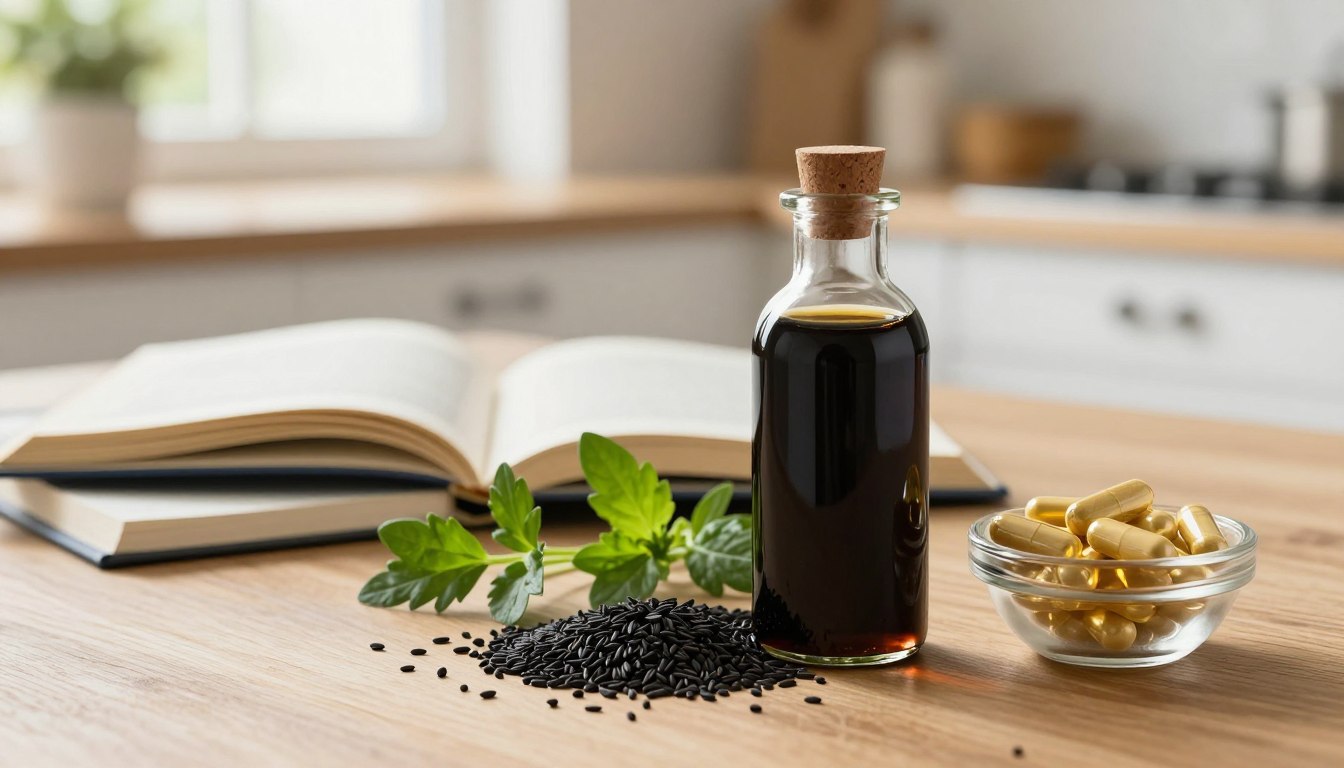
Did you know a small black seed was once thought to cure all diseases except death? This idea has been around for over 1,400 years. It’s from the Nigella sativa plant, found in Eastern Europe, Northern Africa, and parts of Asia.
For thousands of years, Ayurveda, Unani, and Siddha medicine have used this oil. It’s packed with thymoquinone, a compound that fights germs and reduces swelling. Today, science confirms many of the ancient benefits of black seed oil.
People use this golden oil for boosting their immune system and improving their skin. The FDA doesn’t regulate supplements like black cumin oil. But, studies keep showing how it supports health. This guide will explore why this ancient oil is so valuable today.
Key Takeaways
- Black cumin oil comes from the Nigella sativa plant found in Europe, Africa, and Asia
- Traditional medicine has used these seeds for thousands of years to treat various ailments
- The active compound thymoquinone provides antimicrobial and anti-inflammatory effects
- Prophet Muhammad famously described it as a remedy for all diseases except death
- Modern research supports many traditional uses of black seed oil
- The FDA doesn’t regulate the quality or dosage of black cumin oil supplements
What is Black Cumin Oil?
Black cumin oil is made from Nigella sativa seeds. This plant blooms in various colors and has small black seeds. It’s known as kalonji oil in South Asia and Habbatul Barakah in Arabic regions.
The Nigella sativa plant is also called black caraway and Roman coriander. It’s not the same as kala jeera, which is found in India. The oil has a unique spicy taste.
Black cumin seed extract is special because of thymoquinone. This compound makes the oil very healthy. It protects the liver and reduces pain and swelling.
The oil fights off harmful germs and viruses. It also acts as an antioxidant, protecting cells from damage.
You can buy black cumin oil in capsules or liquid form. Capsules are easy to take daily. The liquid form can be added to food or used on the skin. Both forms have the same health benefits.
History and Origin of Black Cumin Oil
The tale of nigella sativa oil is long and rich. Ancient Egyptians loved it so much, archaeologists found it in King Tutankhamun’s tomb. They thought it would help them in the afterlife.
Old Testament and Islamic texts show its value. The Old Testament calls it “ketzah,” and Islamic texts say it can cure almost anything. Greek doctor Dioscorides used it for headaches and toothaches in the first century.
- “Blessed Seed” in Middle Eastern traditions
- “Herb from Heaven” among European healers
- “Panacea Seed” in ancient Greek medicine
- “Black Caraway” in Persian culture
This plant is part of the Ranunculaceae family, like buttercups. Today, it’s grown in many places around the world.
| Region | Primary Growing Countries | Traditional Uses |
|---|---|---|
| Middle East | Egypt, Saudi Arabia, Turkey | Medicine, bread seasoning |
| South Asia | India, Pakistan, Bangladesh | Ayurvedic remedies, curry spice |
| North Africa | Ethiopia, Morocco, Tunisia | Traditional healing, food preservation |
Black seed oil is cherished worldwide. It’s used in food and medicine. From Indian naan to Middle Eastern cheese, it connects us to ancient traditions.
Nutritional Profile of Black Cumin Oil
Cold pressed black seed oil is packed with nutrients for daily wellness. It has vitamins, minerals, and essential compounds. These elements make it a powerful supplement with many health benefits.
Vitamins and Minerals
Organic black cumin oil gives your body the nutrients it needs. It has B-complex vitamins like thiamine, niacin, B2, and B6. These vitamins help with energy and nerve health.
The mineral content is also impressive. Cold pressed black seed oil has:
- Calcium – 1,860mg per kilogram for bone strength
- Iron – 105mg per kilogram for healthy blood cells
- Zinc – 60mg per kilogram for immune function
- Phosphorus – 527mg per kilogram for cell repair
- Copper – 18mg per kilogram for enzyme production
Essential Fatty Acids
The fat in organic black cumin oil is about 40% of its total. One teaspoon has 5 grams of good fats and 45 calories. It has omega-3 and omega-6 fatty acids, which your body can’t make.
The oil also has 21.6% protein and 8.4% fiber per kilogram. This mix of nutrients supports heart health and skin health. The fixed oil content of about 28% helps your body absorb nutrients better when you use it regularly.
Health Benefits of Black Cumin Oil
Oil black cumin is packed with a compound called thymoquinone. This ancient remedy boosts immunity and fights inflammation. Studies show it’s good for health, just like people have known for centuries.
Immune System Support
Black cumin is great for your immune system. Thymoquinone makes white blood cells work better. It also boosts energy at the cellular level, helping your body fight infections.
Anti-Inflammatory Properties
Black seed oil has strong anti-inflammatory effects. A study with 42 rheumatoid arthritis patients showed it reduced inflammation markers by 50%. It also helps with acne and psoriasis, improving skin health.
Antioxidant Effects
Oil black cumin protects cells from damage. It has compounds like flavonoids, alkaloids, and tannins. These help protect the stomach, heart, and brain from harm.
How to Use Black Cumin Oil
Black cumin oil is great for both cooking and skincare. It adds flavor to meals and improves skin health. It’s a simple way to boost your daily wellness.
Culinary Uses
Black seed oil is perfect for adding flavor to dishes. Sprinkle the seeds on cheese platters or mix them into yogurt and oatmeal. Bakers love adding them to bread and pastries for a unique taste.
Salads get a peppery kick from the seeds, while rice and casseroles gain depth. The oil is also versatile. Add a few drops to salad dressings for extra nutrition. Mix it with honey and yogurt for a tasty sauce.
Skincare Applications
Black cumin oil is good for the skin too. Studies show it can reduce acne and improve eczema and psoriasis. It’s a natural way to keep your skin healthy.
| Product Type | Primary Benefits | Application Method |
|---|---|---|
| Cleansing Soap | Deep cleansing, antibacterial | Daily face and body wash |
| Skin Lotion | Moisturizing, anti-inflammatory | Apply twice daily to affected areas |
| Shampoo | Scalp health, hair strength | Regular hair washing routine |
| Wound Healing Gel | Prevents scarring, speeds recovery | Direct application on clean wounds |
Black Cumin Oil for Hair Health
Your hair needs the right nutrients to stay healthy. Organic black cumin oil is packed with essential nutrients. It’s a natural solution for common hair issues and scalp health.
A recent study found great results for those with hair loss. Ninety participants used black cumin oil for three months. They saw big improvements in hair density and thickness, helping those with telogen effluvium.
Black cumin oil’s antimicrobial and antioxidant properties are key. They fight scalp infections, reduce dandruff, and help hair grow. The oil goes deep into hair follicles, providing moisture where it’s most needed.
| Hair Concern | Black Seed Oil Benefits | Application Method |
|---|---|---|
| Hair Loss | 76% reduction in hair fall | Direct scalp massage |
| Dry Scalp | Deep moisturization | Mix with shampoo |
| Dull Hair | Enhanced shine and volume | Hair mask treatment |
| Weak Strands | Improved strength and texture | Leave-in conditioner |
It’s easy to add black cumin oil to your hair care routine. Just a few drops in your shampoo or conditioner can make a difference. For a deep treatment, mix it with coconut oil for a hair mask that repairs and promotes growth.
Potential Side Effects of Black Cumin Oil
Oil black cumin has been used for centuries without major issues. But, some people might experience unwanted effects. Knowing these can help you decide if black cumin seed extract is right for you.
Starting with black seed oil might cause digestive discomforts. Some feel mild nausea or bloating, mainly when taking it on an empty stomach. These symptoms usually lessen as your body gets used to it.
Skin reactions are another thing to think about. Applying oil black cumin directly can cause contact dermatitis in some. Always do a patch test before using black cumin seed extract on big skin areas. Mixing it with a carrier oil like coconut or jojoba can help avoid irritation.
| Side Effect | Frequency | Severity |
|---|---|---|
| Digestive upset | Common | Mild |
| Skin irritation | Occasional | Mild to moderate |
| Blood clotting changes | Rare | Moderate |
| Medication interactions | Occasional | Variable |
Black seed oil might affect blood clotting. If you have bleeding issues, talk to a doctor first. It can also change how your liver processes certain medicines.
Using too much oil, over 2,000mg daily, might harm your kidneys. But, most benefits come from much smaller doses. Some might experience dryness in their nose after using it.
Who Should Avoid Black Cumin Oil?

Nigella sativa oil has many health benefits. But, some people should be careful or avoid it. Knowing these precautions helps keep you safe and healthy.
Pregnant and nursing mothers should not use oil black cumin. Big doses might harm the uterus during pregnancy. Breastfeeding women should wait until they stop nursing to try black seed oil.
People with certain health issues should think twice before using nigella sativa oil:
| Medical Condition | Risk Factor | Recommended Action |
|---|---|---|
| Bleeding Disorders | May slow blood clotting | Avoid completely |
| Low Blood Pressure | Can lower pressure further | Consult physician first |
| Scheduled Surgery | Affects blood clotting | Stop 2 weeks before |
| Diabetes (on medication) | May affect blood sugar | Monitor levels closely |
| Liver or Kidney Disease | Processing concerns | Seek medical advice |
Those taking blood pressure, sleep, anxiety, or depression meds should talk to their doctor first. This is also true for people on blood thinners like warfarin or aspirin.
“Safety first is safety always. When in doubt about supplement interactions, professional medical guidance is irreplaceable.”
People with functional dyspepsia might find black seed oil causes more stomach trouble than good. Start with small amounts and under doctor’s watch for those with health issues.
Black Cumin Oil: Dosage Recommendations
Finding the right amount of oil black cumin depends on your health goals and needs. Studies have shown safe and effective doses for different uses. Knowing these guidelines helps you get the most benefits without issues.
Daily doses vary by form. Seeds need 1 to 2 grams, while oil ranges from 1 to 5 grams. Most people take 1 to 2.5 grams of cold pressed black seed oil daily.
| Health Goal | Daily Dosage | Duration |
|---|---|---|
| Blood Sugar Control | 0.7g to 5mL | 8-12 weeks |
| Weight Management | 2,000mg (2g) | 8 weeks |
| Cholesterol Support | 2.5mL twice daily | 6-8 weeks |
| General Wellness | 1-2.5g oil | Ongoing |
Capsules and extracts are easy alternatives to liquid oil. Black seed powder is good at 1 to 2 grams daily for 8 to 12 weeks. Always consult your doctor before starting any supplement routine, if you’re on meds or have health issues. Choose products verified by NSF International or USP for quality and accurate dosing.
Research and Studies on Black Cumin Oil
Scientific research keeps showing the benefits of black seed oil for health. Recent studies have found that nigella sativa oil can help with many health issues.
A 2020 study looked at black cumin oil for acne. People using a gel with nigella sativa oil saw a 78% drop in acne after 60 days. They applied it twice a day.
Research on weight management is also promising. In 2021, 45 women with obesity took 2,000mg of black seed oil daily for eight weeks. They lost weight and reduced their appetite and waist size.
Studies on heart health are exciting too. A trial with 55 people with high blood pressure showed benefits. They took 2.5mL of nigella sativa oil twice a day. It lowered their blood pressure and cholesterol levels.
A 2021 meta-analysis found that black cumin oil helps with asthma. It works by reducing inflammation. A 2019 study also showed that black seed oil cream improved vitiligo symptoms in six months.
How to Choose Quality Black Cumin Oil
Choosing the right kalonji oil is important. The quality can change based on where it comes from, how it’s made, and how it’s stored. Making a smart choice helps you get the most health benefits from this ancient remedy.
Extraction method matters most when buying organic black cumin oil. Cold-pressed oils keep more nutrients than heated or chemically extracted ones. The cold-pressing keeps the fatty acids, like linolenic, oleic, and palmitic acids, which are nearly 30% of the oil. Look for “cold-pressed” labels to get a product with all its nutrients.
Third-party testing is key for quality assurance. Good brands have their kalonji oil tested by groups like NSF International or USP. These tests show the oil meets high standards of purity and strength. Check the label or the brand’s website for these seals before buying.
The place it’s grown and when it’s harvested also matters. Top organic black cumin oil comes from Egypt, Turkey, or India. These places have the best climate for seeds with lots of nutrients. You can find it in different forms:
- Liquid oil in dark glass bottles
- Soft gel capsules
- Powder supplements
- Topical creams and gels
Always talk to your doctor before using cold pressed black seed oil supplements. This is true if you’re on medication or have health issues.
Black Cumin Oil vs. Other Oils
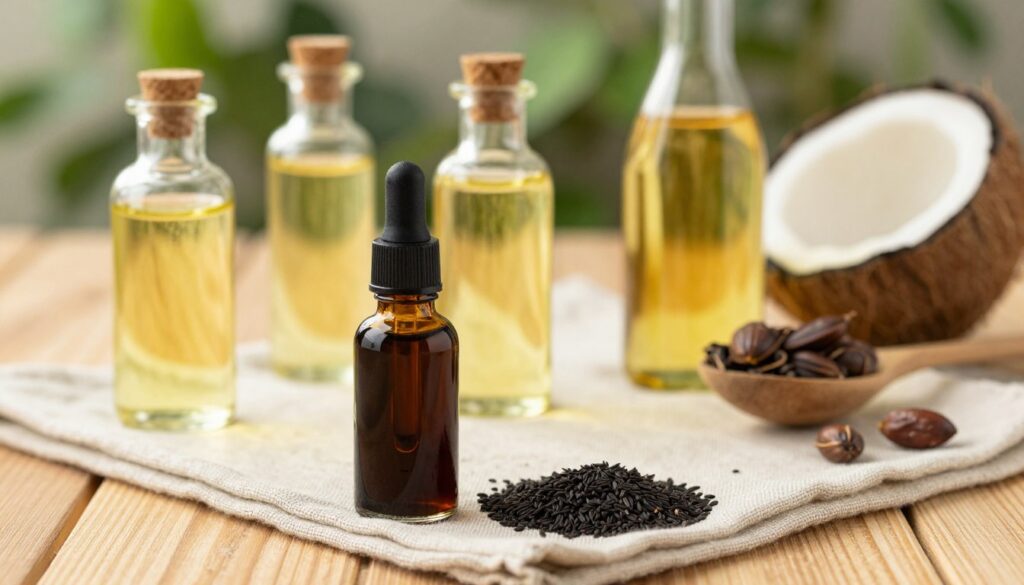
Black cumin oil is different from regular cooking oils. It has thymoquinone, a compound not found in olive, coconut, or avocado oils. This makes black cumin seed extract special, with unique healing properties.
Its fatty acid mix is also unique. Black seed oil has about 12.5% linolenic acid, along with oleic and palmitic acids. This mix is different from common oils like canola or sunflower oil.
Research shows black cumin oil has health benefits others don’t. It protects liver cells and helps with pain relief. It also fights harmful cells. These benefits make black seed oil more than just a food item.
It’s key to know that Nigella sativa (true black cumin) is different from Bunium bulbocastanum. Some call Bunium black cumin, but Nigella sativa has the proven health benefits.
A study with 90 participants showed black cumin oil’s benefits. It was better than castor or argan oil for hair loss. Users of black cumin oil saw thicker hair and less shedding.
Conclusion: Is Black Cumin Oil Right for You?
Black cumin oil has shown great promise for many health issues. It may help with vitiligo, hair loss, and psoriasis. It could also aid those with metabolic syndrome, asthma, and inflammation.
Studies suggest it helps with weight management and blood sugar control. This is based on several clinical trials.
Black seed oil benefits extend to serious health conditions too. It may support people with diabetes, high cholesterol, and COPD. Research also points to its possible benefits for autoimmune disorders, infertility, and certain neurological conditions.
More long-term safety data is needed, though. Scientists are continuing to study these effects.
This versatile product comes in capsules, liquid extracts, and topical preparations. Each form has different uses. Before starting any oil black cumin supplement, talk to your doctor. This is important if you take prescription medications or have existing health conditions.
No single supplement can replace a balanced diet and regular exercise. Black seed oil benefits make it an interesting natural option for many people. It shouldn’t be your only treatment for any medical condition.
Work with healthcare professionals to create a complete wellness plan. With proper guidance, this ancient remedy might become a valuable part of your health routine.