
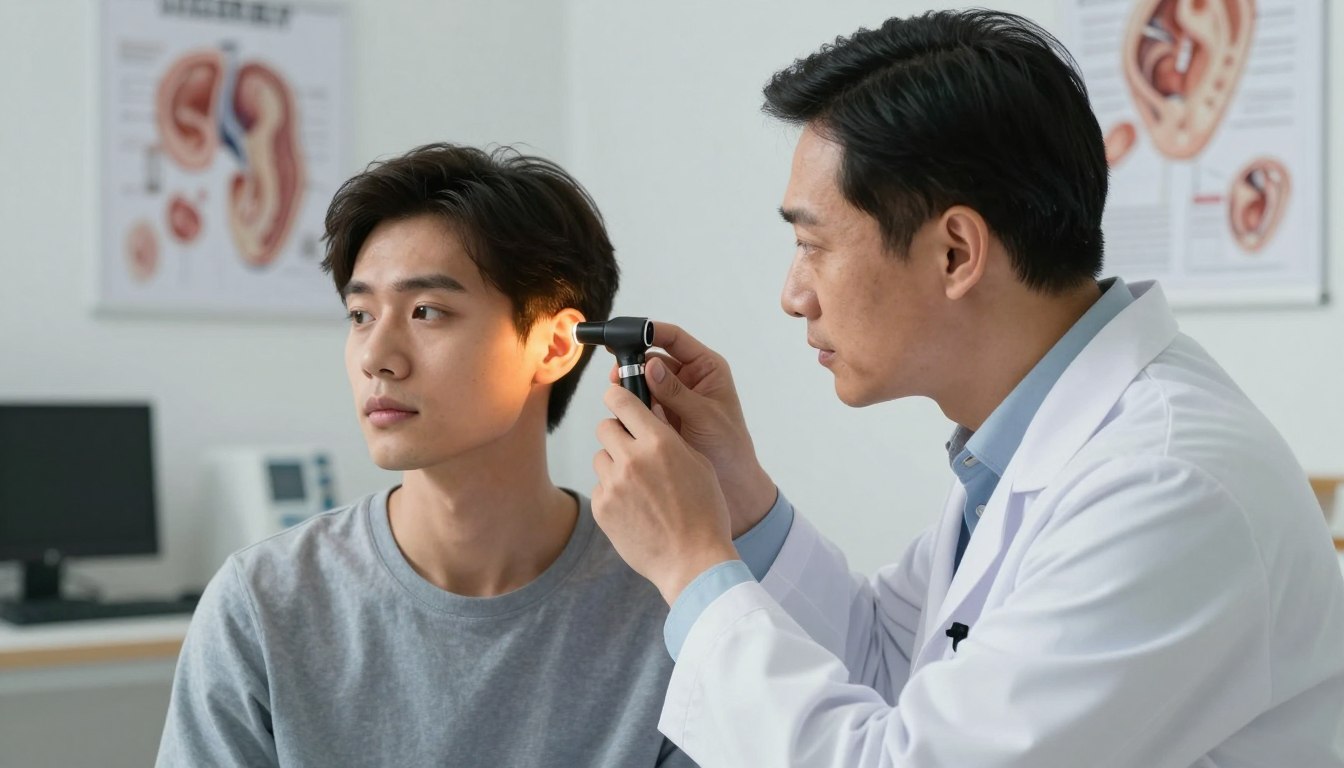
Ever wondered why your ears make that weird crackling sound like Rice Krispies cereal when milk hits the bowl?
This popping noise in ear is common in millions of Americans every day. It can be just a minor annoyance or a sign of something serious. These sounds happen when the air pressure inside your ear needs to match the outside environment. This prevents your eardrum from stretching or contracting in an odd way.
You might hear this sound during airplane takeoffs, road trips through the Rocky Mountains, or with certain medical conditions. It often comes with other symptoms like muffled hearing, buzzing, ringing, or feeling like your ear is full.
Knowing what causes these sounds and when to get ear pressure relief is key. While some cases go away on their own, others might need medical help to avoid bigger problems.
Key Takeaways
- Ear popping sounds occur when pressure needs to equalize between your middle ear and the environment
- Common triggers include altitude changes, allergies, sinus infections, and earwax buildup
- Symptoms may include muffled hearing, ringing, buzzing, or ear fullness
- Simple techniques like yawning, swallowing, or the Valsalva maneuver can provide immediate relief
- Persistent popping lasting more than two weeks requires medical evaluation
- Prevention strategies include staying hydrated, managing allergies, and practicing proper ear hygiene
Understanding Ear Anatomy
The human ear is amazing and does more than just help us hear. It also helps with balance and keeping pressure right. If you hear clicking sounds when you swallow, knowing about your ear’s parts can help figure out what’s going on.
Overview of Ear Structure
Your ear has three main parts: the outer ear, middle ear, and inner ear. The outer ear catches sound waves and sends them down the ear canal. The middle ear has tiny bones called ossicles that vibrate to send sound. The inner ear changes these vibrations into signals your brain understands as sound.
Role of the Eustachian Tube
The Eustachian tube connects your middle ear to the back of your nose and throat. Each ear has its own tube that usually stays closed. When you yawn, chew, or swallow, these tubes open briefly to:
- Equalize pressure between your middle ear and the environment
- Drain fluid from the middle ear
- Protect your ears from loud sounds
- Prevent infections from spreading
Issues with this system often cause eustachian tube dysfunction. This leads to that familiar ear clicking when swallowing.
How the Ear Functions
Your middle ear has two key muscles: the tensor tympani and stapedius. These muscles help send vibrations from your eardrum to the inner ear. The temporomandibular joint, just in front of your ears, connects your jawbone to your skull. This joint’s close location to your ear explains why jaw movements can affect ear sensations.
Common Causes of Popping Noise in Ear
Your ears might make popping sounds for several reasons. Most of these are harmless and linked to normal body functions. When ears popping constantly becomes a problem, knowing the cause is key to finding a solution. The sensation occurs when pressure inside your ear changes suddenly or when ear structures move in specific ways.
Eustachian Tube Dysfunction
The Eustachian tube connects your middle ear to the back of your throat. If it doesn’t open or close right, you might hear popping sounds. Sinus infections, colds, and allergies can trigger this. Stomach acid from GERD and environmental pollutants like cigarette smoke can also make it worse.
People with cleft palate are at higher risk due to structural differences.
Changes in Air Pressure
Fast changes in altitude cause pressure differences in your middle ear. Activities like flying, scuba diving, or driving through mountains can trigger these sensations. Your body tries to balance the pressure by opening the Eustachian tubes, creating the pop.
Earwax Buildup
Too much earwax blocks sound waves and puts pressure on your eardrum. Using cotton swabs can push wax deeper instead of removing it. People who use hearing aids often have more buildup because devices prevent natural wax migration.
Middle Ear Infections
Acute otitis media affects the space behind your eardrum. Kids get these infections more often because their Eustachian tubes are shorter and more horizontal. Fluid builds up and gets infected, causing pressure, pain, and persistent popping sounds.
When to Seek Medical Attention
Ear popping can be harmless, but some symptoms mean you need to see a doctor. Knowing when to act can stop serious problems. It ensures you get the right treatment early.
Signs that Require Immediate Care
Go to the doctor right away if you have ear popping with severe pain, hearing loss, or discharge. Blood or pus means you might have an infection or injury. Kids show symptoms differently than adults.
Watch for fever over 100.4°F, too much crying, trouble sleeping, or not wanting to eat in children.
Adults should get help if they have:
- Persistent ear pain lasting more than 48 hours
- Swelling around or behind the ear
- Dizziness or balance problems
- Facial weakness or numbness
Possible Complications
Ignoring clogged ears can cause hearing loss, chronic infections, or eardrum rupture. Middle ear infections can spread and cause serious problems. Long-term pressure can harm your ears and lead to permanent hearing issues.
Recommended Specialists
See your primary care doctor first. They might send you to an otolaryngologist (ENT specialist) for complex cases. Audiologists at places like Boots Hearingcare offer hearing tests and treatments.
Pediatricians handle kids’ ear issues. Urgent care centers help with sudden, severe symptoms when your doctor is not available.
Diagnosis of Ear Issues
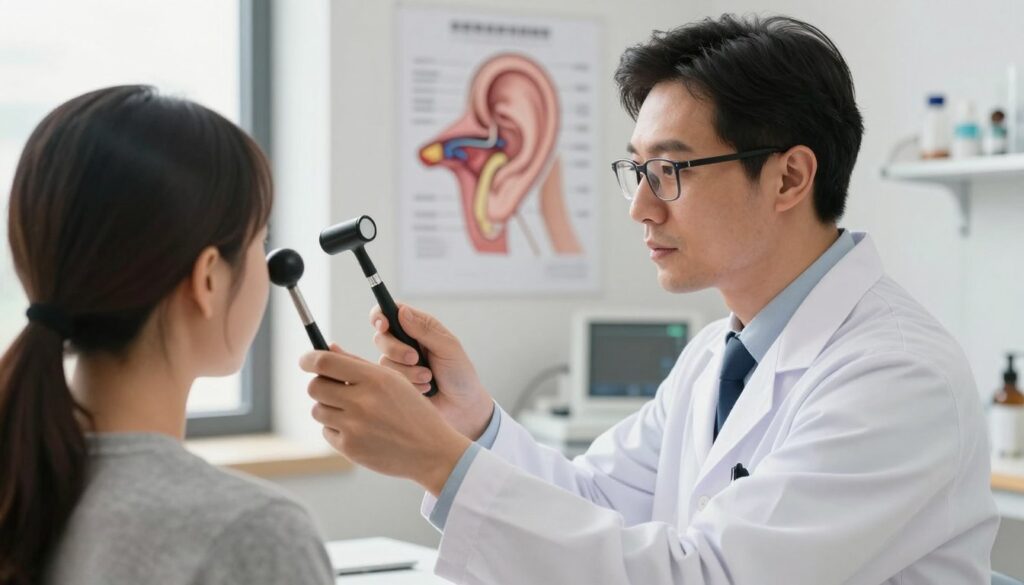
When you hear a popping noise in ear often, getting a proper diagnosis is key. Doctors use different methods to find out what’s wrong and how to fix it. They start by asking about your symptoms and might do more tests if needed.
Medical History and Symptoms
Your doctor will ask you lots of questions. They want to know when the popping started and what makes it happen. They also ask about colds, allergies, or changes in altitude that could lead to ear barotrauma.
- Duration and frequency of symptoms
- Associated pain or hearing loss
- Recent air travel or diving activities
- History of ear infections or sinus problems
Physical Examination Techniques
The doctor will use an otoscope to look in your ears. They check your eardrum and throat. They might also press on your ears and jaw to see if it hurts.
Diagnostic Tests Available
If the first check doesn’t show what’s wrong, more tests are needed. Tympanometry checks how your eardrum moves with air pressure. Audiometry tests your hearing. For more serious issues, like ear barotrauma, CT scans or MRIs are used.
Home Remedies for Popping Noise in Ear
Feeling a crackling sound in your ear or needing ear pressure relief? There are simple ways to feel better. These methods help open the Eustachian tube, which connects your middle ear to your throat. You can do these at home without any special tools.
Valsalva Maneuver
The Valsalva maneuver helps by forcing air through the Eustachian tube. Pinch your nose, keep your mouth shut, and gently blow. You might feel a pop in your ears. But be careful not to blow too hard, as it could hurt your eardrum.
Yawning and Swallowing Techniques
Yawning and swallowing can open the Eustachian tube naturally. To yawn, breathe deeply with your mouth open. Swallowing works better with other actions, like the Toynbee maneuver. Try pinching your nose closed while swallowing water.
Chewing gum or sucking on hard candy also helps. It keeps you swallowing, which can reduce ear crackling sounds.
Use of Warm Compresses
A warm compress on your ear can ease discomfort and help with drainage. Soak a clean washcloth in warm water, wring it out, and hold it on your ear for 10-15 minutes. The heat relaxes muscles and may open blocked passages.
For sinus-related ear problems, try nasal irrigation with a saline solution. It clears mucus that can cause ear pressure.
Over-the-Counter Solutions
Many over-the-counter medications can help with ear popping and discomfort. These treatments aim to fix clogged ears and restore normal function. Always read the label and follow the dosage instructions.
Decongestants
Decongestants like Sudafed and Afrin nasal spray help by reducing swelling in your nasal passages and Eustachian tubes. They work by shrinking blood vessels. Oral decongestants start working in 30 minutes and last 4-6 hours.
Nasal spray versions offer quick relief but should not be used for more than three days. This is to avoid rebound congestion.
Antihistamines
Allergy medications such as Claritin, Zyrtec, and Benadryl are helpful when allergies cause ear issues. They reduce mucus and inflammation that cause clogged ears. Non-drowsy formulas are great for daytime use, while nighttime versions help improve sleep.
Ear Drops
Ear drops provide direct relief for wax buildup and minor infections. Products like Debrox soften wax for easy removal. Swim-Ear drops dry out moisture after swimming or showering.
Benzocaine-based drops offer temporary pain relief.
“The key to successful ear fullness treatment is identifying the underlying cause before selecting an over-the-counter solution.”
These medications work best when used with gentle ear care and staying hydrated.
Lifestyle Changes to Prevent Popping Noise
Making simple lifestyle adjustments can help a lot with ears popping constantly. Small daily changes protect your ear health and stop annoying popping sounds. These changes work best when done every day.
Allergen Management
Environmental allergens like pollen and dust mites can swell your eustachian tubes. This swelling can lead to ear problems. Keep windows closed when pollen is high and use HEPA filters at home.
Regular vacuuming with allergen-proof covers helps too. It reduces dust mite exposure. Also, avoid smoking and polluted areas to prevent ear inflammation.
Hydration Importance
Drinking eight glasses of water a day keeps mucus thin. Thick mucus blocks eustachian tubes and causes ears to pop. Water helps your body drain excess fluid from ears and sinuses.
| Beverage Type | Daily Amount | Benefit for Ears |
|---|---|---|
| Water | 64 oz | Thins mucus |
| Herbal Tea | 16 oz | Reduces inflammation |
| Warm Broth | 8 oz | Soothes passages |
Regular Ear Hygiene
Let earwax move naturally outward instead of using cotton swabs. Pushing wax deeper can block sound waves and make popping worse. Clean only the outer ear with a damp washcloth after showering.
Professional cleaning every six months removes excess buildup safely.
Associated Conditions
Many medical conditions can lead to a popping noise in the ear. These range from temporary issues to chronic problems affecting the ear’s structures. Knowing these conditions helps figure out when simple fixes work and when you need a doctor.
Barotrauma
Ear barotrauma happens when pressure changes too fast damage the eardrum and middle ear. It often affects scuba divers, airplane passengers, and mountain drivers. The pressure stress causes pain, hearing loss, and a popping feeling.
Symptoms of ear barotrauma include:
- Sharp ear pain during pressure changes
- Feeling of fullness or blockage
- Temporary hearing reduction
- Dizziness or vertigo
Tinnitus
Tinnitus is when you hear sounds like ringing or buzzing without anything making them. Some people have middle ear myoclonus, where tiny muscles in the ear spasm. These spasms make clicking or crackling sounds that change in rhythm and intensity.
The popping noise in ear from tinnitus can happen in one or both ears. It might be constant or come and go.
Ear Injuries
Physical trauma to the ear from accidents, loud noises, or foreign objects can cause lasting damage. Cotton swab injuries are a common cause of eardrum perforation. Sounds over 85 decibels, like concerts or machinery, can harm the inner ear’s hair cells.
These injuries often lead to persistent popping sounds, pain, and hearing changes. They need immediate medical attention.
Impact of Flying on Ear Pressure
Air travel can be tough on your ears because of the quick changes in altitude. The pressure in the cabin changes a lot during takeoff and landing. This can cause discomfort, from mild popping to sharp pain that lasts after landing.
Ear Popping During Flights
At high altitudes, the feeling of ear clicking when swallowing gets worse. When planes go up or down, the cabin pressure changes faster than your ears can adjust. This imbalance across the eardrum leads to that familiar popping feeling. Kids and people with sinus issues often feel it more during flights.
Preventive Measures for Travelers
Here are some easy ways to make flying easier on your ears:
- Chew gum or suck on hard candies during takeoff and landing
- Swallow often to open the Eustachian tubes
- Use filtered earplugs made for air travel
- Stay awake during descent to manage pressure
- Avoid flying with severe sinus infections or colds
Recommendations from Experts
Audiologists at Boots Hearingcare recommend the Toynbee maneuver for ear pressure. Pinch your nose shut while swallowing to help. Forced yawning also opens the Eustachian tubes, balancing pressure. For babies, feeding during altitude changes helps with swallowing. Adults with ongoing issues should see an ENT specialist before flying to discuss treatments.
The Role of Allergies
Allergies can cause ear problems for many people every day. When your body reacts to allergens, it can swell up. This swelling affects the Eustachian tubes, which connect your middle ear to your throat.
This swelling blocks normal airflow and fluid drainage. It leads to ear popping causes that can make your ears feel uncomfortable.
Allergic Rhinitis Impact on Ears
Allergic rhinitis, or hay fever, causes inflammation in your upper respiratory system. This swelling narrows the Eustachian tubes. It traps air and mucus in your middle ear.
When pressure builds up, you might hear popping or crackling sounds. Small air bubbles move through the fluid. The inflammation makes your ears feel full or like they need to pop constantly.
Identifying Triggers
Knowing what triggers your allergies helps prevent ear problems. Common culprits include:
- Seasonal pollen from trees, grass, and weeds
- Dust mites in bedding and carpets
- Pet dander from cats and dogs
- Mold spores in damp areas
- Air pollution and cigarette smoke
Allergy Management Strategies
Managing allergies can reduce ear problems. Start by minimizing exposure to triggers. Use regular cleaning and HEPA filters.
Antihistamines like Claritin or Zyrtec reduce inflammation. Nasal sprays, such as Flonase, help keep passages clear. Saline rinses flush out irritants from your nasal passages, preventing ear problems.
Understanding Sinus Pressure
Your sinuses and ears are connected through passages in your head. When your sinuses get congested, it can bother your ears. This is common during colds or allergy seasons.
The swelling in your sinuses can reach the Eustachian tubes. These tubes link your middle ear to the back of your throat.
Connection Between Sinus Issues and Ears
The Eustachian tubes connect your middle ears to the back of your throat. They pass close to your sinus cavities. When your sinuses get inflamed, it can block these tubes.
This blockage stops your ears from balancing air pressure. You might hear a crackling sound when you swallow or yawn. Respiratory infections often cause this problem, affecting both your sinuses and ears.
Symptoms of Sinus-Related Ear Problems
Sinus pressure can lead to ear symptoms. These can be mild or quite bothersome. You might feel:
- A feeling of fullness or pressure in your ears
- Popping or crackling sounds when moving your jaw
- Temporary hearing reduction or muffled sounds
- Mild ear pain or discomfort
- Dizziness or balance issues in some cases
Treatment Options for Sinus Pressure
There are ways to treat ear problems caused by sinus pressure:
| Treatment Method | How It Works | Frequency |
|---|---|---|
| Saline Nasal Rinse | Flushes mucus and reduces inflammation | 2-3 times daily |
| Steam Inhalation | Loosens congestion and opens passages | 10-15 minutes twice daily |
| Decongestant Medications | Reduces swelling in nasal passages | As directed on package |
| Warm Compress | Relieves pressure and promotes drainage | 15-20 minutes as needed |
Managing acid reflux can also help when stomach acid contributes to sinus and ear inflammation. Staying hydrated thins mucus, making it easier to drain. This can reduce the crackling sound in your ear caused by sinus congestion.
Volume and Noise Exposure Effects
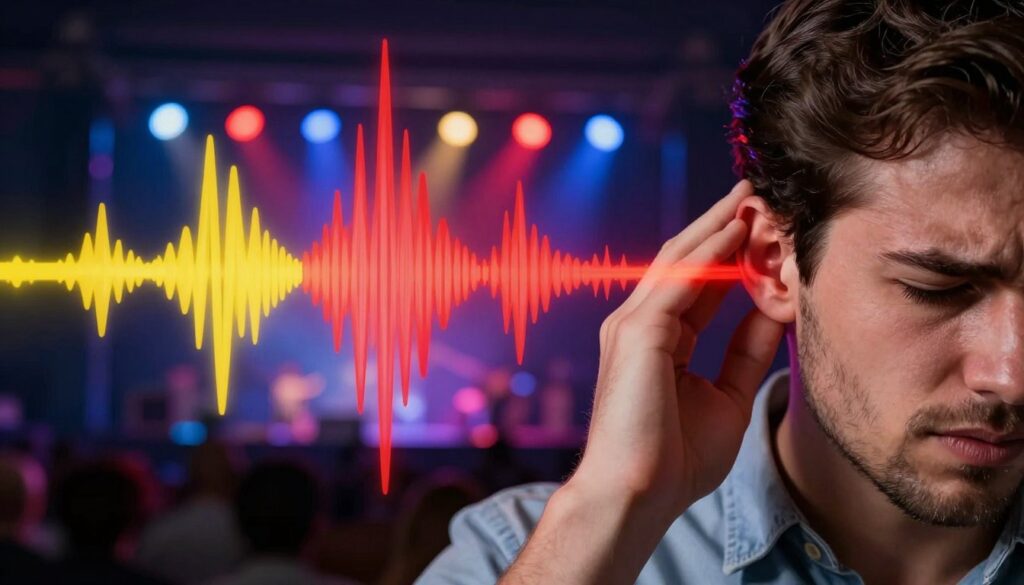
Loud sounds can harm your ears in unexpected ways. High volume levels can damage the delicate structures inside your ear. This damage often leads to ears popping constantly and other uncomfortable symptoms.
Your middle ear muscles may start to spasm in response to excessive noise. This creates that familiar popping noise in ear that many people experience after concerts or working in noisy environments.
Loud Noises and Ear Health
Sounds above 85 decibels can harm your hearing. Common sources include power tools, motorcycles, and loud music venues. The tiny hair cells in your inner ear bend and break when exposed to intense sound waves.
Once damaged, these cells don’t grow back. This permanent damage affects how sound travels through your ear. It may cause ongoing problems like tinnitus or frequent ear popping.
Ways to Protect Your Hearing
Simple steps can preserve your hearing health:
- Wear earplugs at concerts and sporting events
- Keep headphone volume below 60% maximum
- Take regular breaks from noisy activities
- Use noise-canceling headphones instead of turning volume up
- Choose seats away from speakers at venues
Noise-Induced Hearing Loss
Repeated exposure to loud sounds causes permanent hearing loss over time. Workers in construction, manufacturing, and music industries face higher risks. Early warning signs include difficulty hearing conversations in crowded places and ringing in your ears.
Regular hearing tests catch problems early before severe damage occurs.
Alternative Treatments
Many people look for ways to ease ear pressure other than traditional medicine. Natural and complementary therapies offer relief without drugs. They help by easing tension, boosting blood flow, and supporting the body’s healing.
Acupuncture and Ear Symptoms
Acupuncture focuses on ear and face points to balance the body. Skilled acupuncturists use thin needles to help drainage and lower swelling. Research shows it can manage long-term ear pressure issues. Most see better results after four to six weekly visits.
Chiropractic Adjustments
Spinal misalignment can harm ear function. Chiropractors fix these problems with precise adjustments, mainly in the neck. This method helps by easing nerve pressure and improving drainage. Gentle neck adjustments often lead to relief in a few sessions.
Herbal Remedies
Natural supplements can boost ear health and cut down inflammation. Some herbs include:
- Echinacea – boosts immune function
- Goldenseal – reduces mucus production
- Ginkgo biloba – improves circulation
- Garlic oil – fights infection naturally
| Treatment Type | Sessions Needed | Relief Timeline |
|---|---|---|
| Acupuncture | 4-6 sessions | 2-4 weeks |
| Chiropractic Care | 3-5 adjustments | 1-3 weeks |
| Herbal Therapy | Daily use | 2-6 weeks |
Conclusion: Managing Popping Noise in Ear
Ear popping sounds can be annoying, but there are many ways to fix it. Knowing what causes these sounds helps you pick the best solution. You can try home remedies or see a doctor, depending on how bad it is.
Summary of Solutions
What you do depends on why your ears pop. Antibiotics can help if it’s a bacterial infection. An audiologist can remove earwax that blocks your ears. For long-term problems, doctors might put in ear tubes.
For mild cases, try the Valsalva maneuver, warm compresses, or drink more water. These simple steps can help a lot.
Importance of Ear Health
Your ears are key to balance, hearing, and happiness. Taking care of them stops many problems. Stress can make symptoms worse, so find ways to relax.
Also, protect your ears from loud noises. This prevents damage and keeps your ears healthy.
Final Thoughts on Seeking Help
Most of the time, ear clicking goes away by itself. But if it doesn’t, see a doctor. Experts at places like Johns Hopkins Medicine can find and fix the problem.
Getting help early stops bigger issues. This keeps your ears healthy for a long time.