
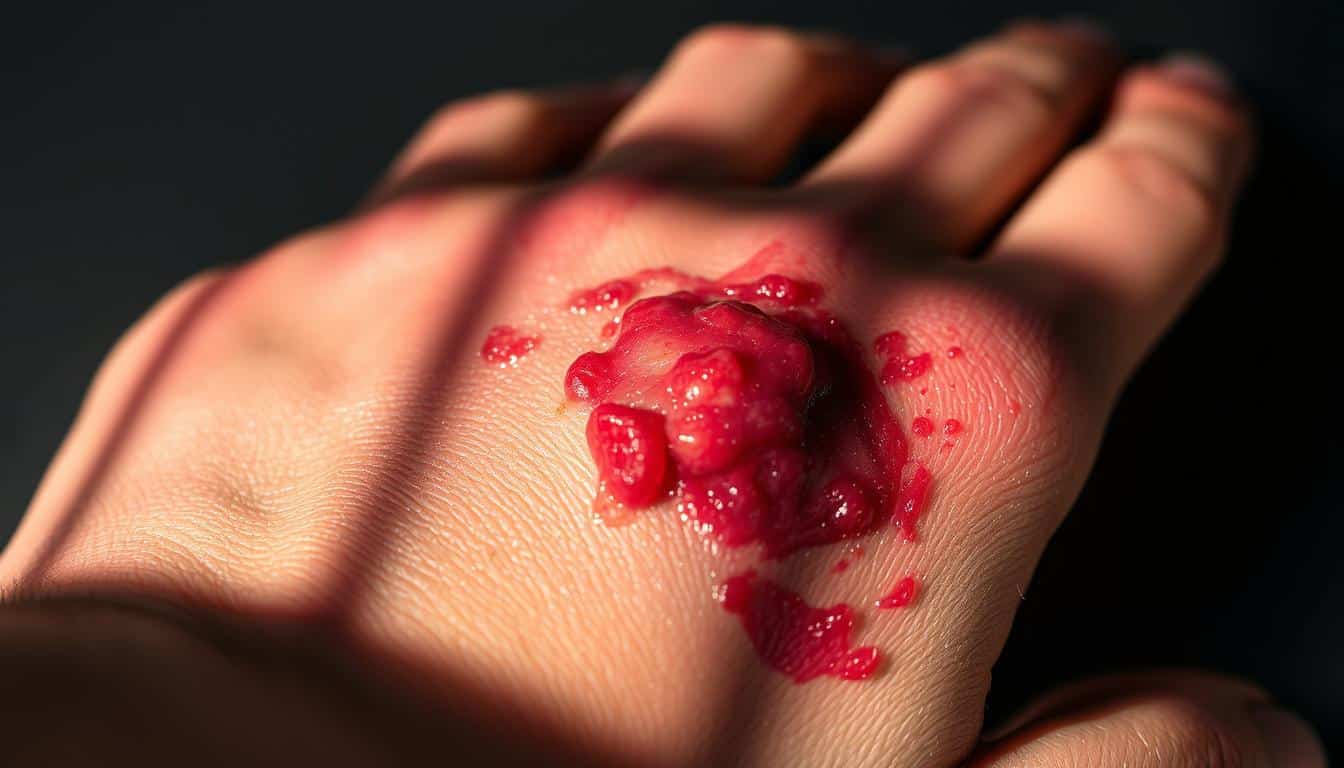
Have you ever noticed a small, rough growth on your skin and wondered what it was? You’re not alone. Millions of people worldwide are affected by warts, which are caused by the human papillomavirus (HPV). These growths can be unsightly and sometimes painful, causing discomfort and distress.
Warts are a common skin infection that can occur anywhere on the body. While they are usually harmless, they can be a sign of an underlying virus that needs attention. Understanding the causes, symptoms, and available treatments is crucial for effective management.
Key Takeaways
- Understanding the causes of warts and how they are spread
- Recognizing the different types of warts and their symptoms
- Exploring effective treatment options for warts
- Learning prevention strategies to reduce the risk of HPV infection
- Knowing when to seek medical attention for warts
Understanding Warts (HPV)
Understanding warts requires knowledge of the human papillomavirus (HPV), the virus that causes these skin growths. Warts are benign growths that appear on the skin due to HPV infection.
What Are Warts?
Warts are benign skin growths that develop when certain strains of HPV infect the top layer of skin, typically entering through tiny cuts or breaks in the skin’s surface. They can appear on various parts of the body, including hands, feet, and face.
The Human Papillomavirus (HPV) Connection
The human papillomavirus (HPV) is a diverse group of more than 100 related viruses. Different strains of HPV cause different types of warts and other health effects throughout the body. Some types of HPV infection cause skin growths called warts, while others can lead to more serious health issues.
How Common Are HPV Infections?
HPV infections are extremely common. Studies suggest that nearly all sexually active people will contract at least one type of HPV during their lifetime. Most HPV infections are asymptomatic and clear naturally within 1-2 years as the body’s immune system successfully fights off the virus.
- Warts are caused by certain strains of HPV infecting the skin.
- There are over 100 types of HPV, leading to various health effects.
- Most HPV infections are asymptomatic and resolve on their own.
Types of Warts
Warts caused by the Human Papillomavirus (HPV) can manifest in various forms across different parts of the body. The diversity in wart types is attributed to the numerous strains of HPV, with over 100 identified types that tend to infect specific body areas and produce characteristic appearances.
Common Warts
Common warts typically appear as rough, raised bumps with a grainy texture and rounded top. They most frequently occur on the hands, fingers, and knees, where the skin experiences frequent trauma or exposure. These warts are often caused by HPV strains that thrive on skin surfaces.
Plantar Warts
Plantar warts develop on the soles of the feet, particularly on pressure points like the heels and balls of the feet. They often grow inward due to pressure from walking and standing, which can cause significant pain. The pressure and friction on these areas make plantar warts particularly uncomfortable.
Flat Warts
Flat warts are smaller and smoother than other types, appearing as flat-topped, slightly raised lesions. They can occur anywhere on the body but commonly affect the face in children, the beard area in men, and the legs in women. Their flat appearance makes them less noticeable, but they can still cause cosmetic concerns.
Genital Warts
Genital warts manifest as flesh-colored or grayish growths in the genital area. They can range from tiny bumps to large, cauliflower-like clusters and are considered the most common sexually transmitted form of HPV. Genital warts appear mostly on the vulva in women but can also occur near the anus, on the cervix, or in the vagina. In men, they appear on the penis and scrotum or around the anus.
| Type of Wart | Common Location | Characteristics |
|---|---|---|
| Common Warts | Hands, Fingers, Knees | Rough, Raised, Grainy Texture |
| Plantar Warts | Soles of Feet | Hard, Grainy, Painful |
| Flat Warts | Face, Beard Area, Legs | Flat-Topped, Slightly Raised |
| Genital Warts | Genital Area, Anus | Flesh-Colored, Cauliflower-Like |
The appearance of warts can vary significantly between individuals, depending on factors like the specific HPV strain, location on the body, and the person’s immune response to the infection. Understanding the different types of warts and their characteristics is crucial for effective diagnosis and treatment.
How HPV Spreads
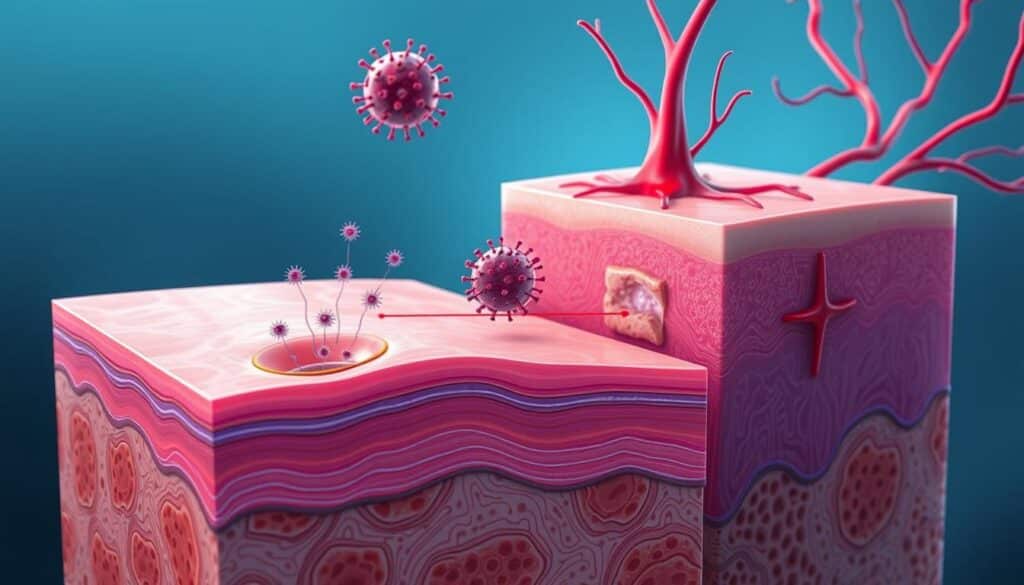
HPV transmission occurs primarily through direct contact with an infected individual. The virus can enter the body through tiny breaks or abrasions in the skin’s surface, making even brief contact potentially sufficient for transmission.
Skin-to-Skin Contact
The primary mode of HPV transmission is through skin-to-skin contact. This can occur during various activities, including sexual contact. The virus can infect areas not covered by condoms, making it a significant concern for sexually active individuals.
Sexual Transmission
Genital HPV infections are primarily spread through vaginal, anal, or oral sexual contact. This makes HPV a sexually transmitted infection. Studies have shown that condoms provide only partial protection against HPV transmission.
Environmental Transmission
HPV can also be transmitted through contact with contaminated surfaces or objects, such as shower floors or shared towels, although this is more common for non-genital warts.
Mother-to-Child Transmission
In rare cases, pregnant individuals with active genital warts can transmit the infection to their baby during childbirth, potentially leading to respiratory papillomatosis.
The risk of HPV transmission is highest when visible warts are present, but the virus can spread even when no symptoms are visible. Understanding these transmission routes is crucial for developing effective prevention strategies.
Recognizing Wart Symptoms
The appearance and sensations associated with warts can vary significantly depending on their type and location. Different types of HPV produce different warts, leading to a range of symptoms.
Visual Appearance of Different Wart Types
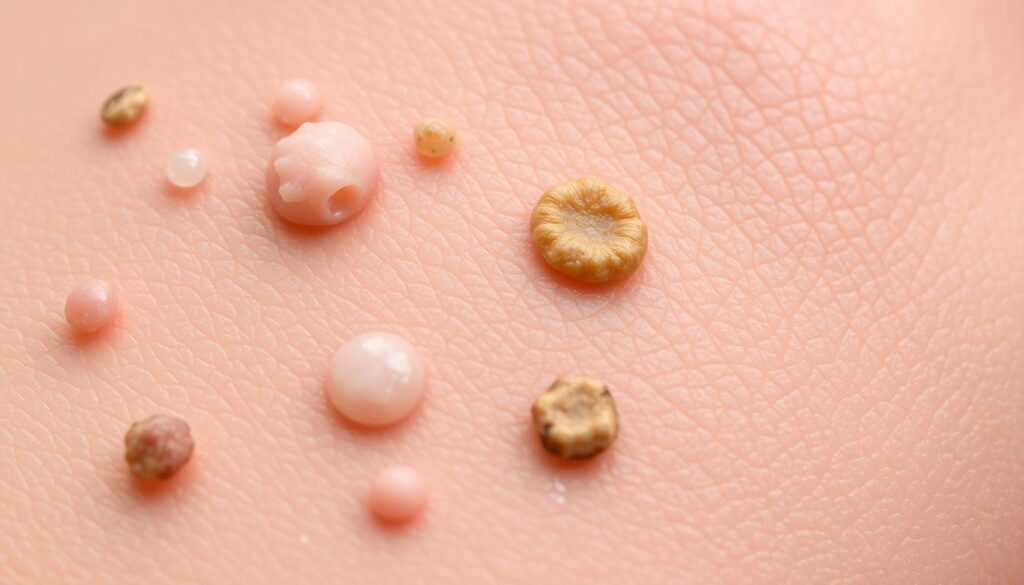
Warts can manifest in various forms. Common warts typically appear as rough, raised bumps with a grainy texture. In contrast, plantar warts often have tiny black dots, which are clotted blood vessels, visible within them. Flat warts are smoother and smaller, while genital warts can range from tiny bumps to cauliflower-like clusters.
Physical Sensations and Discomfort
The physical sensations associated with warts depend largely on their location. For instance, plantar warts can cause pain during walking due to pressure, while common warts may occasionally bleed or feel tender when bumped. Genital warts might cause itching or discomfort during intercourse.
When Warts May Be Asymptomatic
Many HPV infections remain asymptomatic, with the virus present in the skin but not producing visible warts. This is particularly common with certain strains of genital HPV that can still be transmitted despite showing no symptoms.
| Wart Type | Visual Appearance | Common Symptoms |
|---|---|---|
| Common Warts | Rough, raised bumps with grainy texture | Occasional bleeding, tenderness |
| Plantar Warts | Tiny black dots within the wart | Pain during walking |
| Genital Warts | Tiny bumps to cauliflower-like clusters | Itching, discomfort during intercourse |
Risk Factors for HPV Infection
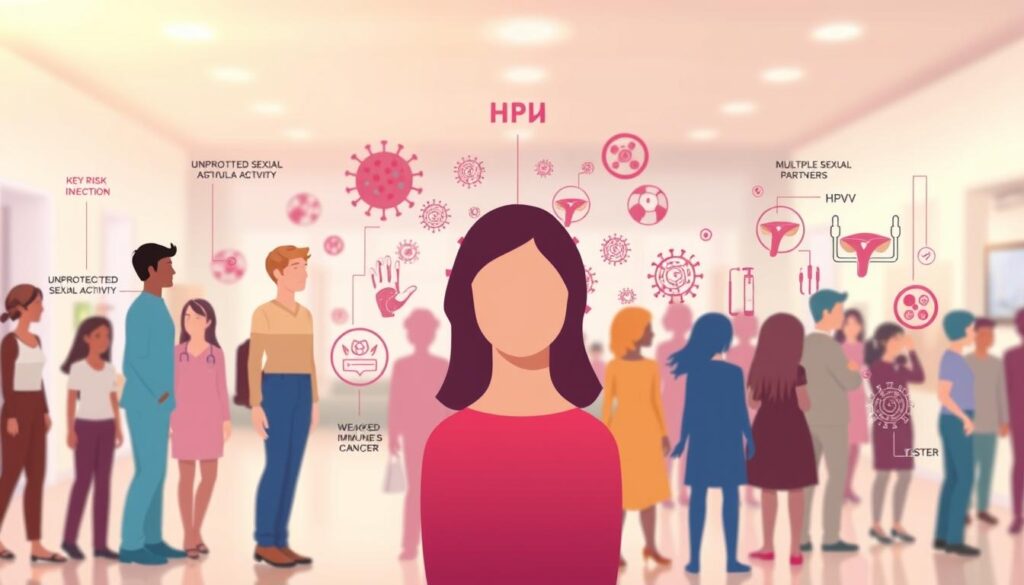
Understanding the risk factors associated with HPV infection is crucial for prevention and early detection. Several factors contribute to the likelihood of contracting HPV, which can lead to the development of warts and other health complications.
Age-Related Risks
Age plays a significant role in HPV risk profiles. Common warts occur mostly in children and adolescents, while genital HPV infections peak in sexually active young adults between ages 18-25.
Sexual Activity Factors
Sexual activity significantly influences genital HPV transmission risk. The number of lifetime sexual partners is the strongest predictor of HPV infection, and having a partner with multiple previous partners also increases the risk.
Compromised Immune System
Individuals with weakened immune systems due to conditions like HIV/AIDS or immunosuppressive medications face higher risks of developing persistent HPV infections.
Skin Damage and Environmental Exposure
Skin damage and environmental exposure, such as in communal areas like locker rooms and swimming pools, also increase the risk of HPV infection. Certain occupations, like healthcare workers, are at higher risk due to increased exposure to potentially contaminated surfaces.
- Age is a critical factor, with different types of warts occurring at different ages.
- Sexual activity factors, including the number of sex partners, significantly influence the risk of genital HPV transmission.
- A compromised immune system increases the risk of persistent HPV infections.
- Skin damage creates entry points for the virus, increasing the risk of common warts.
Diagnosing Warts and HPV
Diagnosing warts and HPV infections requires a comprehensive approach that includes various diagnostic methods. According to the Centers for Disease Control and Prevention, HPV infections are a significant public health concern, particularly because they are associated with cervical cancer. The diagnosis of HPV and warts is crucial for managing the infection and preventing potential complications.
Visual Examination
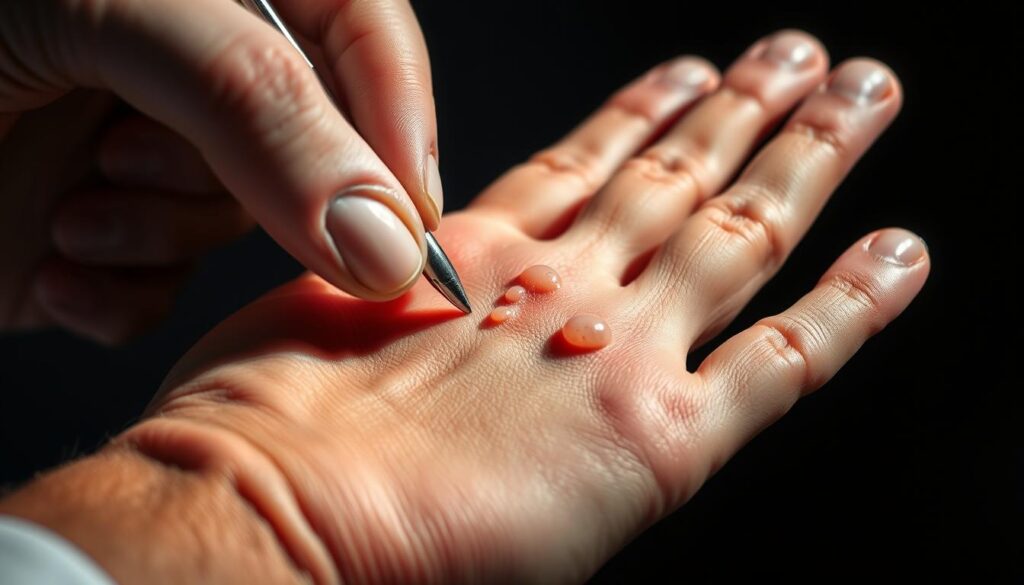
A visual examination is often the first step in diagnosing warts. Healthcare providers identify warts based on their characteristic appearance, location, and surface patterns. Sometimes, magnification or special lighting is used to enhance visibility. As noted by a medical expert, “Visual examination remains the primary diagnostic method for most warts.”
Biopsy Procedures
For atypical or suspicious growths, a biopsy may be performed. This involves removing a small tissue sample and examining it under a microscope to confirm the diagnosis and rule out other conditions, such as skin cancer or precancerous lesions.
HPV DNA Testing
HPV DNA testing has become an essential diagnostic tool, particularly for genital HPV infections. This test detects the virus’s genetic material, identifying specific high-risk strains associated with cancer development. Regular screening through Pap tests and HPV testing is vital for detecting HPV-related changes in the cervix before they progress to cancer.
Cervical Screening for HPV
Cervical screening is critical for women’s health, especially in detecting HPV-related cervical changes. Current guidelines recommend that women aged 21 to 29 have a Pap test every three years. As emphasized by health experts, “Regular screening tests can find changes in the cervix that might lead to cancer, making early detection and treatment possible.”
Various diagnostic tests are available for detecting HPV and warts, including acetowhitening and dermatoscopy. For recurrent or treatment-resistant warts, advanced testing may be recommended to identify the specific HPV strain involved, guiding treatment decisions and assessing cancer risk.
Treatment Options for Warts
The good news for those dealing with warts is that numerous treatment options exist, ranging from simple home remedies to advanced medical procedures. Warts can be stubborn, but many treatment options can help get rid of them. While warts are ultimately harmless, they may make you feel embarrassed or disrupt your day-to-day.
Over-the-Counter Treatments
Over-the-counter (OTC) treatments typically contain salicylic acid in varying strengths and formulations. These work by gradually removing infected skin layers through chemical exfoliation over several weeks of consistent application.
Prescription Medications
Prescription medications offer stronger options when OTC treatments fail, including higher-concentration salicylic acid preparations and immunomodulators that stimulate the body’s immune response against the virus.
Cryotherapy and Surgical Removal
Cryotherapy involves freezing the wart with liquid nitrogen, causing a blister to form under and around the wart. Surgical removal techniques include curettage and excision, providing immediate removal but carrying risks of scarring.
| Treatment Method | Description | Effectiveness |
|---|---|---|
| Over-the-Counter Treatments | Contain salicylic acid for gradual removal of infected skin | Effective for common warts |
| Cryotherapy | Freezes wart with liquid nitrogen | High success rate, requires multiple sessions |
| Surgical Removal | Involves scraping or cutting out the wart | Immediate removal, risk of scarring |
Treatment selection depends on multiple factors, including wart type, location, size, patient age, and immune status. Combination approaches often provide better results than single-method treatments for stubborn cases.
HPV and Cancer Risk
The connection between Human Papillomavirus (HPV) and various cancers has become a significant public health concern. HPV is a common virus that can lead to cancer in some cases.
High-Risk vs. Low-Risk HPV Strains
HPV strains are categorized into high-risk and low-risk types based on their potential to cause cancer. Approximately 14 high-risk types, particularly HPV16 and 18, are responsible for most HPV-related cancers. In contrast, low-risk types like HPV6 and 11 typically cause benign warts.
Cervical Cancer Connection
The link between HPV and cervical cancer is well-established, with nearly all cervical cancer cases linked to high-risk HPV infections. However, most HPV infections clear naturally, and only persistent infections with high-risk types lead to cancer development.
Other HPV-Related Cancers
Beyond cervical cancer, HPV is associated with other cancers, including anal, penile, vaginal, vulvar, and oropharyngeal cancers. Regular screening is crucial for early detection.
| Cancer Type | HPV Association |
|---|---|
| Cervical Cancer | Almost 100% |
| Anal Cancer | 91% |
| Penile Cancer | 63% |
Screening Recommendations
Current guidelines recommend cervical cancer screening starting at age 21. Women aged 30-65 should have a Pap test every 3 years or HPV testing every 5 years. Regular screening can help detect cancer early.
Preventing HPV Infection and Warts
Preventing HPV infection and warts requires a multi-faceted approach that includes vaccination, safe sex practices, and maintaining a healthy immune system. By understanding the various methods of prevention, individuals can significantly reduce their risk of contracting HPV and developing warts.
HPV Vaccines: Who Should Get Them and When
The HPV vaccine, such as Gardasil9, is a crucial tool in preventing HPV infection and related diseases. The vaccine is recommended for both males and females, starting as early as age 9. The typical vaccination schedule involves two doses for children under 15, given 6-12 months apart, and three doses for those starting at age 15 or older, administered over six months.
Safe Sex Practices
Engaging in safe sex practices is essential for reducing the risk of HPV transmission. This includes using latex condoms consistently, limiting the number of sexual partners, and maintaining open communication about sexual health history with partners.
Avoiding Wart Contact
Avoiding direct contact with warts is vital for preventing the spread of non-genital HPV. This can be achieved by not sharing personal items, wearing flip-flops in public areas, and covering existing warts with waterproof bandages during activities.
Maintaining Strong Immune Function
Maintaining a healthy immune system is crucial for naturally clearing HPV infections. This can be achieved through regular exercise, adequate sleep, stress management, balanced nutrition, and avoiding smoking.
- HPV vaccines provide protection against the most common cancer-causing and wart-causing HPV types.
- Safe sex practices, including condom use and limiting sexual partners, reduce HPV transmission risk.
- Avoiding direct contact with warts prevents non-genital HPV spread.
- Maintaining strong immune function helps the body clear HPV infections naturally.
When to See a Healthcare Provider
Recognizing the signs that indicate a need for professional medical evaluation for warts can significantly impact treatment outcomes. Certain symptoms and changes in warts warrant immediate medical attention.
Concerning Symptoms and Changes
Warts that change in color, size, or shape rapidly, bleed unexpectedly, or cause persistent pain should be evaluated by a healthcare professional. Additionally, warts with unusual borders or pigmentation may indicate other skin conditions that require medical attention.
Persistent or Spreading Warts
If warts persist beyond 3-6 months despite home treatment, or if they begin spreading rapidly, medical evaluation is recommended. This could indicate a resistant strain of HPV or an issue with the immune system.
Pain or Functional Impairment
Warts causing pain or functional impairment, such as plantar warts that make walking difficult, should prompt a visit to a healthcare provider for targeted treatment options.
Seeking medical advice is crucial for effective wart management and preventing potential complications, especially for individuals with compromised immune systems or those experiencing genital warts.
Conclusion
In conclusion, understanding the complex relationship between HPV and warts is crucial for effective prevention and treatment strategies. Most HPV infections resolve on their own, but persistent high-risk strains can lead to serious health issues, including various cancers.
Prevention through vaccination and regular health screenings remains the best approach against HPV-related diseases.