

In our quest for better health and well-being, we often find ourselves searching for foods that can provide us with the maximum nutritional benefits. This pursuit has led to the emergence of the term “super healthy foods,” which refers to those nutrient-dense options that can significantly enhance our overall health. These foods are not just a passing trend; they represent a fundamental shift in how we view nutrition and its impact on our bodies.
By incorporating these super healthy foods into our diets, we can improve our energy levels, boost our immune systems, and reduce the risk of chronic diseases. As we delve deeper into the world of super healthy foods, we discover a diverse array of options that cater to various tastes and dietary preferences. From vibrant fruits and vegetables to wholesome grains and proteins, the possibilities are endless.
Our journey into this realm not only enriches our plates but also empowers us to make informed choices about what we consume. By understanding what makes certain foods “super healthy,” we can take proactive steps toward a more balanced and nourishing diet.
Key Takeaways
- Super healthy foods are nutrient-dense and provide a wide range of health benefits.
- Foods are considered “super healthy” when they are rich in vitamins, minerals, antioxidants, and other beneficial compounds.
- Fruits and berries are excellent sources of vitamins, fiber, and antioxidants that support overall health.
- Vegetables and leafy greens are packed with essential nutrients like vitamin C, vitamin K, and folate, and are low in calories.
- Whole grains, legumes, nuts, seeds, lean proteins, healthy fats, and dairy alternatives are all important components of a super healthy diet.
What Makes a Food “Super Healthy”?
When we consider what qualifies a food as “super healthy,” several key factors come into play. Primarily, these foods are characterized by their high nutrient density, meaning they provide a wealth of vitamins, minerals, and antioxidants relative to their calorie content. This nutrient density is crucial because it allows us to obtain essential nutrients without excessive caloric intake, making it easier to maintain a healthy weight while still nourishing our bodies.
Moreover, super healthy foods often possess unique health-promoting properties. For instance, many of these foods are rich in antioxidants, which help combat oxidative stress and inflammation in our bodies. Additionally, they may contain phytochemicals that support various bodily functions and contribute to overall health.
By focusing on these nutrient-rich options, we can enhance our diets and support our long-term well-being.
Fruits and Berries
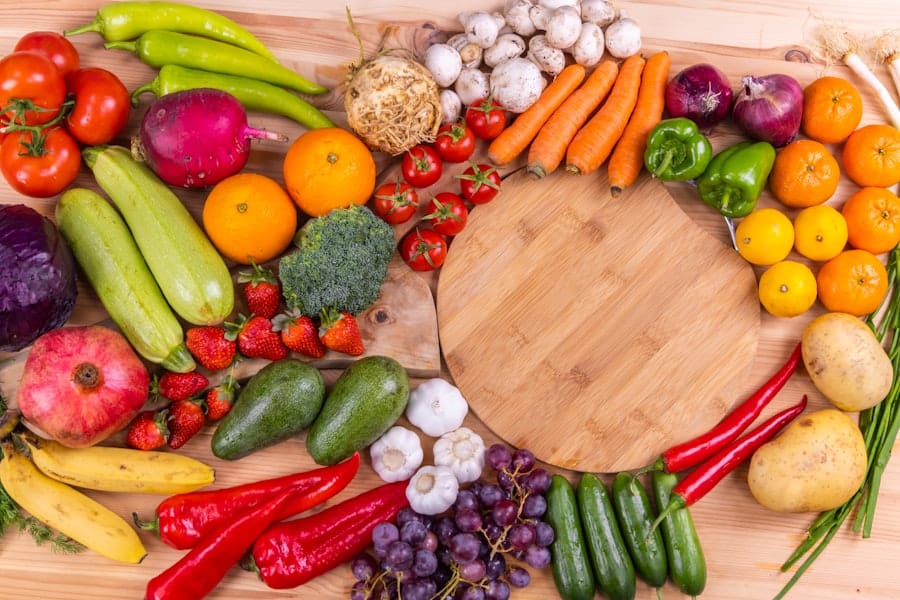
Fruits and berries are often at the forefront of discussions about super healthy foods, and for good reason. These colorful delights are packed with vitamins, minerals, and fiber, making them an essential component of any balanced diet. From the vibrant hues of berries like blueberries and strawberries to the tropical sweetness of mangoes and pineapples, fruits offer a wide range of flavors and textures that can satisfy our cravings while providing numerous health benefits.
One of the standout features of fruits is their high antioxidant content. Berries, in particular, are renowned for their ability to combat oxidative stress due to their rich supply of anthocyanins and other beneficial compounds. Regular consumption of these fruits has been linked to improved heart health, enhanced cognitive function, and even reduced risk of certain cancers.
By incorporating a variety of fruits into our daily meals, we not only enjoy their delicious taste but also fortify our bodies with essential nutrients.
Vegetables and Leafy Greens
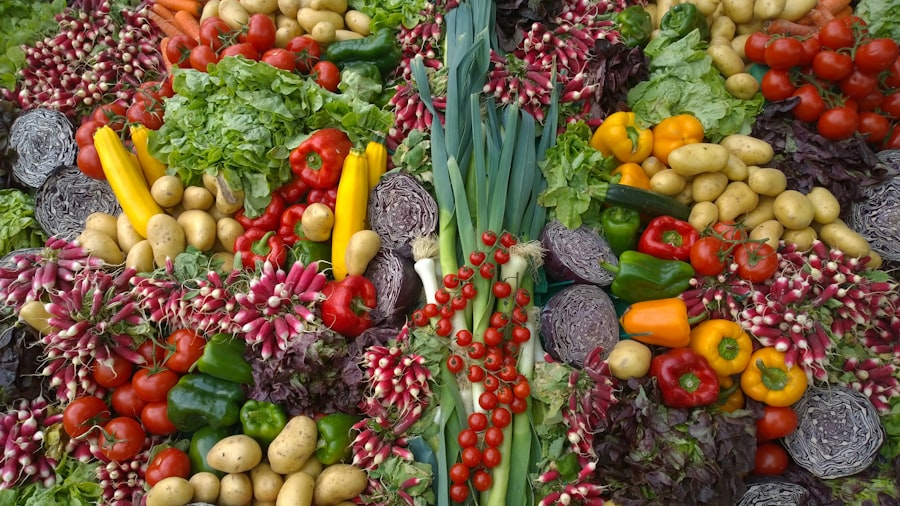
Vegetables and leafy greens are another cornerstone of super healthy foods that we should embrace wholeheartedly. These nutrient powerhouses are low in calories yet high in essential vitamins and minerals, making them an ideal choice for anyone looking to improve their diet. Leafy greens like spinach, kale, and Swiss chard are particularly noteworthy for their impressive nutrient profiles, offering significant amounts of vitamins A, C, K, and various B vitamins.
In addition to their vitamin content, vegetables are also rich in dietary fiber, which plays a crucial role in digestive health. Fiber helps regulate bowel movements, supports gut health, and can even aid in weight management by promoting feelings of fullness. By incorporating a variety of colorful vegetables into our meals—whether through salads, stir-fries, or smoothies—we can ensure that we are reaping the numerous benefits they have to offer while adding vibrancy to our plates.
Whole Grains and Legumes
Whole grains and legumes are often overlooked in discussions about super healthy foods, yet they play a vital role in promoting overall health. Whole grains such as quinoa, brown rice, and oats are packed with fiber, vitamins, and minerals that contribute to heart health and digestive wellness. Unlike refined grains, whole grains retain their bran and germ layers, which contain most of the grain’s nutrients.
Legumes, including beans, lentils, and chickpeas, are another excellent source of plant-based protein and fiber. They are not only versatile but also incredibly filling, making them an ideal choice for those looking to maintain a healthy weight. The combination of whole grains and legumes creates a complete protein source when consumed together, providing all the essential amino acids our bodies need for optimal functioning.
By incorporating these foods into our diets regularly, we can enjoy their myriad health benefits while diversifying our meals.
Nuts and Seeds
Nuts and seeds are often celebrated as super healthy snacks that provide a wealth of nutrients in small packages. These tiny powerhouses are rich in healthy fats, protein, fiber, vitamins, and minerals. Almonds, walnuts, chia seeds, and flaxseeds are just a few examples of the many options available to us.
The healthy fats found in nuts and seeds—particularly omega-3 fatty acids—are known for their heart-protective properties and anti-inflammatory effects. In addition to their nutritional benefits, nuts and seeds can also be incredibly versatile in our cooking and snacking routines. We can sprinkle them on salads for added crunch or blend them into smoothies for a creamy texture.
Their satisfying nature makes them an excellent choice for curbing hunger between meals while providing sustained energy throughout the day. By incorporating a variety of nuts and seeds into our diets, we can enjoy their delicious flavors while reaping the numerous health benefits they offer.
Lean Protein Sources
When it comes to super healthy foods, lean protein sources deserve special attention. Protein is essential for building and repairing tissues in our bodies, supporting immune function, and maintaining muscle mass as we age. Lean meats such as chicken breast and turkey are excellent sources of high-quality protein without excessive saturated fat.
Additionally, fish—especially fatty fish like salmon—provides not only protein but also heart-healthy omega-3 fatty acids. For those following plant-based diets or seeking alternatives to animal products, there are plenty of options available as well. Tofu, tempeh, and edamame are all excellent sources of plant-based protein that can easily be incorporated into various dishes.
By diversifying our protein sources—whether through lean meats or plant-based options—we can ensure that we meet our protein needs while enjoying a wide range of flavors and textures in our meals.
Healthy Fats and Oils
Healthy fats play an essential role in our diets as they provide energy, support cell growth, and aid in the absorption of fat-soluble vitamins. When we think about super healthy foods, it’s important not to shy away from fats altogether; instead, we should focus on incorporating healthy fats into our meals. Sources such as avocados, olive oil, and fatty fish offer beneficial monounsaturated and polyunsaturated fats that can promote heart health.
Olive oil is particularly noteworthy for its anti-inflammatory properties and has been linked to numerous health benefits when used as part of a balanced diet. We can drizzle it over salads or use it as a base for cooking to enhance both flavor and nutrition. Similarly, avocados provide a creamy texture along with essential nutrients like potassium and fiber.
By embracing healthy fats in moderation, we can enhance the flavor of our meals while supporting our overall health.
Dairy and Dairy Alternatives
Dairy products have long been considered a staple in many diets due to their rich calcium content and other essential nutrients like vitamin D and protein. However, with the rise of lactose intolerance and dairy allergies among some individuals, dairy alternatives have gained popularity as viable options for obtaining similar nutritional benefits. Plant-based milk alternatives such as almond milk, soy milk, or oat milk can provide calcium and vitamin D while catering to those with dietary restrictions.
Incorporating both dairy products and dairy alternatives into our diets allows us to enjoy a variety of flavors while ensuring we meet our nutritional needs. Yogurt is another excellent option that offers probiotics—beneficial bacteria that support gut health—regardless of whether it’s dairy or plant-based.
By exploring different dairy options available to us, we can find what works best for our bodies while still enjoying delicious meals.
Superfoods and Functional Foods
The term “superfoods” often refers to specific foods that boast exceptional health benefits due to their high nutrient content or unique properties. Foods like acai berries, spirulina, or matcha green tea have gained popularity for their purported ability to enhance energy levels or support weight loss efforts. While these foods can certainly be beneficial additions to our diets, it’s important to remember that no single food holds the key to optimal health; rather, it’s the overall balance of nutrients that matters most.
Functional foods take this concept further by providing additional health benefits beyond basic nutrition. For example, fermented foods like kimchi or sauerkraut contain probiotics that promote gut health while also being rich in vitamins. By incorporating a variety of superfoods and functional foods into our diets alongside other nutrient-dense options, we can create a well-rounded approach to nutrition that supports our overall well-being.
Incorporating Super Healthy Foods into Your Diet
As we reflect on the diverse array of super healthy foods available to us, the next step is finding ways to incorporate them into our daily lives seamlessly. One effective strategy is meal planning; by dedicating time each week to plan nutritious meals that include various super healthy options—such as fruits, vegetables, whole grains, lean proteins—we can ensure that we have balanced meals ready at hand.
Additionally, experimenting with new recipes can make incorporating these foods more enjoyable.
We might try adding spinach to smoothies for an extra nutrient boost or swapping out white rice for quinoa in our favorite dishes. By being open-minded about trying new ingredients or cooking methods, we can discover exciting ways to enjoy super healthy foods while enhancing both flavor and nutrition in our meals. In conclusion, embracing super healthy foods is not just about following trends; it’s about making informed choices that benefit our bodies in the long run.
By understanding what makes certain foods “super healthy” and exploring the vast array of options available—from fruits and vegetables to lean proteins and healthy fats—we can create nourishing meals that support our overall well-being. As we embark on this journey toward better health together, let us celebrate the delicious possibilities that super healthy foods offer us every day!
If you are interested in learning more about health conditions and treatments, you may want to check out this article on Understanding Neck Pain and Stiffness in Multiple Sclerosis: Symptoms, Treatments, and More. This informative piece delves into the symptoms, causes, and treatment options for individuals experiencing neck pain and stiffness due to multiple sclerosis. It provides valuable insights and advice for managing this challenging aspect of the condition.
FAQs
What are super healthy foods?
Super healthy foods are nutrient-dense foods that provide a wide range of essential vitamins, minerals, and antioxidants. These foods are known for their numerous health benefits and are often recommended for a balanced and nutritious diet.
What are some examples of super healthy foods?
Some examples of super healthy foods include berries, leafy greens, nuts and seeds, fatty fish, whole grains, and cruciferous vegetables. These foods are packed with essential nutrients and are known for their positive impact on overall health.
What are the benefits of consuming super healthy foods?
Consuming super healthy foods can lead to improved heart health, better digestion, increased energy levels, and a stronger immune system. These foods are also known for their ability to reduce the risk of chronic diseases such as diabetes, cancer, and obesity.
How can I incorporate super healthy foods into my diet?
You can incorporate super healthy foods into your diet by adding them to your meals and snacks. For example, you can include berries in your morning smoothie, add leafy greens to your salads, and snack on nuts and seeds throughout the day. Additionally, you can replace processed foods with whole grains and incorporate fatty fish into your weekly meal plan.
Are super healthy foods suitable for everyone?
Super healthy foods are generally suitable for everyone, but individual dietary needs and restrictions should be taken into consideration. For example, those with allergies or specific dietary requirements should be mindful of which super healthy foods they consume. It’s always best to consult with a healthcare professional or a registered dietitian before making significant changes to your diet.