
Why do many women worry about their genital anatomy? Every vulva is as unique as a fingerprint. This is a reality that millions face every day but rarely talk about.
The truth about big labia is often misunderstood. Your vulva has outer and inner lips, each with its own features. These differences in shape, size, and color are natural and make you special.
Understanding your genital anatomy means realizing there’s no one “normal” standard. Your vulva includes more than just the labia. It has the clitoris, pubic hair, and natural discharge, all adding to your unique anatomy.
Many women find out their big labia are healthy after years of worry. Doctors say size variations are natural and usually don’t mean health problems. Your unique genital anatomy is something to be celebrated, not compared to others.
Key Takeaways
- Every vulva has unique characteristics in shape, size, and color that are completely normal
- The labia majora (outer lips) and labia minora (inner lips) vary significantly between individuals
- No two vulvas look identical, and this diversity is natural and healthy
- Big labia are a normal variation in genital anatomy that affects many women
- Understanding your anatomy helps combat myths and reduces unnecessary anxiety
- Medical professionals recognize labial variations as part of normal human diversity
Understanding Labia Anatomy
The female body has unique parts that differ from person to person. Every woman’s body is unique, and knowing these differences is key for feminine health awareness. The external genital area has several parts that protect internal organs and keep us healthy.
Overview of Labia Majora and Minora
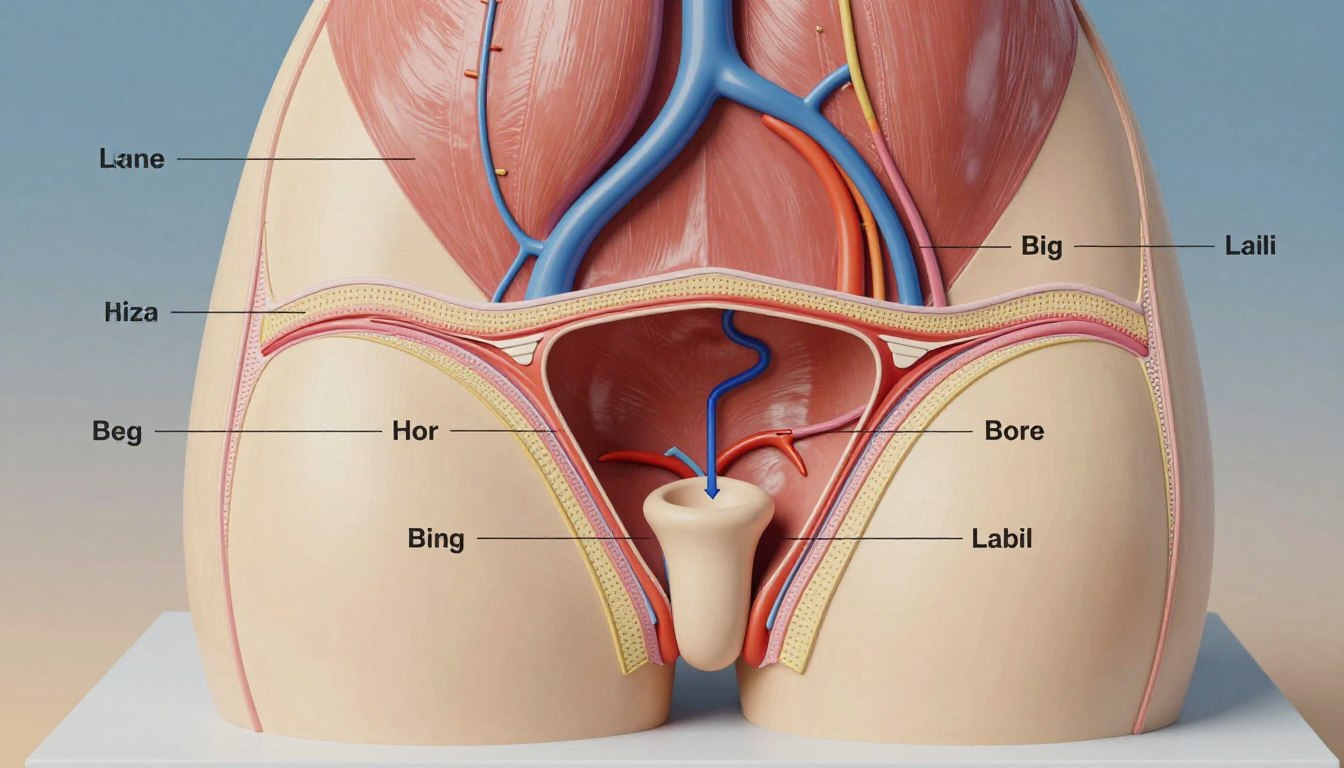
The labia majora are the outer skin folds with fat and hair follicles. They act as the outer protective layer. The labia minora are thinner, inner folds that go from the clitoris to below the vaginal opening. Some women have large labia minora that go beyond the outer lips, which is normal.
Functions of the Labia
The labia majora and minora protect the vaginal opening, urethra, and clitoris from harm. The labia minora have glands that make natural lubrication. These parts help with sexual arousal and keep the right pH balance for feminine health.
Variations in Size and Shape
Research with 657 participants showed the diversity in labial sizes. The study found that elongated labia are just one of many normal variations:
| Labial Structure | Average Length | Average Width |
|---|---|---|
| Right Labia Majora | 79.71 mm (3.1 inches) | Not measured |
| Left Labia Majora | 79.99 mm (3.1 inches) | Not measured |
| Right Labia Minora | 42.1 mm (1.7 inches) | 13.4 mm (0.5 inches) |
| Left Labia Minora | 42.97 mm (1.7 inches) | 14.15 mm (0.6 inches) |
Nine common labial shapes exist, including asymmetrical and curved edges. Each shape is healthy and normal.
What Constitutes “Big” Labia?
What makes labia “big” can vary a lot. Doctors and cultures have different ideas about it. Knowing both sides can help women see labia size in a new light.
Defining Size: Medical Perspectives
Doctors say labial hypertrophy happens when the inner labia are longer than the outer ones. They don’t use exact sizes to check for it. They look at how the labia feel and if they cause discomfort.
Labial hypertrophy can start at birth or grow during big life changes. Hormonal changes during puberty, pregnancy, and menopause often cause it. Research from the American Journal of Obstetrics and Gynecology shows that BMI affects labia size. Vaginal delivery can also change labia length.
Cultural Perspectives on Labial Size
Cultures see labia size in their own ways. In some African communities, stretching labia is a tradition. It’s meant to improve sex and mark a girl’s growth into womanhood.
“Beauty standards for female anatomy vary dramatically across cultures, reminding us that there’s no universal ‘normal’ when it comes to our bodies.”
In Western societies, media pushes narrow beauty standards. But other cultures celebrate the diversity of female bodies. Seeing these views helps women understand that worries about labia size often come from culture, not health.
Common Myths About Big Labia
Many myths about the vulva exist, causing worry about normal variations. These myths might make people think about getting labiaplasty when it’s not needed. Knowing the truth can help people accept their bodies and make smart health choices.
Addressing Stigma and Misconceptions
Beliefs about labia size often come from not knowing about normal anatomy. One myth is that masturbation or sex makes labia bigger. This is not true. Labia size is mostly due to genetics and hormones, not sexual activity.
Other common myths include:
- Hair removal changes labia color (skin may simply appear different without hair)
- Sexually transmitted infections cause labial changes
- Asymmetry indicates a problem
- Larger labia develop from frequent intercourse
Impact of Media on Perceptions of Labia
Adult entertainment and photoshopped images set wrong expectations for genital looks. The “tucked in” look is rare, found in less than 10% of people. This narrow view pushes many to get labiaplasty without knowing about normal variations.
| Media Representation | Actual Statistics |
|---|---|
| Perfectly symmetrical labia | 73% of people have asymmetry |
| Inner labia completely hidden | 56% have visible inner labia |
| Uniform pink color | Wide range of natural colors exist |
These myths affect how people see themselves and might push for surgery. Understanding how media shapes these views can help people value their natural bodies.
The Importance of Labial Size Awareness
Knowing about labial anatomy is more than just basic knowledge. It affects both our physical health and how we feel about ourselves. Studies show that different labial sizes are normal. Yet, many women don’t know how this natural variation impacts their lives and intimate moments.
Health Implications of Big Labia
Big labia health worries are often overblown, but some women face real physical issues. They might feel uncomfortable during exercise, cycling, or wearing tight clothes. Some struggle with putting in tampons or feel irritation from rubbing.
Doctors say that most discomfort is manageable. Simple changes like wearing breathable fabrics or using balms during activities can help. Leading studies show that labial size rarely leads to serious health problems.
Relation to Sexual Health and Comfort
Research from 2020 found good news about sexual comfort for women with larger labia. The studies showed that labial size doesn’t impact:
- Sexual function or arousal
- Ability to achieve orgasm
- Physical pleasure during intimacy
How we see ourselves is more important than our anatomy. Women who feel good about their bodies enjoy sex more, no matter their labial size. Learning and talking openly with partners can make sex more comfortable and reduce worries about looks.
Labial Changes Through Life Stages

The female body changes a lot as we grow, and labia development is a big part of that. These changes happen because of hormones that affect the genital area in special ways. Knowing about these changes helps women see that changes in their labia are just part of growing up.
Development During Puberty
Puberty is when labia development really starts for young women. The inner lips grow faster than the outer ones at first. This makes the inner lips look bigger before the outer ones catch up. Estrogen helps make this happen, making the tissue grow and get more mature.
The genital area has more melanocytes than other parts of the body. These cells react a lot to hormones during puberty. This can make the area darker, and how dark it gets can vary a lot from person to person.
Impact of Hormonal Changes
Hormonal changes affect labia appearance throughout a woman’s life. Important events that cause these changes include:
- Pregnancy and childbirth
- Monthly menstrual cycles
- Menopause
- Natural aging process
Pregnancy brings more blood flow and estrogen, leading to swelling and color changes. After menopause, less estrogen makes the tissue less elastic and changes its color. Years of friction and hormonal changes lead to normal darkening and texture changes as we age.
Big Labia in Different Cultures
Views on labia size change a lot when we look at cultures worldwide. What one culture finds beautiful might be very different for another. These views affect how women see their bodies and what society accepts.
Historical Views on Labial Size
Ancient societies had many beliefs about genital looks. In West Africa, long labia were seen as making sex better and more feminine. Girls in Rwanda and Uganda stretched their labia as a coming-of-age ritual.
In Japan, shunga art from the Edo period showed many vulva shapes without judgment. This shows how different cultures viewed female bodies back then.
In Victorian Europe, talking about female bodies was rare. Medical books from that time only showed one “normal” look, ignoring the real variety of labia. This narrow view stuck in Western medicine for a long time.
Modern Cultural Representations
Today’s media rarely shows real body variety. Adult content and mainstream images usually stick to a few vulva types. This limits how we understand what’s normal.
A 2018 study on vulva measurements only used white women to keep the sample the same. This shows how research often misses cultural views and real body diversity.
But, social movements are changing this. Artists like Jamie McCartney made “The Great Wall of Vagina,” showing casts of 400 women. This celebrates the natural variety of labia sizes across cultures.
Personal Experiences and Narratives
Real women share their stories about living with larger labia. They reveal a wide range of physical and emotional journeys. These stories show the everyday challenges and triumphs many face but rarely talk about.
Women deal with unique situations that affect their self-perception and body confidence. This includes athletic activities and intimate relationships.
Testimonials from Women with Big Labia
Women have different experiences, from feeling completely comfortable to facing physical challenges. Some find discomfort during activities like cycling, yoga, or running. Tight clothes can cause pinching or tugging all day.
Many women feel self-conscious about wearing swimsuits or tight workout clothes. This can affect their sports or beach activities.
Athletic women adapt their routines due to their labia. Runners might pick specific underwear for comfort. Equestrians might use special padding.
These adjustments become part of daily life. They show resilience and creativity in finding solutions.
Community Support and Conversations
Online forums and support groups offer safe spaces for women to share. They can exchange experiences without judgment. These communities provide practical advice and emotional support.
Women find comfort in knowing they’re not alone in their concerns. They discover helpful tips and support.
| Support Platform | Key Benefits | Common Topics |
|---|---|---|
| Reddit Communities | Anonymous sharing | Clothing advice, partner communication |
| Facebook Groups | Moderated discussions | Medical questions, body positivity |
| Health Forums | Expert input | Hygiene tips, symptom management |
Health and Hygiene Considerations
Keeping the labial area clean is key for feminine health care. Every woman’s body is different. Knowing the right hygiene can stop infections and pain. Simple daily habits can greatly improve your comfort and health.
Best Practices for Care
Focus on gentle, effective cleaning in your daily routine. The vulvar area is very sensitive. Avoid using regular soap directly on the labia as it can upset the natural pH balance.
- Choose hypoallergenic, fragrance-free products
- Pat the area dry gently after washing
- Wear breathable cotton underwear
- Select loose-fitting clothing when possible
- Use tampons instead of pads during menstruation
- Apply water-based lubricant during intimate moments if needed
When to Consult a Healthcare Professional
Regular check-ups are important for feminine health care. But, some symptoms need quick attention. Spotting warning signs early can stop bigger problems and get the right treatment.
| Symptom | Possible Cause | Action Needed |
|---|---|---|
| Persistent bumps or sores | Infection or irritation | See doctor within 48 hours |
| Cottage cheese-like discharge | Yeast infection | Schedule appointment |
| Green or yellow discharge | Bacterial infection | Seek immediate care |
| Foul odor with itching | Bacterial vaginosis | Medical evaluation needed |
Cool gel packs can help with minor discomfort. If symptoms don’t go away or you’re thinking about labia surgery, see a gynecologist. They can help figure out the best course of action.
Cosmetic Options for Labial Reshaping
Women looking to change their labial look have many choices. These include surgery and simple home care. Each option has its own recovery time, cost, and risks.
Overview of Surgical Procedures
Labiaplasty is the top surgery for labial reshaping. Surgeons use a scalpel or laser. The surgery lasts about two hours, done under local or general anesthesia.
During the procedure, extra tissue is removed or reshaped. This aims to get the look you want.
After labia surgery, recovery is key. Avoid baths and swimming for 4-6 weeks. Wait at least 4 weeks for sex, and 6-12 weeks for intense exercise.
Risks include infection, scarring, bleeding, and changes in feeling. Some women face chronic pain or reduced sensitivity post-surgery.
Non-Surgical Alternatives
Not all women want surgery. Simple fixes can help with discomfort. Coconut oil moisturizes and protects sensitive skin.
Vitamin A and D ointments also help. They create a barrier against irritation.
| Treatment Type | Recovery Time | Cost Range |
|---|---|---|
| Surgical Labiaplasty | 4-12 weeks | $3,000-$8,000 |
| Laser Treatment | 3-6 weeks | $4,000-$6,000 |
| Home Care Methods | No downtime | $10-$30 |
Seeking Professional Guidance

Finding the right healthcare consultation can make a big difference when you’re worried about labial anatomy. Many women feel shy about talking about intimate health. But, getting professional advice can teach you a lot about what’s normal.
Most visits aim to understand your body, not to treat it. This is a chance to learn about your anatomy.
Choosing the Right Healthcare Provider
Choosing a healthcare provider is important. Gynecologists and certified nurse practitioners are best for women’s health. They should be comfortable talking about intimate anatomy and respect your choices.
Think about these things when picking a provider:
- Board certification in obstetrics and gynecology
- Experience with vulvar health conditions
- Patient reviews mentioning compassionate care
- Clear communication about examination procedures
Questions to Ask During Consultations
Prepare questions before your appointment to get all the info you need. During exams, providers might use mirrors so you can see what they’re looking at.
Essential questions for your visit include:
- Are my symptoms affecting daily activities or sexual function?
- Could an infection or underlying condition cause these symptoms?
- What are normal variations in labial anatomy?
- What treatment options exist if symptoms persist?
Good professional advice should include a full check-up and teaching you about your health. Your provider will check if your symptoms really bother you before suggesting treatments.
Social Media Influence on Body Image
Digital platforms deeply affect how we see our bodies. Sites like Instagram and TikTok show us beauty standards that are often unrealistic. Young women see edited photos that can change how they see their bodies, including their intimate parts.
The Role of Online Communities
Online spaces can be both helpful and challenging for body image. Places like Reddit and Facebook have groups where women share their stories. These groups help people feel less alone by connecting them with others who share their concerns.
Support groups on these platforms share educational content about body diversity. They post resources from doctors and personal stories that help normalize different bodies. The Labia Library and other educational sites get more attention because of social media, reaching people who might not find this information elsewhere.
Balancing Representation and Reality
Creating real representation takes effort from creators and users. True change comes when diverse bodies are shown in mainstream media without shame or censorship.
| Platform | Positive Impact | Potential Harm |
|---|---|---|
| Body-positive accounts showcase diversity | Filtered images set unrealistic standards | |
| TikTok | Educational content reaches young audiences | Comparison culture affects self-esteem |
| Anonymous support communities thrive | Misinformation spreads without verification |
Medical professionals now use social media to share accurate info about body diversity. Their presence helps debunk myths and builds trust in scientific understanding of body diversity.
Intersection with Feminism and Body Positivity
The talk about labial size is closely tied to feminism and body positivity. Women are often pushed to fit into unrealistic beauty standards. This includes their hidden body parts, causing shame and anxiety about natural differences.
Labia Size as a Feminist Issue
Feminist scholars and activists see judging women’s genitals as a way to control their bodies. The idea that labia should look a certain way comes from altered images, not real bodies. This ignores the natural variety in bodies.
By understanding that all vulvas are normal vulvas, women can fight shame. Knowing that labial diversity is natural empowers them. They can choose what’s best for their health and comfort, not just looks.
Advocating for Body Diversity
Groups advocating for diversity aim to accept all body types, including genital variations. The Labia Library and The Great Wall of Vagina art project show real diversity. They help people see that size, color, and shape variations are normal.
Supporting body positivity means:
- Challenging beauty myths in everyday conversations
- Sharing accurate anatomical information
- Rejecting shame-based language about bodies
- Supporting complete sex education
Change comes when we stop seeing natural variation as wrong. Education is key to acceptance and reducing the need for cosmetic procedures.
Research and Studies on Labial Size
Our understanding of labial anatomy is growing thanks to ongoing research. In recent years, medical studies have increased. Yet, we know little about normal variations in different populations and age groups.
Overview of Recent Findings
In 2018, a study looked at 657 people aged 15 to 84. It was the largest genital measurement study ever. The research found links between body mass index and labial size.
It also showed that women who had given birth had different labial lengths than those who hadn’t. This study was a big step forward in understanding labia.
- Wide variation exists in what constitutes normal labial dimensions
- Age-related changes occur naturally throughout life stages
- Physical factors like BMI influence external genital appearance
- Childbirth impacts labial measurements in predictable ways
The Need for More Comprehensive Research
Current labia research has its limits. The 2018 study lacked participants in the 75-84 age group. It also didn’t include ethnic diversity. This means our current studies might not show the full range of normal variations.
We need more research that includes people of all ethnicities and ages. We should also track changes over time. Only then can we set accurate standards for labial diversity.
Support Groups and Resources
Finding the right support can really help women learn about body diversity. Many women find comfort in talking to others who understand their body concerns. These connections offer emotional support and advice that medical info can’t provide.
Finding Community Support
Online platforms have changed how women find support for body image issues. Facebook groups like The Labia Library and Reddit’s r/normalnudes offer safe spaces for sharing and encouragement. The Vulva Gallery on Instagram shows body diversity through art, reaching over 600,000 followers.
Local women’s health centers host body positivity workshops. Planned Parenthood in the U.S. offers sessions on anatomy and self-acceptance. These workshops provide a safe space for women to ask questions with trained facilitators.
Educational Resources for Awareness
Many organizations offer educational materials on body variation. The Great Wall of Vagina art project shows the diversity of female anatomy. Medical sites like the American College of Obstetricians and Gynecologists provide fact sheets for healthcare providers.
| Resource Type | Platform | Focus Area |
|---|---|---|
| Online Communities | Facebook Groups | Peer support and discussion |
| Educational Websites | Scarleteen.com | Youth-focused anatomy education |
| Healthcare Resources | ACOG Patient FAQs | Medical information and guidance |
| Art Projects | The Vulva Gallery | Visual representation of diversity |
Books like “Come As You Are” by Emily Nagoski offer science-based info on female anatomy. They address common concerns. Local libraries make these books available, helping everyone access support resources.
Conclusion: Embracing Diversity in Labial Size
Every person’s body is unique, including their labia. Natural variations in size, shape, color, and symmetry are normal. Some have larger labia minora, while others have smaller ones.
These differences make each person’s anatomy special. You should only seek medical advice if you experience pain or discomfort.
A Call for Acceptance and Understanding
Body acceptance starts with education and awareness. Many people feel anxious about their labial appearance due to a lack of information. Medical textbooks and healthcare providers confirm that labia come in dozens of variations.
Embracing diversity means recognizing there’s no single “correct” way for labia to look. Talking openly with trusted healthcare providers, friends, and partners can help reduce shame and build confidence.
Moving Forward in Body Positivity
The path toward body acceptance requires challenging narrow beauty standards. Social movements like The Labia Library and The Great Wall of Vagina art project showcase the wide range of normal labial appearances.
Schools and healthcare systems can support this effort by providing anatomy education. When people understand their bodies are normal, they can focus on health and comfort. Embracing diversity in all its forms creates a world where everyone feels comfortable in their own skin.