
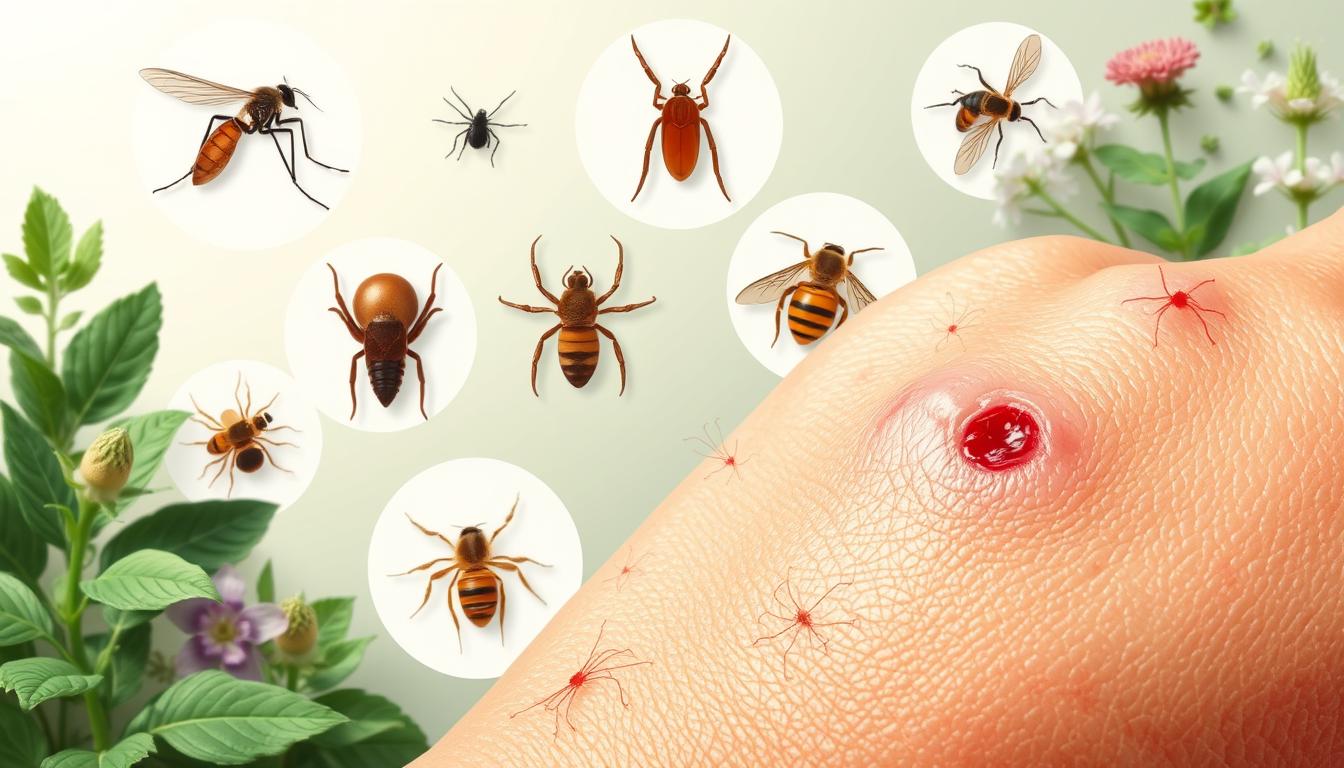
The soft buzz of a mosquito near your ear at night or the sharp sting of a wasp during a summer picnic can quickly turn a pleasant moment into an uncomfortable experience. We’ve all been there – scratching at an itchy red bump or nursing a painful welt that seems to throb with each heartbeat. Bug bites and stings are an inevitable part of life, making them more common during warm months when we spend more time outdoors.
Whether you’re hiking through Yellowstone National Park, tending to your backyard garden, or simply enjoying a barbecue with family, encounters with insects are bound to happen. The good news is that most bug bites and stings are mild and manageable with proper insect bite treatment at home. Understanding the symptoms of bug bites helps you respond quickly and effectively when these tiny creatures leave their mark.
From the raised bumps left by mosquitoes to the burning sensation of a fire ant sting, each insect leaves its unique calling card on our skin. Your body’s immune system springs into action, releasing histamine that causes the familiar itching, redness, and swelling. While these reactions are usually harmless, knowing when a bite or sting requires medical attention can make all the difference in protecting your health and that of your loved ones.
Key Takeaways
- Most bug bites and stings cause mild symptoms like redness, itching, and swelling that disappear within one to two days
- Histamine release from your immune system causes the characteristic itching sensation when insects bite
- Common locations for insect encounters include gardens, forests, near water sources, and indoor spaces like attics and basements
- Black widow spiders, brown recluse spiders, and scorpions can cause severe reactions requiring immediate medical care
- Symptoms vary by insect type and may appear as single bumps or multiple welts in lines or clusters
- Proper identification of bug bites and stings helps determine the right treatment approach
Understanding Bug Bites and Stings
Bug bites and stings are common when we’re outside. They can be just a minor annoyance or a serious health issue. Knowing the difference between bites and stings is key to treating them right and identifying bug bites correctly. Some bugs bite to get blood, while others sting to defend themselves, each needing a different way to find relief.
Definition of Bug Bites and Stings
Bug bites happen when insects pierce our skin to feed or protect themselves. They inject saliva that stops blood from clotting. This saliva makes our body react, causing itching and swelling. To find good mosquito bite relief, we need to understand this reaction.
Stings are different from bites. Insects use stingers to inject venom into our skin. This venom is a defense mechanism that can cause pain, burning, and swelling. Knowing how to treat bee sting remedies is important for anyone who spends time outside or in gardens.
Common Types of Insects Involved
Many insects bite or sting, each with its own traits. Biting insects like mosquitoes, fleas, bed bugs, ticks, and chiggers feed on blood. Less common biters like termites rarely bother humans but can cause small red bumps if they do.
Stinging insects, like bees, wasps, yellow jackets, hornets, and fire ants, have venom in their stingers. Being near water, working in gardens, walking barefoot in grass, or disturbing insect nests can increase the chances of getting stung.
- Living near water sources like lakes, ponds, or marshes
- Working in gardens or with beehives
- Walking barefoot in grassy areas
- Accidentally disturbing insect nests
| Insect Type | Bite/Sting | Primary Symptom | Duration |
|---|---|---|---|
| Mosquito | Bite | Itchy red bump | 3-4 days |
| Honey Bee | Sting | Sharp pain, swelling | 2-3 days |
| Flea | Bite | Small red spots | 1-2 weeks |
| Fire Ant | Sting | Burning, pustules | 7-10 days |
Symptoms of Bug Bites
Bug bites can cause different reactions in your body. Some reactions stay near the bite area, while others spread throughout your system. Knowing these symptoms helps you know when to seek medical care. Each insect leaves unique marks and causes specific reactions.
Local Reactions
Local reactions happen right at the bite site. You might notice raised bumps that feel itchy or irritated. The area often turns red, though this redness can be harder to spot on darker skin tones. Many people experience mild tingling or burning sensations. Swelling commonly develops around the bite, along with sharp pain in some cases.
Systemic Reactions
Systemic reactions affect parts of your body beyond the bite location. An allergic reaction to stings might cause dizziness or fainting spells. Your pulse may speed up, and hives can appear on different body areas. Some people experience muscle spasms, nausea, or vomiting. Severe cases lead to tongue or throat swelling, making breathing difficult. These symptoms usually start within 15 minutes but can develop up to 6 hours after a bite.
Distinguishing Symptoms by Insect
Different insects create unique symptoms that help with identification. Venomous insect bites often cause more intense reactions than non-venomous ones. Learning these differences helps you respond appropriately to each situation.
| Insect Type | Bite Appearance | Common Symptoms |
|---|---|---|
| Mosquito | Small, round bump | Mild itching, slight redness |
| Spider | Two puncture marks | Pain, swelling, possible necrosis |
| Bee | Red welt with stinger | Sharp pain, rapid swelling |
| Fire Ant | Clusters of pustules | Burning sensation, white blisters |
Identifying Common Bug Bites
Knowing how to spot different bug bites is key to quick action. Each bug leaves its own mark on your skin. This makes it easier to identify them when you know what to look for. It’s as vital as knowing how to prevent Bug Bites and Stings.
Mosquito Bites
Mosquito bites are small, raised bumps that itch a lot. They turn pink or red and show up on skin like arms, legs, and face. You might see many bites in one spot because mosquitoes bite several times.
Flea Bites
Flea bites are tiny red dots with a red ring around them. They often appear in clusters or lines on ankles and lower legs. These bites itch a lot and usually show up in groups of three or four.
When learning about tick bite prevention, remember flea bites target specific areas of the body.
Spider Bites
Spider bites can vary. Black widow bites hurt right away, causing muscle cramps and sweating. Brown recluse bites take time to show up, with a target-like pattern and tissue damage in the middle.
Most spider bites have two small puncture marks close together.
Bed Bug Bites
Bed bug bites look like red, itchy welts in straight lines or zigzags. They appear on skin exposed during sleep, like the face, neck, arms, and hands. Unlike treating wasp stings, bed bug bites don’t hurt right away. They turn into itchy bumps hours later.
Identifying Bug Stings
Bug stings and bites are different. Stings inject venom as a defense, while bites feed by piercing the skin. Knowing the differences helps choose the right insect bite treatment. Each stinging insect leaves unique marks and reactions, making identifying bug bites and stings easier.
Bee Stings
Bee stings hurt right away and then burn. You’ll see a stinger left in your skin. Honeybees can only sting once because their stinger gets stuck.
The sting site turns red with a white spot where the stinger went in. For bee sting remedies, scrape the stinger off with a credit card edge. Don’t squeeze or pull, as it pushes more venom into the wound. The area swells quickly and stays tender for days.
Wasp Stings
Wasps sting with intense burning pain, worse than bees. They can sting multiple times because their stingers are smooth. Paper wasps, yellow jackets, and hornets are all wasps.
Their stings cause fast swelling and bright red marks. These marks can grow several inches from the sting site.
Ant Stings
Fire ants sting in a unique way. Within 24 hours, small pustules form at each sting site. Fire ants swarm and sting repeatedly, causing clusters of painful bumps.
The initial burning sensation earns them their name. Each pustule fills with fluid and itches intensely for several days.
Immediate First Aid for Bug Bites
Quick action is key when dealing with bug bites. The right steps can reduce pain, swelling, and infection risk. These steps help you feel better, whether it’s a common bite or a venomous one.
Cleaning the Affected Area
Cleaning the bite area is the first step. Wash it with soap and warm water. This removes dirt, bacteria, and venom.
Pat it dry with a clean towel. If a stinger is in, scrape it out sideways with a credit card or fingernail. Don’t squeeze or pull it out with tweezers, as it can push more venom into the wound.
Cold Compress Application
Cold therapy is effective for bug bites. Wrap ice cubes in a cloth or use a frozen bag of peas. Press it against the bite for 10 to 20 minutes.
The cold numbs pain and reduces swelling. A cold, wet washcloth works too. Repeat every few hours the first day. Raising the bitten area above heart level also helps.
Over-the-Counter Treatments
Several store-bought options can help:
- Calamine lotion soothes itching and dries out bites
- Hydrocortisone cream (0.5-1%) reduces inflammation
- Antihistamine pills like Benadryl, Claritin, or Zyrtec help with itching
- Pain relievers such as Tylenol or Advil ease discomfort
Apply creams and lotions several times a day. Follow the package for pills. These treatments are good for most bites, including venomous ones that cause mild reactions.
Home Remedies for Bug Bites
When Bug Bites and Stings make you uncomfortable, your kitchen and garden can help. Many natural remedies can ease the itch and discomfort. They work by reducing inflammation, neutralizing irritants, and providing cooling sensations.
Natural Itch Relief Options
Several household items offer effective mosquito bite relief. Aloe vera gel creates a cooling sensation that soothes inflamed skin. Apple cider vinegar helps balance skin pH levels when dabbed on bites. Honey acts as a natural antibacterial agent while reducing swelling.
Cold tea bags work wonders on fresh bites. Green tea and chamomile tea contain compounds that reduce inflammation. Simply steep the tea, cool the bags in the refrigerator, and apply them directly to affected areas.
Herbal Remedies
Nature provides powerful solutions for treating insect bites. Tea tree oil offers antimicrobial properties that prevent infection while easing discomfort. Lavender oil calms skin irritation and helps reduce swelling around bites.
| Herbal Remedy | Benefits | Application Method |
|---|---|---|
| Witch Hazel | Reduces swelling and itching | Apply with cotton ball |
| Plantain Leaves | Traditional anti-inflammatory | Crush and apply directly |
| Oatmeal | Soothes multiple bites | Add to lukewarm bath |
Baking Soda Paste
A simple paste made from baking soda and water provides fast relief from Bug Bites and Stings. Mix one tablespoon of baking soda with just enough water to create a thick paste. Apply this mixture directly to bites and let it dry for 10 minutes before rinsing.
This remedy reduces itching and inflammation, making it helpful for spider bite symptoms. Reapply the paste several times throughout the day for best results.
Home Remedies for Bug Stings
Bug stings can be painful and itchy. You might want quick relief. Luckily, you can find effective bee sting remedies in your home. These natural solutions are great for mild reactions. But, watch out for signs of an allergic reaction to stings.
Vinegar and Baking Soda Solutions
Not all stings are the same. White vinegar or apple cider vinegar is good for wasp stings. It neutralizes the venom. Just soak a cotton ball in vinegar and hold it on the sting for a few minutes.
Baking soda paste is also a top choice for bee stings. Mix three parts baking soda with one part water to make a paste. This mixture neutralizes bee venom and eases pain quickly.
Ice Packs for Swelling
Cold therapy is fast at reducing swelling. Wrap ice cubes in a thin towel and apply for 10 to 20 minutes. Take breaks to avoid skin damage. This method works for all stings and numbs the pain.
Essential Oils That Help
Several essential oils can help with sting symptoms:
| Essential Oil | Benefits | How to Use |
|---|---|---|
| Lavender | Reduces pain and inflammation | Apply 1-2 drops directly on sting |
| Peppermint | Provides cooling sensation | Mix with carrier oil before applying |
| Eucalyptus | Anti-inflammatory properties | Dilute and dab on affected area |
Home remedies are not a substitute for medical care for severe allergic reactions. If you have trouble breathing, widespread swelling, or dizziness, get help right away.
When to Seek Medical Attention
Most bug bites can be treated at home with basic insect bite treatment. But, some situations need quick medical help. It’s important to know when to call for help, to avoid serious issues with venomous insect bites or severe reactions.
Signs of Allergic Reactions
An allergic reaction to stings can get worse fast. Call 911 right away if you see these signs:
- Difficulty breathing or swallowing
- Swelling of lips, face, or throat
- Rapid, weak pulse
- Widespread hives or rash
- Dizziness or fainting
- Nausea and vomiting
These symptoms mean you might have anaphylaxis. It’s a serious emergency that needs quick action and hospital care.
Severe Swelling and Pain
Go to the emergency room if stings happen in sensitive spots like the mouth, throat, or near the eyes. Also, if you get more than 10 stings at once, seek help right away. Look out for swelling that gets bigger than the bite or gets worse after 48 hours.
Infections from Bug Bites
Signs of infection need quick doctor visits:
- Increasing redness and warmth around the bite
- Red streaks extending from the wound
- Pus or fluid discharge
- Fever or swollen lymph nodes
- Flu-like symptoms after tick bites
Scorpion stings always need emergency care. Kids under one year old should see a doctor for any concerning bite. Some reactions can show up days after the bite.
Preventive Measures
Keeping bugs away starts with smart steps. Simple actions can lower your chance of getting bitten or stung. Knowing when and where bugs are active helps you stay safe outdoors.
Avoiding Bug Prone Areas
Some places draw more bugs than others. Mosquitoes love standing water and are most active at dawn and dusk. To avoid ticks, stay clear of tall grass and woods.
Keep your lawn short and remove brush piles. Also, get rid of standing water in buckets, birdbaths, and gutters. This cuts down on mosquito breeding near your home.
Protective Clothing Tips
What you wear matters a lot. Wear long sleeves, pants, and closed shoes outside. Light colors keep you cool and help spot ticks.
In tick-heavy areas, tuck pants into socks. Avoid perfumes and bright colors to not attract bees and wasps.

Usage of Bug Repellents
Repellents are key to avoiding bug bites. Look for DEET, picaridin, or oil of lemon eucalyptus. Apply sunscreen first, then wait 15 minutes before using repellent.
For longer protection, spray permethrin on clothes and gear. Use window screens to keep bugs out. After being outside, check yourself for ticks to prevent diseases.
Impact of Bug Bites on Health
Most bug bites are just a minor annoyance, but some can cause serious health problems. These issues can last for months or even years. It’s important to know how bug bites can affect us and take action early.
The effects of bug bites can range from mild skin reactions to severe diseases. This depends on the type of bug and our own health.
Long-Term Effects
Bug bites can have lasting effects on our skin and health. Some common issues include:
- Permanent scarring from excessive scratching
- Dark spots (hyperpigmentation) that may take months to fade
- Chronic itching in sensitive individuals
- Psychological stress and anxiety about future bites
Some spider bites can be very severe. For example, brown recluse spider bites can cause tissue death. This requires medical treatment and can leave permanent scars. Being bitten by the same insect multiple times can make future reactions worse.
Potential for Disease Transmission
Many insects can carry diseases and spread them through their bites. It’s important to know how to prevent tick bites, as Lyme disease is a serious concern in some areas. This disease causes a distinctive bull’s-eye rash and can lead to joint pain and neurological problems if not treated.
Other diseases spread by bug bites include:
- West Nile virus and Zika virus (mosquitoes)
- Rocky Mountain spotted fever (ticks)
- Dengue fever and chikungunya (mosquitoes in tropical regions)
The risk of disease depends on where you are. Before traveling, check the CDC guidelines for specific areas. Recognizing spider bite symptoms and preventing tick bites can help avoid serious health issues.
Bug Bite Myths and Facts
Many people believe false information about bug bites and stings. This can lead to the wrong treatment. Knowing the difference between myths and facts is key to handling these outdoor encounters correctly.
Common Misconceptions
One common myth is that all spiders are dangerous to humans. But, only black widow and brown recluse spiders can cause serious harm in the U.S. Most spider bites are just minor irritations, like other bug bites and stings.
Some think mosquitoes prefer certain blood types. But, research shows mosquitoes are attracted to carbon dioxide, body heat, and movement. Your blood type doesn’t attract them.
Many believe applying heat helps draw out venom from stings. But, this actually makes venom spread faster through your body. Cold compresses are the safest way to reduce pain and swelling from bee stings.
Scientifically Backed Facts
Research has revealed some key facts about insects and their bites. Only female mosquitoes bite humans because they need blood proteins for egg development. Male mosquitoes, on the other hand, feed on plant nectar.
| Insect Fact | Scientific Explanation |
|---|---|
| Bees die after stinging | Honeybee stingers have barbs that tear away from their bodies |
| Tick disease transmission | Ticks must attach for 24-48 hours to spread Lyme disease |
| Caterpillar reactions | Antihistamine creams don’t work on caterpillar rashes |
Understanding these facts can improve how you treat insect bites. It also helps you avoid harmful misconceptions about bug bites and stings.
Understanding Allergies to Bug Stings
An allergic reaction to stings can range from mild discomfort to life-threatening situations. Most people only feel minor pain and swelling after being stung. But, some develop severe reactions that need immediate medical help. It’s important to know the difference between normal reactions and true allergies.
Symptoms of Insect Sting Allergy
Allergic reactions to venomous insect bites vary in severity. Large local reactions cause swelling that goes beyond four inches from the sting site. These reactions, while uncomfortable, are not life-threatening.
Systemic reactions are far more serious and include:
- Widespread hives or rash
- Difficulty breathing or wheezing
- Throat tightness or tongue swelling
- Rapid pulse or irregular heartbeat
- Dizziness or fainting
- Loss of consciousness
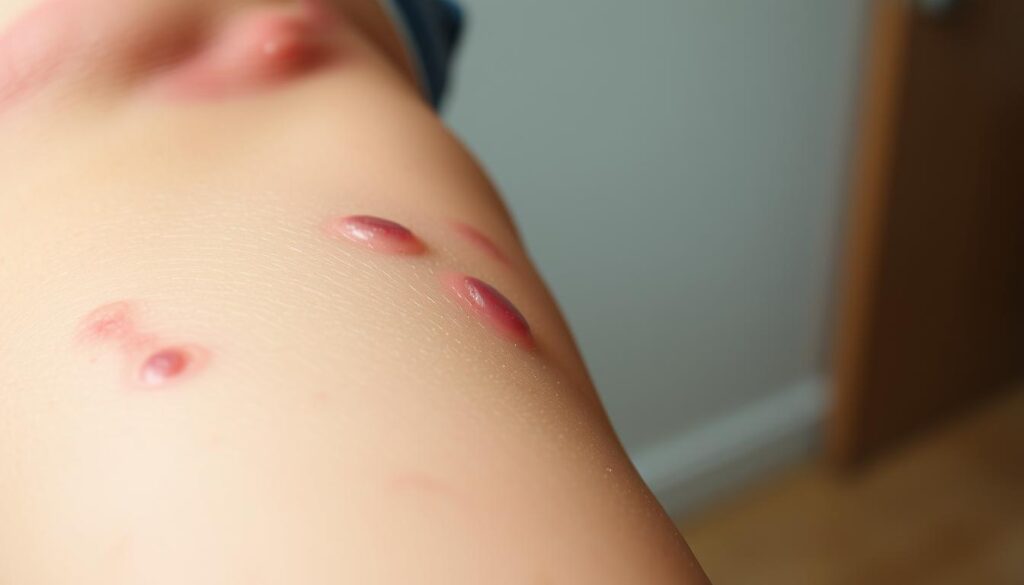
People with a family history of insect allergies or previous severe reactions face higher risks. Even those who experienced mild reactions before can develop more serious responses with future stings.
Diagnosis and Testing
Allergists use several methods to diagnose insect sting allergies. Skin testing involves placing small amounts of diluted venom extracts on the skin to check for reactions. Blood tests like RAST or ImmunoCAP measure specific antibody levels against insect venoms.
Before visiting an allergist, document your reaction details. Include the insect type, symptoms experienced, and timeline of events. This information helps doctors determine the best testing approach and develop an appropriate treatment plan for treating wasp stings and other insect encounters.
Treatment Options for Allergic Reactions
An allergic reaction to stings can range from mild discomfort to life-threatening situations. Quick action with the right insect bite treatment can make all the difference. Medical professionals have developed several effective approaches to manage these reactions, from emergency interventions to long-term preventive strategies.
Epinephrine Auto-Injectors
Epinephrine auto-injectors like EpiPen and Auvi-Q are life-saving devices for severe allergic reactions. These devices deliver a precise dose of epinephrine directly into the thigh muscle. To use one, press firmly against the outer thigh and hold for several seconds. People with known allergies should carry two doses at all times, as one injection might not be enough during severe reactions.
Antihistamines and Steroids
For mild to moderate reactions, oral antihistamines provide effective relief. Diphenhydramine (Benadryl) works quickly but causes drowsiness. Cetirizine (Zyrtec) offers longer-lasting relief with fewer side effects. Corticosteroids like prednisone help reduce delayed inflammation that can occur hours after the initial sting. These medications work best when taken soon after exposure.
Desensitization Therapy
Venom immunotherapy offers a long-term solution for people with severe allergies. This treatment involves receiving gradually increasing doses of insect venom over three to five years. Starting with weekly injections, patients eventually move to monthly maintenance doses. Studies show this therapy prevents future anaphylactic reactions in 98% of cases. Patients undergoing this treatment should wear medical alert bracelets and keep emergency action plans readily available. Those taking beta-blockers need special consideration, as these medications can interfere with emergency bee sting remedies.
Caring for Children with Bug Bites and Stings
When your child gets Bug Bites and Stings, their body reacts differently than adults. Babies and toddlers can’t tell you how they feel. So, parents must find special ways to care for them and avoid problems.
Pediatric Considerations
Children’s skin is more sensitive to bugs. Any bite or sting in babies under 12 months needs a doctor’s check. Young kids might react stronger to spider bite symptoms than adults. Their immune systems are growing, so watching them closely is key.
Look out for these signs in children:
- Excessive crying or irritability
- Refusing to eat or drink
- Swelling larger than 2 inches
- Fever above 100.4°F
- Difficulty breathing or swallowing
Special Treatments for Kids
Safe mosquito bite relief for kids means using the right medicines. Children’s Benadryl and Children’s Allegra are good choices. Calamine lotion is also safe for kids over 6 months. But, never give aspirin to kids because of Reye’s syndrome risks.
Here are some tips for handling kids’ reactions to bug bites. Keep their fingernails short and use soft mittens on babies. This stops them from scratching and getting infections. Distract them with coloring or stories while you treat the bite.
Schools should have plans for kids with allergies. Pediatric EpiPen Jr. auto-injectors are made for kids weighing 33-66 pounds. Teach kids to recognize dangerous bugs to prevent future bites.
Resources for Further Information
Learning about bug bites and how to treat them is key to keeping your family safe. Many reliable sources offer free info on local insects and how to handle bites safely.
Educational Websites
The Centers for Disease Control and Prevention (CDC) website has maps showing bug-borne disease areas in the U.S. They also have tips on preventing tick bites and staying healthy while traveling. The Mayo Clinic has guides on treating insect bites and stings at home.
The American Academy of Allergy, Asthma & Immunology has a section on insect sting allergies. Their site includes videos and fact sheets that explain allergic reactions clearly. The American College of Emergency Physicians offers downloadable first aid charts. NHS websites have photo galleries to help you identify bug bites.
Local Health Departments
Your local health department tracks insect-related diseases in your area. They often provide free tick testing for tick-borne illnesses. State extension services have experts who can identify local insects and give advice on treatment.
These services usually have hotlines for questions about unusual bites or prevention.
Support Groups and Hotlines
The Poison Control Hotline at 1-800-222-1222 is available 24/7. Specialists can help you treat bug bites and stings over the phone. Food Allergy Research & Education (FARE) connects families with severe insect sting allergies.
They share tips on carrying epinephrine and creating emergency plans.