

Have you ever noticed how an upset stomach can leave you feeling anxious or irritable, or how butterflies in your gut seem to appear during stressful moments? It turns out, this connection isn’t just in your head—science is uncovering a fascinating link between the health of your gut and the way you feel emotionally.
For many people, persistent stress or low moods don’t have clear answers. Yet, emerging research suggests the trillions of microbes living in your digestive system may quietly influence your mind every day. As you read on, you’ll discover how the gut and brain send messages, what the latest studies reveal about their powerful relationship, how to spot signs that your digestion might be impacting your mental state, and simple ways to nurture both your gut and mood. While making improvements takes consistency, just one small change can start to shift the balance within these two deeply connected systems.
What if your mood swings aren’t just in your head, but also rooted deep within your gut? The secret to mental well-being might be hiding in your digestive system.
Reference:
The Brain-Gut Connection
Introduction
Setting the Stage
The CDC reports that nearly 1 in 5 American adults experience a mental illness each year, and anxiety disorders are the most common form. At the same time, digestive health-related conditions, such as irritable bowel syndrome (IBS), impact over 12% of the U.S. population. The prevalence of both issues points to a growing interest in understanding how mood and physical health are linked, especially through the gut-brain connection.
There is increasing curiosity among both researchers and everyday individuals about whether what happens in your digestive system could affect your emotional and mental well-being. Well-known books like “The Mind-Gut Connection” by Dr. Emeran Mayer have helped popularize these concepts. Celebrities, including Gwyneth Paltrow, have spotlighted gut health routines, signaling mainstream fascination with the topic.
Does Gut Health Affect Mood? The Core Question
Can balancing gut bacteria really reduce anxiety or lift your mood? A mounting body of research, from Harvard Medical School to the National Institutes of Health, is exploring this very question. Experts such as Dr. John Cryan have led pivotal studies indicating a bi-directional communication between the gut and the brain.
This article unpacks the latest evidence, practical expert advice, and clear steps you can take to support both gut and mood. While scientific understanding is still evolving, you’ll find actionable guidance that’s already making a difference for many. Look for tips, real-world examples, and insights to empower your own gut-brain journey.
1. Understanding the Gut-Brain Axis: The Key to Your Mood
How the Gut and Brain Interact
Our digestive system and brain are constantly in communication, a relationship known as the gut-brain axis. This two-way channel plays a crucial role in regulating a person’s mood and mental well-being. Scientists now recognize that stress and emotional states can directly affect gut health—and vice versa. When someone feels anxious or depressed, it can trigger physical gut symptoms, while a troubled gut can heighten feelings of anxiety or sadness.
The role of the gut-brain axis in mental health
More than 90% of the body’s serotonin—a neurotransmitter closely linked to mood—is produced in the gut, not the brain. This finding, highlighted by recent research such as the review “Gut over Mind: Exploring the Powerful Gut–Brain Axis“, underscores the biochemical foundation for the link between gastrointestinal and mental health. Researchers found that individuals with irritable bowel syndrome (IBS) are twice as likely to report symptoms of depression—an example of how the gut-brain axis impacts real patients.
How the gut communicates with the brain
Communication occurs primarily through the vagus nerve—a long cranial nerve connecting the gut and brain—and through signaling molecules like hormones and cytokines. For instance, stress can disrupt signals along this pathway, leading to both digestive discomfort and mood disturbances. In clinical practice, the impact of this disruption is often observed in patients who experience gut symptoms during high-stress periods such as exams, major work deadlines, or after traumatic events.
The importance of neurotransmitters in the gut
Neurotransmitters such as serotonin, dopamine, and gamma-aminobutyric acid (GABA) are produced by specific gut bacteria. These chemicals influence emotions, sleep, and anxiety levels. For example, a study found that probiotic-rich foods like yogurt can positively alter gut microbiota, resulting in better mood regulation among participants in university stress tests. This connection gives practical weight to diet changes in therapy for anxiety and depression.
Scientific research supporting the link between gut and mood
Ongoing research is delving deeper into the gut-mood association. According to “Gut over Mind: Exploring the Powerful Gut–Brain Axis“, chronic stress, anxiety, and depression have a measurable impact on the gut microbiome, causing imbalances that worsen digestive issues and mental health. In a 2022 review, scientists noted that interventions targeting the gut—such as dietary changes, prebiotics, or probiotics—can lead to improved mood, reduced anxiety, and better stress management in adults.
2. Gut Microbiome Basics: What Lives Inside Matters
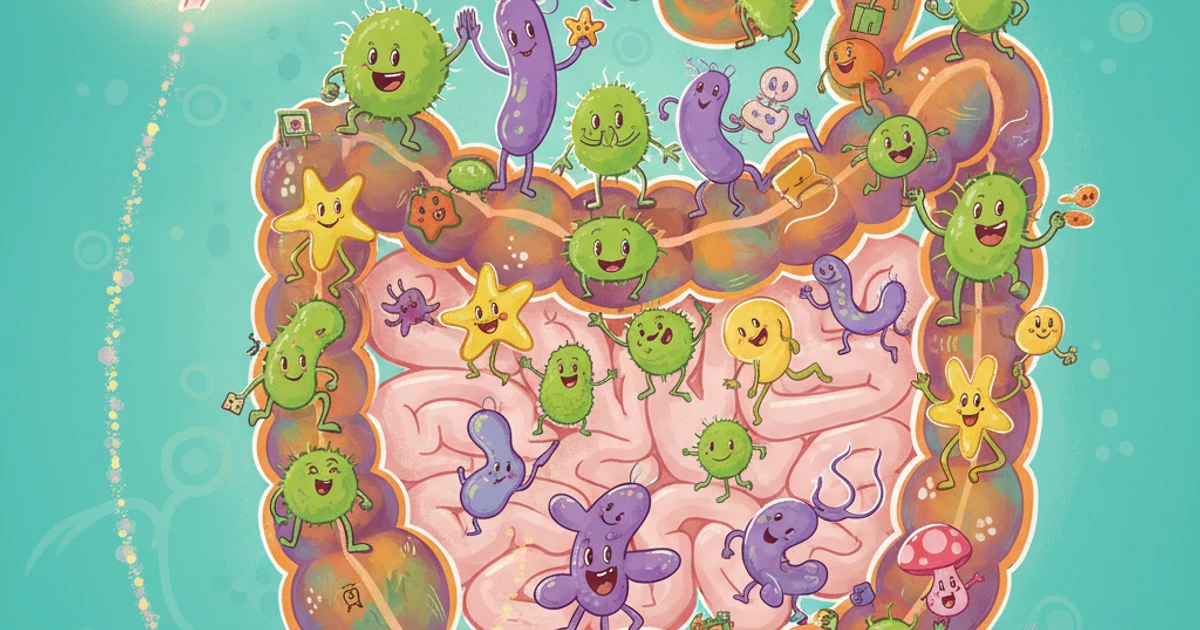
The World Inside Your Gut
The gut microbiome refers to the trillions of microorganisms living in your digestive tract. These include bacteria, viruses, fungi, and other microbes, all working together in a complex ecosystem. Scientists have found that the gut microbiome isn’t just about digestion—it significantly affects metabolism, the immune system, and even mental health.
For example, research from Harvard Medical School found that people with greater gut biodiversity tend to experience better overall health, including improved energy levels and stronger immunity. Companies such as uBiome (before its closure in 2019) allowed consumers to analyze their personal gut flora, bringing awareness to how these invisible communities influence health outcomes.
Types of Gut Bacteria and Their Functions
Not all bacteria are the same—some help break down food, while others support immune defense or produce vitamins. For instance, Bifidobacterium is linked with reduced gastrointestinal discomfort, while Lactobacillus helps maintain pH balance in the intestines. Certain strains, like Akkermansia muciniphila, are associated with lower inflammation and healthier metabolism.
Companies such as Yakult and Danone market probiotic products aimed at boosting these helpful bacteria through everyday foods like yogurt and fermented milk drinks. Their products often cite clinical trials demonstrating positive effects on gut flora and digestion.
How Gut Microbiome Diversity Influences Mood
The diversity of your gut microbiome impacts more than just physical wellbeing—it’s closely linked to brain health through the gut-brain axis. Multiple studies, including a large Imperial College London survey, report that people with a richer variety of gut bacteria are less likely to suffer from depression or anxiety.
Specific examples highlight this connection: for instance, in 2020, researchers found that a higher abundance of certain strains like Faecalibacterium prausnitzii correlated with better emotional wellbeing among study participants. This area is still actively researched, but clear patterns are emerging.
Factors that Impact Your Gut Flora
Several everyday factors shape the composition of your microbiome. Diet is the most influential—high-fiber foods such as beans, oats, and bananas promote a diverse microbial environment. In contrast, high-sugar, highly processed foods can disrupt the balance.
Other major factors include use of antibiotics, levels of chronic stress, and travel to new environments. For example, patients receiving antibiotics for infections at Cleveland Clinic often see temporary drops in gut biodiversity, which specialists try to offset with high-fiber diet recommendations. Even short-term dietary changes can make a measurable difference in lab tests of gut flora.
Reference:
What Is Your Gut Microbiome?
3. The Science: Does Gut Health Affect Mood Disorders?
Gut Health and Mental Health Conditions
Researchers have been delving into how the gut—sometimes called our “second brain”—influences mental health. The communication between the gut and brain is now recognized as a two-way street, commonly referred to as the gut–brain axis. Recent findings published in Gut over Mind: Exploring the Powerful Gut–Brain Axis shed light on the connection between gut imbalances and mood disturbances such as depression and anxiety.
Gut health and depression: what studies show
Scientific studies have revealed that individuals with depression frequently display altered gut microbiome profiles compared to those without depression. For example, a 2016 clinical trial at the University of Cork compared the gut bacteria of over 100 people and discovered significantly lower levels of certain beneficial strains, such as Bifidobacterium, in those diagnosed with major depressive disorder. These findings echo the growing consensus that a disruption in gut bacteria may affect neurotransmitter levels that regulate mood.
Anxiety and the gut: evidence of a strong correlation
Evidence also suggests a significant relationship between gut function and anxiety. People coping with chronic anxiety often report gastrointestinal issues like irritable bowel syndrome (IBS). In one instance, a study at UCLA involving 45 women found changes in emotional brain areas after four weeks of probiotic yogurt consumption—showing a link between gut intervention and improved emotional response.
The impact of leaky gut on mood and emotions
Leaky gut occurs when the intestinal lining becomes overly permeable, allowing toxins and bacteria to pass into the bloodstream. This can trigger inflammation and potentially influence mood. While direct, large-scale clinical examples are limited, smaller studies have observed that people with both IBS and mood disorders exhibit markers of increased gut permeability. This suggests that a compromised gut barrier may contribute to emotional imbalances.
Chronic inflammation: how it can shape your feelings
Chronic inflammation originating from gut issues is another factor under scrutiny. Elevated inflammation markers, such as C-reactive protein (CRP), are more common in individuals with persistent depression and anxiety. A major review published by the Harvard Medical School notes that patients with inflammatory bowel disease (IBD) are two to three times more likely to experience mood disorders—implying that chronic gut-driven inflammation could be a driving force behind emotional symptoms.
Reference:
The Brain-Gut Connection
4. How Your Diet Can Influence Mood Through Gut Health

Diet, Gut, and Emotional Well-Being
There’s growing scientific evidence connecting the health of your gut to your emotional state. The gut is sometimes called the “second brain” due to its direct link to the central nervous system via the gut-brain axis. What you eat can shift the balance of beneficial and harmful bacteria, which ultimately impacts neurotransmitter production and mood regulation.
Foods that Promote a Healthy Gut and Positive Mood
Eating fiber-rich foods like oats, bananas, and lentils helps increase beneficial bacteria. For example, a study from Stanford University found that participants consuming a high-fiber, fermented food diet showed enhanced gut microbial diversity and reported lower levels of stress over ten weeks. Greek yogurt, kefir, and kimchi have also been linked with improvements in mood, partly due to their probiotic content.
The Gut-Brain Diet: Prebiotics, Probiotics, and Fermented Foods
Prebiotics like garlic and onions feed healthy gut bacteria, while probiotics add live beneficial strains. For instance, Activia yogurt contains Bifidobacterium, which studies have associated with lower anxiety scores in clinical research. Fermented foods such as sauerkraut and miso support similar benefits by introducing new microorganisms into your digestive system.
Nutritional Deficiencies and Their Effect on Mood
Deficiencies in omega-3 fatty acids, vitamin D, and B vitamins are linked with depression and mood swings. For example, the American Psychiatric Association highlights that people with low omega-3 levels—often due to limited intake of salmon or sardines—are more at risk for mood disorders. Routine blood tests at Quest Diagnostics or Labcorp can identify such gaps.
Foods to Avoid for Better Gut and Emotional Health
Highly processed foods high in sugar, such as sodas and packaged snacks from brands like Hostess or Little Debbie, can disrupt the balance of gut bacteria. Artificial sweeteners found in diet sodas have been shown in Harvard-led research to negatively impact the gut microbiome and, by extension, may worsen anxiety or depression symptoms in sensitive individuals.
Reference:
The Role of Diet on the Gut Microbiome, Mood and Happiness
5. Lifestyle Habits That Support Gut and Emotional Health
Everyday Choices for Gut-Brain Balance
The connection between our gut and emotional well-being runs deeper than most realize. Daily lifestyle habits play a powerful role in keeping both our digestive system and our mind in top shape. Positive changes to sleep, exercise, stress management, and hydration can all contribute to a healthier gut-brain axis.
Importance of Sleep Quality for the Gut-Brain Axis
Consistent, restorative sleep helps regulate the communication between your gut and brain. Poor sleep has been shown to disrupt gut microbiota and lead to increased intestinal permeability. For example, a study from the University of Colorado Boulder found even two days of restricted sleep altered participants’ gut bacteria profiles.
People who prioritize sleep—such as Google, which encourages “nap pods” and flexible schedules for employees—report improved concentration, mood, and digestive comfort. Building a bedtime routine and maintaining consistent sleep hours makes a noticeable difference.
How Exercise Benefits Mood Through the Gut
Physical activity increases gut microbial diversity and produces neurotransmitters like serotonin, which boost mood. Researchers at the University of Illinois found that sedentary adults who began a regular walking program experienced measurable changes in their gut microbiome within six weeks.
Practical steps include using fitness trackers like Fitbit or Apple Watch to stay accountable. Even brisk walking during lunch breaks, as practiced by employees at Slack, leads to both increased morale and improved digestion.
Managing Stress for Optimal Gut Balance
High stress levels trigger inflammation, which can alter gut flora and exacerbate digestive issues. Mindfulness techniques, such as guided meditation on the Headspace app, help manage stress and have been linked to lower symptoms of irritable bowel syndrome (IBS).
For example, a 2019 study in the journal “Gut” found that participants practicing mindful breathing saw a 30% reduction in bloating and discomfort. Incorporating five-minute breathwork breaks into the workday supports emotional resilience and gut health.
The Impact of Hydration on Digestion and Mood
Staying well-hydrated supports smooth digestion and helps maintain energy levels. Water assists in breaking down food and transporting nutrients throughout the body. Dehydration, even by as little as 2%, can negatively affect attention and mood, as found in research published in the “American Journal of Clinical Nutrition.”
Companies like Salesforce invest in hydration stations throughout their offices to encourage regular water intake, demonstrating a commitment to both employee wellness and productivity. Keeping a refillable bottle at your desk can be an easy way to sustain healthy hydration habits.
Reference:
5 simple ways to improve gut health – Harvard Health
6. Symptoms: Signs Your Gut May Be Affecting Your Mood
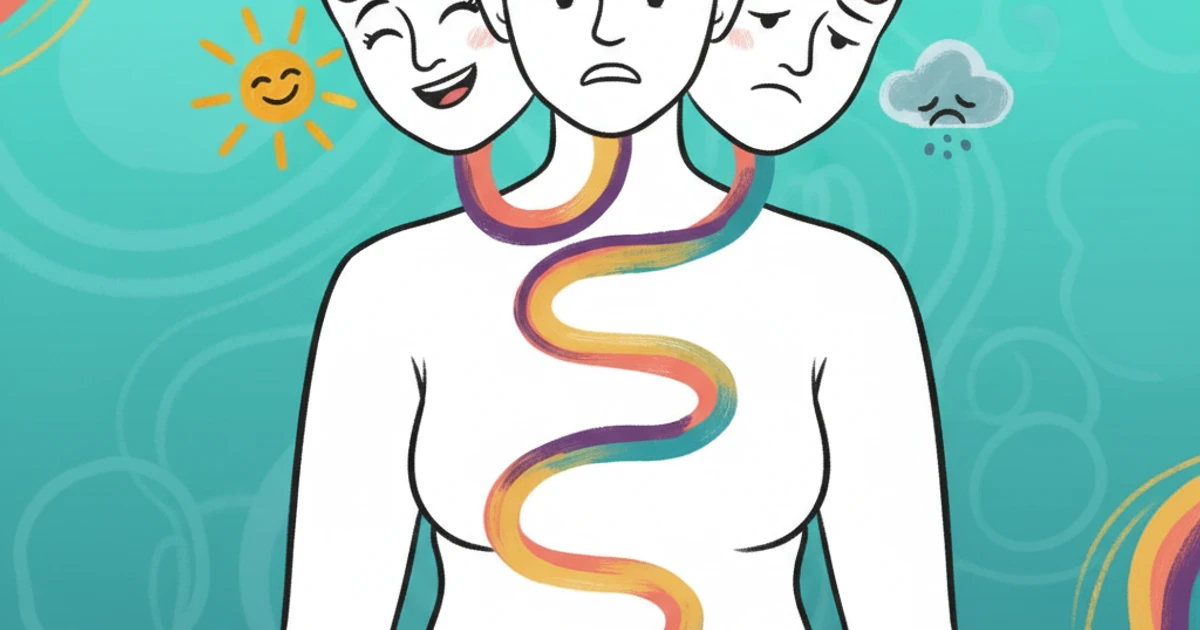
Recognizing Gut-Related Mood Issues
It’s increasingly clear that gut health and mental wellbeing are closely connected via the gut-brain axis. Disruptions in gut balance can manifest in both physical symptoms and mood changes, making it important to recognize what to look for. Understanding these signs can help you pinpoint when your digestive system might be influencing how you feel.
Physical Signs of Poor Gut Health
Common digestive symptoms like bloating, frequent heartburn, chronic constipation, or diarrhea might indicate underlying gut issues. Harvard Medical School highlights that persistent gastrointestinal discomfort is often linked to microbial imbalances in the gut, which can also alter mood.
A real-world example is when employees at Salesforce participated in corporate wellness programs emphasizing gut-friendly diets; participants reported notable decreases in both stomach complaints and fatigue, as shared in a 2022 workplace wellness case study.
Mental and Emotional Indicators of Gut Imbalance
Anxiety, low mood, irritability, and trouble concentrating can sometimes be traced back to gut health. Several studies, including research from the American Psychological Association, have shown that changes in gut bacteria can influence serotonin production, a key mood-regulating neurotransmitter.
The Cleveland Clinic has documented cases where patients who improved their diet with more fiber and fermented foods experienced not only better digestion but also reported reduced symptoms of stress and emotional instability.
How to Distinguish Gut-Related Mood Issues
Differentiating between mood changes caused by external stress and those rooted in gut health can be challenging. Key clues include concurrent digestive problems and mood fluctuations that improve with dietary intervention. Tracking symptoms with a wellness journal can be especially revealing; users of the Cara Care app have found this method helpful to correlate dietary changes with mood shifts.
When to Consult a Healthcare Professional
If physical or emotional symptoms persist for more than a few weeks, or if they disrupt daily functioning, it’s time to seek medical advice. Sudden, severe changes in mood or unexplained gastrointestinal pain warrant prompt evaluation, according to guidance from the Mayo Clinic.
Reference:
The gut-brain connection
7. Improving Gut Health for a Happier Mindset: Practical Steps
Emerging research shows the vital link between gut health and emotional well-being. Implementing targeted strategies can support digestion, balance mood, and help cultivate overall happiness. Here are practical steps anyone can follow to nurture gut and emotional wellness, grounded in real-world tools and data.
Actionable Tips for Better Gut-Mood Health
Optimizing your gut starts with daily choices. Science-backed studies from Harvard Medical School highlight that diets rich in diverse fiber, such as those found in lentils and oats, help nourish beneficial bacteria and may reduce anxiety symptoms. Companies like Siggi’s and Chobani offer live-cultured yogurts, an accessible way to introduce more probiotics into your routine.
Supplements can fill gaps, but timing matters. Registered dietitians often recommend strains like Lactobacillus rhamnosus GG—found in Culturelle—when recovering from antibiotics. For prebiotics, supplements with inulin or resistant starch (like those from NOW Foods) support a healthy microbiome, though it’s best to consult with a clinician if you have preexisting gut conditions.
Tracking your progress enhances accountability. Apps such as Moodnotes and Daylio allow you to pair mood tracking with meal inputs, helping many users identify patterns between food choices and changes in stress or anxiety levels. Businesses like Headspace Health have integrated journaling features for employees to monitor mind-gut trends as part of broader wellness programs.
Reducing toxin exposure is overlooked but crucial. Recent CDC guidance links exposure to BPA from plastic containers with disrupted gut flora and mood swings. Opt instead for glass or stainless steel food storage like those from Pyrex or Hydro Flask. Paying attention to everyday habits—such as using water filters to reduce heavy metals—can help minimize environmental impacts on both gut and mental health.
Reference:
5 simple ways to improve gut health – Harvard Health
8. Myths vs. Facts: What You Really Need to Know
Clearing Up Gut and Mood Confusion
The relationship between gut health and mood has attracted increasing attention both in medical circles and mainstream discussions. Despite this interest, a number of myths still circulate, leading to confusion among those looking for practical solutions or deeper understanding.
It’s essential to separate myths from medically supported facts before you decide which steps to take in your own health journey. Here are the most common misconceptions and what science actually shows.
Common misconceptions about gut health and mood
Many believe that improving gut health will immediately and dramatically improve mood. However, while there’s an established connection—often called the “gut-brain axis”—the influence is complex and not always direct. Making dietary changes may help, but don’t expect instant results or a cure-all for mental wellness.
For example, a 2021 analysis in Nature’s Translational Psychiatry found only modest mood improvement with specific probiotic use, highlighting variability in individual responses.
What the latest research actually tells us
Current research suggests that balanced gut microbiota can play a supportive role in emotional regulation. However, robust, large-scale studies—such as those led by Harvard Medical School—emphasize that gut-targeted interventions like probiotic supplementation should accompany, not replace, traditional mental health treatments.
Early trials indicate that people with severe dysbiosis or gastrointestinal disorders might notice greater improvements than those without such conditions. But the link is not universally strong across all populations yet.
The truth about probiotics and supplements
Probiotics are often marketed as a shortcut to better moods, but not all strains are beneficial for mental health. For instance, only certain strains like Lactobacillus rhamnosus have demonstrated potential benefits for anxiety in controlled studies. Popular brands like Culturelle and Align offer these strains, but effects vary widely from person to person.
Supplement quality also matters—a ConsumerLab survey in 2023 found that nearly 30% of probiotics tested had lower viable counts than claimed, which may explain mixed results for users.
Separating hype from proven strategies
While buzzwords like “gut reset” are enticing, the most reliable strategies remain consistent fiber-rich diets, reduced processed food intake, and regular exercise. These approaches are backed by organizations like the American Gut Project, which demonstrated a direct association between dietary diversity and microbial diversity in over 11,000 people.
It’s important to remember that claims of rapid transformation usually lack scientific support. Instead, focus on subtle, sustainable changes and consult with a healthcare professional for approaches best suited to your needs.
Reference:
8 Common Autism Myths (and the Facts Parents Need to …
Conclusion
Wrapping Up the Gut-Mood Connection
Understanding the powerful link between gut health and emotional well-being has gained attention across health communities and research institutes. As explored throughout this discussion, the gut-brain axis plays a critical role in regulating mood, stress, and even long-term mental health outcomes. Harvard Medical School has published research highlighting how gut bacteria can influence the brain’s chemistry, which in turn impacts anxiety and depression rates.
From the fermentation of dietary fibers to the production of neurotransmitters like serotonin, the gut is central to mental wellness. For instance, the popular probiotic yogurt brand Activia has been studied for its potential to support digestive and emotional health, with participants reporting improvements in mood and reduced feelings of stress after a four-week trial.
Taking Action: Small Steps, Meaningful Change
Supporting your gut doesn’t require drastic overhauls. Even introducing more fiber-rich foods—such as chia seeds or oats—can make a real difference. For example, clinical studies sponsored by the American Gut Project found that people who ate at least 30 different plant types each week reported better mood stability and gut diversity.
To build on this momentum, consider tracking your mood using apps like Daylio, consulting a registered dietitian (such as ones at Cleveland Clinic), or simply noting changes in a journal as you experiment with dietary shifts. These small, consistent changes can spark noticeable improvements over time.
We’d love to hear about your own experiences or answer any questions you might have. Feel free to share your story or ask in the comments below—your insight could inspire or help others on their gut health journey.
FAQs
Frequently Asked Questions
Caring for your gut health is more than a trend—it’s a scientifically backed approach to supporting mental wellness. Many people are discovering the connection between the gut and mood, leading to questions about proven strategies and what to expect in terms of results. Let’s answer some of the most common questions, using research and real-world cases to add practical context.
What are the first steps to improve gut health for better mood?
Start by increasing your fiber intake with foods like oats, lentils, and apples. These foods feed beneficial gut bacteria, which can impact neurotransmitter production. For example, a Harvard Medical School article recommends swapping refined grains for whole grains as a key first step. Hydrating well and limiting processed foods also support healthy gut flora.
Some individuals see benefits with fermented foods—like Greek yogurt from Chobani or kombucha—but it’s important to introduce these gradually if your system isn’t used to them.
How long does it take to notice mood changes after improving gut health?
The timeline varies per person, but clinical studies, such as those cited in the journal “Nutrients,” suggest that noticeable mood improvements may appear within 3-4 weeks after a dietary shift. For instance, participants in the SMILES trial reported reduced depressive symptoms after 12 weeks on a Mediterranean-style diet.
Small changes can yield earlier results, but consistency in dietary improvements is key for long-term benefits.
Is there a specific diet recommended for gut and mental health?
Current evidence highlights the Mediterranean diet—rich in fruits, vegetables, whole grains, nuts, and olive oil—as beneficial for both gut and mental health. The SUN project, an ongoing Spanish cohort study, found that adherence to this diet correlated with a 30% lower risk of depression over eight years.
Elimination diets should be approached cautiously and are best done with medical guidance, especially for those with suspected food intolerances.
Can probiotics help with depression or anxiety?
Some studies support the use of probiotics, particularly strains like Lactobacillus rhamnosus and Bifidobacterium longum, for mild depression or anxiety symptoms. A 2016 University of Oxford trial showed reduced anxiety scores in university students taking these strains for three weeks.
However, not all commercial probiotic supplements are created equal—quality and strain specificity matter. Brands like Culturelle and Align are used in clinical research due to their reliability.
Why do some people experience more emotional symptoms from gut issues than others?
Genetics, immune responses, and individual gut microbiome composition all play a role. Some people with IBS, for example, report significant mood disturbances while others don’t. The American Gastroenterological Association notes that stress reactivity and brain-gut communication differ from person to person, impacting emotional symptoms.
Personal examples include athletes in high-stress competitions, such as those in collegiate sports, who often report “gut reactions” tied directly to anxiety levels.
When should I seek professional help for gut-related mood problems?
If gut issues are persistent—like ongoing bloating, pain, or changes in bowel habits—and are impacting your mood or daily function, it’s time to consult a healthcare professional. The Mayo Clinic advises seeking help if symptoms last more than a few weeks or are associated with weight loss, bleeding, or severe mood swings.
Early assessment can rule out underlying conditions like celiac disease or inflammatory bowel disease and connect you to dietitians or mental health experts for integrated care.