

Ever thought a cat’s scratch could lead to more than a minor sting? Cat scratch fever, or cat fever disease, is rare but can occur with a single scratch. It’s a concern for many cat lovers.
In the U.S., many cats carry Bartonella henselae, a germ. People might feel low-grade fevers or swollen lymph nodes if exposed. This is more common in those with weaker immune systems. This article delves into cat scratch fever disease and how to keep safe around pets.
Key Takeaways
- Cat scratch fever disease can come from scratches or bites.
- Some cats show no sign of carrying the bacteria.
- Children and immune-compromised groups may have greater risks.
- Swollen lymph nodes and mild fever often ease in a few weeks.
- Safe handling and good hygiene help prevent cat fever disease.
What Is Cat Scratch Fever?
Many think cat scratch fever is just about swollen lymph nodes or a mild fever from cat scratches. But there’s more to it. It happens when cats carry bacteria that can spread to humans. These bacteria, like Bartonella henselae, cause cat scratch fever.
Overview of the Bartonella henselae Bacteria
The Bartonella henselae germ gets into cats through fleas. It then moves to people through scratches with flea waste. Cats usually don’t show signs of the illness. But when it hits humans, it can cause anything from mild discomfort to swollen glands.
Why the Disease Is Called Cat Scratch Fever
Doctors noticed swollen lesions after people touched cats. They named it cat scratch fever. It became well-known as pet owners saw it after their pets’ playful scratches.
| Bartonella henselae Facts | Details |
|---|---|
| Primary Carrier | Cats and fleas |
| Common Spread | Through contaminated scratches |
| Outcome | May lead to cat scratch fever in cats and people |
Signs and Symptoms of This Bacterial Infection
This issue often starts with a small blister or bump at the scratch site. Redness and tenderness follow as the body fights the bacteria. Fever may arise, matching the infection’s popular name and signaling the immune system’s response.
Swollen lymph nodes near the wound usually appear within a few weeks. Headache, fatigue, and a reduced appetite sometimes join the list of concerns. Many individuals recover fully without medical intervention, though an antibiotic for cat scratch disease might be advised when symptoms linger or immunity is low.
Some people discover that an antibiotic for cat scratch fever shortens recovery. Awareness of early indicators may help prompt timely care and lessen complications.
| Symptom | Possible Onset | Common Duration |
|---|---|---|
| Small Bump or Blister | Within 1 Week | Several Days |
| Swollen Nodes | 1–3 Weeks | Multiple Weeks |
| Fever | 1–2 Weeks | Short-Term |
How Cat Scratch Fever Spreads
This infection spreads through direct contact with an infected cat’s claws or teeth. Fleas carry the bacteria that causes scratch fever. Cat scratch disease symptoms in cats can be mild.
Stray or young cats often have more fleas. This makes them more likely to spread the infection. Children under 15 are at higher risk because they play more with kittens.
Transmission Through Cat Scratches and Bites
A small skin break is enough for bacteria to enter. Flea dirt on a cat’s paws or mouth spreads Bartonella henselae. Cat scratch disease symptoms in cats might not be noticed, but humans may see redness or swelling at the wound site.
Possible Risk Factors for Human Infection
A weaker immune system makes you more vulnerable. Living or working in areas with more stray cats increases your risk. Keeping cuts or abrasions clean lowers infection risks and reduces the chance of scratch fever symptoms.
Identifying Cat Scratch Disease Symptoms in Cats
Many cats with Bartonella henselae seem full of energy. It’s hard to notice the early signs of cat scratch disease. Some cats might have fever, vomiting, or swollen lymph nodes. They might also have red eyes or seem tired and less hungry.
The American Veterinary Medical Association says it’s important to watch for any changes in your cat’s behavior. Look at how they groom themselves and their posture. Even a friendly cat can spread bacteria with a quick nip or swat.
Look for signs like being very tired or moving unsteadily. Taking your cat to the vet quickly can help. It can also prevent the disease from spreading to people at home. By paying close attention, you can keep your home healthy for both cats and humans.
Common Misconceptions About Cat Fever Disease
Many people think every scratch from a cat will make them sick. Others believe declawing is the only way to avoid getting sick. These ideas can cause confusion and worry. Knowing the truth helps owners recognize symptoms of cat scratch fever without extreme measures.
Myth vs. Reality
| Myth | Reality |
|---|---|
| “Removing claws stops all infection” | Declawing is not an advised prevention method, as it can harm the cat and does not fully eliminate risk. |
| “All scratches lead to serious outcomes” | Most cases remain mild. Severity depends on various factors, including personal health and the cat’s condition. |
Is Cat Scratch Sickness the Same as Other Infections?
Some confuse cat scratch fever symptoms with common bacterial infections. This specific illness is caused by Bartonella henselae, making it different from fungal or skin conditions. Not all cat scratches lead to infection, but knowing the risk helps owners who notice changes. Spotting symptoms early leads to better decision-making and less stress.
Cat Scratch Fever: Key Facts to Know
Most people get mild symptoms from cat scratch fever, like tender bumps at the scratch site. Young kids and those with weak immune systems might face bigger problems. Usually, the body can fight off the infection on its own, but some might take longer.
After a few days to weeks of being near an infected cat, you might feel feverish and have swollen lymph nodes. Keeping wounds clean and seeing a doctor regularly can help. Cat owners should also watch for signs in their pets, like being a bit tired or acting differently. Getting vet advice quickly can keep both cats and humans safe.
| Fact | Detail |
|---|---|
| Recovery Timeline | Most healthy adults bounce back within weeks |
| High-Risk Groups | Children and immunocompromised adults may need extra care |
Antibiotics for Cat Scratch Fever Treatment
Many people get better without medicine. But, some cases need a special approach. Doctors might suggest antibiotics for long-lasting fever or big lymph node swelling from cat scratch sickness.
Those with weak immune systems are at higher risk. So, they need a treatment plan that fits their needs.
Azithromycin is sometimes used to help with gland swelling and pain. The choice of treatment depends on how long and how bad the symptoms are. Getting the right treatment is key.
When Antibiotics Are Necessary
Severe or long-lasting cases of cat scratch disease need careful monitoring. If swelling lasts more than a few weeks, antibiotics might be needed. People with weak immune systems should get help early to avoid serious problems.
Recommended Medication Guidelines
Doctors might suggest azithromycin for a few days or more if symptoms don’t go away. The dose depends on age, health, and how the infection is doing. The aim is to treat cat scratch disease well while watching for side effects.
Regular check-ups are important to make sure the treatment is working right.
Cat Scratch Fever vs. Other Cat Fever Symptoms
Swollen lymph nodes near a scratch mark often mark the start of cat scratch fever. This condition is sometimes confused with other infections tied to felines, causing fever and malaise. But signs like localized tenderness and a lesion at the scratch site make this illness stand apart.
Fever is widespread in most cat-linked infections. Yet, patterns of lymph node swelling and a notable scratch or bite usually lead to a focused evaluation. A proper diagnosis supports a targeted plan, including cat scratch fever treatment that addresses any lingering soreness or swelling. Infections from other sources may require different approaches.
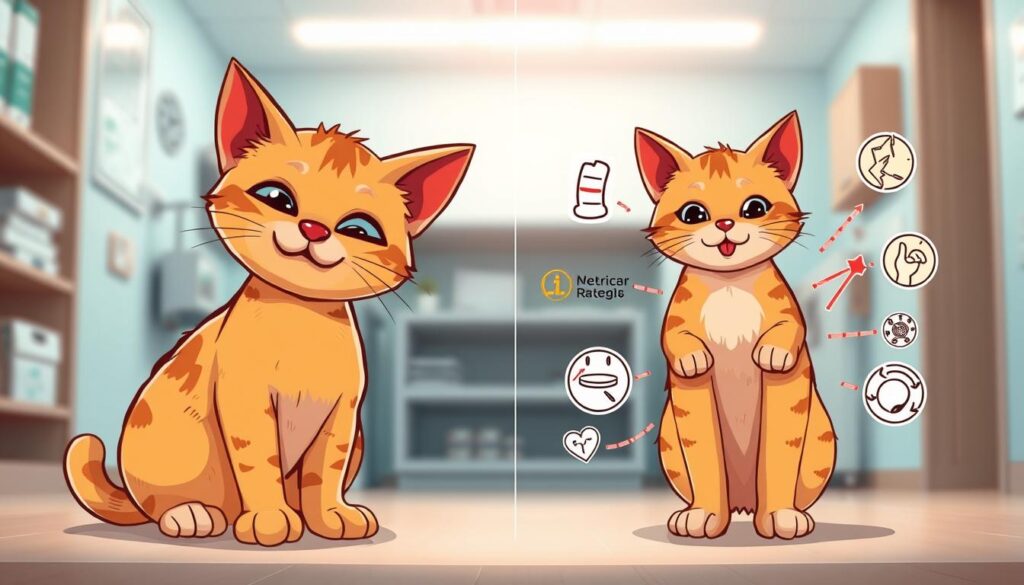
Experts often suggest careful medical oversight for cat scratch disease treatment if extreme discomfort or persistent fever arises. Awareness of these distinguishing features can prevent unnecessary use of therapies meant for unrelated conditions. Early assessment offers clarity and helps guide the best course of action.
| Condition | Key Symptom | Typical Approach |
|---|---|---|
| Cat Scratch Fever | Swollen nodes near scratch | cat scratch fever treatment |
| Toxoplasmosis | Fever and muscle pain | Antiparasitic regimen |
| Upper Respiratory Infection | Runny nose, sneezing | Supportive care |
Potential Risks of Cat Scratch Disease Complications
Many people get better quickly. But, serious problems can happen. For example, endocarditis, which is inflammation of the heart valves, can occur if the infection spreads to the heart.
Other organs like the liver or spleen might also get affected. Some people might see blurry vision due to neuroretinitis.
Rare Cases and Chronic Symptoms
Chronic or recurring symptoms are rare but can happen. These might include ongoing fatigue, swollen lymph nodes, and pain that keeps coming back. Finding the problem early is key to avoiding long-term damage.
Long-Term Impacts on Immune-Compromised Individuals
People with weak immune systems are at higher risk. Their bodies might have trouble fighting off the infection. This can lead to more serious issues.
It’s important for them to get medical help right away if they have sudden fevers or vision problems that don’t go away.
Cat Scratch Fever in Cats: Signs and Care
Many cats seem fine most of the time. But, if a cat has a fever over three days, vomits, or acts really tired, it’s a big worry. It’s important to take your cat for regular check-ups and keep them away from fleas.
Doctors might suggest antibiotics, but early care can help a lot. Look for small changes in your cat’s behavior that could mean trouble. Giving them lots of water, good food, and a calm place to rest can help them get better faster.
If your cat’s symptoms don’t get better or get worse, see a vet right away. Acting fast can stop the sickness from spreading and keep your cat and home safe. Keeping up with grooming, vaccinations, and vet visits is key to protecting your pet from harm.
Tips to Prevent Cat Scratch Fever Infection
Healthy habits can lower the risk of cat scratch fever. Simple steps can protect both owners and pets. Fleas often carry Bartonella bacteria, so controlling them is key.
Safe Interaction with Your Feline Friends
Gentle play is best to avoid scratches and bites. Trimming cat nails or using scratching posts can help. Always wash hands after touching cats and clean any cuts right away.
Using vet-approved flea treatments like Frontline® or Advantage® is also important. This can greatly reduce the risk of infection.
- Trim claws often
- Use vet-approved flea control
- Avoid rough play
Wound Care and Hygiene Practices
Quickly treating wounds is essential. Clean the scratched area with soap and water. If redness or swelling doesn’t go away, see a doctor.
People with weaker immune systems should be extra careful around stray cats. They might also want to consider older pets, which carry fewer germs.
| Practice | Outcome |
|---|---|
| Hand Washing | Reduces Spread |
| Flea Products | Lower Bartonella Risk |
When to See a Doctor for Scratch Fever Symptoms
If you have a fever over 102°F that lasts more than a few days, it’s time to see a doctor. Also, if your lymph nodes near the scratch get big, swell, or have pus, you should get checked out.
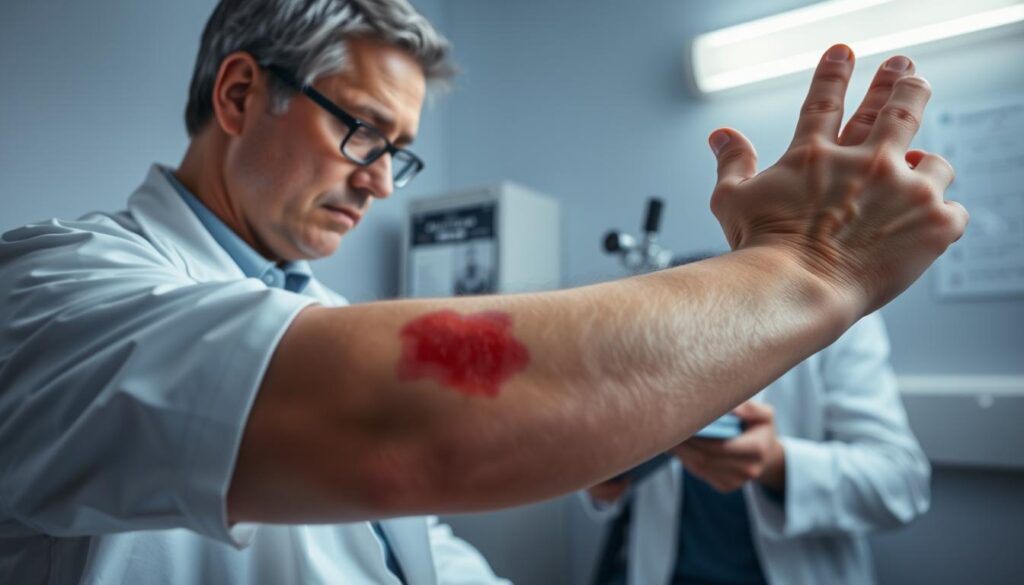
People with weak immune systems, like those on chemotherapy or with chronic diseases, need to see a doctor fast. Early treatment can stop serious problems and help you get better quickly. Doctors might give antibiotics if it looks like bacteria are spreading.
Keep an eye out for cat fever symptoms that get worse or spread. Seeing a doctor early helps them find the best treatment. Waiting too long could make your symptoms worse or cause bigger health issues.
How Long Does Cat Scratch Fever Last?
Many people wonder how long this condition lasts. It often causes swollen nodes and mild aches. Those in good health tend to recover faster, but everyone’s experience is different.
Most people start to feel better without serious problems. Some regain their energy quickly, while others take longer. Getting advice from a doctor can help ensure you get the right care.
Typical Recovery Time
Discomfort usually goes away in two to eight weeks. Tenderness around the affected areas can last, but it gets better over time. Lymph nodes usually shrink and become less sensitive as the body fights off any lingering bacteria.
Factors That Affect the Healing Process
People with strong immune systems often recover faster. Poor nutrition, limited rest, or underlying conditions can make recovery take longer. Regular check-ups and paying attention to symptoms can help you get back to normal health faster.
| Key Factor | Influence on Duration |
|---|---|
| Immune Status | Faster recovery in robust health |
| Underlying Issues | Longer healing in chronic conditions |
Treating Cat Scratch Bacterial Infection at Home
Warm compresses can help soothe irritated lymph nodes and reduce tenderness. Many people find relief by applying gentle heat several times a day. Over-the-counter medication like ibuprofen or naproxen can help manage mild pain and speed up recovery.
Self-care is key in treating cat scratch fever. Drinking plenty of water helps keep your body’s defenses strong. Getting enough rest is also important for recovery.
If symptoms don’t get better or worsen, it’s time to see a doctor. Some people might need antibiotics if home treatments don’t work. Always watch for any new symptoms to stay safe.
Ongoing Research on Cat Scratch Fever Disease
Medical teams in the United States are looking into new ways to find Bartonella henselae in blood. They’ve found faster ways to culture it, which helps spot infections sooner. This is key for catching cat scratch fever rash and other symptoms early.
Developments in Diagnostic Tests
The CDC is working on new blood tests to confirm infections faster. These tests could help people get the care they need quickly. This could also lower the risk of more serious problems.
Innovations in Treatment Options
Doctors in big hospitals are testing shorter antibiotic treatments. This could make recovery faster for those with severe symptoms or weakened immune systems. Shorter treatments also mean fewer side effects and better patient cooperation.
Conclusion
Cat scratch fever can be mild but is serious for kids and those with weak immune systems. The CDC and vets say to keep fleas away, be careful with cats, and clean wounds fast. Simple steps like cleaning scratches right away and vet visits are key.
To prevent cat scratch fever, watch every scratch or bite closely. Check your cat for fleas and play safely. These actions help keep your bond strong and safe.
Having a cat can be joyful if you know how to care for it. Being informed and taking action keeps you and your pet safe. Making smart choices lets you enjoy your cat’s company without worry.