
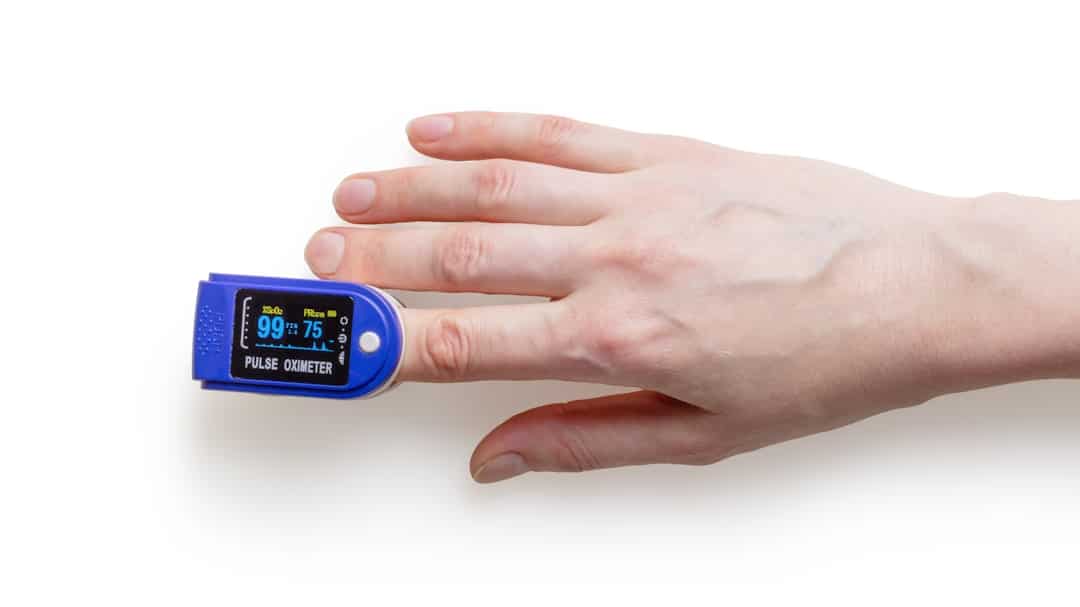
Blood pressure is a critical physiological parameter that reflects the force exerted by circulating blood against the walls of blood vessels. It is typically expressed in millimeters of mercury (mmHg) and is represented by two numbers: systolic and diastolic pressure. The systolic pressure, the first number, measures the pressure in the arteries when the heart beats and pumps blood.
The diastolic pressure, the second number, measures the pressure in the arteries when the heart is at rest between beats. A normal blood pressure reading is generally considered to be around 120/80 mmHg. Readings above this threshold can indicate varying degrees of hypertension, which can lead to serious health complications if left unmanaged.
Understanding blood pressure also involves recognizing its variability and the factors that influence it. Blood pressure can fluctuate throughout the day due to various factors such as physical activity, stress levels, and even dietary choices. For instance, a person may experience a temporary spike in blood pressure during stressful situations or after consuming a large meal.
Additionally, chronic conditions such as obesity, diabetes, and kidney disease can significantly impact blood pressure regulation. Therefore, it is essential to monitor blood pressure regularly to identify any concerning trends and take appropriate action.
Key Takeaways
- Blood pressure is the force of blood against the walls of the arteries
- Controlling blood pressure is important for reducing the risk of heart disease and stroke
- Lifestyle changes such as regular exercise and healthy diet can help control blood pressure
- Dietary tips for lowering blood pressure include reducing sodium intake and increasing potassium-rich foods
- Regular physical activity and exercise can help lower and control blood pressure
Importance of Controlling Blood Pressure
Controlling blood pressure is paramount for maintaining overall health and preventing a range of cardiovascular diseases. High blood pressure, or hypertension, is often referred to as a “silent killer” because it typically presents no symptoms until significant damage has occurred. Uncontrolled hypertension can lead to severe health issues such as heart attacks, strokes, kidney failure, and vision loss.
The World Health Organization estimates that hypertension contributes to approximately 7.5 million deaths annually worldwide, underscoring the critical need for effective management strategies. Moreover, maintaining optimal blood pressure levels can enhance quality of life and longevity. Individuals with well-controlled blood pressure are less likely to experience debilitating health events that can drastically alter their lifestyle or lead to premature death.
Furthermore, effective blood pressure management can reduce healthcare costs associated with treating complications arising from hypertension. By prioritizing blood pressure control, individuals not only safeguard their health but also contribute to a more sustainable healthcare system.
Lifestyle Changes to Control Blood Pressure
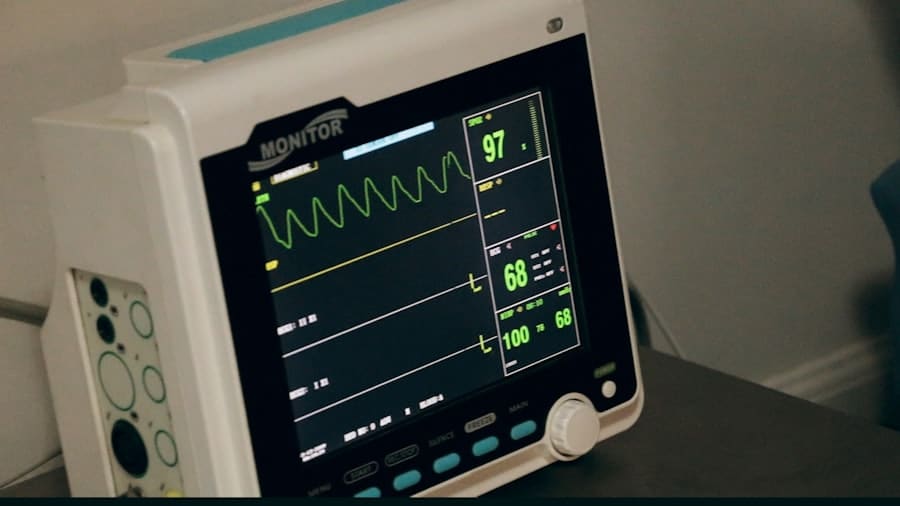
Adopting lifestyle changes is one of the most effective ways to manage blood pressure levels. These changes often encompass a holistic approach that includes modifications in diet, physical activity, and daily habits. One of the first steps individuals can take is to reduce sodium intake, as high sodium consumption is linked to elevated blood pressure.
The American Heart Association recommends limiting sodium intake to no more than 2,300 mg per day, with an ideal limit of 1,500 mg for most adults. This can be achieved by avoiding processed foods, which often contain high levels of hidden sodium, and opting for fresh ingredients instead. In addition to dietary changes, incorporating regular physical activity into one’s routine can significantly impact blood pressure control.
Engaging in aerobic exercises such as walking, jogging, cycling, or swimming for at least 150 minutes per week can help lower systolic and diastolic pressures. Exercise not only strengthens the heart but also improves circulation and helps maintain a healthy weight—factors that are crucial for managing hypertension. Furthermore, establishing a consistent sleep schedule and ensuring adequate rest can also contribute positively to blood pressure regulation.
Dietary Tips for Lowering Blood Pressure
| Tip | Description |
|---|---|
| Reduce Sodium Intake | Aim for less than 2,300 mg of sodium per day |
| Increase Potassium Intake | Eat more fruits and vegetables high in potassium |
| Limit Alcohol Consumption | Men should have no more than 2 drinks per day, and women should have no more than 1 drink per day |
| Choose Low-Fat Dairy Products | Opt for low-fat or fat-free dairy products to reduce saturated fat intake |
| Focus on Whole Grains | Choose whole grain products over refined grains for added fiber and nutrients |
Diet plays a pivotal role in managing blood pressure effectively. The Dietary Approaches to Stop Hypertension (DASH) diet is specifically designed to combat high blood pressure through nutritional choices. This diet emphasizes the consumption of fruits, vegetables, whole grains, lean proteins, and low-fat dairy products while minimizing saturated fats and cholesterol.
Foods rich in potassium, such as bananas, sweet potatoes, and spinach, are particularly beneficial as potassium helps balance sodium levels in the body. In addition to following the DASH diet principles, individuals should be mindful of their alcohol consumption. Excessive alcohol intake can lead to elevated blood pressure levels; therefore, moderation is key.
The Centers for Disease Control and Prevention (CDC) suggests limiting alcohol to one drink per day for women and two drinks per day for men. Furthermore, staying hydrated with water instead of sugary beverages or excessive caffeine can also support healthy blood pressure levels.
Exercise and Physical Activity for Blood Pressure Control
Regular physical activity is a cornerstone of effective blood pressure management. Engaging in aerobic exercises not only helps lower blood pressure but also improves overall cardiovascular health. Activities such as brisk walking, cycling, swimming, or dancing can be enjoyable ways to incorporate movement into daily life.
The key is consistency; aiming for at least 150 minutes of moderate-intensity exercise each week can yield significant benefits. Strength training exercises should also be included in a well-rounded fitness regimen. These exercises help build muscle mass and improve metabolism, which can contribute to weight management—a crucial factor in controlling blood pressure.
Additionally, incorporating flexibility and balance exercises like yoga or tai chi can enhance overall well-being and reduce stress levels, further supporting healthy blood pressure management.
Stress Management Techniques for Blood Pressure Control
Mindfulness Practices for Reducing Stress
Mindfulness practices such as meditation and deep breathing exercises can help individuals cultivate a sense of calm and reduce anxiety. Research has shown that even short sessions of mindfulness meditation can lead to measurable reductions in blood pressure.
Engaging in Joyful Activities to Manage Stress
Another effective strategy for managing stress is engaging in hobbies or activities that bring joy and relaxation. Whether it’s gardening, painting, or spending time with loved ones, finding time for enjoyable pursuits can serve as a buffer against daily stressors.
Building a Support Network for Emotional Relief
Additionally, establishing a strong support network—whether through friends, family, or support groups—can provide emotional relief and practical advice for managing both stress and blood pressure.
Monitoring and Tracking Blood Pressure
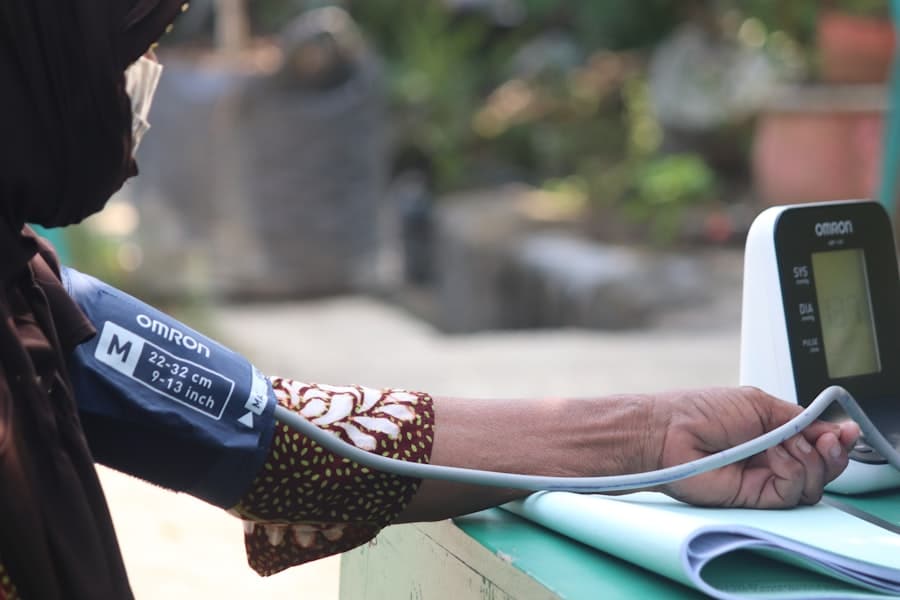
Regular monitoring of blood pressure is crucial for effective management of hypertension. Individuals are encouraged to check their blood pressure at home using an automatic cuff monitor for convenience and accuracy. Keeping a log of readings can help identify patterns over time and provide valuable information for healthcare providers during check-ups.
Many modern monitors even come equipped with Bluetooth technology that allows users to sync their readings with mobile applications for easier tracking. In addition to home monitoring, regular visits to healthcare professionals are essential for comprehensive management of blood pressure. These visits allow for professional assessments and adjustments to treatment plans as necessary.
Healthcare providers may recommend additional tests or screenings based on individual risk factors or existing health conditions.
Medication and Treatment Options for High Blood Pressure
For some individuals, lifestyle changes alone may not be sufficient to control high blood pressure effectively; in such cases, medication may be necessary. There are several classes of antihypertensive medications available that work through different mechanisms to lower blood pressure. Common categories include diuretics (which help eliminate excess fluid), ACE inhibitors (which relax blood vessels), calcium channel blockers (which prevent calcium from entering heart and blood vessel cells), and beta-blockers (which reduce heart rate).
The choice of medication often depends on individual health profiles and any coexisting medical conditions. It is crucial for patients to work closely with their healthcare providers to find the most effective treatment plan while minimizing potential side effects. Regular follow-ups are essential to assess the effectiveness of the prescribed medication and make adjustments as needed.
Natural Remedies and Supplements for Blood Pressure Control
In addition to conventional treatments, many individuals seek natural remedies and supplements to support their efforts in controlling blood pressure.
Some studies suggest that certain supplements may have beneficial effects on hypertension management.
For instance, omega-3 fatty acids found in fish oil have been shown to lower blood pressure by reducing inflammation and improving vascular function.
Other natural options include garlic extract, which has been linked to modest reductions in blood pressure levels due to its ability to enhance nitric oxide production in the body. Coenzyme Q10 (CoQ10) is another supplement that has garnered attention for its potential cardiovascular benefits. However, it is essential for individuals considering these supplements to consult with healthcare professionals before starting any new regimen to ensure safety and efficacy.
Managing blood pressure effectively requires adaptability in various situations such as traveling or working long hours. When traveling, especially by air or during road trips, it’s important to stay hydrated and avoid excessive salt intake from processed snacks commonly found on journeys. Planning meals ahead of time can help ensure access to healthier options while on the go.
At work, creating an environment conducive to managing stress is vital.
Taking regular breaks throughout the day can help alleviate tension; even short walks or stretching exercises can promote relaxation and improve circulation. Additionally, keeping healthy snacks on hand—such as nuts or fruits—can prevent unhealthy eating habits during busy workdays.
Seeking Support and Resources for Blood Pressure Control
Seeking support from healthcare professionals and community resources can significantly enhance efforts toward controlling blood pressure. Many organizations offer educational programs focused on hypertension management that provide valuable information on lifestyle changes and treatment options. Support groups can also be beneficial; connecting with others facing similar challenges fosters a sense of community and shared experiences.
Online resources are abundant as well; websites dedicated to heart health often provide tools such as meal planners, exercise guides, and tracking apps that can assist individuals in their journey toward better blood pressure control. Engaging with these resources empowers individuals with knowledge and support necessary for making informed decisions about their health.
If you are looking for ways to manage your blood pressure, you may also be interested in learning about the best skin care line for dry sensitive skin. According to experts, finding the right products for your skin type can help improve overall health and well-being. To read more about expert recommendations for skin care, check out this article.
FAQs
What is blood pressure?
Blood pressure is the force of blood against the walls of the arteries as the heart pumps it around the body. It is measured in millimeters of mercury (mmHg) and is recorded as two numbers: systolic pressure (when the heart beats) over diastolic pressure (when the heart is at rest).
What is considered normal blood pressure?
A normal blood pressure reading is typically around 120/80 mmHg. However, it can vary depending on factors such as age, gender, and overall health.
How can I manage my blood pressure?
You can manage your blood pressure by maintaining a healthy lifestyle, which includes eating a balanced diet, exercising regularly, managing stress, limiting alcohol consumption, and avoiding tobacco products. In some cases, medication may also be necessary.
What are the risk factors for high blood pressure?
Risk factors for high blood pressure include being overweight, having a family history of high blood pressure, consuming too much salt, not getting enough physical activity, and smoking.
What are the complications of high blood pressure?
Complications of high blood pressure can include heart disease, stroke, kidney damage, vision loss, and other health problems. It is important to manage high blood pressure to reduce the risk of these complications.
How often should I have my blood pressure checked?
It is recommended to have your blood pressure checked at least once a year, or more frequently if you have risk factors for high blood pressure or if your healthcare provider advises it.