
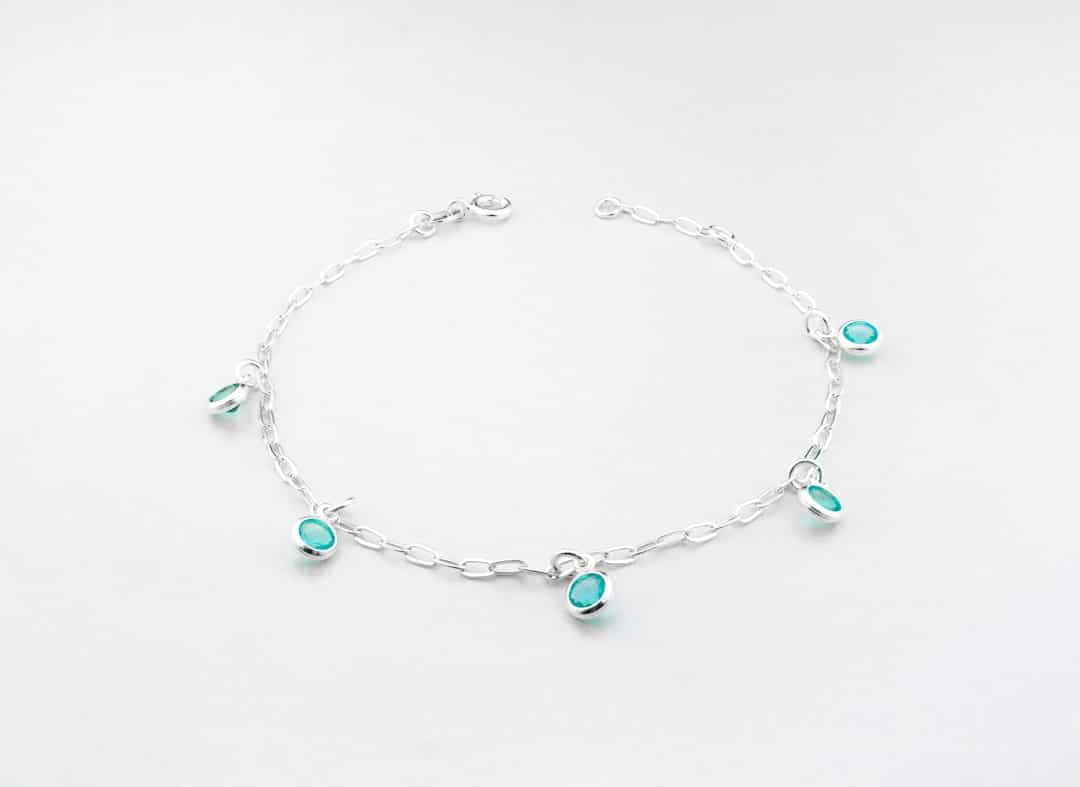
Throughout history, metallic bracelets have held a significant place in various cultures, often intertwined with health practices and beliefs. We can trace their origins back to ancient civilizations, where they were not merely decorative but were believed to possess healing properties. In ancient Egypt, for instance, gold and silver were thought to have protective qualities, and wearing these metals was believed to ward off illness and misfortune.
Similarly, in ancient Greece, physicians like Hippocrates recognized the potential of metals in healing, leading to the use of metallic bracelets as part of therapeutic regimens. As we moved through the ages, the use of metallic bracelets continued to evolve. In the Middle Ages, they were often associated with talismans and amulets, believed to carry spiritual significance that could influence health.
The Renaissance period saw a resurgence in the interest in alchemy and the properties of various metals, further embedding metallic bracelets into health practices. By the 20th century, the rise of alternative medicine brought about a renewed focus on the potential health benefits of these accessories, leading to their modern-day popularity.
Key Takeaways
- Metallic bracelets have been used in health practices for centuries, with historical evidence dating back to ancient civilizations.
- The health benefits of metallic bracelets are often attributed to the science of magnetism and the body’s electromagnetic field.
- Different types of metallic bracelets, such as copper, silver, and gold, are believed to offer various health benefits, including pain relief and improved circulation.
- Magnetic therapy plays a significant role in the health claims of metallic bracelets, with proponents suggesting that it can help alleviate symptoms of certain health conditions.
- While metallic bracelets are generally considered safe, potential risks and side effects may include skin irritation and allergic reactions.
The Science Behind the Health Benefits of Metallic Bracelets
When we delve into the science behind metallic bracelets, we find a fascinating intersection of traditional beliefs and modern research. Many proponents argue that certain metals, such as copper and titanium, can have beneficial effects on our health. Copper, for instance, is known for its anti-inflammatory properties and is often touted for its ability to alleviate symptoms of arthritis.
The idea is that when worn against the skin, copper can be absorbed into the body, potentially providing relief from joint pain and inflammation. Moreover, titanium is celebrated for its biocompatibility and strength. It is often used in medical implants due to its ability to integrate well with human tissue.
Some studies suggest that wearing titanium bracelets may help improve circulation and reduce fatigue. While the scientific community remains divided on these claims, we cannot ignore the growing body of anecdotal evidence that supports the idea that metallic bracelets can contribute positively to our overall well-being.
Different Types of Metallic Bracelets and Their Alleged Health Benefits
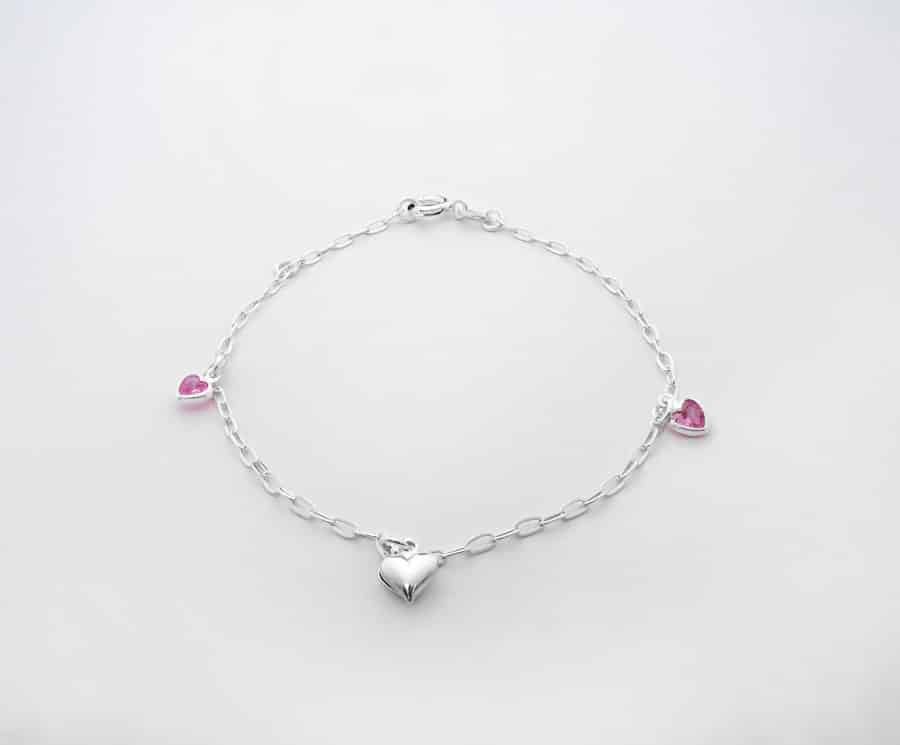
As we explore the various types of metallic bracelets available today, we discover a wide array of options, each claiming unique health benefits. Copper bracelets are perhaps the most well-known; they are often marketed for their purported ability to relieve arthritis pain and improve joint function. Many individuals who wear copper bracelets report a decrease in discomfort, leading to their continued popularity among those seeking alternative remedies.
Another type gaining traction is the magnetic bracelet. These bracelets incorporate magnets into their design, with claims that they can enhance blood flow and reduce pain through magnetic therapy. Some users believe that wearing these bracelets can lead to improved energy levels and overall vitality.
Additionally, stainless steel bracelets are also prevalent; while they may not have specific health claims associated with them, their durability and hypoallergenic properties make them a popular choice for those with sensitive skin.
The Role of Magnetic Therapy in Metallic Bracelets
Magnetic therapy has emerged as a prominent aspect of the conversation surrounding metallic bracelets. This alternative treatment modality is based on the premise that magnets can influence bodily functions and promote healing. When we wear magnetic bracelets, proponents argue that the magnets interact with our body’s magnetic field, potentially leading to improved circulation and reduced pain.
Research into magnetic therapy has yielded mixed results. Some studies suggest that magnetic fields can indeed have a positive effect on pain management and inflammation reduction. However, other research indicates that any benefits may be attributed to the placebo effect rather than the magnets themselves.
Despite this uncertainty, many individuals continue to swear by their magnetic bracelets, attributing their improved well-being to this form of therapy.
The Potential Risks and Side Effects of Wearing Metallic Bracelets
While metallic bracelets are often marketed as safe and beneficial, it is essential for us to consider potential risks and side effects associated with their use. For instance, individuals with certain medical conditions or those who wear medical devices such as pacemakers should exercise caution when considering magnetic bracelets. The magnetic fields generated by these accessories could interfere with electronic devices or exacerbate existing health issues.
Additionally, some people may experience skin irritation or allergic reactions to specific metals used in bracelets. Nickel allergies are particularly common; therefore, it is crucial for us to choose materials wisely when selecting a metallic bracelet. We should always consult with a healthcare professional if we have concerns about how wearing a metallic bracelet might affect our health.
The Controversy Surrounding the Health Claims of Metallic Bracelets
The Lack of Scientific Evidence
Many of the claims made about metallic bracelets is based on personal anecdotes rather than rigorous research. They argue that proper clinical trials are needed to determine whether the bracelets have any real benefits or if people are just experiencing a placebo effect.
A Critical but Open-Minded Approach
As we navigate this controversy, it’s essential to approach claims about metallic bracelets with a critical eye. At the same time, we should remain open to personal experiences and be willing to consider the possibility that these bracelets may have some benefits, even if the scientific evidence is limited
Research Studies and Clinical Trials on Metallic Bracelets and Health
In recent years, several research studies and clinical trials have sought to investigate the health benefits associated with metallic bracelets. Some studies have focused specifically on copper bracelets and their effects on arthritis pain relief. Results have been mixed; while some participants reported improvements in their symptoms, others did not experience significant changes.
Similarly, research into magnetic therapy has produced varied outcomes. Some clinical trials have shown promising results regarding pain management and inflammation reduction through magnetic bracelets, while others have found no substantial evidence supporting these claims. As we review this body of research, it becomes clear that more extensive studies are needed to draw definitive conclusions about the health benefits of metallic bracelets.
How to Choose the Right Metallic Bracelet for Health Benefits
When it comes to selecting a metallic bracelet for potential health benefits, we should consider several factors to ensure we make an informed choice. First and foremost, it is essential for us to identify our specific health needs or concerns. For instance, if we are seeking relief from arthritis pain, a copper bracelet may be worth exploring due to its historical association with joint health.
Additionally, we should pay attention to the materials used in the bracelet’s construction. Opting for hypoallergenic metals can help prevent skin irritation or allergic reactions. Furthermore, we should consider the design and fit of the bracelet; it should be comfortable enough for daily wear while still allowing for skin contact if we are seeking absorption benefits from certain metals.
Personal Testimonials and Experiences with Metallic Bracelets
Personal testimonials play a significant role in shaping our perceptions of metallic bracelets and their health benefits. Many individuals share stories of how wearing these accessories has positively impacted their lives. From reduced joint pain to increased energy levels, these accounts often highlight the subjective nature of health experiences.
While we must acknowledge that personal experiences can vary widely from person to person, they provide valuable insight into how metallic bracelets are perceived in everyday life. For some, these accessories serve as a source of comfort and hope in managing chronic conditions or enhancing overall well-being.
The Influence of Cultural Beliefs and Traditions on Metallic Bracelets and Health
Cultural beliefs and traditions significantly influence our understanding of metallic bracelets and their role in health practices.
For example, in traditional Chinese medicine, certain metals are believed to correspond with different elements and energies within the body.
As we explore these cultural perspectives, we gain a deeper appreciation for how metallic bracelets have transcended mere fashion statements to become symbols of health and wellness across various societies. This cultural context enriches our understanding of why individuals may choose to wear these accessories beyond their aesthetic appeal.
The Future of Metallic Bracelets in Health and Wellness Practices
Looking ahead, we find ourselves at an intriguing crossroads regarding the future of metallic bracelets in health and wellness practices. As interest in alternative therapies continues to grow, there is potential for further research into the efficacy of these accessories. We may see advancements in materials science that lead to more effective designs or combinations of metals that enhance their purported health benefits.
Moreover, as technology evolves, we might witness innovations that integrate wearable technology into metallic bracelets, allowing for real-time monitoring of health metrics alongside traditional healing properties. This fusion of ancient practices with modern technology could pave the way for a new era in holistic health approaches. In conclusion, our exploration of metallic bracelets reveals a rich tapestry woven from history, science, culture, and personal experience.
While skepticism remains regarding their health claims, many individuals continue to find value in these accessories as part of their wellness journey. As we move forward, it is essential for us to remain open-minded yet discerning as we navigate this fascinating intersection of tradition and modernity in our pursuit of health and well-being.
There is a fascinating article on UTIs and their potential link to chest pain that sheds light on a lesser-known aspect of urinary tract infections. This article delves into the symptoms and treatment options for UTIs that may manifest as chest pain.
FAQs
What are metallic bracelets?
Metallic bracelets are accessories made from various metals such as copper, stainless steel, titanium, and silver. They come in different styles and designs and are often worn as fashion accessories.
Do metallic bracelets have health benefits?
There is limited scientific evidence to support the claim that metallic bracelets have health benefits. Some people believe that wearing certain types of metallic bracelets, such as copper or magnetic bracelets, can help alleviate symptoms of conditions like arthritis and improve overall well-being. However, these claims are not supported by conclusive scientific research.
Are there any risks associated with wearing metallic bracelets?
In general, wearing metallic bracelets as fashion accessories poses minimal risk. However, some people may experience skin irritation or allergic reactions to certain metals. It’s important to be aware of any sensitivities or allergies to metals before wearing a metallic bracelet.
Can metallic bracelets interfere with medical devices?
Certain types of metallic bracelets, particularly those containing magnets, may interfere with medical devices such as pacemakers or implantable cardioverter defibrillators (ICDs). It’s important for individuals with these medical devices to consult with their healthcare provider before wearing any type of metallic bracelet.
Do metallic bracelets have any impact on blood circulation or energy levels?
There is no scientific evidence to support the claim that metallic bracelets have any impact on blood circulation or energy levels. Any perceived effects on these aspects of health are likely due to a placebo effect rather than any physiological changes caused by the bracelet.