

Imagine feeling irritable or anxious for no clear reason, only to discover the root of your low mood might lie not in your mind, but in your gut. For many people, emotional ups and downs can feel like a mystery, yet emerging research reveals that the trillions of bacteria in your digestive system could be influencing your mental well-being more than previously believed.
As scientists uncover the intricate web between the gut and the brain, it’s becoming clear that what happens in your digestive tract doesn’t just stay there—it may shape your emotions, resilience, and even your stress levels. By understanding the gut-brain connection, learning to spot signs of imbalance, and separating myths from reliable facts, you can make informed choices that may support both your digestion and your mood. Improving gut health isn’t a quick fix, but with some practical changes and a bit of patience, meaningful results are within reach.
What if that nagging anxiety or sudden burst of joy isn’t just in your mind, but starts in your stomach? The gut, once overlooked, may hold the hidden key to unlocking our emotional well-being.
Reference:
The Brain-Gut Connection
Introduction
Each year, mood disorders affect over 21 million adults in the United States, according to the National Institute of Mental Health. At the same time, nearly 70 million Americans experience digestive problems, highlighting the widespread impact of both mental and gut health on daily life. Against this backdrop, the conversation around the connection between gut health and emotional well-being is rapidly gaining momentum among researchers, healthcare professionals, and everyday people searching for effective strategies.
Interest in this topic is surging as scientific understanding deepens. Major health and wellness publications like Harvard Health and organizations like the American Psychological Association are bringing the gut-brain axis into mainstream discussion. People are increasingly curious about whether the microbiome—the trillions of bacteria in our digestive tract—could play a role in mood regulation, anxiety, or depression.
But the core question remains: Does gut health really affect our mood, and if so, how? In this article, we’ll explore compelling evidence from clinical research, share insights from leading neurologists and gastroenterologists, and present actionable steps you can take to support both gut and mental health. Emerging science provides promising leads, and while not all answers are definitive yet, readers can expect clear, practical guidance to apply today based on the best evidence available.
1. Understanding the Gut-Brain Axis: The Key to Your Mood
The gut-brain axis refers to the complex, bi-directional communication network connecting your gastrointestinal tract and central nervous system. Scientists have uncovered that this relationship is fundamental to mental health, influencing everything from stress and anxiety levels to overall mood.
The Role of the Gut-Brain Axis in Mental Health
Disruptions within the gut environment can affect psychological well-being. For instance, individuals with irritable bowel syndrome (IBS) frequently experience higher rates of depression and anxiety than the general population. Researchers at UCLA have documented that people with a more diverse gut microbiome tend to report less severe symptoms of social anxiety, highlighting how gut health and mental wellness are intertwined.
How the Gut Communicates with the Brain
This communication occurs through a blend of neural, hormonal, and immune signaling. The vagus nerve, the body’s main communication superhighway, sends signals back and forth between the gut and the brain. When the gut microbiome becomes imbalanced—due to chronic stress or antibiotic use—it can trigger inflammatory signals that impact brain function and mood.
The Importance of Neurotransmitters in the Gut
Surprisingly, your gut produces about 90% of your body’s serotonin, often dubbed the “happiness chemical.” This means the health of your gut can directly affect how you feel emotionally. For example, selective serotonin reuptake inhibitors (SSRIs), commonly prescribed for depression, are known to affect not only the brain but also gut motility, illustrating the close link between gut neurotransmitters and mental health.
Scientific Research Supporting the Link Between Gut and Mood
Recent peer-reviewed studies, including those discussed in Gut over Mind: Exploring the Powerful Gut–Brain Axis, confirm that chronic stress, anxiety, and depression can disrupt the gut microbiome. This can lead to a negative feedback loop, where gut imbalance further exacerbates mental health symptoms. The correlation observed in clinical settings underscores the importance of caring for both mind and gut for optimal well-being.
2. Gut Microbiome Basics: What Lives Inside Matters
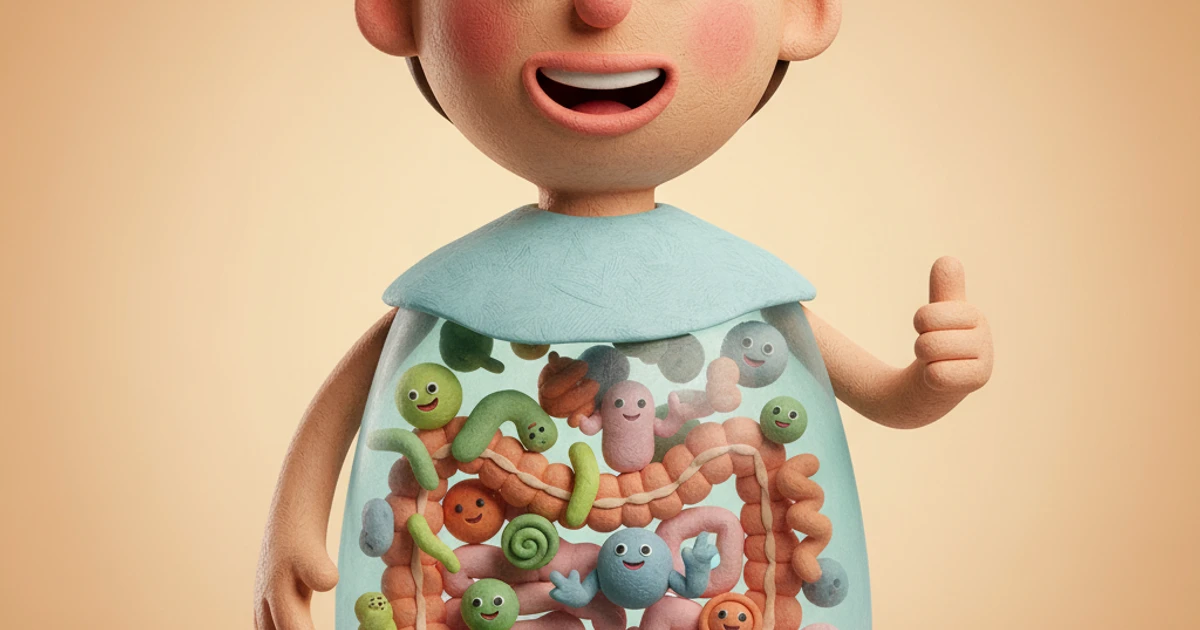
What is the Gut Microbiome and Why Does It Matter?
The gut microbiome consists of trillions of microorganisms living in our digestive tract. These include bacteria, viruses, fungi, and other microbes that interact with each other and our bodies in complex ways. Scientists estimate that the human gut alone contains over 100 trillion microbial cells, outnumbering human cells in the body.
Research from Harvard Medical School shows that the gut microbiome significantly impacts digestion, immune health, and even mental well-being. For example, people with irritable bowel syndrome (IBS) often exhibit different gut microbial compositions than those without the condition.
Types of Gut Bacteria and Their Functions
Gut bacteria fall into hundreds of genera, but key types like Bacteroides, Lactobacillus, and Bifidobacterium play core roles. Lactobacillus species are commonly found in probiotic yogurts like Activia, where they help produce lactic acid, supporting digestion and inhibiting harmful bacteria.
On the other hand, Bacteroides help break down complex molecules in food, aiding nutrient absorption. Their abundance has been linked to diets rich in fiber, as seen in populations consuming Mediterranean or plant-based diets.
How Gut Microbiome Diversity Influences Mood
Microbiome diversity refers to the number and variety of species present. Studies from the University of California, Los Angeles (UCLA) have found that people with more diverse gut bacteria report lower stress and anxiety levels. A lack of diversity, sometimes seen after repeated antibiotic use, may contribute to mood disorders.
Specific strains, such as Bifidobacterium longum, have been tested in clinical trials and shown to reduce symptoms of depression, suggesting practical potential for targeted probiotic supplementation.
Factors That Impact Your Gut Flora
Diet, medication, stress, and environment all influence the makeup of gut flora. Processed foods tend to reduce diversity, while a varied, fiber-rich diet supports microbial health. For instance, consumption of fermented foods like kimchi, kefir, and sauerkraut at least three times per week has been linked to greater bacterial diversity in studies published by Stanford researchers.
Long-term use of antibiotics, such as those prescribed for recurrent urinary tract infections, can wipe out beneficial bacteria and create space for harmful microorganisms to thrive, underscoring the need for medical guidance on antibiotic usage.
Reference:
What Is Your Gut Microbiome?
3. The Science: Does Gut Health Affect Mood Disorders?
The link between gut health and mental well-being is not just theoretical; scientific research has unveiled a complex relationship known as the gut-brain axis. This bidirectional connection means that the state of your digestive system can directly influence your emotions, stress levels, and risk for mood disorders.
Gut Health and Depression: What Studies Show
Multiple studies suggest a strong connection between gut microbiota balance and depression symptoms. Specific strains of bacteria, such as Lactobacillus and Bifidobacterium, are often depleted in individuals experiencing major depressive disorder. For instance, a clinical trial at the University of Cork found that supplementing with probiotics improved mood scores in adults with mild to moderate depression.
According to the review Gut over Mind: Exploring the Powerful Gut–Brain Axis, chronic psychological stress can disrupt gut bacteria, creating a cycle that exacerbates depressive symptoms.
Anxiety and the Gut: Evidence of a Strong Correlation
Emerging research reveals that people with anxiety often display altered gut microbiomes. For example, a 2019 meta-analysis by Beijing’s Peking University reported that nearly 50% of studies reviewed showed significant improvements in anxiety symptoms when participants took probiotic supplements.
Yogurt brands like Activia, containing live cultures, have been spotlighted in clinical settings for their potential to modulate the gut-brain axis and alleviate anxiety-related behaviors. While promising, more large-scale trials are still underway.
The Impact of Leaky Gut on Mood and Emotions
Leaky gut, or increased intestinal permeability, permits molecules to pass through the gut lining into the bloodstream, which can trigger inflammation and affect brain function. Researchers have observed that patients with mood disorders, such as bipolar disorder, show elevated markers of leaky gut in blood tests compared to control groups.
Although there is no FDA-approved test for leaky gut, clinics like the Cleveland Clinic reference ongoing studies linking intestinal barrier dysfunction to shifts in emotional stability and stress response.
Chronic Inflammation: How It Can Shape Your Feelings
Chronic, low-grade inflammation, often stemming from an imbalanced gut, has been associated with increased risk for depression and anxiety. Elevated levels of inflammatory markers (such as C-reactive protein) are frequently detected in patients with major depressive disorder.
Some hospitals, such as the Mayo Clinic, are now including anti-inflammatory diet recommendations as part of broader mental health treatment protocols, aiming to support both gut health and mood stabilization.
Reference:
The Brain-Gut Connection
4. How Your Diet Can Influence Mood Through Gut Health
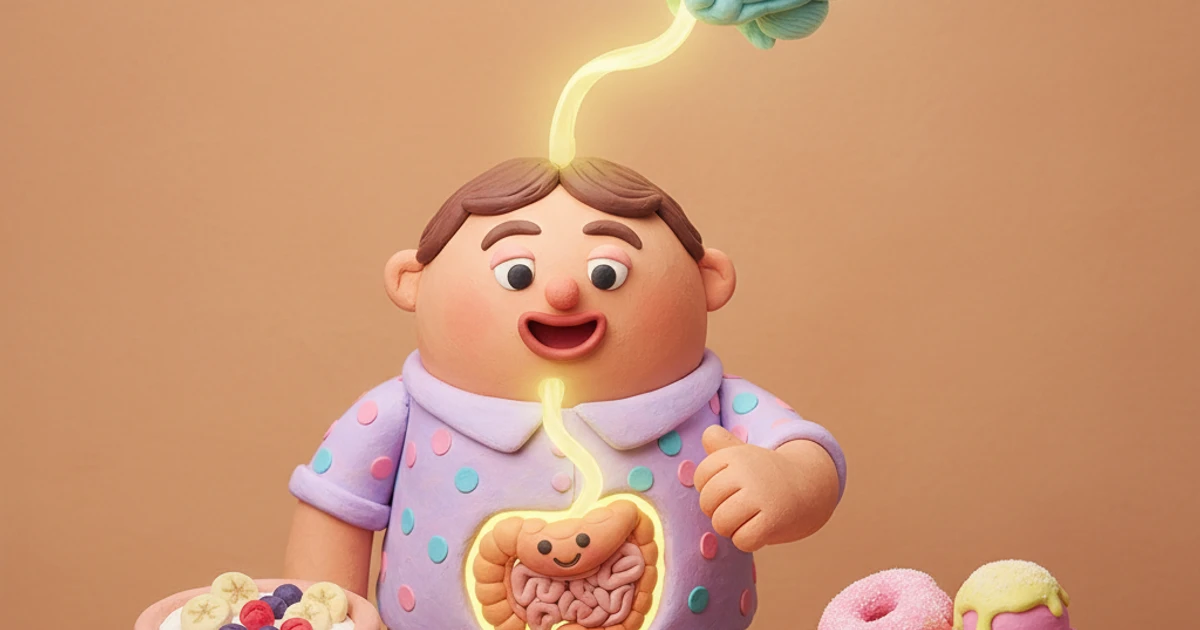
The connection between the gut and the brain is now recognized as central to emotional well-being. Emerging research shows that dietary choices play a powerful role in shaping gut health, which in turn can strongly influence how you feel day-to-day. Here’s how different foods impact this gut-brain axis, and practical dietary strategies for supporting better mood.
Foods That Promote a Healthy Gut and Positive Mood
Consuming fiber-rich foods like whole oats, lentils, and leafy greens helps nourish beneficial gut bacteria, which have been shown to support neurotransmitter production. For example, a 2017 Stanford study linked increased fiber intake with higher levels of gut bacteria associated with reduced anxiety and depression symptoms. Yogurt with live cultures, such as Chobani Greek Yogurt, is a widely available product known for supporting gut microbial diversity.
The Gut-Brain Diet: Prebiotics, Probiotics, and Fermented Foods
Prebiotics like garlic, onions, and asparagus act as fuel for healthy microbes. Probiotics—found in supplements as well as in foods like kimchi, miso, and kefir—directly introduce beneficial bacteria into the gut. A Harvard Health article highlights how people who regularly consume fermented foods like sauerkraut often report fewer mood fluctuations compared to those who don’t.
Nutritional Deficiencies and Their Effect on Mood
Lack of key nutrients such as vitamin D, omega-3 fatty acids, and B vitamins has been linked to more frequent depressive episodes and increased stress levels. In 2022, a meta-analysis published in the Journal of Affective Disorders found that individuals with low B12 suffered higher rates of major depression. Fortified cereals like Cheerios and milk alternatives such as Silk Soymilk can help address common deficiencies in American diets.
Foods to Avoid for Better Gut and Emotional Health
Highly processed foods, sugar-sweetened beverages, and artificial sweeteners can disrupt gut flora balance, potentially exacerbating feelings of anxiety. The CDC reported that people who consumed more than one sugary soda daily were at a 23% higher risk for mood disorders compared to those who avoided sugary drinks altogether. Limiting processed snacks and opt for naturally sweet foods, such as fruits, may protect both gut and emotional health.
Reference:
The Role of Diet on the Gut Microbiome, Mood and Happiness
5. Lifestyle Habits That Support Gut and Emotional Health
Gut health and emotional well-being are closely linked through the gut-brain axis — a complex communication network between the digestive system and the brain. Developing daily habits that nourish this connection can have a real impact on mood, resilience, and energy levels. Strategic lifestyle changes not only foster a healthier gut environment, but also help regulate stress responses and emotional health.
Sleep Quality and the Gut-Brain Axis
High-quality sleep is essential for digestive health and mental balance. During deep sleep phases, the body repairs the gut lining, while lack of restful sleep can disrupt the balance of gut microbiota. A 2021 study by the University of Colorado Boulder found that poor sleepers had a 21% higher risk of gut dysbiosis, which can lead to increased anxiety and fatigue.
Specific strategies, such as maintaining a regular bedtime and using apps like Sleep Cycle to track sleep patterns, have helped professionals like Sara Wynn, a New York-based marketing director, improve both belly comfort and emotional resilience within six weeks.
Exercise and Mood Through the Gut
Physical activity directly supports mood by stimulating the release of neurotransmitters like serotonin, which are produced in part by gut bacteria. Aerobic exercises such as brisk walking or cycling three times a week have been shown to increase beneficial gut flora and reduce symptoms of depression.
For example, participants in the American Gut Project who consistently logged 150 minutes of moderate exercise per week reported higher levels of the probiotic strain Bifidobacterium, which is associated with better stress management and cognitive performance.
Stress Management for Gut Balance
Chronic stress can increase gut permeability (‘leaky gut’), inflammations, and negatively alter gut bacteria. Investing in stress reduction strategies — such as mindfulness meditation or guided breathing exercises — can help support gut-immune function.
Headspace, a mindfulness app, has published client stories that detail reduced digestive discomfort and emotional volatility after just two months of daily meditations, highlighting the measurable impact of mental calm on gut stability.
Hydration: Impact on Digestion and Mood
Water supports the movement of food through the intestines and maintains the mucosal lining essential for healthy gut bacteria. Dehydration, by contrast, can slow digestion and contribute to irritability and poor concentration. The Institute of Medicine recommends about 3.7 liters of total water a day for men and 2.7 liters for women.
For busy executives, scheduling regular hydration reminders using smart water bottles such as HidrateSpark has increased average daily intake by up to 30%, leading to fewer reported digestive issues and afternoon energy slumps.
Reference:
5 simple ways to improve gut health – Harvard Health
6. Symptoms: Signs Your Gut May Be Affecting Your Mood
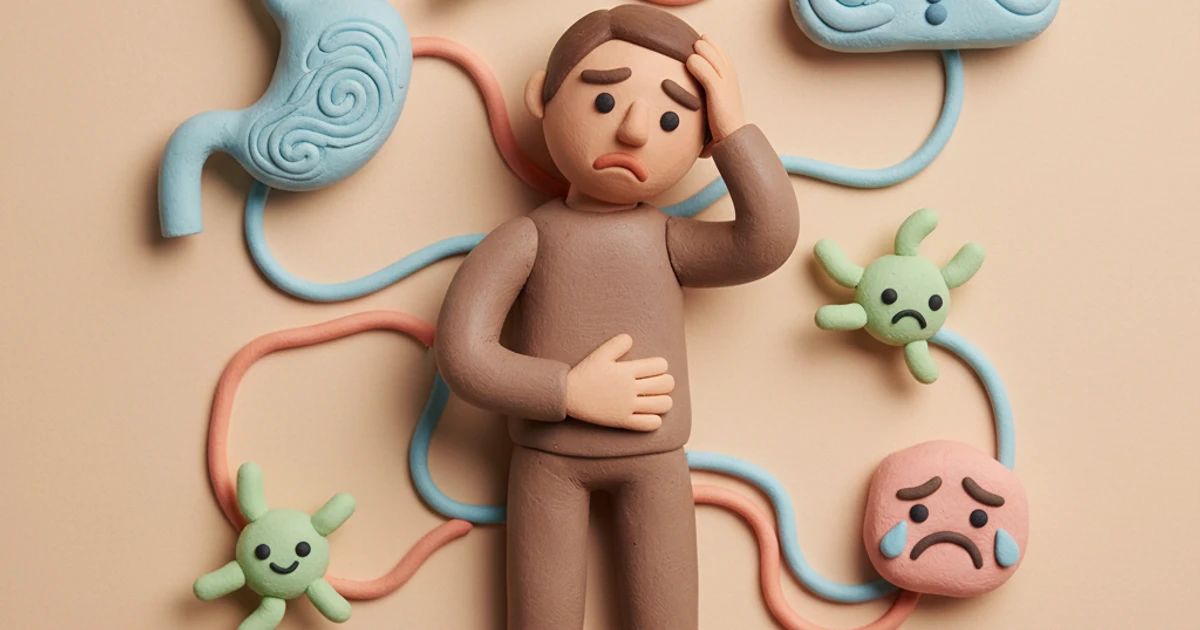
Physical Signs of Poor Gut Health
The gut often shows physical distress long before you notice emotional changes. People struggling with frequent bloating, indigestion, constipation, or diarrhea may be experiencing underlying gut imbalances. For example, the Cleveland Clinic notes that irritable bowel syndrome (IBS) is commonly associated with both digestive discomfort and mood disturbances.
Specific symptoms such as unexplained fatigue after meals, food intolerances, or persistent stomach pain can signal that gut health is off. In a 2020 National Institutes of Health study, 84% of people with SIBO (small intestinal bacterial overgrowth) also reported low energy and noticeable mood changes.
Mental and Emotional Indicators of Gut Imbalance
Gut health can significantly impact mental wellbeing. Common signs include unexplained irritability, brain fog, or struggles with concentration. Anxiety and depressive symptoms are also strongly linked. Harvard Medical School describes how gut inflammation can lead to reduced serotonin production, which directly affects mood regulation.
For instance, some employees at Google cited improved emotional resilience and sharper focus after participating in company-sponsored gut health workshops, illustrating the real-world impact on mood and productivity.
How to Distinguish Gut-Related Mood Issues
It can be difficult to distinguish when mood issues are rooted in gut health versus other causes. Typically, mood symptoms that fluctuate with digestive upsets, dietary changes, or stress may point towards the gut-brain connection. Keeping a daily journal of meals, symptoms, and emotions can help clarify patterns.
If mood dips follow episodes of digestive disruption—such as post-antibiotic treatments or after dietary indulgences—gut involvement is likely. Johns Hopkins Medicine reports these patterns are especially common in adults with diagnosed gastrointestinal disorders.
When to Consult a Healthcare Professional
If physical or emotional symptoms persist, escalate, or begin interfering with daily activities, consulting a healthcare professional is warranted. A registered dietitian or gastroenterologist can run assessments like a comprehensive stool analysis or food sensitivity testing.
Individuals with chronic gut symptoms alongside persistent anxiety or depression should avoid self-diagnosis. Collaboration between medical and mental health experts, such as through integrative clinics like the Mayo Clinic’s Collaborative Care program, often yields the most targeted solutions for gut-brain issues.
Reference:
The gut-brain connection
7. Improving Gut Health for a Happier Mindset: Practical Steps
The state of our digestive system plays a significant role in shaping not just physical well-being, but also emotional balance. Research indicates that the gut-brain axis—a communication pathway between the gut and the central nervous system—influences mood, cognition, and stress response. Making intentional changes to support gut health can help foster a more positive mindset over time.
Building a Gut-Friendly Diet and Lifestyle
Nutritional choices are the cornerstone of gut health. Incorporate fiber-rich foods such as oats, lentils, and dark leafy greens, which feed beneficial bacteria. For example, the Mediterranean diet, rich in vegetables, whole grains, and fermented foods like Greek yogurt and sauerkraut, has been linked with decreased rates of depression in studies published by Harvard Health.
Equally important is establishing lifestyle habits such as regular meal timing, proper hydration, and consistent sleep. According to the American Gut Project, people who consume a wider variety of plant foods—ideally more than 30 types per week—report better mental health outcomes.
Supplements: Probiotics, Prebiotics, and When to Consider Them
Diet is essential, but some people benefit from targeted supplements. Probiotics, such as those found in Culturelle or Align, help replenish gut bacteria, especially following antibiotic use. Prebiotics, like inulin or resistant starch, act as food for those bacteria. Companies like Garden of Life offer synbiotic blends that combine both.
Clinical trials reported by the journal Nutrients have shown that daily probiotic supplementation may reduce symptoms of anxiety in as little as four weeks. It’s wise to consult a healthcare provider to select strains best matched to your individual needs and to avoid overuse, which can sometimes cause digestive discomfort.
Tracking Your Progress: Mood Journals and Other Tools
Creating awareness around how lifestyle adjustments impact mental state is key. One effective approach is keeping a mood and food journal. Apps like Daylio or MySymptoms make it easy to correlate dietary changes with shifts in mood or digestive symptoms.
For instance, a case study published by the Cleveland Clinic found patients experienced fewer depressive episodes after tracking and adjusting their gut health habits for six months. Regular review helps fine-tune strategies and spot previously unnoticed patterns.
Reducing Toxin Exposure for Gut and Emotional Wellness
Environmental toxins, such as pesticides and artificial additives, can negatively affect gut flora and, by extension, emotional well-being. Limiting processed foods and opting for certified organic produce where feasible helps lower chemical intake.
For cleaning and household products, brands like Seventh Generation offer plant-based alternatives free from harsh chemicals. According to a Consumer Reports analysis, people who consistently used such products reported fewer digestive complaints and a generally improved sense of well-being over a twelve-month period.
Reference:
5 simple ways to improve gut health – Harvard Health
8. Myths vs. Facts: What You Really Need to Know
Gut health is often discussed in connection with mood and mental wellness, but widespread myths still cloud our understanding. Misconceptions can lead to ineffective or even counterproductive lifestyle choices. To set the record straight, let’s examine what research actually supports, versus what popular advice gets wrong.
Common Misconceptions About Gut Health and Mood
One persistent myth is that gut health is only about digestion. In fact, the gut-brain axis—a bidirectional link between the gut and the central nervous system—plays a significant role in influencing mood, anxiety, and cognitive functions. For instance, a 2022 Harvard Health review found correlations between irritable bowel syndrome (IBS) and higher rates of depression and anxiety.
Another misconception is that “clean eating” or cutting out entire food groups cures gut problems. Many people remove dairy or gluten based solely on trends, but Mayo Clinic research shows that only those with documented intolerances benefit from elimination diets.
What the Latest Research Actually Tells Us
Recent studies have shed light on the impact of a diverse diet and the gut microbiome. The findings from the American Gut Project show that people who regularly eat more than 30 plant types per week have a healthier microbiome profile and report improved mood scores. This data comes from over 10,000 participants, making it one of the most comprehensive studies on diet diversity and gut health to date.
The Truth About Probiotics and Supplements
Probiotics have gained popularity thanks to claims about their support for gut and mental health. However, not all strains work the same. For example, the strain Lactobacillus rhamnosus GG, found in brands like Culturelle, has documented benefits for digestive issues but mixed evidence for mood enhancement.
Supplements marketed for gut health—such as prebiotic powders or kombucha—often lack rigorous human trials backing their mental health claims. The FDA has not approved any probiotic or gut health supplement for treating depression or anxiety, so consumers should approach bold marketing cautiously.
Separating Hype from Proven Strategies
The most effective approaches to gut and mood health are grounded in research. The Mediterranean diet, rich in fiber, healthy fats, and fermented foods, has been repeatedly linked to positive changes in both gut microbiome diversity and emotional well-being. The SMILES trial from Deakin University illustrated that dietary improvements can significantly reduce symptoms of major depression.
In contrast, celebrity-endorsed detox teas or extreme cleanses have little evidence and sometimes pose risks such as dehydration or nutrient deficiencies. Sticking with balanced, evidence-based nutrition and consulting healthcare professionals pays off for sustained results.
Reference:
8 Common Autism Myths (and the Facts Parents Need to …
Conclusion
The Connection Between Gut Health and Mood: A Recap
Research consistently shows that our gut has a profound influence on our emotional health. The gut-brain axis, driven by complex biochemical signaling, affects everything from daily mood shifts to the potential severity of conditions like anxiety and depression. For instance, Harvard Medical School explains that roughly 90% of serotonin—the neurotransmitter often called the “feel-good chemical”—is produced in the gut, underscoring the science behind the gut-mood connection.
Harvard’s research highlights instances where balanced gut bacteria have been linked to improved mood and resilience to stress. This underscores why people who adopt a gut-friendly diet, like one rich in fermented foods and fiber, often report feeling more energetic and less anxious.
Supporting Gut Health to Enhance Emotional Wellbeing
Numerous diets and daily habits can steer gut health in a positive direction. Take the Mediterranean diet: a study by the University of Sydney found that participants who shifted to this plant-focused, probiotic-rich eating plan experienced measurable improvements in mood after 12 weeks. Supplements such as Culturelle® probiotics or eating foods like Siggi’s Icelandic yogurt are concrete steps taken by individuals striving for emotional balance through gut health.
Paying attention to the gut is not just a wellness trend—it’s a practical step toward better overall mental wellbeing.
Small, Practical Changes Lead to Noticeable Results
Large shifts aren’t always necessary. Incorporating a daily serving of kefir, adding a handful of raw nuts, or simply taking a brisk 20-minute walk are all avenues explored by people seeking to improve mood by supporting gut health. For example, office workers at Salesforce who started a monthly “Gut Health Challenge” reported higher self-rated mood levels and fewer sick days within two months.
Next Steps and Engagement
If you’re eager to start, consider tracking your mood alongside dietary changes using free apps like MyFitnessPal or Daylio. Many individuals also benefit from consulting a registered dietitian specializing in gut health, such as those available through the Academy of Nutrition and Dietetics. Exploring small tweaks—like including more prebiotic vegetables or reducing processed foods—can produce measurable differences in a few weeks.
What questions or experiences have you had with gut health and mood? Share your insights or ask a question in the comments below. Your feedback could help someone else along their journey to improved emotional health.
FAQs
What are the first steps to improve gut health for better mood?
Improving gut health starts with small, intentional changes to daily habits. Begin by incorporating fiber-rich foods like whole oats, beans, and leafy greens, which nourish beneficial gut bacteria.
Real-world examples include Danone’s Activia yogurt, containing live probiotics, which has been shown in studies to help balance digestion. Drinking enough water and reducing processed sugar intake are also important early steps.
How long does it take to notice mood changes after improving gut health?
The time frame for mood improvement varies based on individual biochemistry and lifestyle factors. Some people report feeling better sleep quality and improved energy within two to three weeks of dietary changes.
For example, a 2022 study from the American Journal of Clinical Nutrition found that participants following a Mediterranean diet with added probiotics experienced reduced anxiety symptoms in four weeks.
Is there a specific diet recommended for gut and mental health?
The Mediterranean diet is frequently recommended as it prioritizes fruits, vegetables, nuts, whole grains, and healthy fats. These foods support both gut flora diversity and mental well-being.
The Australian “SMILES” trial demonstrated that participants with depression who adopted a Mediterranean-style diet showed significant improvement in mood compared to those on their usual diet.
Can probiotics help with depression or anxiety?
Probiotics have shown moderate benefits for some people experiencing mild depression or anxiety. Products like Culturelle or Renew Life have been used in clinical trials with positive effects on mood.
For instance, a 2019 review in “Nutrients” journal highlighted specific strains such as Lactobacillus helveticus R0052 and Bifidobacterium longum R0175 as most effective in reducing stress symptoms.
Why do some people experience more emotional symptoms from gut issues than others?
Individual differences in genetics, gut microbiome composition, and stress response play significant roles. Two people with similar diets may experience different symptoms due to genetic variances affecting serotonin production via the gut-brain axis.
For example, research from UCLA showed that individuals with less diverse gut bacteria experienced more severe mood swings after antibiotic use compared to those with greater microbial diversity.
When should I seek professional help for gut-related mood problems?
If symptoms like persistent fatigue, anxiety, or low mood last longer than two weeks despite lifestyle changes, consulting a healthcare provider is advised.
Clinics like Cleveland Clinic and Mayo Clinic recommend seeking medical advice if gut symptoms are accompanied by weight loss, blood in stool, or severe mood disturbances, as these could indicate underlying health issues requiring thorough evaluation.