
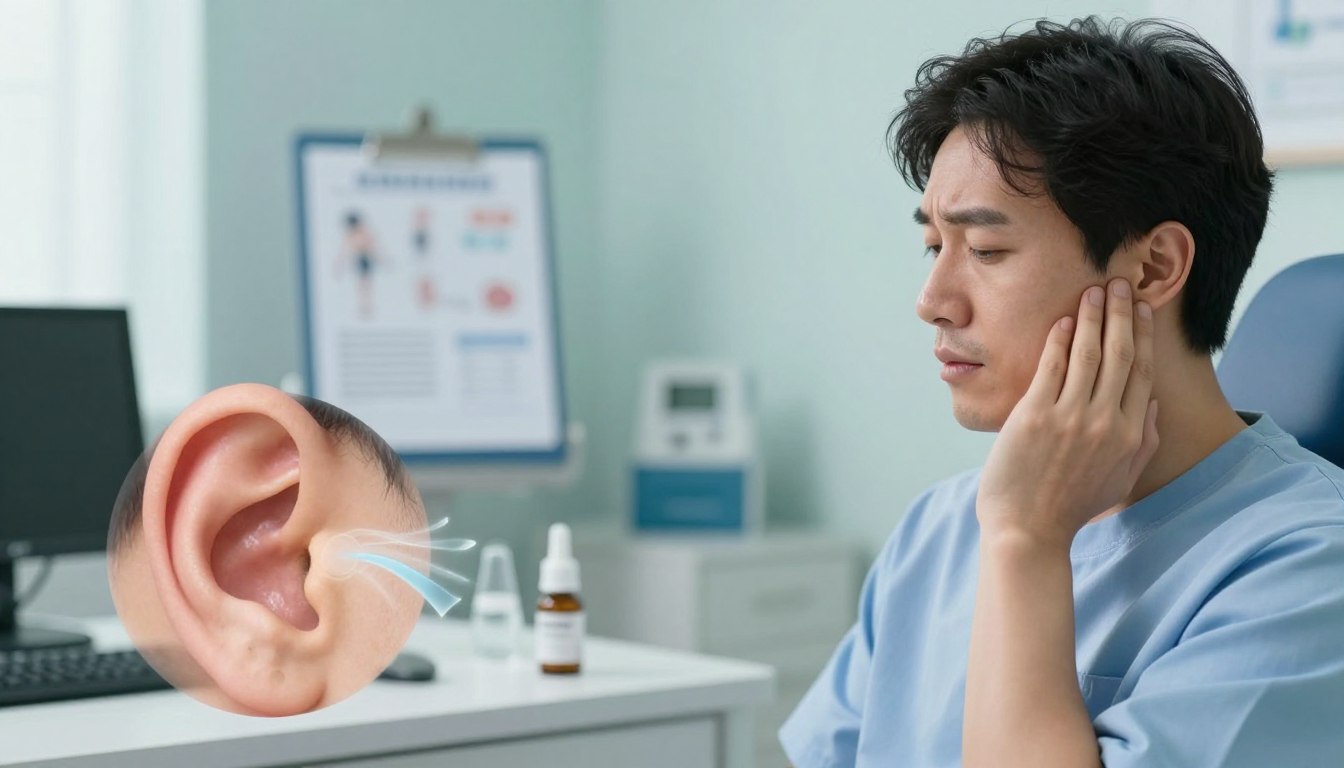
Ever wondered why your ears crackle when you’re not changing altitude? That sound might seem minor, but it could mean more about your ear health.
Your ears pop to balance pressure inside and outside your middle ear. This keeps your eardrum safe from damage. It happens often during flights or mountain drives, where altitude changes are quick.
The popping sound comes from air moving through your Eustachian tubes. These tubes connect your middle ear to your throat. They usually stay closed but open when you swallow, yawn, or chew.
When your Eustachian tubes don’t work right, you might pop your ears often. This can be due to allergies, sinus infections, or a cold. These issues cause inflammation in your nasal passages.
Knowing how to relieve ear pressure is key. Simple actions like yawning, swallowing, or pinching your nose can help. These methods work best if you catch the problem early.
Key Takeaways
- Ear popping occurs when pressure needs balancing between your middle ear and the environment
- Eustachian tubes regulate ear pressure by opening during swallowing, yawning, or chewing
- Persistent popping without altitude changes may indicate eustachian tube dysfunction
- Common triggers include allergies, colds, sinus infections, and rapid altitude changes
- Simple ear pressure relief techniques like yawning or gentle nose pinching can provide immediate help
- Seek medical attention if popping persists or comes with pain, hearing loss, or dizziness
Understanding Ear Popping: Definition and Symptoms
Ear popping is a common feeling many people have every day. It happens when your body tries to balance pressure on both sides of your eardrum. The sound or feeling comes from air moving through the Eustachian tubes, which link your middle ear to your throat.
Knowing what causes this and its symptoms can help you deal with ear discomfort better.
What Is Ear Popping?
Ear popping is your body’s way to avoid damage from pressure differences. When pressure builds up behind your eardrum, it can cause ear barotrauma if not fixed. The popping sound happens as your Eustachian tubes open to release or balance this pressure.
The sounds you hear can be different. Some people hear rhythmic patterns, while others hear irregular pops. These sounds might affect one or both ears and can happen all day or come and go.
Common Symptoms Associated with Ear Popping
Several symptoms often come with ear popping. Adults usually report:
- A feeling of fullness or pressure in the ears
- Ear pain ranging from mild to severe
- Muffled hearing or temporary hearing loss
- Tinnitus (ringing or buzzing sounds)
- Dizziness or vertigo
Children may have more symptoms related to ear congestion. Parents should look out for fever, headaches, increased irritability, trouble sleeping, and less appetite. These signs often mean a child’s ears need medical help, if symptoms last for days.
The Anatomy of the Ear
Your ears are more than just for hearing. They help with balance and pressure regulation. Knowing how they work explains the popping you feel in your ears.
Outer, Middle, and Inner Ear Explained
The outer ear is what you see and the ear canal. It has glands that make earwax. This keeps your ears clean and safe from dust and germs.
The middle ear is behind the eardrum. It has three small bones and muscles. These help move sound vibrations.
The inner ear has the cochlea for hearing and the vestibular system for balance. Knowing about these parts helps you find relief for clogged ears.
How Ear Pressure Works
Your ears keep pressure balanced. The air pressure on both sides of your eardrum is usually the same. But, when you quickly change environments, like driving up a mountain, this balance is disrupted.
This is when you feel that popping sensation. It’s your ears trying to adjust the pressure. This process protects your eardrum and keeps your hearing clear.
Common Causes of Ear Popping
Ear popping occurs when pressure inside and outside your eardrum changes. This can feel from mildly annoying to very uncomfortable. Many things can cause this, like changes in the environment or health issues that affect your ear’s balance system.
Barometric Pressure Changes
Changes in altitude can cause pressure differences that your ears must adjust to. When you fly, airplane ear pain happens because of the pressure changes. Your ears try to balance this pressure when you go up or down.
Driving up or down mountains also affects your ears. And, underwater, the pressure increases with depth. This makes scuba diving ear equalization very important.
Allergies and Sinus Infections
Nasal congestion blocks the tubes that connect your ears to your throat. Seasonal allergies cause inflammation that makes it hard for your ears to adjust. Cold viruses also fill these tubes with mucus.
| Condition | Effect on Ears | Duration |
|---|---|---|
| Seasonal Allergies | Mild to moderate popping | 2-8 weeks |
| Sinus Infection | Severe pressure and pain | 7-14 days |
| Common Cold | Frequent popping | 3-10 days |
Eustachian Tube Dysfunction
Problems with the ear tubes can stop them from draining properly. Acid reflux can inflame these tubes when stomach acid reaches the throat. Cigarette smoke and other irritants can also swell them up.
Some people are born with issues like a cleft palate. These can affect how the tubes work.
The Role of the Eustachian Tube
The Eustachian tubes are key to your ear health. They connect your middle ear to your nose and throat. When they work right, your ears stay comfortable.
But, if they don’t work, you might feel ear pain and other issues.
How It Functions in Ear Pressure Regulation
Your Eustachian tubes usually stay closed. They open when you yawn, chew, or swallow. This lets air into your middle ear, balancing pressure.
Simple ways can help your tubes work better. Try chewing gum, yawning, or gently blowing your nose while pinching your nostrils. These actions help the tubes open.
Signs of Eustachian Tube Dysfunction
Spotting eustachian tube problems early is important. Look out for these signs:
| Symptom | Description | Frequency |
|---|---|---|
| Ear fullness | Feeling like ears are plugged or stuffed | Daily occurrence |
| Popping sounds | Crackling or clicking noises | During swallowing |
| Muffled hearing | Sounds seem distant or unclear | Varies by severity |
| Ear pain | Sharp or dull aching sensation | Intermittent |
These symptoms can get worse with altitude changes or colds. Using ear pressure relief techniques often can help keep your ears healthy.
Ear Popping During Flights
Flying can sometimes be uncomfortable due to airplane ear pain. The quick changes in altitude during takeoff and landing put pressure on your ears. Knowing why this happens and how to relieve it can make flying more comfortable.
Why Flying Affects Your Ears
When planes go up or down, the air pressure outside your eardrum changes fast. This pressure difference makes your ears pop. Your Eustachian tubes try to balance the pressure, but sometimes they need help.
Commercial planes pressurize to match the air at 6,000 to 8,000 feet. Your ears must adjust to these changes quickly. This is why many people feel discomfort.
Tips for Easing Discomfort While Flying
There are several ways to ease airplane ear pain and manage pressure changes:
| Technique | How to Perform | Best Timing |
|---|---|---|
| Swallowing | Drink water slowly or swallow saliva | Throughout ascent and descent |
| Yawning | Open mouth wide to trigger natural yawn | When feeling pressure buildup |
| Chewing | Use gum or hard candies | Start before takeoff and landing |
| Toynbee Maneuver | Pinch nose closed and swallow | During pressure changes |
| Frenzel Maneuver | Pinch nose and click tongue | When other methods fail |
Staying awake during descent is key because sleeping stops you from adjusting ear pressure. Try setting an alarm 30 minutes before landing to help your ears adjust.
Popping Ears During Cold Weather
Winter can be tough on your ears. The cold can make your ears pop and feel uncomfortable. This happens when you move from warm inside places to cold outside.
These temperature changes affect the air pressure in your ears. It feels like the pressure change you get on planes.
Temperature Drops and Ear Pain
Cold air makes your ear blood vessels shrink. This reduces blood flow to your ears. It makes it harder for your Eustachian tubes to adjust the pressure.
Winter weather also brings sinus problems. These block your Eustachian tubes, leading to more ear popping.
Indoor heating and cold air mix to cause ear pain. Your sinuses make more mucus to fight dry air. This can block the ear pressure regulation paths.
How to Protect Your Ears in Winter
There are easy ways to keep your ears safe in winter:
- Wear ear muffs or a warm hat outdoors
- Use a humidifier indoors to keep air moist
- Drink plenty of water to keep your mucus membranes moist
- Avoid sudden temperature changes
- Clean your ears gently without pushing wax deeper
| Protection Method | Effectiveness | Best For |
|---|---|---|
| Fleece-lined ear muffs | High | Extended outdoor activities |
| Wool beanie hats | Medium | Daily commutes |
| Silicone earplugs | Low | Wind protection only |
Ear Popping After Swimming
Swimming and diving can make your ears feel uncomfortable. Water in the ear canal can feel trapped. Knowing what happens underwater and how to relieve it can make swimming better.
What Happens to Your Ears in Water?
Water pressure increases with depth when swimming or diving. Each foot underwater adds about 0.43 PSI to your eardrums. This pressure change is similar to what happens on airplanes.
The water and pressure can trap air bubbles behind your eardrum. This creates the familiar popping sensation.
For those diving, the pressure changes are even more important. Divers at just 33 feet underwater face double the pressure at sea level. They need to manage pressure to avoid discomfort and injury.
How to Clear Water from Your Ears
There are safe ways to clear clogged ears after swimming:
- Tilt your head sideways and gently pull your earlobe to straighten the ear canal
- Create a vacuum by cupping your palm over the affected ear and pressing gently
- Use gravity by lying on your side for several minutes
- Apply swimmer’s ear drops containing isopropyl alcohol to evaporate trapped water
Avoid using cotton swabs, as they can push water deeper and harm the ear canal. If water stays trapped for 2-3 days, see an ear specialist to avoid infection.
Relationship Between Ear Popping and Hearing Loss
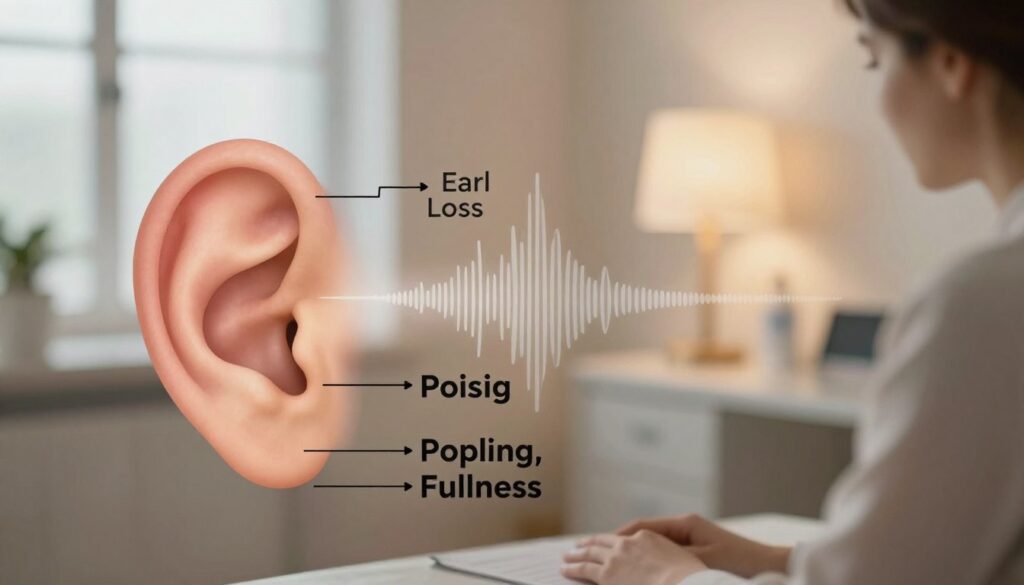
Ear popping might seem harmless, but it can signal serious problems. These issues can harm your hearing. Knowing when ear popping is a sign of something more is key.
Understanding the Connection
Frequent ear popping often comes from blocked Eustachian tubes. This blockage stops sound from passing through. Fluid buildup behind the eardrum can lead to infections.
These infections can damage the eardrum and bones that carry sound. This damage can be permanent.
Ear barotrauma from pressure changes also weakens ear structures. Each time, the eardrum stretches too far. This causes tiny tears that can lead to permanent damage.
When to See a Doctor
Some symptoms mean you should see a doctor. Look for these signs:
- Crackling sounds that make it hard to talk or do things
- Discharge with blood, pus, or a bad smell
- Partial hearing loss that lasts more than 48 hours
- Severe pain that doesn’t get better with home care
- Persistent cough with ear symptoms
- Intense itching in the ear canal
Seeing a doctor early can prevent permanent hearing loss. They can remove earwax to fix pressure problems.
Treatments and Home Remedies
Quick relief from ear pressure doesn’t always need a doctor. Many home remedies can help. It’s important to know which one works best for you.
Over-the-Counter Solutions
Pharmacies have many options for ear pressure relief. *Ibuprofen* or *acetaminophen* can help with pain. Decongestants like Sudafed clear nasal passages, helping ears drain better. Antihistamines like Claritin or Zyrtec are good for allergy-related issues.
Earwax buildup can be treated with softening kits. Mineral oil or carbamide peroxide drops, like Debrox, dissolve wax. Use these drops twice a day for up to four days.
Home Techniques to Relieve Ear Pressure
Simple techniques can offer quick relief. Try these:
- Swallow repeatedly or chew gum to open the Eustachian tubes
- Yawn widely to stretch the ear canal and equalize pressure
- Perform nasal irrigation using a neti pot with warm salt water
- Gently massage behind your ears where they meet the jawbone
- Trace the groove from your earlobes down your neck to the collarbone
Steam inhalation is also helpful. Breathe deeply over a bowl of hot water for 5-10 minutes. This method loosens mucus and opens passages, helping to clear clogged ears.
When to Seek Medical Attention
Ear popping usually goes away on its own. But, some signs mean you should see a doctor. These signs can help avoid serious problems and treat ear health issues.
Warning Signs to Look For
Watch for symptoms that are more than just ear popping. If you have:
- Sharp ear pain that lasts more than 24 hours
- Fever over 100.4°F with ear pain
- Discharge or bleeding from the ear
- Sudden hearing loss or muffled sounds
- Severe headaches with ear pressure
- Dizziness or balance problems
These could mean you have a bacterial infection or something serious. If ear popping doesn’t get better with home care after two weeks, see a doctor.
Specialists to Consult for Persistent Issues
An otolaryngologist (ENT specialist) can help with long-term ear popping issues. They will do a detailed check-up, including:
| Diagnostic Test | Purpose |
|---|---|
| Tympanometry | Measures eardrum movement and middle ear pressure |
| Audiometry | Evaluates hearing function and detects loss |
| CT or MRI scan | Identifies structural abnormalities or fluid buildup |
| Nasopharyngoscopy | Examines the back of nose and throat area |
Your doctor might give you antibiotics for infections, clean out earwax, or suggest ear tubes. For bad eustachian tube problems, they might use a small balloon to open it up.
Preventative Measures for Ear Popping
Making small changes in your daily life can help protect your ears. These changes can prevent ear congestion and discomfort. By knowing what causes ear problems, you can improve your ear health over time.
Lifestyle Changes and Tips
Keeping your hands clean is important for ear health. Wash your hands often with soap and water. This helps prevent infections that can lead to ear problems.
- Never use cotton swabs inside your ear canal – they push wax deeper
- Wear earplugs at concerts and construction sites to prevent damage
- Treat acid reflux properly as stomach acid can reach your ears
- Stay away from sick people during cold and flu season
- Avoid sharing earbuds, headphones, or towels with others
Environmental Adjustments to Reduce Ear Pressure
Your environment can impact ear pressure issues. Cigarette smoke can irritate the Eustachian tubes, causing swelling. Quitting smoking is beneficial for your ear health. Non-smokers should also avoid secondhand smoke.
Air quality matters for ear health. Use air purifiers at home if you live in polluted areas. During allergy season, keep windows closed and change air filters monthly. These steps help reduce irritants that cause ear congestion.
Misconceptions About Ear Popping
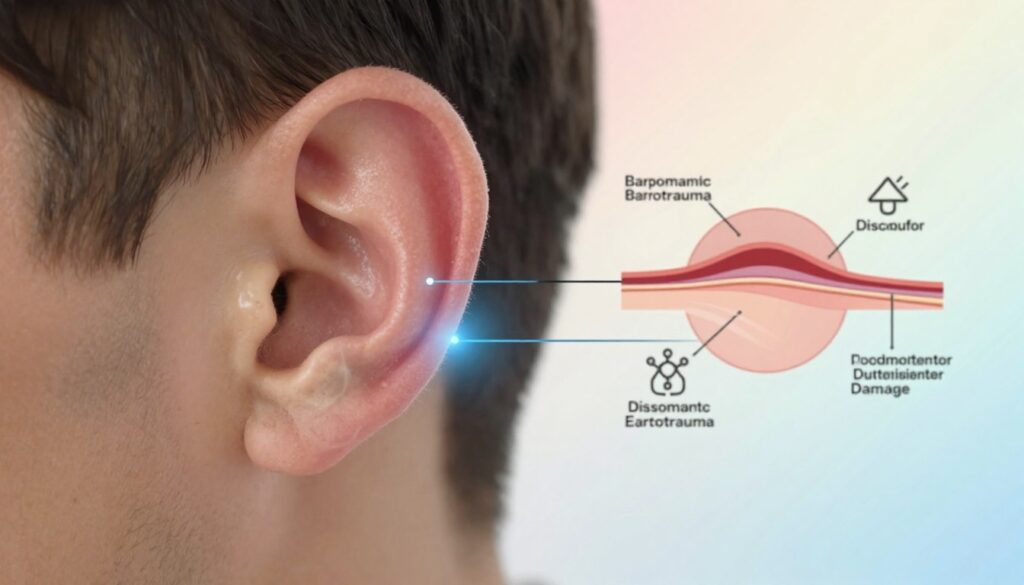
Many people don’t understand ear popping and worry too much about it. Ear pressure changes can be uncomfortable, but knowing the truth helps manage ear health. Let’s look at what happens when ears pop and debunk common myths.
Common Myths Debunked
One myth says ear popping harms your hearing. But, normal ear popping just balances pressure. It protects your eardrum from damage.
Some worry about popping ears during flights, thinking it’s a big deal. But, it’s just because the cabin pressure changes too fast for your ears to keep up.
Another myth is that hard ear popping is better. But, it can hurt your ears. Gentle methods like swallowing or yawning are safer and work just as well.
Facts You Should Know
| Common Belief | Actual Fact |
|---|---|
| Ear popping always signals infection | Often just normal pressure equalization |
| You should avoid flying with ear issues | Most people can fly safely with proper precautions |
| Frequent popping means permanent damage | Usually indicates treatable conditions like allergies |
| Ear sounds always require medication | Many cases resolve with simple home remedies |
Occasional clicking sounds are normal and often linked to jaw movement, not ear issues. If you have persistent ear popping, it might be due to TMJ disorders or muscle spasms. These can be treated. Stress management techniques can significantly reduce ear-related symptoms in many cases, showing the mind-body connection in ear health.
Conclusion: Managing Your Ear Health
It’s easy to take care of your ears. Knowing what causes ear popping helps you find the right solutions. Simple issues like earwax buildup or colds usually fix themselves. But, more serious problems like muscle spasms in the middle ear need a doctor’s help.
Summary of Causes and Solutions
Ears pop for many reasons. Changes in altitude, swimming, cold weather, and sinus infections are common causes. You can try simple fixes like yawning, swallowing, or the Valsalva maneuver.
If these don’t work, doctors might suggest nasal sprays. For TMJ disorders, dental appliances or pain medications like amitriptyline can help.
Encouragement to Stay Proactive in Ear Care
Your ear health is important. Small issues can become big problems if ignored. Keep track of when your ears pop and what triggers it.
Try different methods to find what works for you. If symptoms last more than two weeks or include pain, hearing loss, or dizziness, see an ENT specialist.
Prevention is key. Use EarPlanes on flights, keep your sinuses clear, and manage allergies to avoid Eustachian tube problems. Knowing how to relieve clogged ears and when to seek help keeps your hearing sharp and your ears comfortable all year.