

Imagine dealing with a chronic skin condition that causes discomfort, itching, and inflammation. For millions of people in the United States, this is a harsh reality. Atopic dermatitis, the most common form of eczema, affects over 9.6 million children and 16.5 million adults, significantly impacting their quality of life.
The symptoms of this condition can be debilitating, ranging from dry, itchy skin to painful rashes. While there is no cure, various treatment options and management strategies can help control symptoms and reduce flare-ups. Understanding the causes, triggers, and effective management techniques is crucial for those affected.
Key Takeaways
- Atopic dermatitis is a chronic skin condition that affects millions in the US.
- Symptoms include dry, itchy, and inflamed skin, significantly impacting quality of life.
- Various treatment options and management strategies can help control symptoms.
- Understanding causes and triggers is essential for effective management.
- This comprehensive guide explores diagnosis, treatment, and management of eczema.
Understanding Eczema (Atopic Dermatitis)
Understanding eczema, or atopic dermatitis, is crucial for managing its symptoms and improving quality of life. Eczema is a term that encompasses several skin conditions characterized by inflammation, irritation, and itchiness.
What Is Atopic Dermatitis?
Atopic dermatitis is a chronic skin condition that can persist for years or a lifetime. It is the most common type of eczema, affecting the skin and causing dryness, itchiness, and recurring rashes that can vary in color depending on skin tone. The condition often begins in childhood, typically within the first six months of life, but can develop at any age.
The skin of individuals with atopic dermatitis has a dysfunctional barrier that allows moisture to escape and irritants to enter, leading to inflammation and the characteristic symptoms of the condition.
Is Eczema the Same as Atopic Dermatitis?
While the terms “eczema” and “atopic dermatitis” are often used interchangeably, they are not exactly the same. Eczema is a broader term that refers to several skin conditions, including atopic dermatitis, which is the most common type of eczema. Atopic dermatitis is specifically characterized by its chronic nature and genetic predisposition, often involving a mutation in the gene responsible for filaggrin, a protein crucial for maintaining a healthy skin barrier.
Understanding the distinction between eczema and atopic dermatitis is essential for accurate diagnosis and effective treatment of the dermatitis.
Common Symptoms of Atopic Dermatitis
Understanding the common symptoms of atopic dermatitis is crucial for diagnosis and treatment. Atopic dermatitis often appears as an itchy rash or dry, scaly patches on the skin that may vary in appearance depending on skin tone.
Physical Symptoms
The hallmark symptom of atopic dermatitis is intense itching, which can disrupt daily activities and sleep. Physical manifestations include dry, scaly patches that may ooze clear fluid when scratched, leading to skin that becomes thickened and leathery due to chronic scratching. These symptoms commonly appear on the face, inside the elbows, behind the knees, and on hands and feet, though they can occur anywhere on the body.

How Symptoms Vary by Skin Tone
The appearance of atopic dermatitis varies significantly by skin tone. On lighter skin, it typically appears as red or pink patches, while on darker skin tones, it may appear as purple, brown, or grayish patches. Recognizing these variations is crucial for accurate diagnosis, as redness can be less visible in darker skin tones, making other symptoms like dryness and texture changes important indicators.
Causes and Risk Factors
The development of atopic dermatitis involves a multifaceted interplay between genetic predispositions and external triggers. While the exact cause remains unknown, research has shed light on several key factors that contribute to its development.
Genetic Factors
Genetic factors play a significant role in the development of atopic dermatitis. Research has shown that mutations in the filaggrin gene, which is crucial for maintaining the skin barrier, are common in individuals with the condition. A family history of atopic dermatitis or related conditions like asthma or hay fever significantly increases the risk of developing the condition.
Environmental Triggers
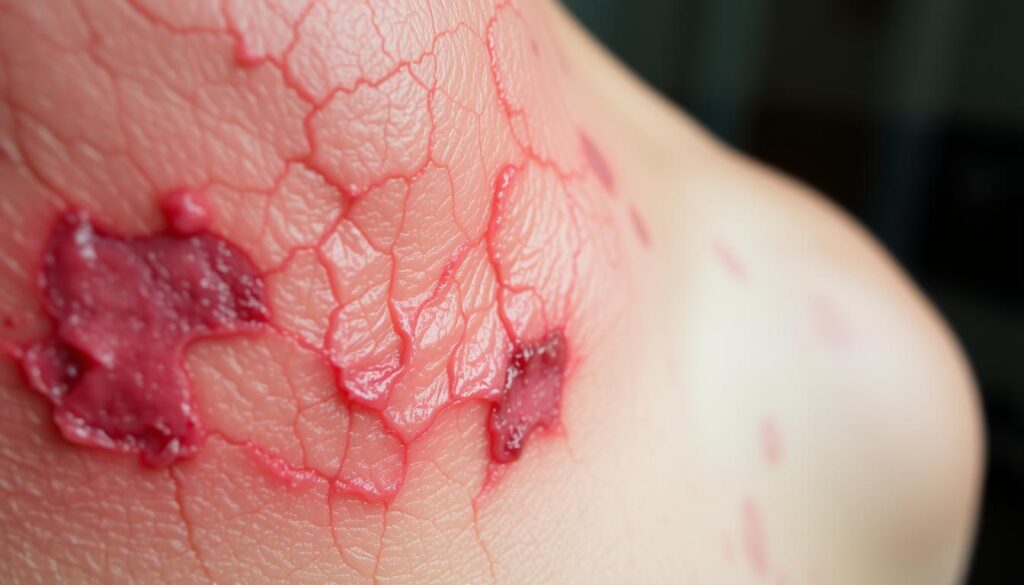 Environmental factors can trigger or exacerbate atopic dermatitis. These include climate conditions, exposure to irritants or allergens, and stress. The immune system of individuals with atopic dermatitis is overactive, leading to an inflammatory response that damages the skin. Understanding these triggers is crucial for managing the condition effectively.
The complex interplay between genetic factors and environmental triggers means that causes atopic dermatitis can vary significantly from one individual to another. By identifying and mitigating these factors, individuals can reduce their risk of developing the condition or alleviate its symptoms.
Common Triggers That Worsen Eczema
Eczema triggers can vary significantly from person to person, making personalized management essential. By understanding what aggravates your skin, you can take steps to prevent symptom flares and improve your quality of life.
Allergens and Irritants
Common environmental allergens that can trigger eczema flares include dust mites, pet dander, pollen, and mold spores. These allergens may require specific avoidance strategies in the home to minimize exposure. For instance, using allergen-proof bedding and regularly cleaning surfaces can help reduce dust mite exposure. Research has shown that reducing exposure to these allergens can significantly improve eczema symptoms.
| Allergen/Irritant | Avoidance Strategy |
|---|---|
| Dust Mites | Use allergen-proof bedding, regularly clean surfaces |
| Pet Dander | Keep pets out of bedrooms, use HEPA filters |
| Pollen | Stay indoors during peak pollen hours, use air purifiers |
Lifestyle Factors
Lifestyle factors such as stress, sweating, and rapid temperature changes can also trigger eczema flares. Managing stress through relaxation techniques, wearing breathable clothing, and maintaining a stable environment can help mitigate these effects. For example, practicing yoga or meditation can reduce stress levels, while wearing cotton clothing can minimize irritation caused by synthetic fabrics.
By understanding and managing these triggers, individuals with eczema can better control their symptoms and improve their overall skin health.
Diagnosing Atopic Dermatitis
To diagnose atopic dermatitis, healthcare providers rely on a combination of medical history and physical examination. This approach helps in understanding the patient’s symptoms and their duration.
Medical Examination Process
The diagnosis primarily involves a thorough medical history and physical examination by a healthcare provider, typically a dermatologist or allergist. During the examination, doctors look for characteristic patterns of rash distribution, skin dryness, and evidence of scratching.
- A thorough medical history is taken to understand the patient’s personal and family history of atopic conditions.
- The physical examination assesses the appearance and duration of symptoms.
Ruling Out Other Skin Conditions
Physicians must rule out other skin conditions with similar symptoms, such as seborrheic dermatitis, contact dermatitis, psoriasis, and fungal infections. Sometimes, skin scrapings or biopsies are required to confirm the diagnosis.

In some cases, allergy testing may be recommended to identify potential triggers, though these tests alone cannot diagnose atopic dermatitis.
Treatment Options for Eczema
Managing atopic dermatitis requires a comprehensive treatment plan tailored to the individual’s specific needs. The goal is to reduce symptoms, prevent flare-ups, and improve quality of life.
Topical Treatments
Topical treatments form the foundation of eczema management. These include moisturizers to repair the skin barrier and topical corticosteroids of varying potencies to reduce inflammation and itching.
Non-steroidal topical options, such as calcineurin inhibitors (tacrolimus, pimecrolimus) and phosphodiesterase-4 inhibitors (crisaborole), offer steroid-sparing alternatives for sensitive areas or long-term use.

Oral and Injectable Medications
For moderate-to-severe atopic dermatitis that doesn’t respond adequately to topical treatments, systemic options include oral immunosuppressants like cyclosporine, methotrexate, or azathioprine.
Newer biologic medications like dupilumab target specific pathways in the immune system, providing effective treatment for severe cases.
Phototherapy
Phototherapy, or controlled exposure to ultraviolet light, can be effective for widespread eczema. Though it requires multiple weekly sessions, it may be suitable for patients who have not responded to other treatments.
Patients may need to try several different treatment approaches or combinations before finding the most effective regimen for their specific case of atopic dermatitis.
Daily Management and Skincare Routine
To help manage eczema, it’s essential to establish a daily skincare routine that includes bathing and moisturizing to retain moisture and repair the skin barrier. Moisturized skin helps control flares by combating dryness and keeping out irritants and allergens.
Bathing and Moisturizing Tips
Establishing a consistent daily skincare routine is fundamental to managing atopic dermatitis and preventing flare-ups. Proper bathing techniques include using lukewarm water, limiting bath or shower time to 5-10 minutes, using gentle, fragrance-free cleansers, and patting the skin dry.
Moisturizing is crucial and should be done immediately after bathing (within 3 minutes) to trap moisture in the skin, using ointments or creams rather than lotions for better barrier protection. The “soak and seal” method—bathing followed by immediate application of medications and then moisturizers—can help manage eczema effectively.
Avoiding Triggers
Identifying and avoiding personal triggers is essential for long-term management of eczema and dermatitis. This may include using fragrance-free products, wearing loose-fitting cotton clothing, maintaining optimal home humidity levels, and managing stress through relaxation techniques. Consistent adherence to prescribed treatment regimens, even during symptom-free periods, can care for skin health and prevent flares of dermatitis.
By understanding and avoiding triggers, individuals can better care for their skin and reduce the occurrence of eczema flare-ups.
Eczema in Different Age Groups
The impact of atopic dermatitis varies significantly across different stages of life, from infancy through adulthood. This condition is not limited to a specific age group and can manifest differently as individuals grow.
Infants and Children
Atopic dermatitis typically begins in early childhood, with approximately 60% of cases developing within the first year of life and up to 90% by age five. In infants, eczema often appears as red, weepy patches on the face, scalp, and extensor surfaces of the extremities. Managing atopic dermatitis in children presents unique challenges, including preventing scratching and maintaining treatment routines, which can impact their sleep, school performance, and social development.

Adults
While many children experience improvement or complete resolution of their eczema by adolescence, approximately 50% will continue to have symptoms into adulthood. Adult-onset atopic dermatitis affects about 1-3% of adults, either as persistence of childhood disease or new-onset in adulthood. It often presents with more severe, widespread involvement and greater chronicity. Treatment approaches must be tailored to different age groups, considering factors like medication safety in children and occupational exposures in adults.
Complications and Related Conditions
Atopic dermatitis is associated with an increased risk of several health conditions, affecting not just the skin but overall well-being. The compromised skin barrier in individuals with atopic dermatitis significantly increases the risk of secondary skin infections, particularly from Staphylococcus aureus bacteria, which colonizes the skin of up to 90% of patients.
Skin Infections
Skin infections are a common complication of atopic dermatitis. The presence of Staphylococcus aureus bacteria on the skin can lead to infections, making it crucial for individuals with atopic dermatitis to maintain good skin hygiene and monitor for signs of infection.
The Atopic March
The term “atopic march” refers to the progression from atopic dermatitis to other allergic conditions such as food allergies, allergic rhinitis (hay fever), and asthma. Early-onset and severe eczema are strong predictors for developing these related conditions, highlighting the importance of early intervention and management.
Mental Health Impact
The chronic nature of atopic dermatitis and its visible symptoms can have a profound impact on mental health, leading to higher rates of anxiety, depression, and sleep disorders among affected individuals. Children with atopic dermatitis are also more likely to develop attention deficit/hyperactivity disorder (ADHD).
The following table summarizes the key complications and related conditions associated with atopic dermatitis:
| Condition | Description | Risk Factors |
|---|---|---|
| Skin Infections | Increased risk due to compromised skin barrier | Staphylococcus aureus colonization |
| The Atopic March | Progression to food allergies, allergic rhinitis, and asthma | Early-onset, severe eczema |
| Mental Health Issues | Higher rates of anxiety, depression, and sleep disorders | Chronic, visible nature of atopic dermatitis |
Myths and Facts About Eczema
Understanding the facts about eczema is crucial for dispelling common myths surrounding atopic dermatitis. Many misconceptions about the condition can lead to confusion and improper management.
Is Eczema Contagious?
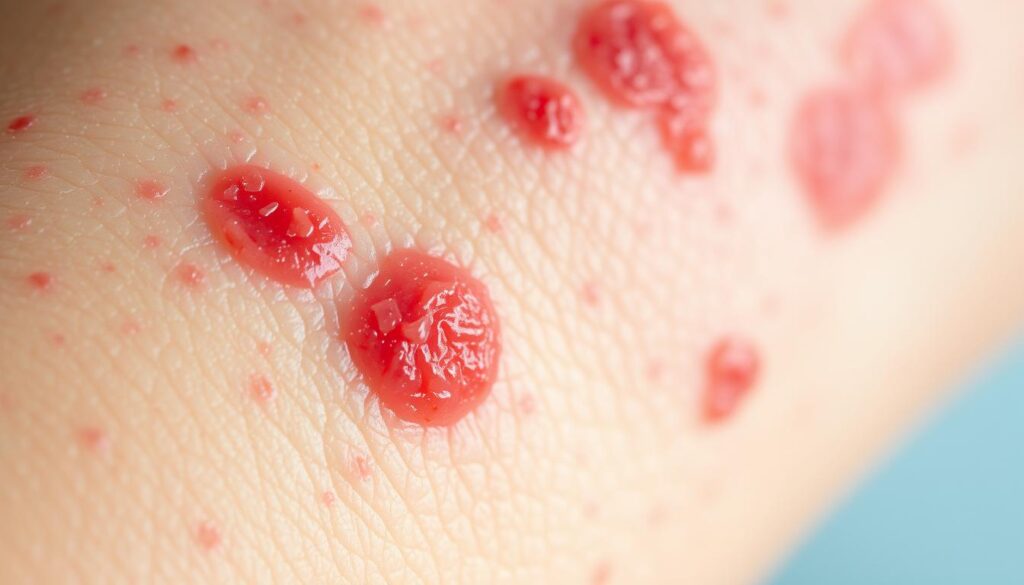
No, atopic dermatitis is not contagious. You cannot catch it or spread it to others through any form of contact. The symptoms, such as redness and oozing, are caused by inflammation and barrier dysfunction, not by infectious agents.
Is Eczema an Autoimmune Disease?
Atopic dermatitis is not considered an autoimmune disease, where the immune system attacks the body’s own tissues. Instead, it is an immune-mediated condition involving dysregulation of the immune system’s response to environmental triggers.
| Myth | Fact |
|---|---|
| Eczema is contagious. | Atopic dermatitis cannot be transmitted from person to person. |
| Eczema is an autoimmune disease. | It is an immune-mediated condition, not an autoimmune disease. |
Conclusion
Living with atopic dermatitis can be challenging, but with the right treatment and self-care strategies, individuals can lead active, comfortable lives. While atopic dermatitis isn’t typically dangerous, it can significantly impact one’s quality of life. Fortunately, various treatments are available to help manage symptoms.
A comprehensive approach to managing eczema includes identifying personal triggers, establishing an effective skincare routine, and addressing psychological aspects of the condition. By understanding dermatitis and its effects, individuals can better navigate their condition and improve their overall well-being, ultimately enhancing their quality of life.