
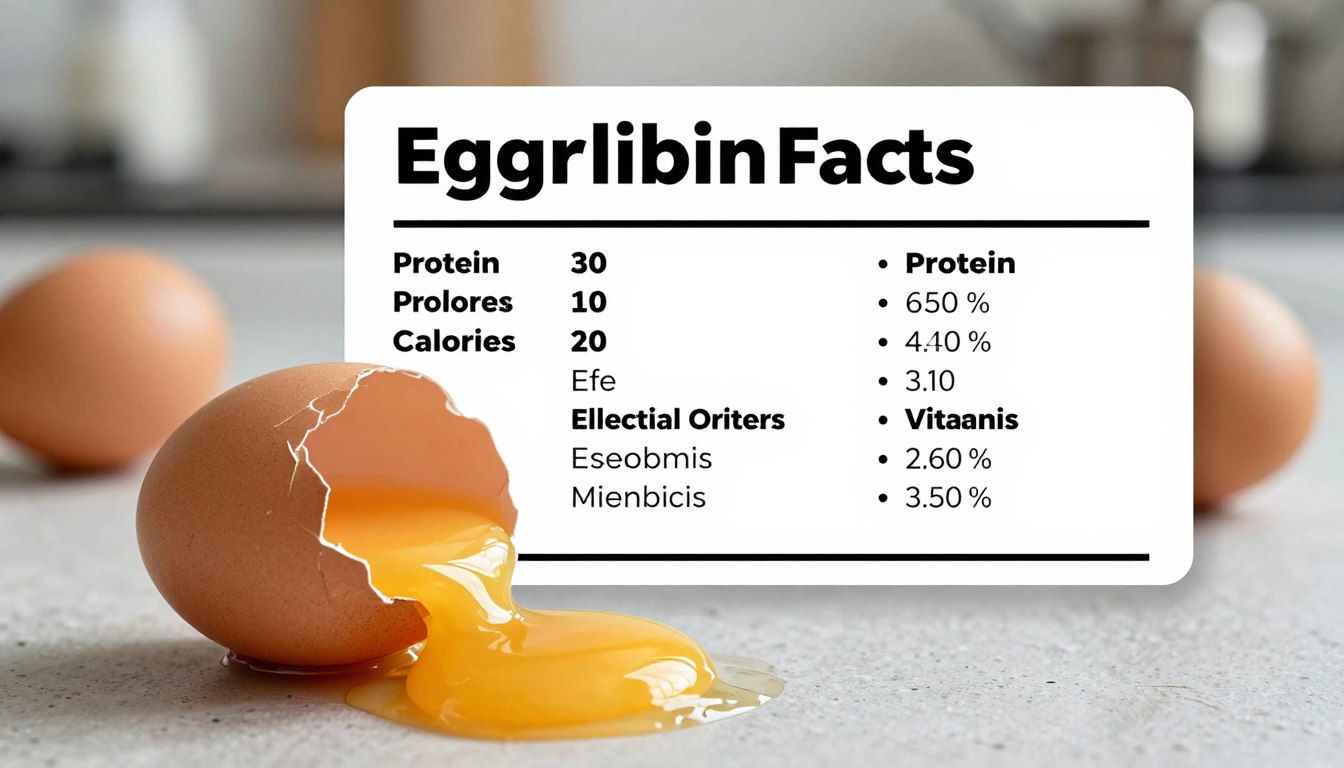
Did you know the clear liquid in your morning eggs is packed with efficient protein? Many people toss egg whites into their omelets without knowing they’re getting a nutritional boost. Scientists have studied this for decades.
Egg albumin nutrition is more than just protein. It makes up over half of the protein you get from egg whites. When you crack an egg, the clear part is mostly water, with 10% protein. This protein is a nutritional powerhouse with very few calories.
A single large egg white has about 3.6 grams of protein and only 17 calories. This protein changes when cooked or whipped, making it perfect for fluffy textures in meringues and soufflés. It’s designed to nourish bird embryos, which is why it has all the amino acids needed.
Knowing about egg white protein benefits helps you make better food choices. Each egg white is full of nutrients like potassium, magnesium, and sodium. These are important for athletes, fitness lovers, and anyone who cares about their health.
Key Takeaways
- Egg albumin makes up 54% of egg white protein and provides complete amino acids
- One large egg white contains 3.6 grams of protein with only 17 calories
- Egg whites consist of 90% water and 10% protein, making them low-calorie nutrition sources
- The albumin protein content includes essential minerals like potassium, magnesium, and sodium
- Egg albumin transforms into gels and foams when cooked or whipped
- This protein serves as nature’s storage system for developing embryos
What is Egg Albumin?
Egg albumin is the clear, thick liquid around the egg yolk. It makes up about 60% of an egg’s weight. It’s a great source of protein without the fat and cholesterol of yolks. Athletes and health fans love it for its low-fat protein.
Definition of Egg Albumin
Egg albumin, also known as egg white, is made of water and proteins. It’s a cholesterol-free protein with all nine essential amino acids. The World Health Organization says it’s 97% digestible, making it a top protein source.
Composition of Egg Albumin
Egg albumin’s protein structure makes it a top choice for protein. It has four main proteins that give it its nutritional value:
| Protein Component | Percentage | Function |
|---|---|---|
| Ovalbumin | 54% | Primary storage protein |
| Ovotransferrin | 12% | Iron-binding capacity |
| Ovomucoid | 11% | Trypsin inhibitor |
| Lysozyme | 3.5% | Antimicrobial properties |
Egg albumin also has important vitamins like riboflavin, niacin, and selenium. It has almost no carbs or fats, making it perfect for many diets.
Nutritional Profile of Egg Albumin
Egg albumin is packed with nutrients but low in calories. A large egg white weighs about 33 grams. It gives your body the nutrients it needs. The egg white’s macronutrients are perfect for those looking for lean protein.
Macronutrients
The egg white’s macronutrients are high in protein and low in fat and carbs. A large egg white has 3.6 grams of protein. It has all nine essential amino acids your body can’t make.
The protein quality is top-notch, scoring 1.0 on the PDCAAS scale. This is the highest rating possible.
Micronutrients
Egg whites also have important micronutrients. They provide 54 milligrams of sodium and 53 milligrams of potassium. These help keep your electrolytes balanced.
The albumin in egg whites has riboflavin for energy, niacin for metabolism, and selenium for the immune system. These nutrients support your body’s functions without adding many calories.
Caloric Content
Each large egg white has just 17 calories. This makes it great for diets that watch calories. It has very little fat and carbs, making it perfect for many diets.
| Nutrient | Amount per Large Egg White | Daily Value % |
|---|---|---|
| Calories | 17 | 1% |
| Protein | 3.6g | 7% |
| Carbohydrates | 0.2g | 0% |
| Fat | 0.06g | 0% |
| Sodium | 54mg | 2% |
| Potassium | 53mg | 1% |
Health Benefits of Egg Albumin
Egg albumin is a powerhouse of nutrition, more than just protein. It offers many health benefits, making it a great choice for improving your diet. It’s perfect for fitness lovers and those trying to manage their weight, boosting health and wellness in many ways.
Muscle Building and Repair
Egg albumin is packed with leucine, a key amino acid for muscle growth. Studies show that 20 grams of egg protein after working out helps muscles recover and grow. This makes egg whites a top choice for athletes and gym-goers.
Egg albumin has all nine essential amino acids in the right amounts. This complete protein helps keep muscle mass while losing weight and aids in tissue repair all over the body.
Weight Management
Egg whites help you feel full for longer, which can lead to eating less. This natural way to control hunger can help you eat fewer calories without feeling hungry. Plus, your body burns more calories digesting protein than fats or carbs.
Heart Health
Egg albumin is good for your heart because it’s cholesterol-free. Research shows it doesn’t raise cholesterol levels and might even improve your HDL to LDL ratio. It also helps control blood pressure and protects against inflammation and oxidative stress.
Egg Albumin vs. Whole Eggs
Choosing between egg whites and whole eggs depends on your health goals. Each option has its own benefits for different needs.
Nutritional Differences
Egg whites and whole eggs have different nutritional profiles. Egg whites are 60% of an egg’s weight but have only 17 calories. They are a great low-fat protein source with 3.6 grams of protein and no cholesterol.
Whole eggs have 72 calories. Both the white and yolk add up to 6.3 grams of protein.
The yolk brings nutrients missing in egg whites. It has fat-soluble vitamins, phospholipids, and lipovitellin. These protect against oxidation.
Studies show whole eggs boost muscle protein synthesis after exercise. This is more than egg whites alone, even though egg whites are a low-fat protein source for athletes.
Dietary Considerations
Your choice depends on your health goals. Those watching cholesterol levels prefer egg whites because they’re cholesterol-free. People watching their weight like egg whites for their lower calories and quality protein.
Whole eggs are better for those needing all the egg albumin nutrition and extra vitamins and minerals. The yolk’s nutrients and healthy fats help with hormone production and nutrient absorption. Athletes looking to grow muscle benefit from whole eggs’ better protein synthesis, even though egg whites are good for lean muscle.
How to Incorporate Egg Albumin into Your Diet

Adding egg albumin to your meals is easy. This cholesterol-free protein fits into many dishes. You can use fresh egg whites, liquid cartons, or protein powders, each with its own benefits.
Cooking Methods
Choose cooking methods that keep egg white nutritional value high and food safe. Use gentle heat to preserve protein quality. Poaching egg whites makes them tender without extra fat.
Soft scrambling at medium-low heat avoids a rubbery texture. Whipping egg whites before cooking makes omelets fluffy.
Raw egg whites from cartons are safe for smoothies. But fresh whites need cooking to kill bacteria. Baking egg whites into treats keeps their cholesterol-free protein benefits.
Recipes Featuring Egg Albumin
Begin your day with protein pancakes. Mix three egg whites, half a cup of oats, and fresh blueberries. Blend until smooth, then cook on medium heat for fluffy pancakes.
Try these simple recipe ideas:
- Vegetable frittata with six egg whites, spinach, and bell peppers
- Post-workout smoothie blending egg whites, banana, and kale
- Protein muffins combining egg whites, almond flour, and raspberries
- Energy bars mixing egg white powder, dates, and almonds
Each recipe boosts egg white nutritional value for satisfying meals all day.
Common Misconceptions about Egg Albumin
Many people have wrong ideas about egg albumin, which stops them from enjoying its health benefits. Knowing the truth about albumin protein content and common worries helps you choose better foods. Let’s debunk some common myths about egg whites.
Protein Quality
Egg albumin is the top protein quality, with a perfect PDCAAS score of 1.0. This means your body can use almost all the protein from it. Its digestibility rate is 97%, better than dairy at 95% and meat at 94%.
The egg white amino acids have all the essential amino acids your body needs in perfect amounts.
Some think plant proteins are as good as egg albumin. But, while quinoa and soy are complete proteins, they don’t match egg whites’ bioavailability. The high albumin protein content in egg whites is great for muscle repair and growth.
Allergies and Sensitivities
Egg allergies are common in kids. Most kids grow out of it by their teens. Egg white proteins can cause allergic reactions, from mild rashes to serious breathing issues.
Raw egg whites have avidin, which can block biotin if eaten too much. Cooking eggs fixes this by breaking down avidin.
Some people get stomach issues after eating a lot of egg whites. This isn’t usually an allergy but might be from eating too much protein at once.
Egg Albumin and Exercise Performance
Athletes and fitness fans can really benefit from egg albumin for muscle building. Egg whites have a special protein that gives essential amino acids. These amino acids help with athletic performance and recovery.
Studies show that egg albumin has about 500mg of leucine per egg. Leucine is key for muscle growth when eaten in the right amounts.
Benefits for Athletes
Egg white protein does more than just feed active people. Eating 20 grams of egg protein after working out boosts muscle growth. This is as good as whey protein.
This amino acid release lasts for hours. It helps repair and grow muscle tissue.
Egg albumin keeps muscle mass while helping lose fat during hard training. Athletes who eat enough see better recovery and performance. The amino acids help fix muscles without adding too many calories.
Recommended Intake
How much protein you need depends on your training and goals. Here are some general guidelines for athletes:
| Activity Level | Protein per kg Body Weight | Example for 70kg Athlete |
|---|---|---|
| Moderate Training | 1.4-1.6g | 98-112g daily |
| Heavy Training | 1.8-2.0g | 126-140g daily |
| Weight Loss Phase | 2.3-3.1g | 161-217g daily |
For those trying to keep lean mass while losing weight, more protein is needed. Eating 1.6g per kilogram helps keep fat-free mass while losing fat.
Storage and Shelf Life of Egg Albumin
Keeping egg albumin fresh is key. This protein is good for you when stored right. Each type needs its own way to stay fresh and avoid spoilage.
Proper Storage Techniques
Refrigerate egg whites at 40°F or below right after separating them from yolks. Use them within 3-4 days for the best taste. Liquid egg whites from Egg Beaters last 7-10 days after opening in the fridge.
Egg white protein powder needs special care. Keep it in a cool, dry spot, away from moisture. Brands like Jay Robb and NOW Sports say to seal containers tightly. This protein stays good at room temperature if it’s dry.
Freezing is a great way to keep it longer. Frozen egg whites can last up to 12 months in airtight containers. Thaw them in the fridge overnight before using.
Signs of Spoilage
Spotting spoilage is important for your health. Look out for these signs:
- Off-putting or sour smell
- Pink, green, or yellow discoloration
- Thick, stringy, or watery texture changes
- Visible mold growth
- Fizzing or bubbling appearance
Fresh egg whites should be clear to slightly cloudy. Any big color change means bacteria are growing. If unsure, throw it away. Buy pasteurized options from Eggland’s Best for safer use.
Egg Albumin in Food Products
The food industry uses egg albumin for its special properties. It helps make baked goods light and adds protein to supplements. We see its benefits in many foods we eat every day.
Protein Supplements
Egg albumin powder is key in sports nutrition. Brands like Optimum Nutrition and NOW Foods add it to their protein powders. This gives athletes a lactose-free option with 24-26 grams of protein per serving.
Many protein bars and shakes include egg albumin. Companies like Quest Nutrition and RXBAR use it to increase protein without extra carbs or fats. The powder stays good for months if stored right.
Bakery and Confectionery Uses
Bakers rely on egg albumin for angel food cakes, meringues, and macarons. It traps air bubbles, keeping the foam stable during baking. Marshmallows and nougat get their texture from egg albumin’s gelling.
Big bakeries use dried egg albumin for consistent results. It’s an emulsifier in cookie dough and binds in gluten-free items. Its structure is key for light textures, adding to the albumin dietary benefits.
Comparison with Other Protein Sources
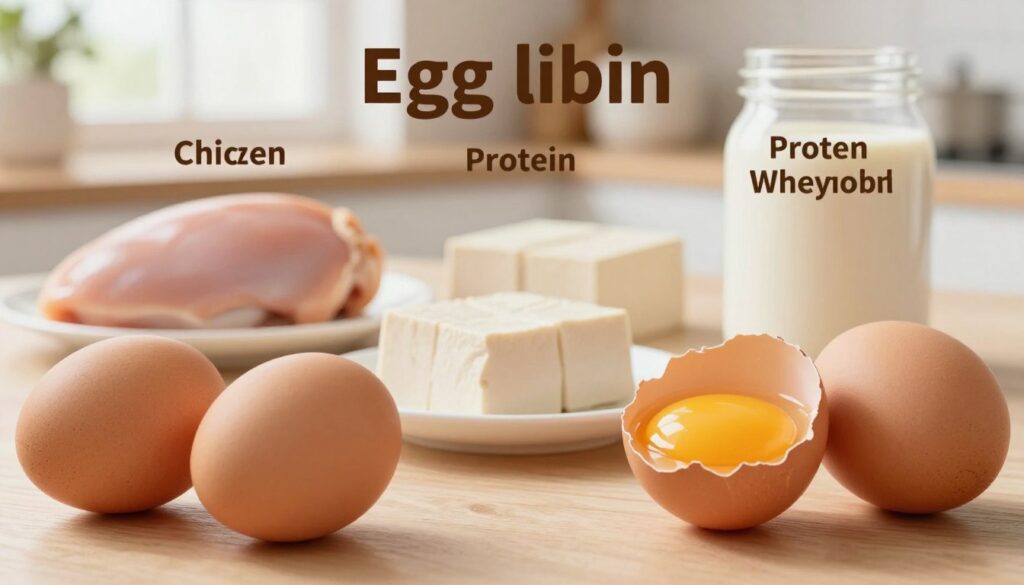
Choosing a protein source for your diet can be tricky. Knowing how egg albumin stacks up against others helps you make better choices. Each protein has its own strengths in absorption, digestibility, and amino acid content. These factors impact how well your body uses them for muscle repair and growth.
Dairy Proteins
Egg albumin has the same protein quality as whey and casein, scoring a perfect 1.0 on the PDCAAS scale. The main difference is how fast they are absorbed. Whey protein is absorbed quickly, ideal for post-workout recovery. Casein takes longer, great for muscle recovery while you sleep. Egg albumin falls in the middle, providing steady protein all day.
Egg whites are also lactose-free, making them a good choice for those with lactose intolerance. This means you can enjoy their protein without worrying about digestive issues.
Plant-Based Proteins
Plant proteins, like soy and pea, have lower protein quality scores. Soy protein scores 0.97, while pea protein scores 0.89. Egg albumin, on the other hand, is highly bioavailable, with over 90% absorption. This means you need less of it to get the same protein benefits.
Plant proteins have lower absorption rates, ranging from 45-80%. This means you need to eat more of them to get the same amount of protein as egg albumin.
| Protein Source | PDCAAS Score | Absorption Rate | Lactose-Free |
|---|---|---|---|
| Egg Albumin | 1.0 | 90%+ | Yes |
| Whey Protein | 1.0 | 95% | No |
| Soy Protein | 0.97 | 60-70% | Yes |
| Pea Protein | 0.89 | 45-55% | Yes |
Studies show egg proteins are more efficient than soy or wheat proteins. This means more egg white amino acids are available for muscle growth and repair after exercise.
Egg Albumin and Allergies
Eggs are a great source of protein, but some people can’t eat them because of allergies. About 2% of kids in the U.S. have an egg allergy. Luckily, about 70% of kids grow out of it by their teens.
Understanding Egg Allergies
Egg whites have proteins that can cause allergies. The main proteins are ovalbumin, ovomucoid, ovotransferrin, and lysozyme. These proteins make the immune system overreact in some people.
Allergic reactions can happen fast, within minutes to hours after eating eggs. Symptoms include:
- Skin reactions like hives or eczema
- Stomach pain, nausea, or vomiting
- Breathing difficulties or wheezing
- Severe cases may lead to anaphylaxis
Cross-Reactivity with Other Allergens
People allergic to chicken eggs might also react to eggs from ducks, geese, or quails. This is because these eggs have similar proteins. Some people might also react to chicken meat.
Egg proteins are in some vaccines, like flu shots and MMR vaccines. If you have a severe egg allergy, talk to your doctor about vaccine options. Cooking eggs well might help some people, but it depends on the person and their allergy.
The Role of Egg Albumin in Weight Loss
Egg albumin is a great help in managing weight. It’s low in fat but high in nutrients, perfect for losing weight. Each egg white has only 17 calories and 3.6 grams of protein. This helps you feel full and keeps your metabolism healthy.
Satiety and Nutritional Value
Egg whites make you feel full, which helps you eat less between meals. Studies show they help keep muscle while losing fat. They also make your body burn more calories when you digest them.
Starting your day with egg whites can cut down your daily calorie intake. People who eat egg white omelets for breakfast eat fewer calories than those who have carb-heavy meals.
Incorporating into Weight Loss Diets
Good weight loss diets aim for 1.6 grams of protein per kilogram of body weight. Egg whites help you reach this goal without adding fat or carbs. This keeps your muscles strong while you’re eating fewer calories.
| Meal Type | Egg White Serving | Calories | Protein (g) |
|---|---|---|---|
| Breakfast Scramble | 4 egg whites | 68 | 14.4 |
| Post-Workout Shake | 3 egg whites | 51 | 10.8 |
| Dinner Frittata | 5 egg whites | 85 | 18.0 |
Use egg whites instead of high-calorie proteins to make tasty, healthy meals. Egg white protein pancakes, veggie-packed frittatas, and protein smoothies are great ways to enjoy egg whites. They help you lose weight while keeping your muscles strong.
Vegan Alternatives to Egg Albumin
More people are choosing plant-based diets, looking for egg white protein benefits. Egg albumin is known for its nutritional value. But, there are plant options that can do similar jobs in cooking and nutrition.
These alternatives have special properties. They meet different dietary needs and tastes.
Plant-Based Proteins
Soy protein isolate is a complete protein with a high digestibility score. It’s close to egg albumin in nutritional value. Pea protein is another good choice, with 89% digestibility and lots of arginine.
Rice and pea proteins together make a good amino acid mix. It’s like egg whites. But, athletes and fitness fans need to eat 20-50% more of these plant proteins.
Egg Substitutes in Cooking
Aquafaba, the chickpea liquid, is perfect for making meringues and mousses. Silken tofu is great in scrambles and quiches. It adds protein and smoothness.
Flax or chia seeds mixed with water can bind like eggs in baking. They help in making cakes, muffins, and cookies.
Commercial egg replacers have potato starch, tapioca starch, and leavening agents. They make vegan baking easier. They keep the texture and rise of baked goods the same.
Scientific Research on Egg Albumin
Scientific studies are uncovering new facts about egg albumin and its health benefits. They’ve looked into how it affects muscle growth and blood pressure. This research helps us make better food choices.
Recent Studies and Findings
A 2022 study by Puglisi and Fernandez found egg proteins boost muscle growth as much as dairy proteins. This changes what we thought about protein quality from different sources. In 2017, Van Vliet’s team found that whole eggs increase muscle growth by 40% more than egg whites after exercise. This shows that egg white nutrients are better with yolk.
Bagheri’s team followed people for 12 weeks of weight training. Those eating whole eggs gained more strength, had higher testosterone, and less body fat than egg white eaters. In poor countries, egg protein helps fight malnutrition, makes kids taller, and prevents kwashiorkor.
Implications for Nutrition
This research changes how we see egg albumin nutrition. It shows that egg albumin peptides can lower blood pressure. Evans and colleagues found that fortetropin boosts muscle growth in older adults by activating mTOR pathways.
Egg white nutrients are very good for us. But eating whole eggs might give us even more benefits for muscles, hormones, and health.
Ethical Considerations of Egg Production
The way eggs are made affects the quality of protein we eat. Different farming methods impact animal welfare and the nutritional value of egg whites. Knowing these practices helps us choose better protein sources.
Farming Practices
Modern egg production uses various systems that affect hen welfare and egg quality. Battery cage systems confine hens in small wire enclosures with little room to move. These facilities can hold thousands of birds in tight spaces.
Cage-free systems give hens more room inside barns. They can spread their wings and move around freely.
Pasture-raised operations let hens go outside all the time. They move around and eat insects and plants with their regular food. Organic certification means they eat organic feed, go outside, and don’t get antibiotics or growth hormones.
Free-Range vs. Conventional Eggs
Free-range eggs come from hens that go outside, but what that means can vary. Research shows these eggs might have better protein quality than conventional ones. The differences include:
- More vitamin D from sun exposure
- Better omega-3 fatty acids
- Improved egg white nutritional value
- Less stress in the hens
More people want eggs from better treatment of hens. Things like feed efficiency, land use, and greenhouse gas emissions matter in buying eggs. Small farms in developing areas help families by providing regular egg access.
Frequently Asked Questions about Egg Albumin
Many people wonder about egg albumin safety and how to eat it. Egg whites are loved by those who work out and care about their health. Knowing how to handle them and thinking about your own needs helps you make good food choices. Here are answers to common safety questions.
Can you eat egg albumin raw?
Eating raw egg whites can be risky because of Salmonella. The CDC says one in 20,000 eggs has this harmful germ. Cooking egg whites to 160°F kills the bad bacteria and makes the protein easier to digest. Raw egg whites also have a protein called avidin that can block biotin if eaten too much.
Pasteurized liquid egg whites, like those from Egg Beaters, are safer for smoothies or shakes. This process kills bacteria but keeps the protein. If you want to eat raw egg whites, choose these pasteurized ones to stay safe.
Is egg albumin safe for everyone?
Egg albumin isn’t safe for people with egg allergies, affecting 2% of kids in the U.S. Symptoms can be mild or very serious. Pregnant women should also avoid raw egg whites because they’re more at risk of getting sick. Cooked egg whites are okay for those who can’t digest lactose.
Egg white amino acids are good for most adults, athletes, and older people when cooked right. If you’re new to egg albumin, start with a small amount to see if you’re sensitive.