

Are you self-conscious about the size of your forehead and its impact on your overall facial harmony? For individuals with a disproportionately large forehead, cosmetic procedures like hairline lowering can be a life-changing solution.
Forehead reduction surgery is designed to create a more balanced face shape by reducing the distance between the eyebrows and hairline. This procedure can significantly enhance one’s appearance and boost self-confidence. However, like any surgery, it comes with its own set of benefits and risks.
Key Takeaways
- Forehead reduction surgery is a cosmetic procedure that reduces the size of the forehead.
- The surgery involves advancing the hairline to create a more balanced face shape.
- Understanding the benefits and risks is crucial for making an informed decision.
- This procedure can enhance facial harmony and boost self-confidence.
- Candidate selection and recovery are critical aspects of the surgery.
Understanding Forehead Reduction Surgery
Forehead reduction, also known as hairline lowering, is a surgical procedure that reduces the distance between the eyebrows and the hairline, resulting in a more balanced facial structure. This cosmetic procedure is designed for individuals concerned about the height of their forehead.
What Is Forehead Reduction Surgery?
Forehead reduction surgery is a specialized cosmetic procedure that shortens the forehead by surgically advancing the hairline forward. Unlike hair transplantation, which adds hair follicles to create a new hairline, forehead reduction physically moves the existing hairline to a lower position on the forehead. This results in a more proportionate facial structure.
How Forehead Reduction Differs from Other Facial Procedures
The procedure differs from other facial plastic surgeries like brow lifts, which elevate the eyebrows rather than lower the hairline. However, they can sometimes be performed together for comprehensive facial balancing. Hairline advancement techniques used in forehead reduction involve removing a strip of forehead skin and bringing the scalp forward.
Benefits of Forehead Reduction Surgery
Forehead reduction surgery offers numerous benefits, transforming not just the facial structure but also the patient’s outlook on life. By altering the size and shape of the forehead, individuals can achieve a more harmonious facial balance.
Improved Facial Proportions and Balance
Forehead reduction creates more harmonious facial proportions by decreasing the vertical height of the forehead. This enhances overall facial balance and symmetry, contributing to a more aesthetically pleasing appearance. A balanced facial structure can significantly boost one’s confidence in their appearance.
Enhanced Self-Confidence
Patients who undergo forehead reduction surgery often experience a substantial boost in self-confidence. No longer feeling self-conscious about a feature they previously considered disproportionate, they can enjoy a more positive self-image. This confidence can extend beyond their appearance, impacting various aspects of their life.
More Styling Options for Your Hair
The surgery liberates individuals from being restricted to hairstyles with bangs, allowing them to confidently wear their hair pulled back, in updos, or in various styles that previously made them uncomfortable. With a more proportionate hairline, you can explore a wider range of hairstyles, enhancing your overall appearance and personal style.
| Benefits | Description |
|---|---|
| Improved Facial Proportions | Decreases the vertical height of the forehead for better facial balance |
| Enhanced Self-Confidence | Boosts confidence by reducing self-consciousness about forehead size |
| More Hairstyle Options | Liberates individuals to try various hairstyles without feeling self-conscious |
Ideal Candidates for Forehead Reduction
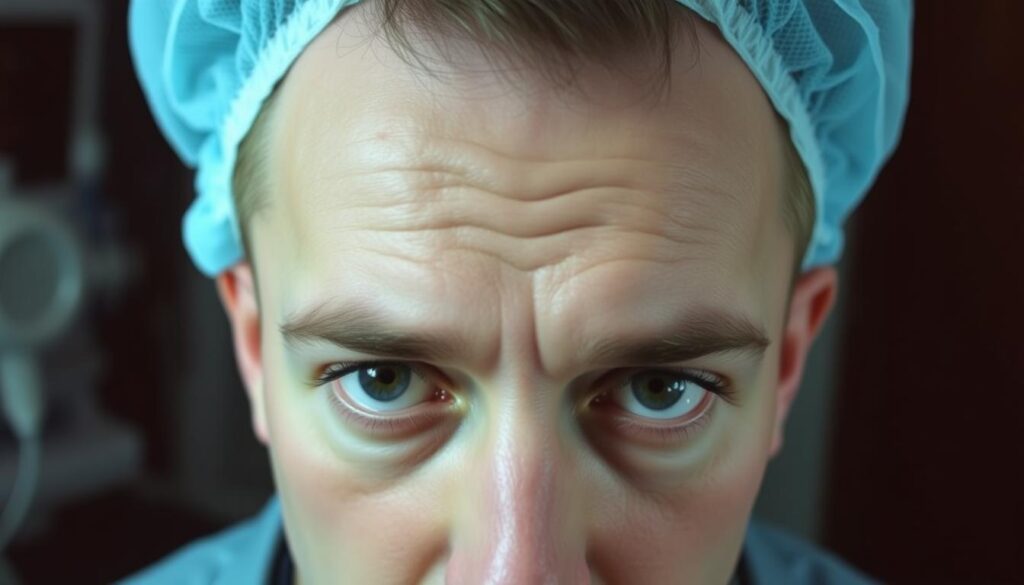
Determining whether you’re a good candidate for forehead reduction surgery involves evaluating several key factors. A good candidate typically has a high or disproportionately large forehead, good scalp elasticity, and stable hair growth patterns without signs of significant hair loss.
Physical Requirements for Successful Surgery
Good scalp elasticity is essential for successful forehead reduction, as it allows the surgeon to advance the hairline without creating excessive tension on the incision. Patients should also have good hair density to help conceal any potential scarring along the new hairline.
- Ideal candidates typically have a naturally high hairline or disproportionately large forehead without signs of progressive hair loss or thinning.
- Stable hair growth patterns and good hair density are crucial for concealing potential scarring.
- Realistic expectations about the degree of forehead reduction possible (typically 1-3 cm) are important for candidate satisfaction.
Who Should Avoid This Procedure
Those with a family history of pattern baldness, receding hairlines, or active hair loss should avoid forehead reduction surgery, as future hair loss could expose surgical scars. Alternative options like hair transplantation may be more appropriate for candidates with poor scalp mobility or concerns about future hair loss.
- Patients with a family history of pattern baldness or receding hairline are not usually prime candidates.
- Those experiencing active hair loss or with certain medical conditions affecting wound healing should avoid this procedure.
- A thorough consultation with a specialized surgeon is necessary to evaluate overall candidacy.
Schedule a consultation today to determine if you’re a good candidate for forehead reduction based on your specific anatomical characteristics and aesthetic goals.
The Forehead Reduction Surgery Procedure

Understanding the forehead reduction surgery procedure is crucial for patients considering this operation. The process involves several key steps to achieve the desired outcome.
Pre-Surgery Consultation and Planning
The forehead reduction surgery process begins with a comprehensive consultation where the plastic surgeon evaluates your forehead proportions, hairline pattern, and scalp elasticity to determine the optimal surgical approach.
Step-by-Step Surgical Process
The actual surgical procedure starts with the surgeon making a carefully designed incision along the existing hairline. The surgeon then separates the forehead skin from underlying tissue, removes excess skin, and advances the scalp forward to the new hairline position, preserving hair follicles and nerve connections.
Anesthesia and Duration
Forehead reduction surgery is usually performed under general anesthesia or local anesthesia with sedation. The procedure typically takes between 1.5 to 3 hours to complete, depending on the complexity of the case and whether additional procedures like a brow lift are performed simultaneously.
Recovery and Results After Forehead Reduction
Forehead reduction surgery is just the first step; the recovery period that follows is equally important for optimal outcomes. Understanding what to expect during this time can help patients prepare and ensure a smooth recovery.
Immediate Post-Surgery Care
Immediately after forehead reduction surgery, patients can expect some swelling and bruising around the incision site. The surgical site will be covered with a light compression dressing to minimize swelling. Keeping the head elevated and avoiding strenuous activities are recommended.
Timeline for Recovery
Most patients can return to their normal routine within a day or two after surgery, though strenuous activities should be avoided for at least two to three weeks. Sutures are typically removed during a follow-up appointment about one week after surgery.
When to Expect Final Results
The results of hairline advancement are visible immediately, but the final aesthetic outcome continues to improve as swelling subsides and the skin and scalp adapt. Complete healing of the incision takes about six months.
| Recovery Milestone | Timeline |
|---|---|
| Return to normal activities | 1-2 days |
| Suture removal | 1 week |
| Visible improvement in swelling and bruising | 2 weeks |
| Complete healing of incision | 6 months |
Potential Risks and Complications
Understanding the potential risks and complications of forehead reduction surgery is crucial for making an informed decision. While the procedure is generally safe, there are several factors to consider.
Common Side Effects
Common side effects of forehead reduction surgery include temporary numbness or altered sensation along the incision line and newly positioned hairline. These effects typically resolve within weeks to months as nerves regenerate. Patients may also experience swelling, bruising, and discomfort during the initial recovery period.
Serious Complications to Be Aware Of
More serious potential complications, though rare, include infection, asymmetry, widened or visible scarring, and delayed wound healing. Temporary “shock” hair loss around the incision site can occur, but this typically resolves within 6-12 months.
How to Minimize Risks
To minimize risks, it’s essential to choose an experienced surgeon who specializes in hairline procedures. Following all pre-operative and post-operative instructions diligently is also crucial. Patients with certain medical conditions should discuss their risks thoroughly during consultation.
| Complication | Frequency | Management |
|---|---|---|
| Temporary Numbness | Common | Resolves within weeks to months |
| Infection | Rare | Additional medical intervention |
| Hair Loss | Temporary | Resolves within 6-12 months; hair transplantation if permanent |
Conclusion: Is Forehead Reduction Surgery Right for You?
Forehead reduction surgery can be a life-changing procedure for those seeking a more balanced facial appearance. To determine if it’s right for you, consider how your forehead proportions affect your self-confidence and whether you’ve felt the need to conceal it with specific hairstyles. Schedule a consultation with a board-certified surgeon to discuss your goals and assess your candidacy. They will help you understand the potential benefits and risks, including scarring and temporary numbness, and guide you in making an informed decision.